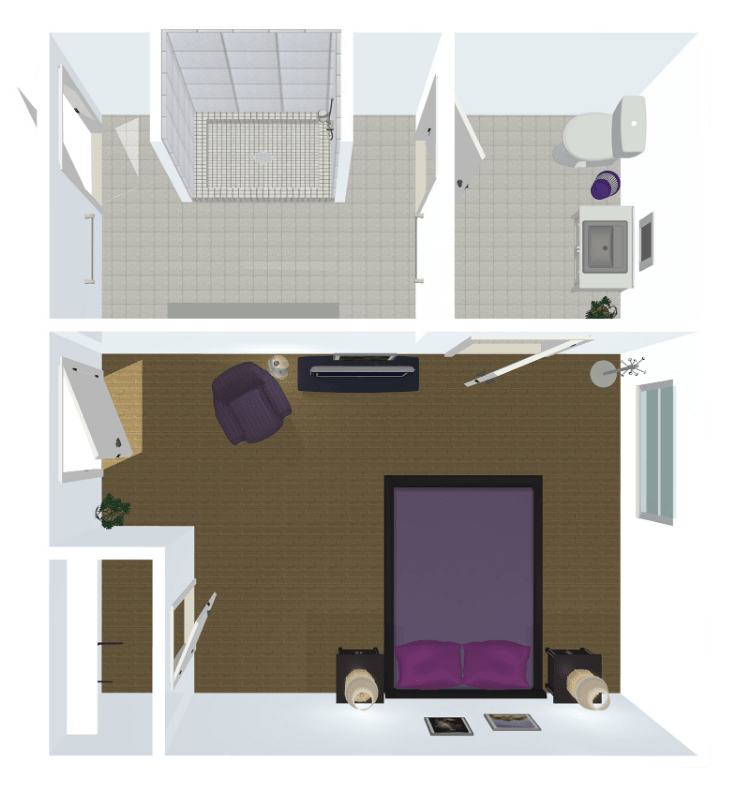
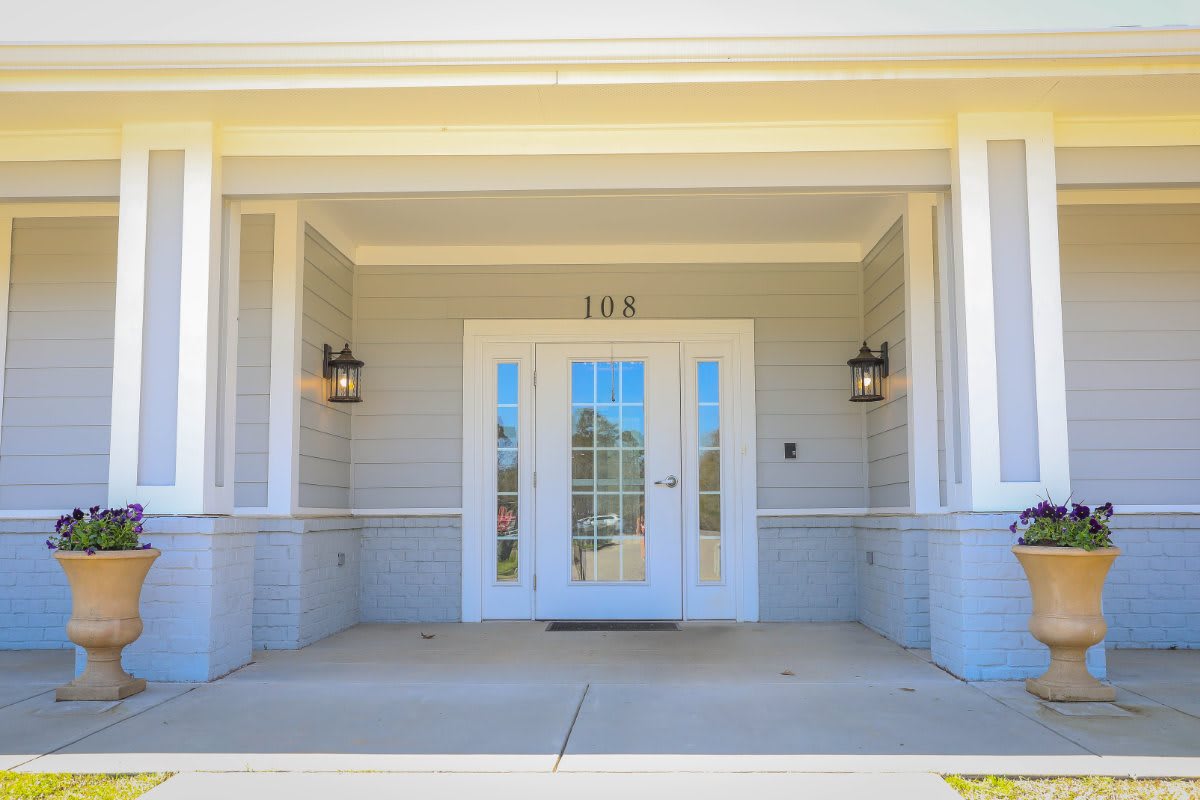

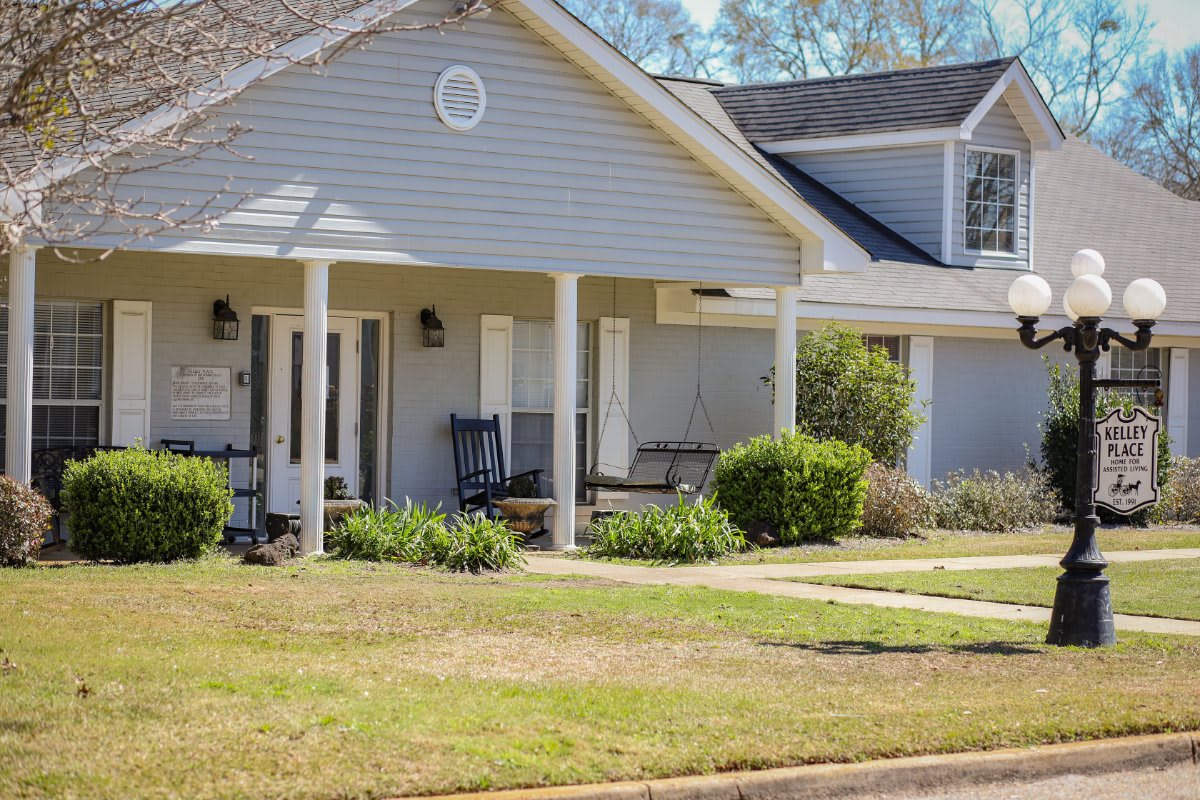




108/109 Chaney Dr, Enterprise, AL 36330
To contact a resident: (334) 393-7233
For more information about senior living options: (866) 208-4318
Madison Heights/Kelley Place Memory Care Communities Costs & Pricing
Madison Heights/Kelley Place Memory Care Communities offer a range of living options with pricing that reflects the quality of care and amenities provided. For those seeking a studio, the monthly cost is $4,500, which is higher than the average rate in Dale County at $4,000 and significantly above the state average of $3,279. Similarly, the one-bedroom option is priced at $4,995, aligning with Dale County's rate but notably exceeding Alabama's statewide average of $3,417. This pricing structure suggests that Madison Heights/Kelley Place may provide enhanced services or a more personalized care experience compared to other facilities in the area.
| Floor plans | Madison Heights/Kelley Place Memory Care Communities | Dale County | Alabama |
|---|---|---|---|
| Studio | $4,500 | $4,000 | $3,279 |
| 1 Bedroom | $4,995 | $4,995 | $3,417 |
Overall Review of Madison Heights/Kelley Place Memory Care Communities
Pros
 Kelly's Place has been a great experience, with residents settled in and families able to connect via FaceTime and Facebook activities.
- The staff at Kelly's Place are friendly, knowledgeable, and easy to reach.
- Madison Heights memory care is praised for its genuine memory-care approach and for helping residents flourish.
- The facility's Facebook page is a wonderful resource for families to see their loved ones and stay connected.
- The smaller size and small-town setting of Madison Heights are appealing to families seeking a more intimate environment.
- Daily activities are well planned and communicated, with a calendar that informs families about what’s coming up.
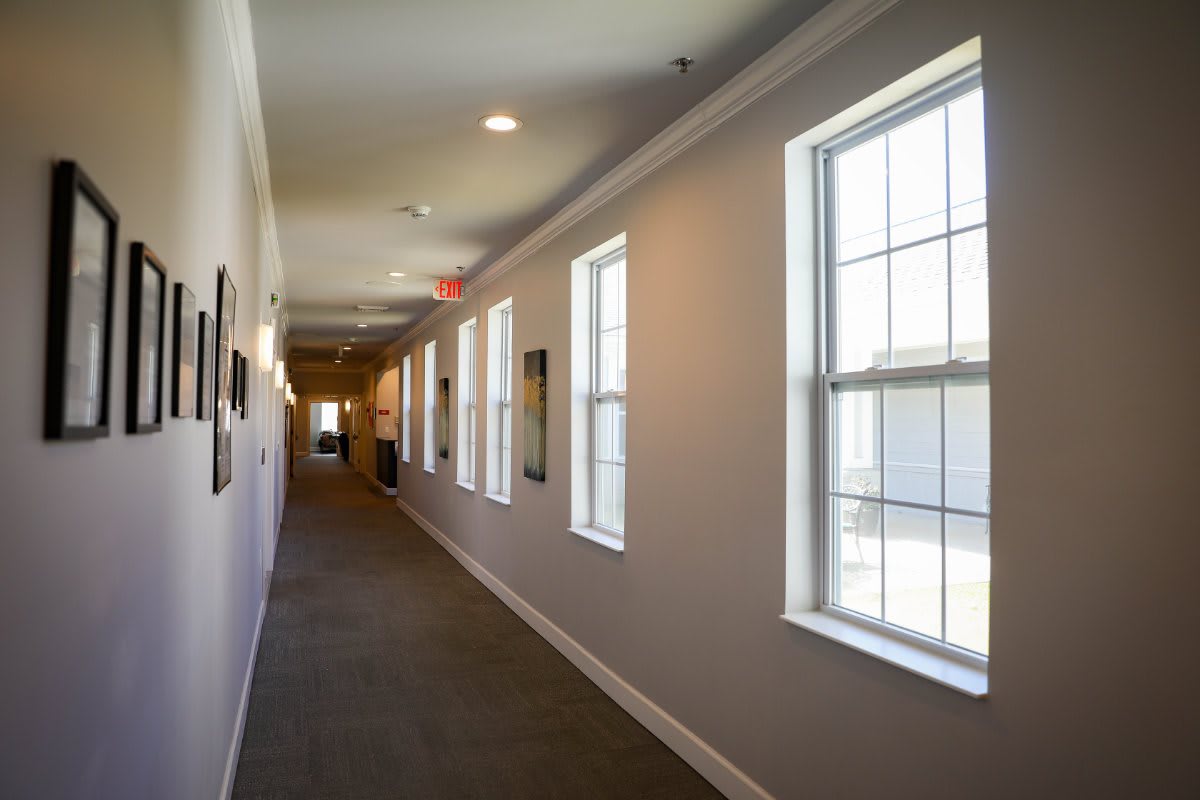
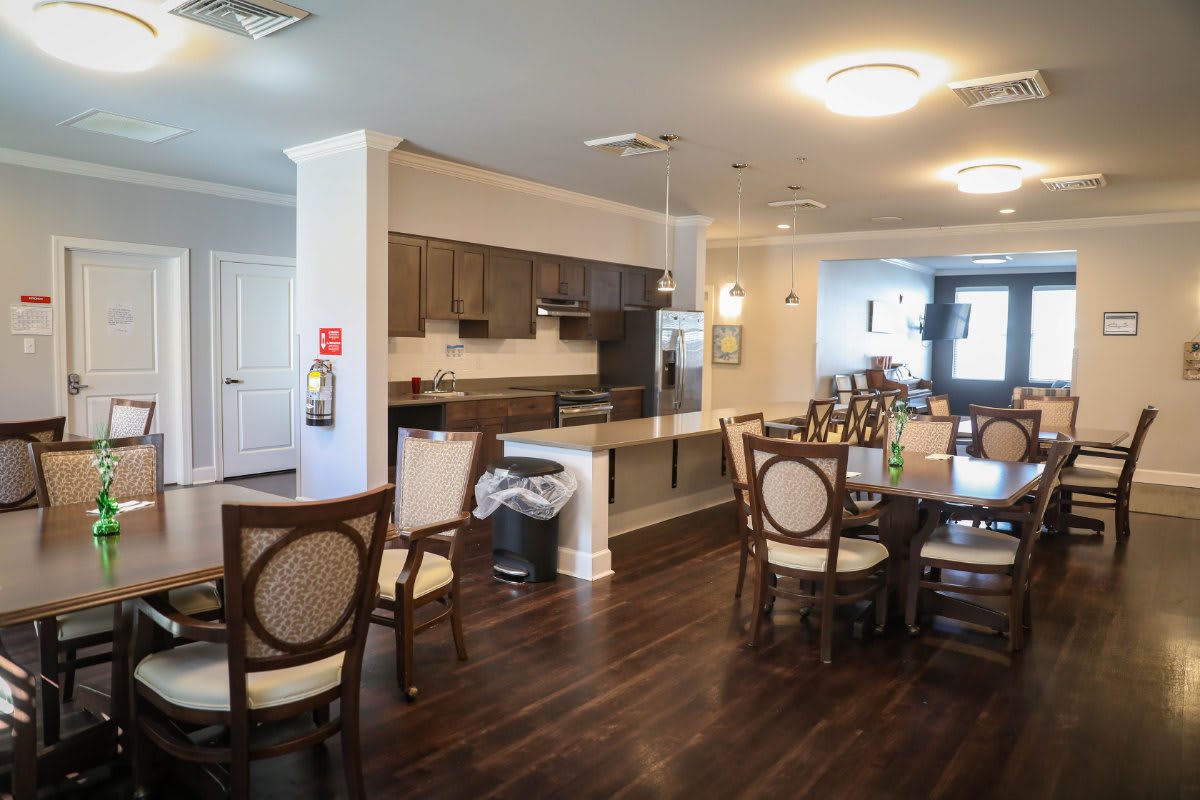
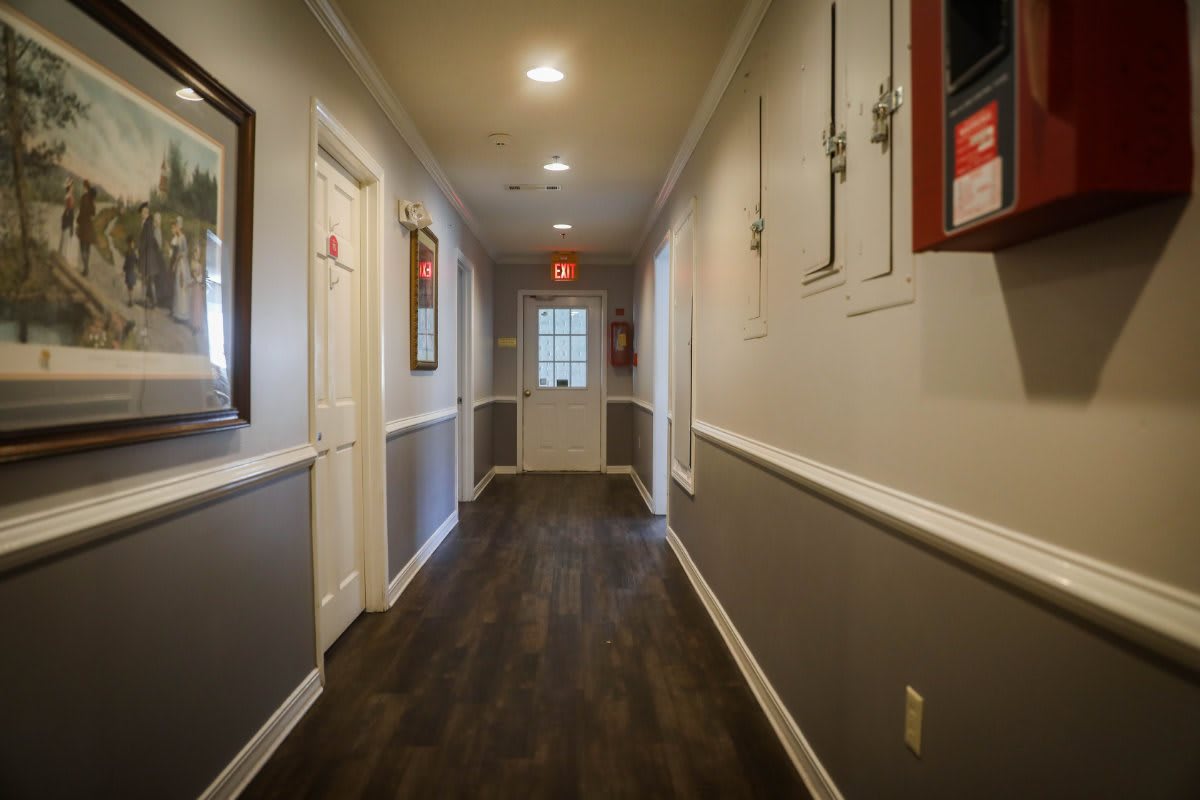
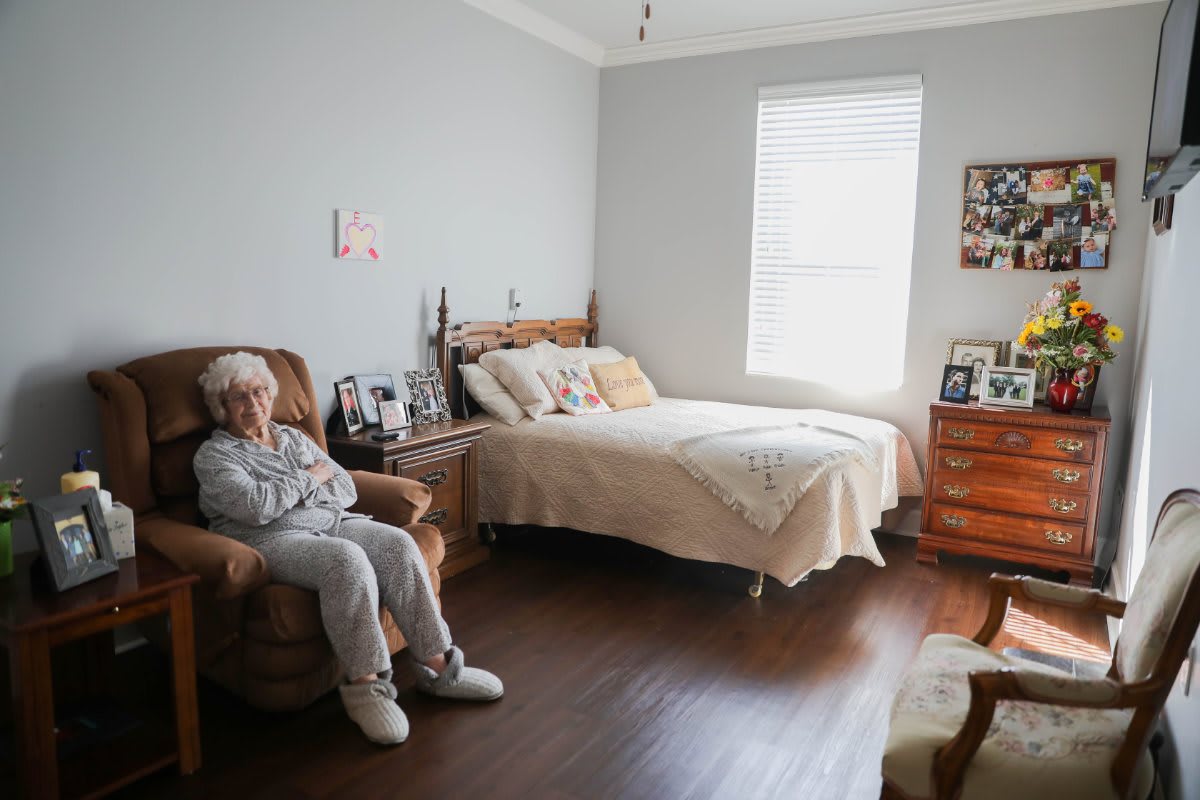
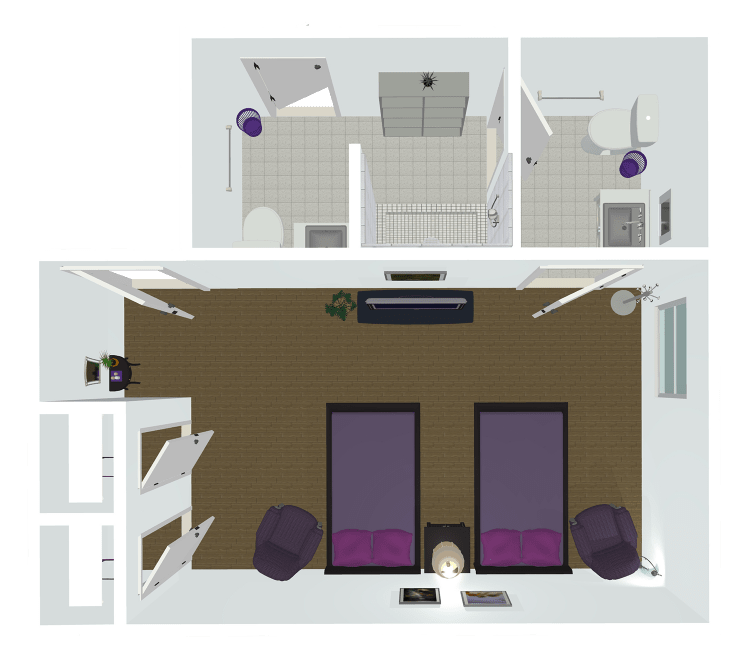
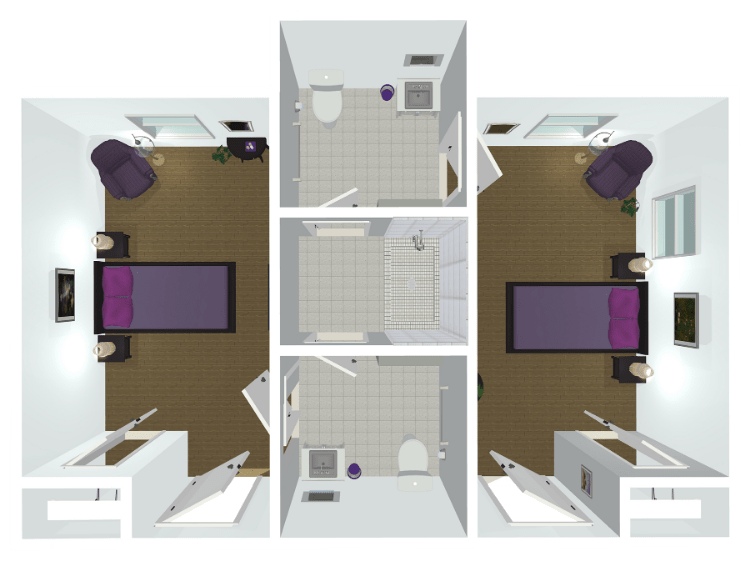
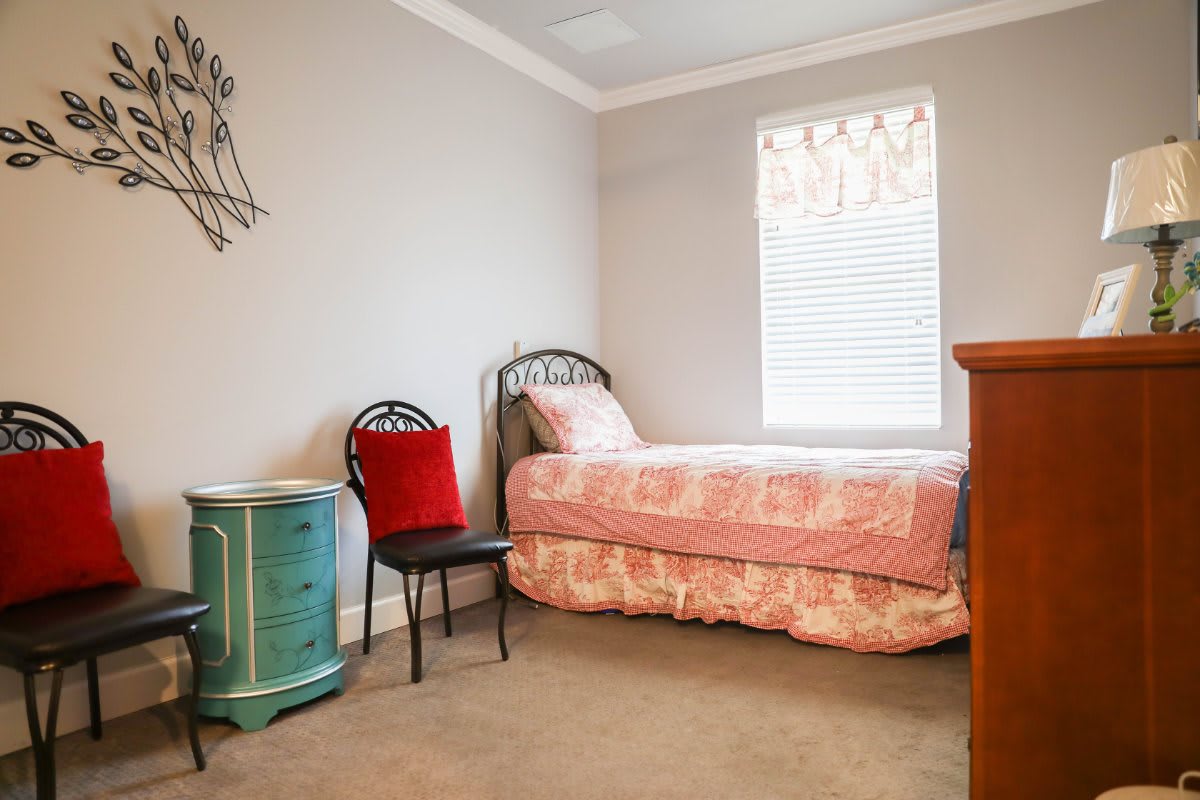
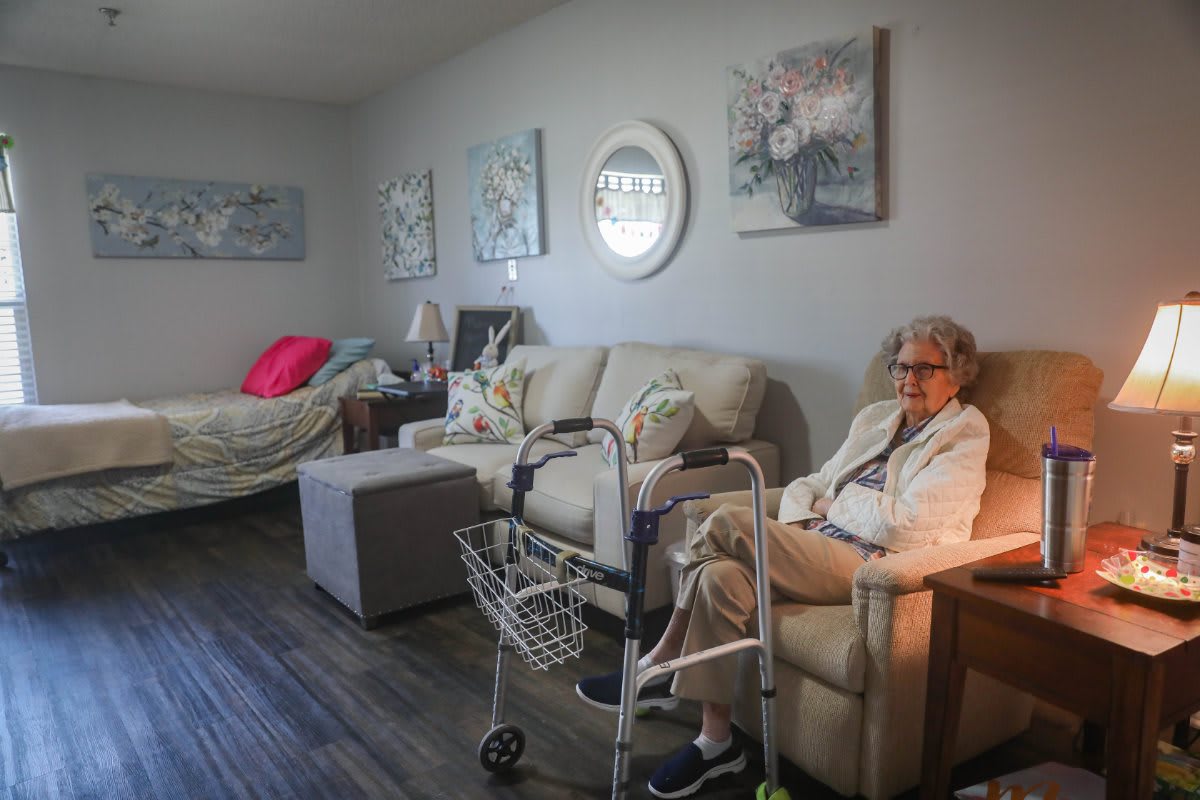
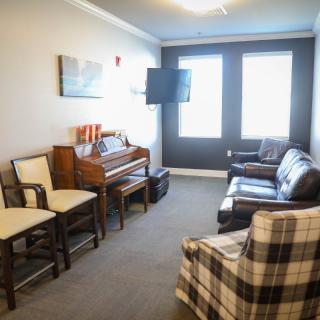
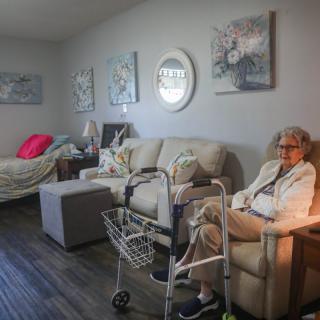
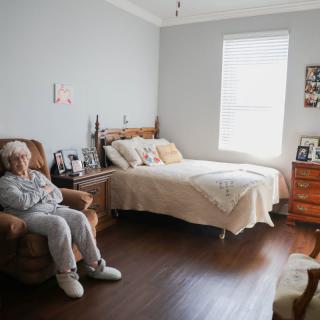
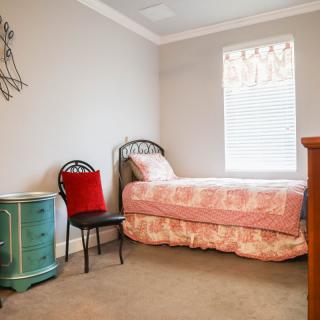
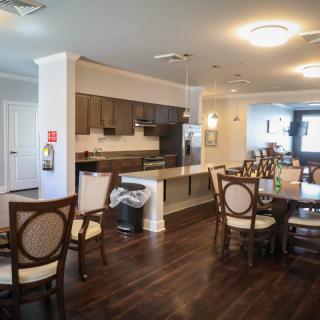
- The living spaces are comfortable and well equipped, with private bathrooms and safety features like hand rails.
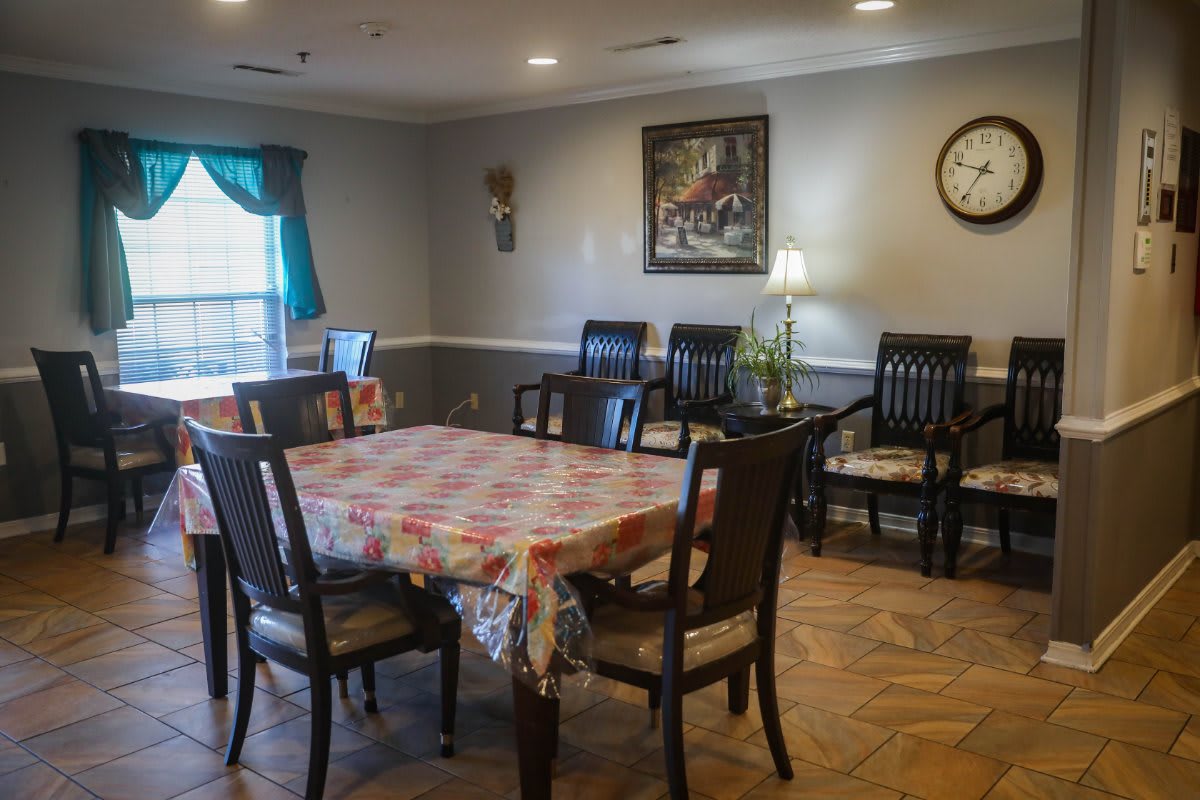
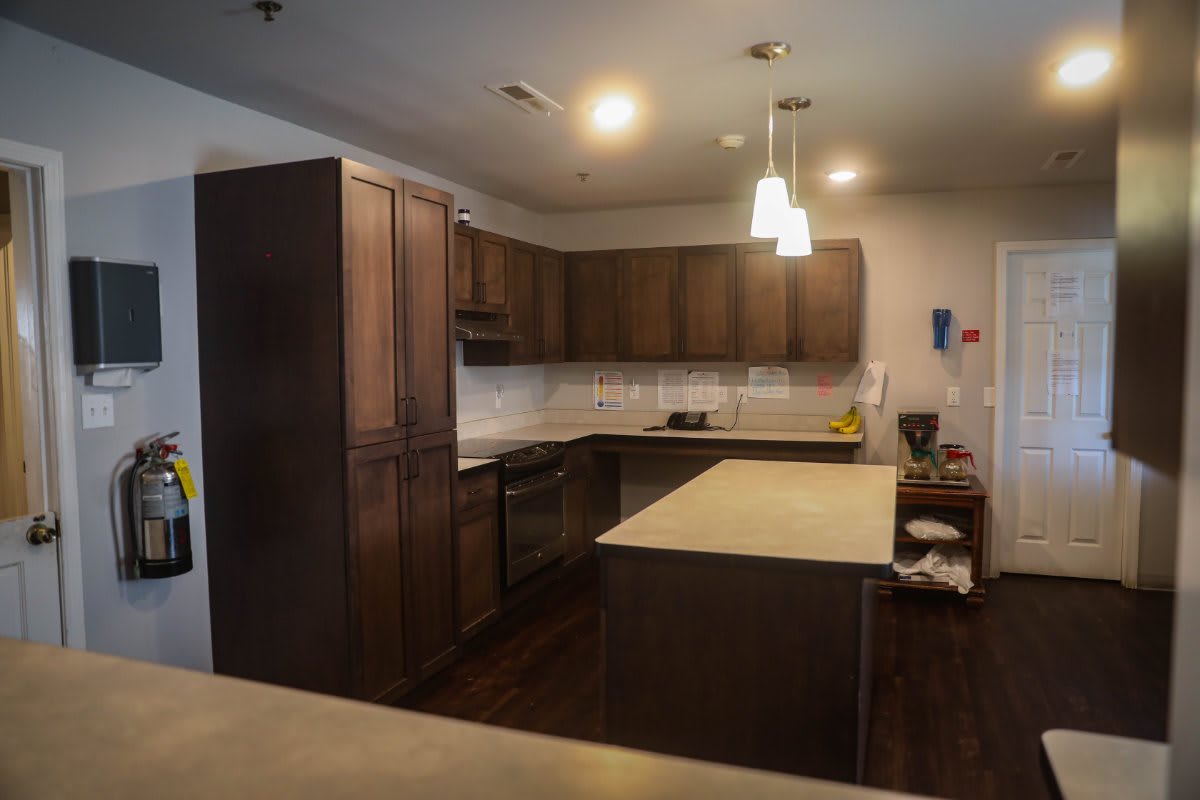
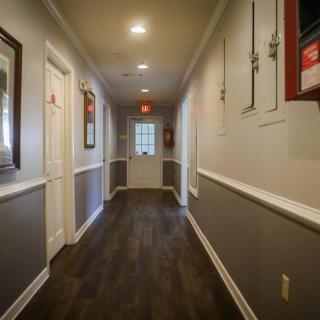
- The facility is consistently described as clean and well maintained.
- The activities program is strong, supported by a dedicated activities coordinator.
Cons
 The facility experiences high staff turnover, with night staff unreliable and overall understaffing leaving caregivers overworked.
- The food quality is poor and unappealing to residents.
- Residents' belongings are frequently lost or placed in the wrong room.
- Management is hard to reach.
- The cost is too high for the care received.
- There has been extensive staff turnover with unfamiliar staff who do not know the residents, and medication changes are sometimes made without family consultation.
- There are currently no activities due to the absence of an activity director.
Review
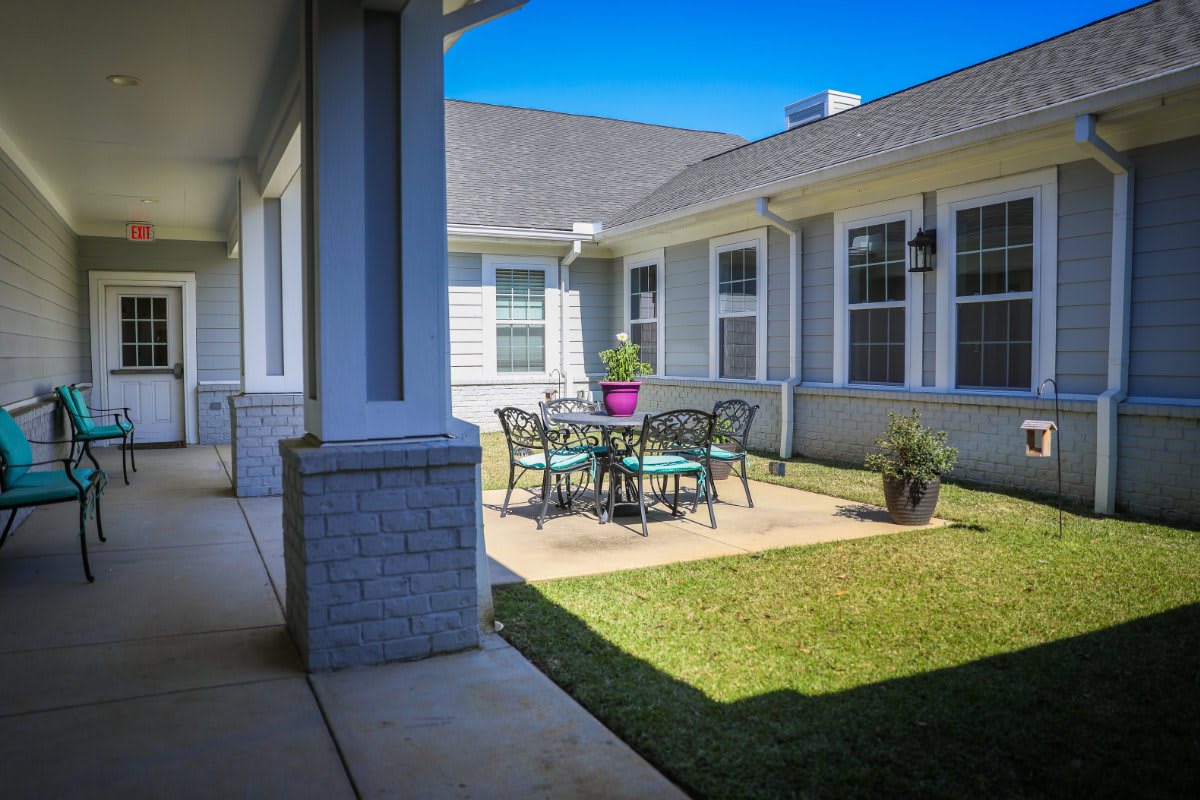
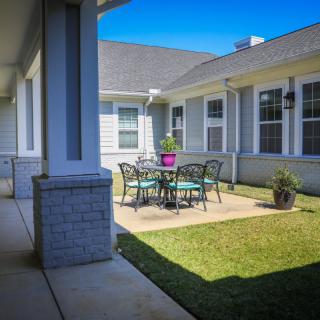
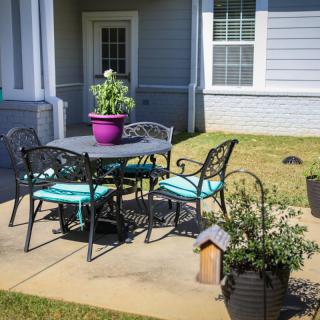
Madison Heights/Kelley Place Memory Care Communities is best suited for families seeking a small, dementia-focused setting that feels like a true home rather than a large campus. With a compact footprint and about 16 residents, the community offers an intimate, hands-on atmosphere where staff can, in theory, know individual residents well and tailor activities to memory-care needs. The strongest fit is for those who value social engagement and visible daily programming in a quiet, small-town environment, where residents are encouraged to participate rather than be left idle. The facility’s emphasis on real-time updates, via Facebook posts and scheduled activities, helps families stay connected and reassured about their loved one’s day-to-day life.
There is a clear case for alternatives for families who prioritize staffing stability, transparent and consistent medical decision-making, and robust, uninterrupted activity programming. Several reviews flag high staff turnover, inconsistent nighttime coverage, and management difficulty in being reachable. Medication changes have at times occurred without family input, and communication can feel reactive rather than proactive. For families with tighter budgets, the perception that costs outpace care quality in some areas may push them to compare other options in the region. Even though the setting is charming, the drawbacks in staffing consistency and operational reliability make alternatives worth considering for those who cannot tolerate variability.
Yet the major positives often offset these challenges, especially for dementia care. The smaller size fosters meaningful caregiver-resident relationships, enabling staff to stay engaged with each resident rather than treating care like a filed-by routine. Reviewers repeatedly note that the facility actually delivers on its memory-care promise: residents are kept socially active, not siloed, and are encouraged to participate in structured programming. When the team is present, communication is strong, and families appreciate the frequent updates, calendars of activities, and opportunities to see loved ones engaged in purposeful routines. In addition, the setting has demonstrated a genuine commitment to specialized dementia care, staff are described as knowledgeable, and the staff’s efforts to get residents out of their rooms pay dividends in mood and participation.
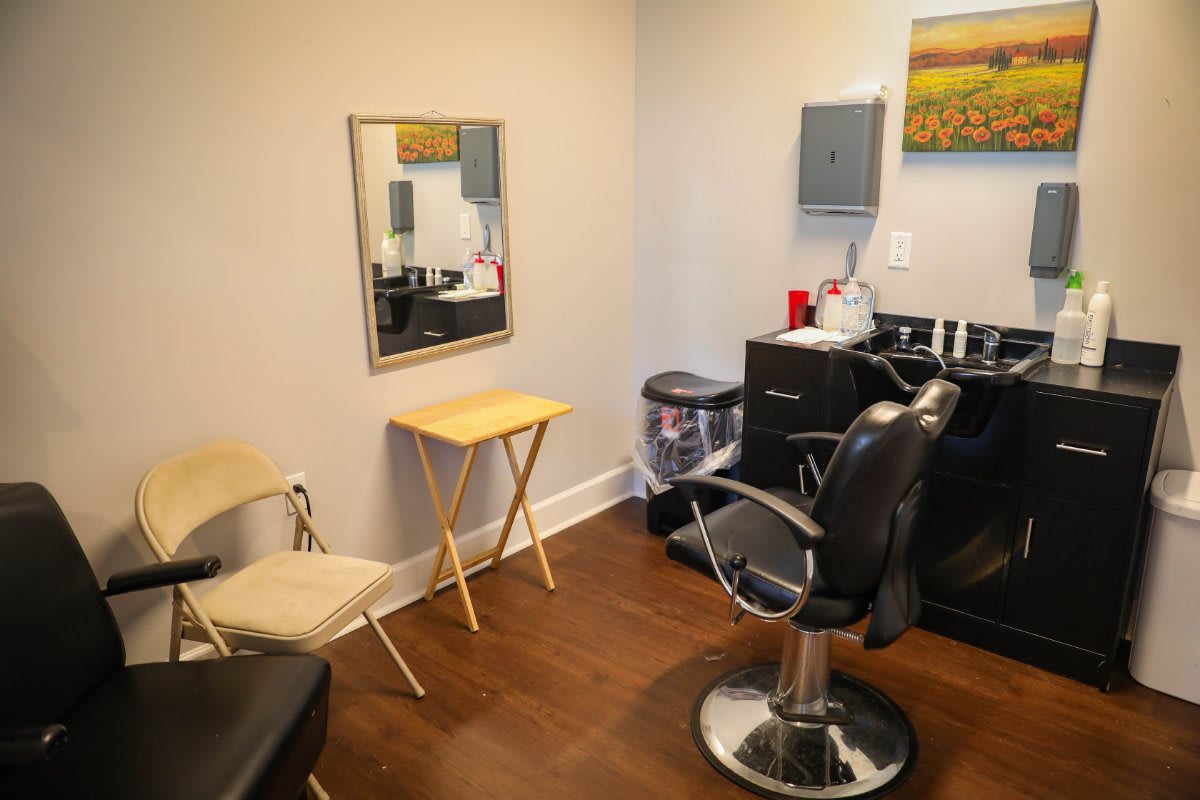
Operational strengths reinforce the perceived quality of memory care. Cleanliness is consistently praised, with residents’ spaces described as well-maintained and free of odors, and the environment is often highlighted as safe and accessible, hand rails and appropriate accommodations are noted. Residents benefit from a rotating schedule of services, including on-site professionals such as podiatrists and hair stylists, and there is a visible effort to replace the activity voids with a refreshed calendar and a newly appointed activities coordinator. The comparative advantage of a smaller, more controllable setting can translate into tighter supervision and quicker recognition of changes in a resident’s condition, which matters deeply in memory care.
The reality is a mix: the care model works best when the community can maintain steady staffing and consistent family communication. The small size and intimate culture are compelling for memory care, but turnover and occasional lapses in communication can erode trust if not promptly addressed. For families evaluating this community, a practical course is to probe current staffing stability, request a clear care plan with named staff responsible for daily updates, and confirm that there is a reliable mechanism for family input on medication changes and behavior management. Tour and talk to multiple families, and ask for concrete examples of how social programs are implemented week to week, not just described in marketing materials. If a resident thrives on structured interaction, predictable routines, and a home-like setting near home, Madison Heights/Kelley Place is a strong contender; if unwavering consistency and cost transparency are non-negotiable, it may be prudent to weigh a few other options before deciding.
 Memory Care
 Activities off-site
 Beautician on-site
 Devotional services off-site
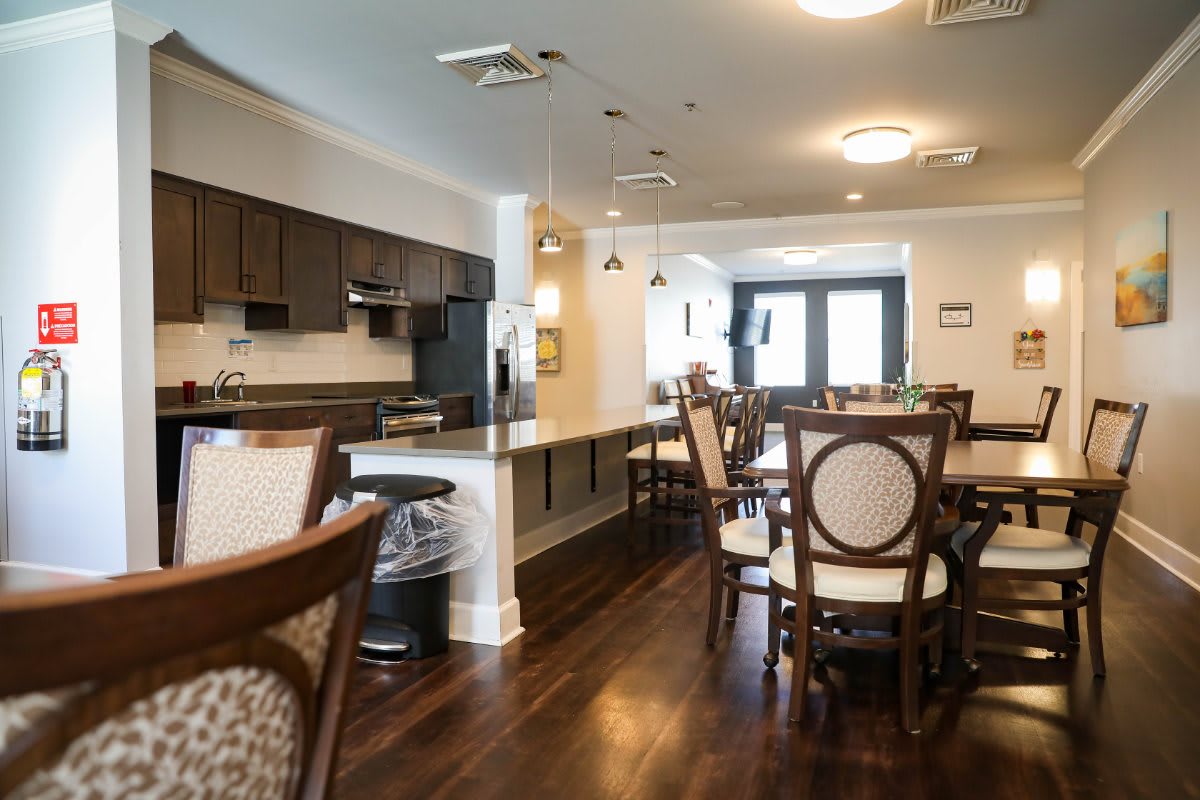
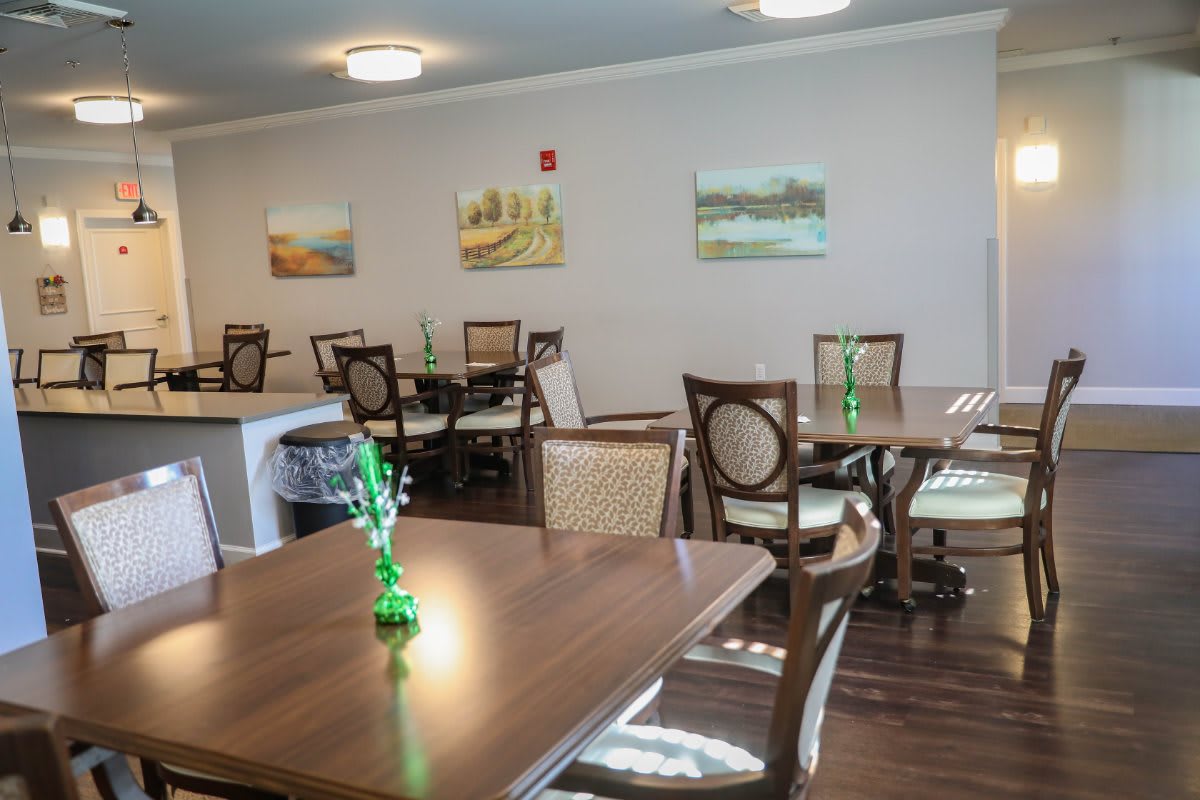
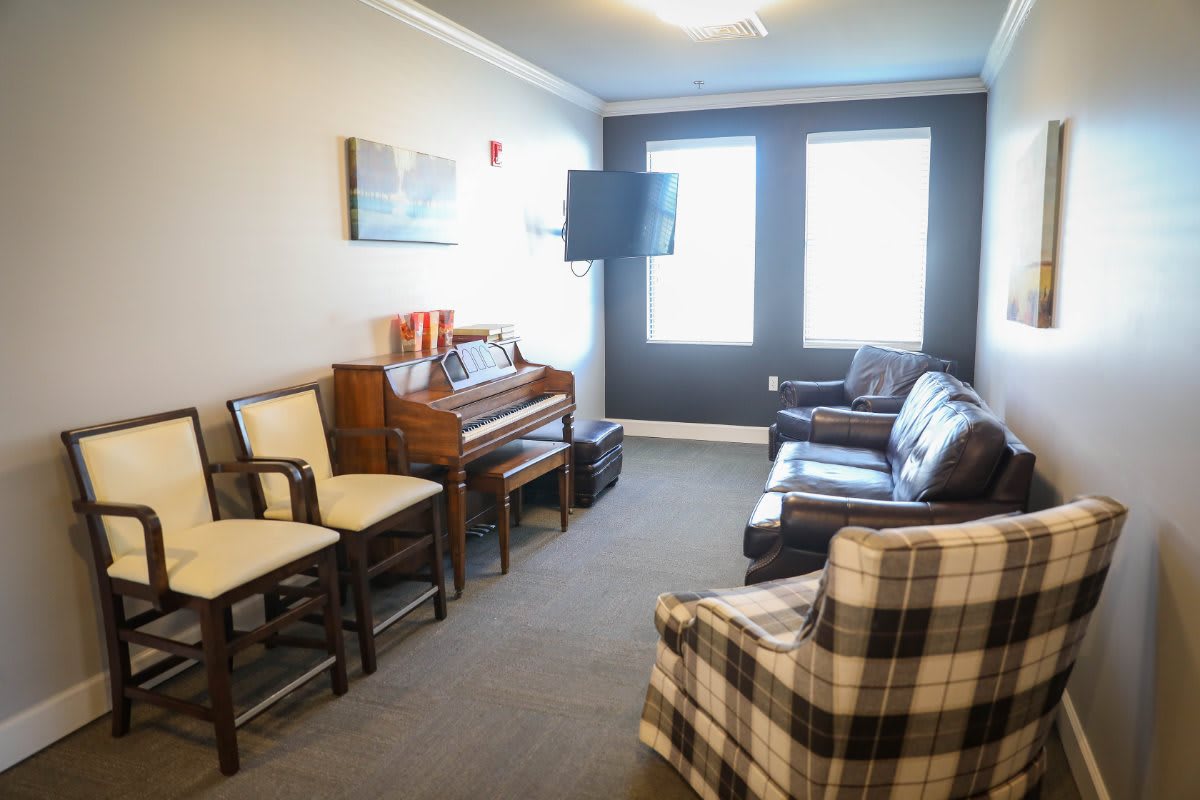
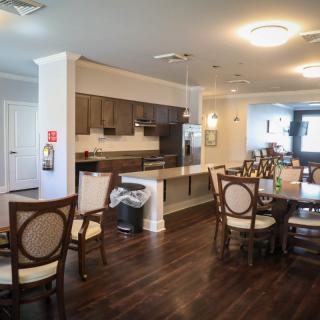
 Indoor common areas
 Private bathrooms
 Respite or short term stays offered
 Wheelchair accessible showers
 Dothan (24 miles away)
 Ambulatory care
 Diabetic care
 High acuity care
 Incontinence care
 Medication management
 Guest meals
 BBQs or picnics
 Birthday parties
 Live dance or theater performances
 Live musical performances
 Visiting chaplain or priest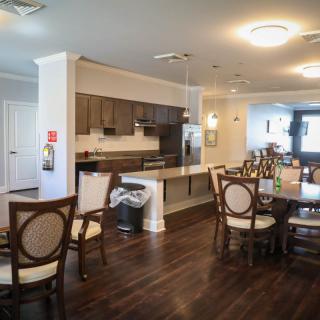




 When to Transition from Assisted Living to Memory Care: Key Indicators, Steps, and Finding the Right Community
 Understanding the Distinctions: Assisted Living and Memory Care Explained
 How to Communicate with a Loved One Living with Dementia: 10 Supportive Strategies