

171 Grimes Rd., Ozark, AL 36360
To contact a resident: (334) 774-0364
For more information about senior living options: (866) 208-4318
Overall Review of Providence Home
Pros
 Dad thrived since becoming a resident there in 2021.
- The staff are amazing.
- The food makes people want to become residents.
- Mrs. Amanda and the whole crew strive to make sure residents feel loved and included.
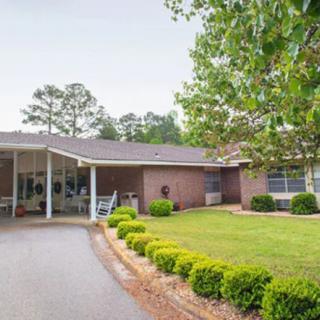
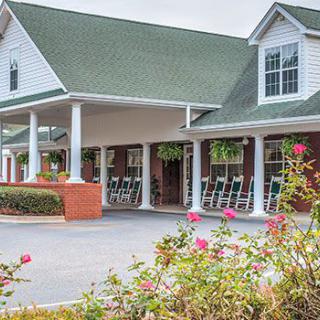
- It is a lovely place.
- The staff are friendly, loving, and caring; the facility is clean and cozy in winter and cool in summer.
- Her grandmother loved it there and loved all the people who stayed there.
Cons
 The grandmother couldn't do things by herself.
- She was getting much worse.
Review
Providence Home in Ozark, AL is best suited for seniors who prize an intimate, home-like atmosphere where staff deliver steady warmth and attentive care. The reviews converge on a simple truth: residents are treated with genuine kindness in a clean, cozy environment that feels comfortable across seasons. The staff is repeatedly described as amazing, with leadership from Mrs. Amanda and her team ensuring residents feel loved and included rather than merely accommodated. The dining experience stands out as well, with meals described as so good they inspire pride in the community. For families seeking emotional security, predictable daily routines, and a sense that aging at Providence Home will feel like being cared for by someone who truly cares, this community delivers.
For seniors with higher medical needs or a requirement for dedicated memory-care programming, Providence Home may not be the first choice. The reviews paint a heartening picture of a warm, homelike setting but do not provide detail on clinical staffing levels, therapy services, or a formal memory-care wing. Families that want concrete information on care plans, medication management, or rapid access to skilled nursing should scrutinize alternatives where those elements are explicit. Likewise, prospective residents who prefer a large campus with an expansive activity calendar, extensive transportation services, or a wider array of on-site amenities may find Providence Home more intimate than ideal. In short, the intensity of medical oversight and programming should be verified for alignment with anticipated needs.
Yet the strongest advantages, exceptional staff, a real sense of belonging, and a genuinely clean, home-like environment, offset potential gaps for many families. The day‑to‑day reliability of compassionate, consistent caregiving translates into strong communication, personalized attention, and a trust that grows with time. The setting’s coziness and seasonal comfort reduce daily stress, contributing to steadier moods and smoother routines. When a senior’s well-being hinges on feeling seen, heard, and valued, these factors tend to matter more than formal bells and whistles. The narrative of a resident “thriving” under a relationship-focused team speaks volumes about the practical impact of the staff culture.
Nutrition and social warmth emerge as distinguishing strengths. The emphasis on meals as a communal, enjoyable experience reinforces connections and counters loneliness, which is often a hidden risk in senior living. The culture described by families, where staff make efforts to know residents’ histories, preferences, and routines, helps residents stay anchored to their identities. Cleanliness and comfort extend beyond aesthetics, shaping a dependable backdrop for daily life and modeling consistent, respectful care. In scenarios where concerns center on isolation, confusion, or anxiety, Providence Home’s caring approach tends to mitigate those worries more effectively than facilities that rely on generic programming to carry residents through the day.
For families navigating choices, practical steps matter. A thorough on-site visit with targeted questions is essential: observe direct interactions between staff and residents; request sample care plans and dietary menus; verify staff-to-resident ratios and the availability of medical oversight; review activity calendars to gauge engagement levels; and confirm pricing, inclusions, and potential long-term costs. Asking for references from current families can illuminate how care evolves as needs change. Clarify the process for care transitions if health status shifts, including how quickly escalation would be managed. The goal is transparent alignment between expectations and lived experience, with a clear sense of how daily life would feel for a particular loved one.
In the end, Providence Home presents a compelling, warm option for seniors who value a tight-knit community, devoted staff, and meaningful everyday satisfaction. It is especially well-suited for residents who flourish in a home‑like setting where meals, relationships, and personal dignity take center stage. For those anticipating complex medical requirements or a need for specialized memory care, however, exploring alternatives with clearly stated clinical capabilities and memory-programs is prudent. With careful, candor-filled conversations and a visit that confirms day-to-day realities, Providence Home can be a practical, trustworthy choice that prioritizes enduring well-being over ostentatious amenities.
 Board and Care Home
 Activities on-site
 Devotional services off-site
 Indoor common areas
 Dothan (15 miles away)
 Ambulatory care
 Diabetic care
 Meals provided




 6 Crucial Ways an Elder Law Attorney Assists Families
 Navigating the Tax Landscape of Caregiving: Credits, Deductions, and Beyond
 Highly Beneficial Low-Impact Exercises for Senior Living Residents