

6302 E 4th Ave, Spokane, WA 99212
To contact a resident: (509) 536-6302
For more information about senior living options: (866) 208-4318
Overall Review of Valley View Congregate Care
Pros
 Amy is an absolute angel.
- She takes care of every resident with understanding, respect, and care.
- Amy shows genuine compassion and dedication in her work.
- She brings warmth and ❤️ to her role.
Review
Valley View Congregate Care in Spokane is best suited for families seeking a small, intimate, home-like assisted living experience where care is delivered with exceptional warmth and personal attention. This community shines for residents who benefit from a high-touch approach: predictable routines, close daily contact with caregiving staff, and a setting where staff know residents by name and remember their preferences. In practice, the environment feels calmer and more human-scaled than larger campuses, which translates into a sense of safety and dignity for seniors who value being treated as individuals rather than as a bed count. The core appeal rests on relationships, not menus of amenities, and that distinction matters for anyone prioritizing consistent, compassionate caregiving.
Those weighing alternatives should consider a few realities. For seniors who require intensive medical oversight, frequent skilled nursing interventions, or a robust slate of on-site therapies and structured programming, a larger community with 24/7 on-site medical staff and a broader activity calendar may be a better fit. Families needing comprehensive memory-care support, or residents who rely on specialized equipment and supervision around the clock, will likely find more options elsewhere. Similarly, if a vibrant social scene, frequent outings, and expansive common spaces are non-negotiables, Valley View’s smaller footprint might feel limiting. In short, the trade-off is intimate care versus scale and breadth of services.
A standout pro, evident in the one resident-focused testimony, is the staff’s character and approach, especially the care provided by Amy, described as an absolute angel who treats every resident with understanding, respect, care, and genuine warmth. This is not a generic compliment; it signals a consistently high standard of emotional intelligence, patience, and dignity in daily interactions. Such a caregiver ethos leaks into every facet of daily life: meals taken with attention to individual preferences, routines that honor comfort and familiarity, and a culture where residents feel heard and valued. When care hinges on relational trust, the impact is measurable in reduced agitation, smoother transitions, and expectations met with compassionate responsiveness. That level of human connection can offset what some might perceive as fewer bells and whistles.
Potential drawbacks naturally accompany a smaller setting. With fewer residents and a leaner staff roster, there can be slower responsiveness during peak moments, limited on-site programming, and a narrower menu of activities or therapies. Families should verify how caregiver coverage works across shifts, what medical support looks like on weekends, and how transportation to appointments or outings is handled. There may also be constraints around privacy or shared spaces simply because the footprint invites a more communal living style. These factors matter most for residents who thrive on a busy social calendar or require frequent, diverse therapeutic services.
Yet the pros have a meaningful way of offsetting these constraints. The concentrated, person-centered care model fosters continuity and predictability, elements that reduce stress for residents and their families. When caregivers know a resident’s idiosyncrasies, favorite foods, and alarmingly honest small-talk topics, daily life becomes smoother, safer, and more emotionally satisfying. The home-like atmosphere mitigates anxiety around transitions and medical chatter, while consistent staffing encourages trust and a sense of belonging. For families prioritizing dignity, comfort, and authentic human connection above all else, Valley View presents a compelling return on investment in quality of life.
Decision-makers should approach this option with purposeful scrutiny and a clear care map. If the priority is a nurturing, staff-centered environment where one or two standout caregivers can make a world of difference, Valley View Congrega te Care is highly compelling. If instead the need is for aggressive medical oversight, a bustling activity calendar, or memory-care specialization, alternatives with larger teams and broader service lineups deserve serious consideration. The decisive factor will be the match between the resident’s daily rhythm and the staff’s relational strengths, embodied by Amy’s care, and a transparent plan for meeting ongoing medical or mobility needs as they evolve.
 Independent Living
 Spokane International (10 miles away)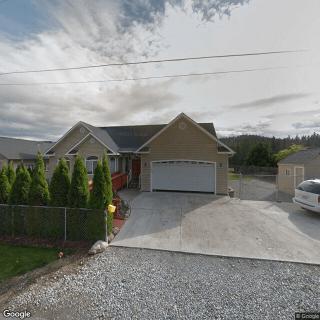


 Senior Move Management: Understanding the Role, Value, and Associated Costs
 Weight Training for Seniors: Building Strength and Vitality
 Understanding the Sandwich Generation: Stress and Responsibilities for Multigenerational Caregivers