
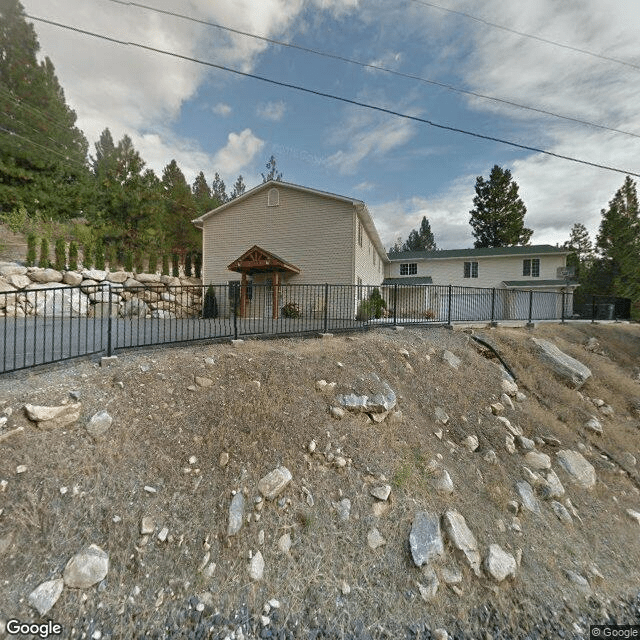
1307 S Center, Spokane, WA 99212
To contact a resident: (509) 844-2591
For more information about senior living options: (866) 208-4318
At Highly Favored One Adult Family Home Costs & Pricing
At Highly Favored One Adult Family Home, the monthly costs for room accommodations are set at $3,500 for both studio and private rooms. This pricing is notably competitive when compared to the averages in Spokane County and the broader Washington state. Specifically, studio accommodations in Spokane County average $3,609, while private rooms typically cost around $4,111. When looking at state averages, studios rise to $4,126 and private rooms reach approximately $4,772. These figures highlight At Highly Favored One Adult Family Home as a financially appealing option for potential residents seeking quality adult family care without straining their budgets.
| Floor plans | At Highly Favored One Adult Family Home | Spokane County | Washington |
|---|---|---|---|
| Studio | $3,500 | $3,609 | $4,128 |
| Private | $3,500 | $4,111 | $4,774 |
Memory care communities with a similar price nearby
-
from -$500 / mo

Wellspring Meadows Assisted Living
$3,000 / month24.9 miles away -
About the same
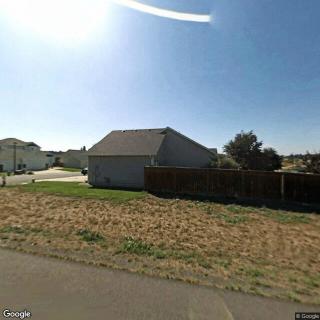
Mary Ann's Home Care
$3,500 to $4,000 / month9.7 miles away -
About the same
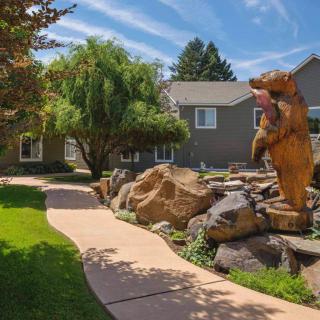
Generations Assisted Living
$3,570 / month22.5 miles away -
from +$500 / mo
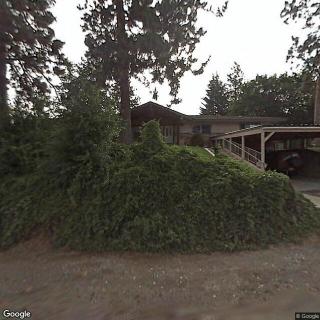
Candlelight Home, Inc.
$4,000 to $5,000 / month2.5 miles away -
from -$216 / mo
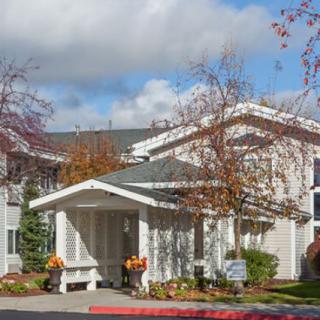
Ridgeview Place
$3,284 to $4,864 / month3.8 miles away
Overall Review of At Highly Favored One Adult Family Home
Pros
 It is described as absolutely the best adult family home.
- It is a pleasant place.
- The great room and kitchen/dining area are very clean.
- A resident said the food was good and they loved it there.
Cons
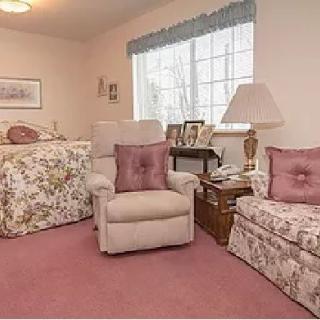
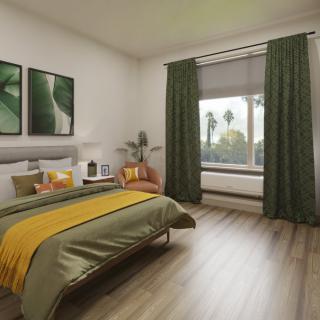
 Rooms for residents are extremely small.
- The girl is not very smart.
- The girl did not smile.
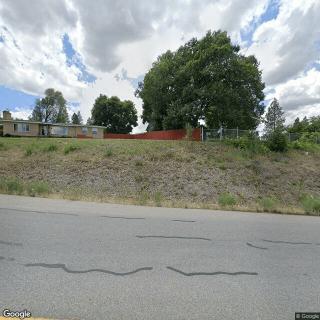
- Parking is limited on a steep hill.
- They need to supply a bed and all chairs, baths, and a regular dresser if they want to have them.
Review
This Spokane community is best suited for seniors who want a small, home-like adult family home experience and can live comfortably with very compact living spaces. It fits residents who prize cleanliness, straightforward daily routines, and a close-knit, low-key atmosphere where a single, quiet footprint of care feels personal rather than institutional. For families seeking a warm, uncomplicated setting with dependable housekeeping and homestyle meals, this option stands out as a practical fit.
Those who should consider alternatives include families needing larger private rooms, more abundant common space, or easier accessibility for visitors and mobility aides. The steep hill and limited parking will complicate drop-offs and daytime visits, especially for guests with transportation challenges. If memory care, extensive medical supervision, or expansive activity programming are priorities, this particular home may feel undersized. Additionally, the furniture policy, requiring residents to supply a bed, chairs, bath items, and a dresser, adds upfront planning and cost that could be a barrier for some.
On the plus side, the strongest takeaways are the consistently pleasant feel of the place and a high standard of cleanliness. The rooms may be small, but the shared spaces are described as tidy and functional, with a kitchen/dining area that is compact yet well kept. Food receives favorable commentary, and residents express genuine satisfaction with what’s served, which matters greatly for daily comfort in a smaller setting. These positives combine to create a simple, dependable routine that many families look for when a truly homelike alternative to a hospital-style environment is desired.
The primary drawbacks, extremely small bedrooms, restricted parking on a steep entry terrain, and the need to provide essential furniture, are substantive. Small rooms can limit storage, privacy, and the sense of personal space that matters to many residents and families. Parking constraints complicate visits and emergencies, and the furniture policy shifts the initial moving process from turnkey to DIY, which can delay or complicate transitions. These are not minor inconveniences; they shape day-to-day usability and long-term comfort.
When the pros align with the family’s priorities, the advantages can meaningfully offset the cons in a targeted way. The intimate, clean, homey environment plus reliable meals support dignity, routine, and daily satisfaction without the intensity of a larger community. For seniors who value a calm atmosphere and closer caregiver contact, the compact footprint can translate into quicker response times and a lower-stress living experience. Yet for households that equate space with freedom, social variety, and ease of guest visits, these factors stay a real trade-off that deserves careful weighing.
Decision guidance: this community is a good match for those who prioritize a warm, uncomplicated, home-like setting over expansive space or hospital-grade amenities. Alternatives should be on the radar for families who need more spacious rooms, easier parking, or more comprehensive programming. Prospective movers should schedule a visit with a focused checklist: verify actual room dimensions, understand the furniture policy in detail, confirm parking options and walkability from the street, and ask about daily care offerings and staff responsiveness. With clear expectations about space, furnishings, and access, the choice becomes straightforward: this home serves a niche audience well, but is not the right fit for everyone.
 Board and Care Home
 Memory Care
 Activities off-site
 Bath tubs
 Beautician on-site
 Devotional services on-site
 Indoor common areas
 Outdoor common areas
 Private
 Respite or short term stays offered
 Wheelchair accessible showers
 Spokane International (11 miles away)
 Ambulatory care
 Diabetic care
 High acuity care
 Incontinence care
 Medication management
 Kosher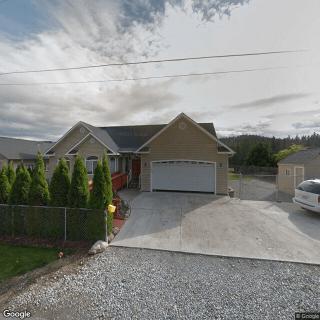

 Understanding Dementia Through Its Seven Stages: A Comprehensive Look at Progression and Expectations
 Safeguarding Your Memory Through the Golden Years: Eight Ways to Preserve Cognitive Health
 Comprehensive Insights into Activities of Daily Living (ADLs) and Their Assessment