
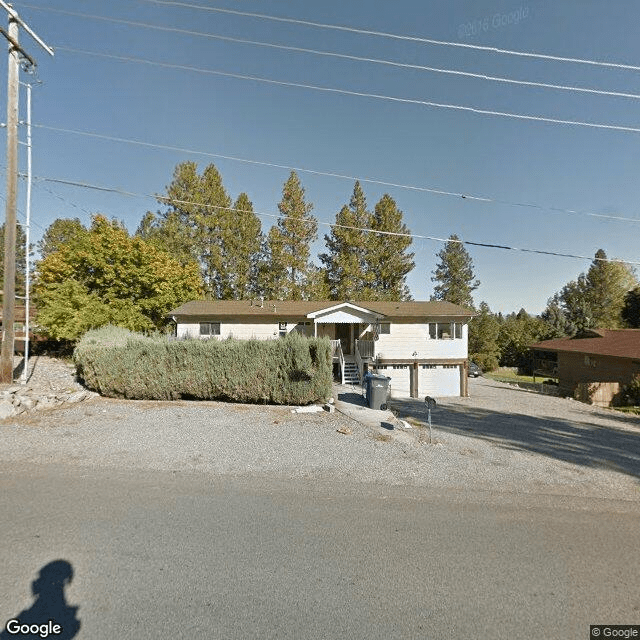
5517 E 16th Ave, Spokane, WA 99212
To contact a resident: (509) 532-8055
For more information about senior living options: (866) 208-4318
Overall Review of Alla's Elder Care Home
Pros
 The Allens go beyond expectations to make loved ones part of their family with a loving, compassionate, joyful, Christian-based home life.
- They quickly become an extension of the family and love residents as much as they do.
- There’s truly no better adult family home.
- They provide a loving Christian home with compassionate staff and a homey feel.
- They offer nutritious meals and great care for loved ones.
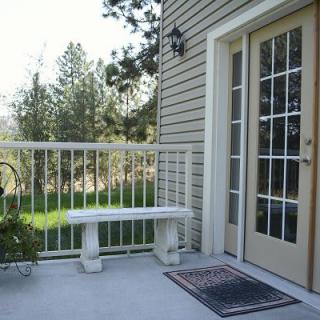
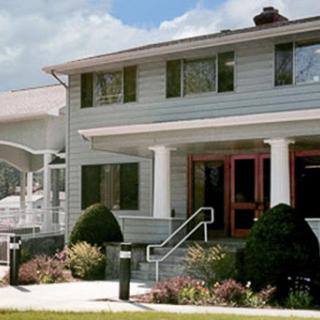
- The home sits in a very nice and peaceful neighborhood.
- The home is highly recommended for caring for aging loved ones.
- Loved ones are treated like family and receive the best loving care.
Cons
 The reviewer describes placing a family member in a care facility as terrifying and heartbreaking.
- Another reviewer reveals that they have not yet had the nerve to call.
Review
Alla's Elder Care Home in Spokane is best suited for families seeking a small, home-like, Christian-based caregiving environment for an elderly loved one who thrives on personal attention and a steady, affectionate daily rhythm. The home operates as an extended family rather than an institution, with caregivers who project warmth, patience, and a shared sense of faith into daily routines. For loved ones facing early-to-mid-stage dementia, the setting offers a gentle, familiar culture where residents are spoken to with respect, included in decisions, and welcomed into family-style interactions. The combination of a peaceful neighborhood, nutritious meals, and a focus on meaningful connection makes this option particularly appealing to families who want a soft, humane transition from independent living to assisted support.
However, this is not the right match for every situation. Families requiring high-level medical oversight, sophisticated clinical equipment, or secular, highly structured programming may find the setting too intimate or under-resourced. The Christian-based philosophy, while a strength for many, may not align with every resident's beliefs or family values. Those needing 24/7 professional nursing on-site, frequent hospital-grade monitoring, or a broader array of social and cognitive-stimulation activities might want to compare with larger facilities that can provide more extensive services and a wider schedule.
Pros consistently center on the unmistakable warmth and family feeling. Caregivers are described as loving, compassionate and deeply devoted, turning the home into an extension of the family. Residents benefit from attentive, individualized care that treats dementia with patience and humanity, rather than detachment. Nutritious meals, a calm, homey atmosphere, and a peaceful, safe neighborhood contribute to overall well-being. The lived experience is not about clinical efficiency but about dignity, belonging, and everyday kindness, qualities that help both residents and families sleep at night.
Yet potential drawbacks require consideration. The small, residential format may limit staffing depth and the breadth of services available at any given moment. With a tightly knit routine, opportunities for a wider social calendar or more specialized therapies may be less frequent than in larger communities. For families seeking secular programming, diverse activities, or detailed care plans across multiple specialties, the setting could feel narrow. In short, it trades the breadth of a campus for the depth of a trusted, home-centered relationship.
Still, the strongest advantages tend to offset these tradeoffs. The emotional security of a familiar caregiver team and the sense that care is a mutual commitment between family and staff can outweigh the desire for hospital-like amenities. For dementia care, the advantage of a constant, compassionate presence, where staff know the resident’s preferences, history, and triggers, often leads to calmer days, fewer episodes, and stronger continuity of care. The peaceful neighborhood and consistent routines reduce anxiety, while nutritious meals reinforce overall health. For families prioritizing belonging, faith-informed care, and a non-institutional atmosphere, these benefits can be decisive.
For families evaluating Alla's Elder Care Home, a direct visit is essential. Ask about staff-to-resident ratios, daily schedules, dementia-specific strategies, safety measures, and how meals are planned and served. Inquire about how religious or spiritual activities are integrated into daily life and whether family involvement is encouraged. Compare with other options that offer greater medical depth or secular activity calendars to ensure alignment with the loved one's medical needs, beliefs, and personal preferences. When alignment exists, this setting offers a uniquely comforting path from independent living to assisted support, with a trusted family-like confidant in the caretaking team.
 Board and Care Home
 Spokane International (10 miles away)



 Understanding Hospice Care at Home: Comprehensive Services, Key Benefits, and Eligibility
 Understanding the Full Cost of 24/7 In-Home Care: A Detailed Overview
 Exploring the World of Home Health Nurses: Qualifications, Roles, and Hiring Tips