
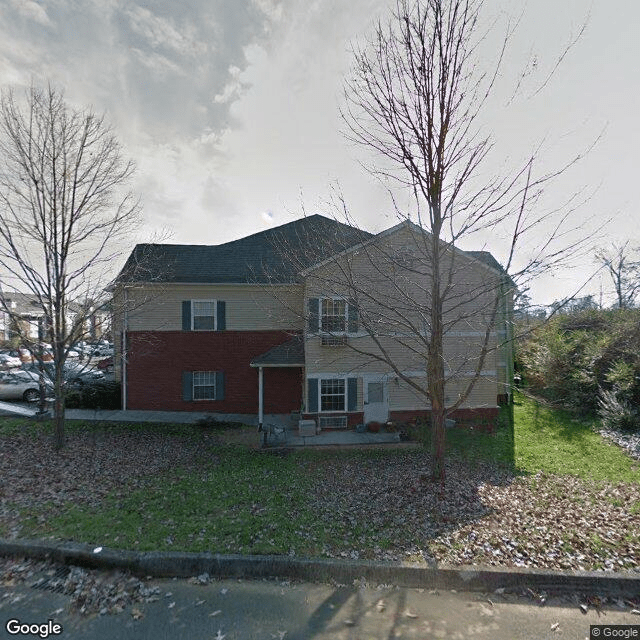
3030 Holbrook Dr, Knoxville, TN 37918
To contact a resident: (865) 687-0033
For more information about senior living options: (866) 208-4318
Parkview Independent Living Costs & Pricing
Parkview Independent Living offers competitive pricing for its residents, with monthly costs that are significantly lower than both the county and state averages. For example, a studio apartment at Parkview is priced at $1,300, which is considerably more affordable compared to Knox County's average of $3,019 and the state average of $3,485. Similarly, one-bedroom units are available for $2,000 at Parkview, while Knox County residents typically pay around $2,995 and Tennessee averages reach $3,592. The two-bedroom options also reflect this trend; at Parkview, residents can enjoy a space for $3,000 compared to Knox County's higher cost of $3,904 and the state's average of $3,962. Overall, choosing Parkview Independent Living not only provides a welcoming community but also significant savings in living expenses.
| Floor plans | Parkview Independent Living | Knox County | Tennessee |
|---|---|---|---|
| Studio | $1,300 | $3,019 | $3,485 |
| 1 Bedroom | $2,000 | $2,995 | $3,592 |
| 2 Bedrooms | $3,000 | $3,904 | $3,962 |
Independent Living communities with a similar price nearby
-
from +$200 / mo
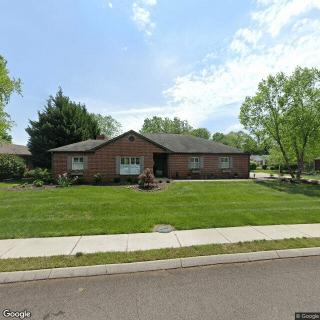
Shannondale of Knoxville
$1,500 to $1,521 / month9.0 miles away -
from -$105 / mo
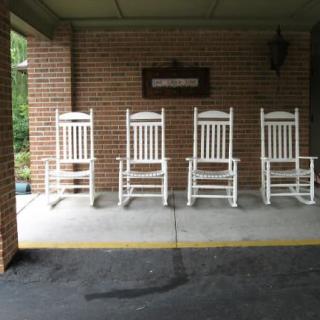
Mountainbrook Assisted Living LLC
$1,195 to $4,995 / month24.1 miles away
Overall Review of Parkview Independent Living
Pros
 The facility is nice.
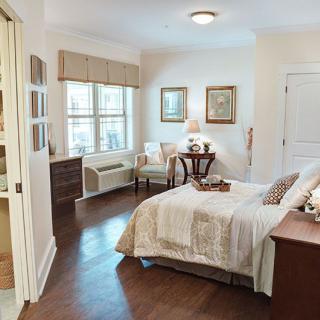
- The apartments are large enough.
Cons
 The food leaves a lot to be desired.
- They don't have enough activities.
- There is a large turnover in management as well as in kitchen, housekeeping, and server staff.
- They may need to review salaries and benefits.
Review
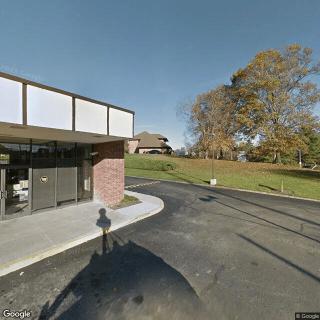
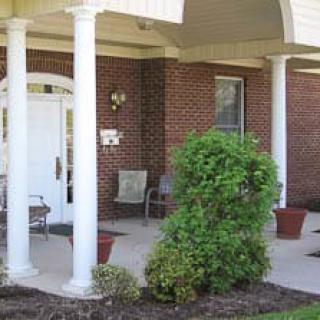
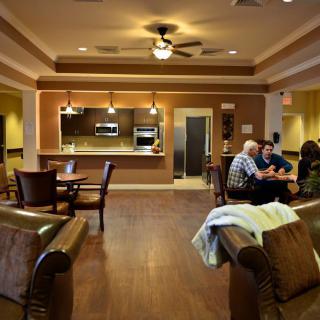
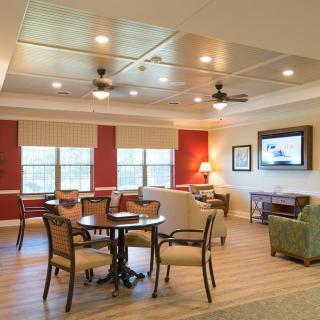
Parkview Independent Living in Knoxville is best suited for seniors who prize a bright, well-kept environment and want spacious, apartment-style living while remaining independent. The facility presents well on appearance and amenities, with ample square footage in living spaces and a clean, welcoming common area feel. For residents who are comfortable shaping their own social lives outside the community’s organized offerings, Parkview can function as a solid base of operation, a comfortable, low-maintenance home base that does not demand heavy daily assistance.
That said, there are specific reasons families may want to consider alternatives. The most pointed red flags are a limited activity calendar and meals that do not meet expectations for a community living environment. For seniors who view daily engagement, social programming, and reliably satisfying dining as non-negotiables, Parkview’s current menu and activity offerings may fall short. In addition, there is a notable pattern of turnover among management and front-line staff, including kitchen and service personnel. Those factors can translate into uneven service, shifts in routine, and a sense of instability over time.
The core advantages, a pleasant, roomy setting and decent overall upkeep, do offer real value, but they do not fully offset the downsides. The sizable apartments and clean surroundings help independent residents feel comfortable and functional without constant supervision. However, when meals are perceived as a repeated area of dissatisfaction and the activity calendar isn’t robust enough to spark regular engagement, the quality of daily life can feel inconsistent. In practice, the space and environment carry weight for those who can navigate a lean programming slate, yet the detriments in dining and programming tend to erode enthusiasm for long-term residency.
Staff turnover compounds the impact of the cons. Management changes alongside frequent shifts in the kitchen, housekeeping, and serving staff often lead to fluctuating service standards and evolving routines. Residents may encounter different wait staff, varying meal prep quality, and inconsistent communication about events or policy changes. For families, this translates into a community that can feel less cohesive and more transactional, with the comfort of known faces and established rhythms gradually fraying. The salary and benefits angle mentioned informally in feedback suggests a root cause for some of this turnover, and without stabilized compensation practices, durability of great customer experience remains uncertain.
From a value standpoint, Parkview positions itself as a solid choice only for a subset of independent-minded seniors. If the beloved parent or partner places high priority on culinary excellence and a lively, dependable activity calendar, alternatives deserve serious consideration. Sherrill Hills, referenced by a resident as a later move for their loved one, exemplifies the kind of continuity and programming depth that may better fit those expectations. Prospective residents should compare menu quality, activity schedules, and reported staff consistency across communities and weigh those against the comfort of large living spaces. For families budgeting care, the differential between Parkview’s peaceful setting and a more active program elsewhere should drive decisive conversations.
In the end, Parkview Independent Living serves a clear subset: residents who value a generous apartment, a tidy, pleasant environment, and independence with modest needs for daily programming. For others, especially those who insist on consistently high-caliber meals, a rich and varied activity calendar, and steady, long-tenured staff, alternatives will likely deliver a more satisfying daily experience. The recommended next steps are practical and concrete: arrange a visit to gauge meal quality and kitchen responsiveness, review a current activity calendar, and speak directly with several residents about day-to-day rhythms. Request a tour during mealtime to sample the dining experience, ask about staff tenure and management stability, and compare that data with nearby communities such as Sherrill Hills and others in Knoxville. The goal is a decision grounded in daily quality of life, not just attractive walls and spacious floorplans.
 Independent Living
 Cats allowed
 Dogs allowed
 McGhee-Tyson (16 miles away)



 Recognizing the Journey: Understanding and Navigating Anticipatory Grief
 Encouraging Participation in Adult Day Care: A Guide to Supporting a Hesitant Parent
 Comprehensive Exploration of Living Wills and Other Advance Directives