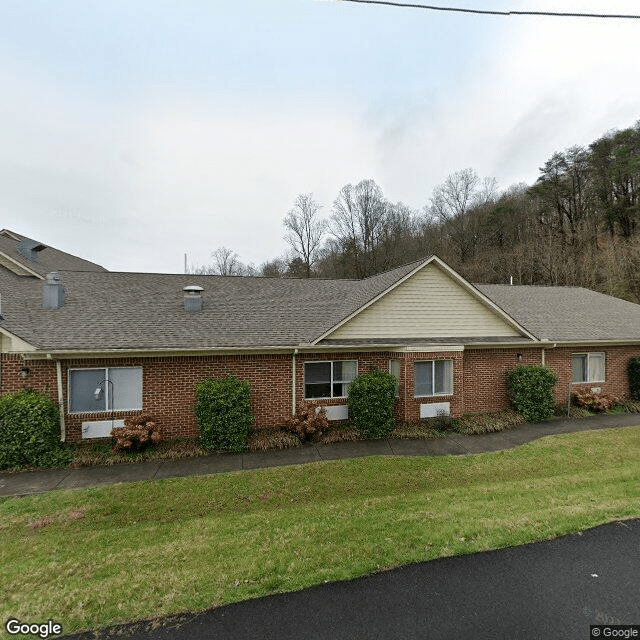
144 Felix Rd, Knoxville, TN 37918
To contact a resident: (865) 688-3800
For more information about senior living options: (866) 208-4318
Heritage Assisted Living Fountain City Knoxville TN Costs & Pricing
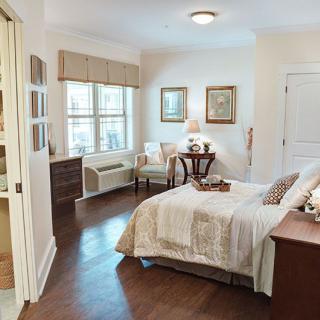
Heritage Assisted Living Fountain City in Knoxville, TN, offers competitive pricing for its residents compared to the broader costs within Knox County and the state. For semi-private rooms, residents pay $1,810 per month, significantly lower than the county average of $2,932 and the state average of $3,162. The studio apartments are available at $2,360 per month, again offering a more affordable option than both Knox County's average of $3,019 and Tennessee's statewide figure of $3,485. For those looking for a one-bedroom unit, Heritage charges $2,595 monthly - a cost that remains below the county's average of $2,995 and well below the state's average of $3,592. These rates highlight Heritage Assisted Living's commitment to providing quality care at accessible prices within the local market.
| Floor plans | Heritage Assisted Living Fountain City Knoxville TN | Knox County | Tennessee |
|---|---|---|---|
| Semi-Private | $1,810 | $2,932 | $3,162 |
| Studio | $2,360 | $3,019 | $3,485 |
| 1 Bedroom | $2,595 | $2,995 | $3,592 |
Assisted Living communities with a similar price nearby
-
from +$265 / mo
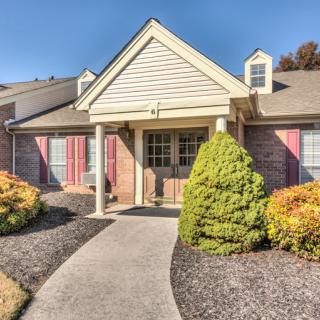
Williamsburg Villas
$2,075 to $2,925 / month9.5 miles away -
from +$285 / mo
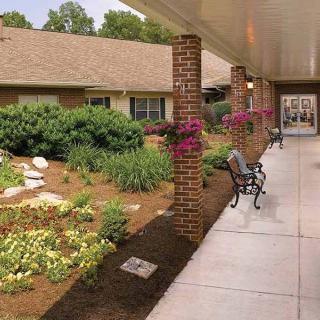
Atria Weston Place
$2,095 to $4,495 / month8.2 miles away -
from -$310 / mo
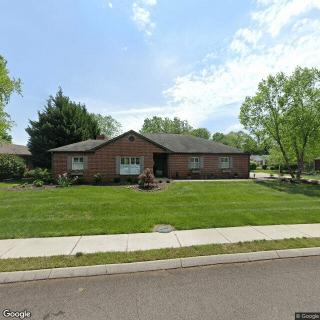
Shannondale of Knoxville
$1,500 to $1,521 / month8.9 miles away -
from +$90 / mo

Heritage Assisted Living West Knoxville TN
$1,900 to $2,500 / month12.2 miles away -
from +$190 / mo
Renaissance Terrace
$2,000 / month3.3 miles away
Overall Review of Heritage Assisted Living Fountain City Knoxville TN
Pros
 Heritage Assisted Living is described as a very nice place with great staff.
- The staff are caring, attentive, and become close to the residents.
- Families feel their loved ones are well cared for and loved at Heritage.
- The care provided is peaceful and comfortable, especially for end-of-life moments.
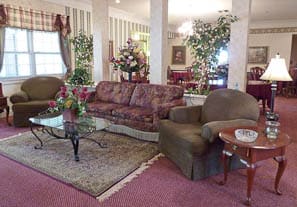
- The facility is beautiful, and the staff are wonderful.
- Meals are provided family-style and the value for money is excellent.
- The staff are friendly, helpful, and well-run.
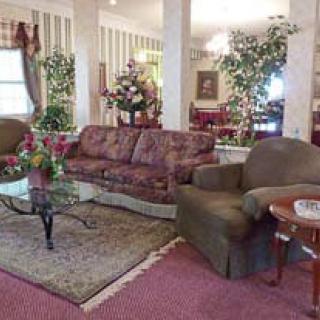
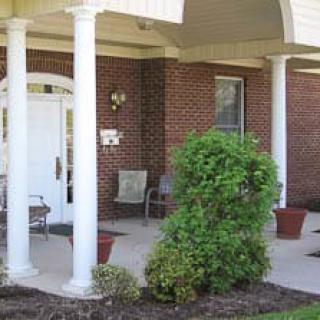
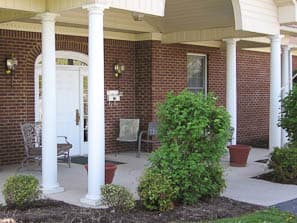
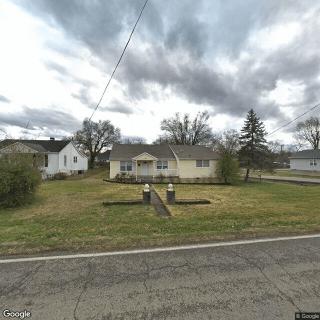
- The outdoor spaces are attractive with flowers and comfortable seating.
- Heritage offers activities like bingo and day trips, creating a welcoming environment for families.
Cons
 The care quality was not as good as expected given the price.
- There were days when residents received wrong doses of medicine.
- There were times when staff told a resident there wasn’t enough food for him to eat.
- There were complaints about the meals being served to residents.
- The facility was understaffed.
- It did not have clinical staff, which was a shortcoming.
Review
Heritage Assisted Living Fountain City is best suited for families seeking a warm, neighborly, value-driven environment where staff relationships feel personal and genuine. It excels for seniors who want a home-like setting with family-style dining, frequent staff interactions, and an active social rhythm without paying a premium for clinical sophistication. The right resident is someone who benefits from attentive, compassionate support for daily living and enjoys a calm, comfortable campus with pleasant outdoor spaces. It is not the pick for those who require constant, on-site nursing supervision, advanced medical oversight, or memory-care programming that is highly structured and specialized.
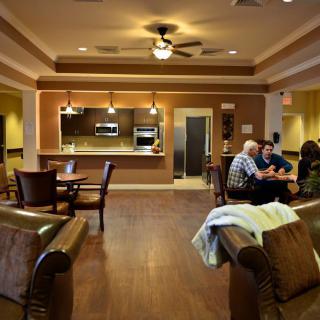
The most compelling strengths lie in the heart of the operation: the people who work there. Reviews repeatedly highlight a caring, capable staff, including references to “the best staff ever” and a leadership presence that keeps the community running smoothly. Families consistently praise how staff provide affection, patience, and practical support, with many residents forming close relationships that feel more like a family than a facility. Meals are described as generous, with a home-cooked, family-style approach that reinforces a comforting, inclusive vibe. The campus itself, clean, well-maintained, and financially transparent, adds to the appeal, and the outdoor grounds offer a serene, accessible place for residents to linger with loved ones.
Yet the evidence does not overlook meaningful drawbacks. The building’s age translates into certain limitations, and there are occasional service gaps that matter to relatives who democratize care. The most acute concerns center on consistency: reports of days with dosing issues or moments when meal portions or menu options did not meet expectations, signaling a need for tighter medication management and food planning. Activity calendars and routine haircuts paused during the pandemic have not uniformly recovered, suggesting a slower rebound in programming and restorative services. The facility relies on caregivers rather than on-site clinical staff, which can leave certain health needs less directly supervised. A few environmental irritants, such as a frequently loud dog and sidewalk damage, underscore the importance of ongoing maintenance and risk mitigation.
These pros offset the cons in practical, tangible ways. The predictable, all-inclusive pricing removes the fear of escalating monthly bills, which is a meaningful relief for families managing budgets. The intimate size and close-knit staff model foster trust and continuity of care, reducing the anxiety that can accompany transitions. The location and grounds provide real quality of life benefits, easy access to outdoor areas, engaging common spaces, and an environment that supports social interaction without feeling crowded. For many residents, the combination of compassionate staffing, approachable price point, and a welcoming atmosphere makes up for occasional operational hiccups, especially when family involvement and regular visits remain part of the rhythm.
prospective residents who require robust clinical oversight or specialized memory-care programming should consider alternatives. The absence of on-site nursing and formal clinical staffing means advanced medical needs, complex medication regimens, or dementia-specific trajectories may be better served elsewhere. If a family places priority on a bustling activity calendar, regular professional hair and beauty services, or distance to medical facilities where clinical staff are readily available, other communities with stronger rehabilitative services or more intensive supervision may deliver greater peace of mind. Even with a strong staff culture, the facility’s age and occasional care gaps can be a non-starter for those with very high care requirements.
In the end, Heritage Assisted Living Fountain City represents a solid choice for families who value warmth, accessibility, and predictable costs, and who can tolerate occasional inconsistencies in clinical oversight and programming. It is a practical, experienced option for seniors who thrive on interpersonal warmth and a community that feels like home, provided there is alignment on care expectations and a plan to address any future needs for more medical or memory-care support. Prospective buyers should visit with a specific checklist: observe daily caregiving routines, assess medication handling processes, review current activity offerings, and speak candidly with leadership about staffing levels and plans to reintroduce regular services. If those align, Heritage stands out as a pragmatic, reassuring environment that delivers meaningful quality of life without the premium price tag.
 Studio apartments
 Assisted Living
 Activities on-site
 Beautician on-site
 Devotional services off-site
 Garden
 Housekeeping services
 Indoor common areas
 Laundry
 McGhee-Tyson (15 miles away)
 Transportation & parking
 Ambulatory care
 Diabetic care
 Meal preparation and service
 Medication management
 Physical therapy
 English

 How and When Medicaid May Cover Assisted Living Costs
 A Detailed Exploration of Assisted Living Medicaid Waivers Across the United States
 Comprehensive Residential Support and Assisted Living Solutions for Individuals with Disabilities