
1029 West Parkway Avenue, Knoxville, TN 37912
For more information about senior living options: (866) 208-4318

The Courtyards Senior Living-Knoxville Costs & Pricing
The Courtyards Senior Living-Knoxville offers a variety of accommodation options with pricing that reflects its commitment to quality senior care. For a semi-private room, residents can expect to pay $3,224 per month, which is notably higher than both the average cost in Knox County at $2,932 and the state average in Tennessee of $3,162. The studio option is priced at $4,000 monthly, significantly surpassing the county's average of $3,019 and the state average of $3,485. This pricing structure suggests that while The Courtyards may command higher rates than local and state averages, it likely provides enhanced amenities and services that cater to the needs of its residents.
| Floor plans | The Courtyards Senior Living-Knoxville | Knox County | Tennessee |
|---|---|---|---|
| Semi-Private | $3,224 | $2,932 | $3,162 |
| Studio | $4,000 | $3,019 | $3,485 |
Overall Review of The Courtyards Senior Living-Knoxville
Pros
 The food is described as amazing, homecooked, and always fresh and hot, with the staff described as amazing.
- The grandparents had a wonderful experience with very caring staff.
- The virtual tour was helpful and informative, making the reviewer feel comfortable; a deposit was placed and mom would move in soon, which excited them.
- The community exceeds all others in the area, with a clearly evident caring attitude from the staff and strong care services.
- The Courtyards is described as a wonderful, warm, and caring place where staff treat residents like family, and the director is the best.
- The end-of-life program is well-liked, and the facility is sanitary with friendly, helpful staff; it is considered a great option.
- The Courtyard Garden exudes warmth and love, with staff making it feel like home and keeping families informed; it is a small, family-like community.
- Daily activities and monthly Resident of the Month celebrations demonstrate a caring, engaged community, and the reviewer could not ask for better, more caring hands for their mom.
Cons
 The staff's scary attitude is very evident.
- He found it too formal and too cold.
- There isn’t a large outdoor area, and it may not be completely secure for wandering residents.
- The mother is too far gone to participate in activities.
Review
This community is best suited for families that prize a warm, home-like assisted living experience where residents are treated with genuine care and staff attention feels personal and consistent. The Courtyards Knoxville stands out for its intimate, low‑key environment: a small‑scale setting where caregivers develop real relationships with residents and families. Meals are consistently described as homecooked, fresh, and served hot, reinforcing a sense of daily comfort. For seniors who want to be known by name, have predictable routines, and feel like they are part of a family, this is an especially compelling fit.
That said, there are clear reasons to consider alternatives. Prospective shoppers who crave a larger campus, expansive outdoor spaces, or a busier, more varied activity calendar may be disappointed. The feel at The Courtyards can tilt toward a formal or traditional atmosphere, which some residents find comforting and others find a touch too reserved. A few reviewers also note limited outdoor areas and questions about wandering security, which matters for families with residents who need stronger environmental containment or more outdoor exploration options.
The strongest positives work hard to offset the main drawbacks. The staff’s caring attitude and the sense that residents are treated like family are repeatedly cited as the heart of the community. Families praise the front‑line team for reliability, attentiveness, and clear communication, and the executive leadership is described as capable and genuinely invested in residents’ wellbeing. The small size fosters a close, watchful atmosphere, staff know residents well, respond quickly, and keep families in the loop about health changes. Add in the consistently favorable reports about cuisine, and the overall impression is one of steady, reassuring care.
Yet the limited footprint is not without impact. With a maximum occupancy noted per building and only so much outdoor real estate, options for outdoor recreation and wandering management are understandably constrained. Evening programming can be intimate and well‑intentioned, but participation tends to dip as residents tire; staff makes a solid effort to include everyone, yet the overall resonance of activities may feel softer than at larger campuses. A practical evaluator should weigh whether a smaller, more personal rhythm suits the resident’s pace and the family’s need for constant activity opportunities and expansive space.
In weighing the decision, the essential trade is clear: warmth and stability versus scale and breadth. If the priority is a nurturing, homey atmosphere, dependable staff, and genuinely delectable meals, the pros substantially outweigh the cons. The Courtyards Knoxville delivers consistency, meaningful staff‑resident bonds, and a sense of belonging that can dramatically improve quality of life for the right person. If, however, a resident requires a busier social calendar, extensive outdoor amenities, or a campus‑style bustle, alternatives may deliver a better rhythm and security profile.
Practical guidance for families: undertake a multi‑visit evaluation and request time with both the Executive Director and the care team to discuss a tailored plan. Seek concrete evidence of continuity in caregiving, like long-tenured staff, and ask to witness a typical daily routine, including meals and late‑day activities. Assess the outdoor space for suitability based on wandering risk and mobility needs, and discuss security measures in place. If the resident responds positively to the intimate, family‑like vibe and family members value transparent, ongoing communication, this community should be near the top of the shortlist. If not, keep exploring, there are options with broader programming and campuses that may align more closely with those priorities.
 32 resident community capacity
 Assisted Living
 Memory Care
 Activities on-site
 Beautician on-site
 Cable or satellite TV
 Devotional services on-site
 Dining room
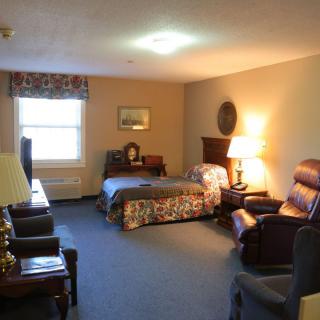
 Fully furnished
 Garden
 Housekeeping services
 Indoor common areas
 Kitchenette
 Move-in coordination
 Outdoor common areas
 Respite or short term stays offered
 Telephone
 Wi-Fi/high-speed internet available
 McGhee-Tyson (15 miles away)
 24-hour call system
 Ambulatory care
 Assistance with bathing
 Assistance with dressing
 Assistance with transfers
 Diabetes diet
 Diabetic care
 Incontinence care
 Meal preparation and service
 Medication management
 Mental wellness program
 Special dietary restrictions
 Transportation arrangement (medical)
 Transportation to doctors appointments
 Art classes
 Brain fitness
 Cooking classes
 Day trips and outings
 Educational speakers / life long learning
 Forever fit
 Live well programs
 Trivia games
 Wii bowling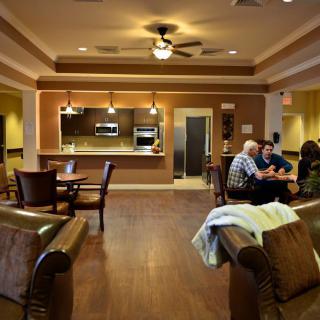



 Understanding Dementia Behaviors: Practical Insights and Strategies for Caregivers
 When Dementia Sparks Anger and Aggression: Understanding the Connection and Ways to Cope
 Dementia Behaviors: In-Depth Understanding and Effective Coping Strategies