
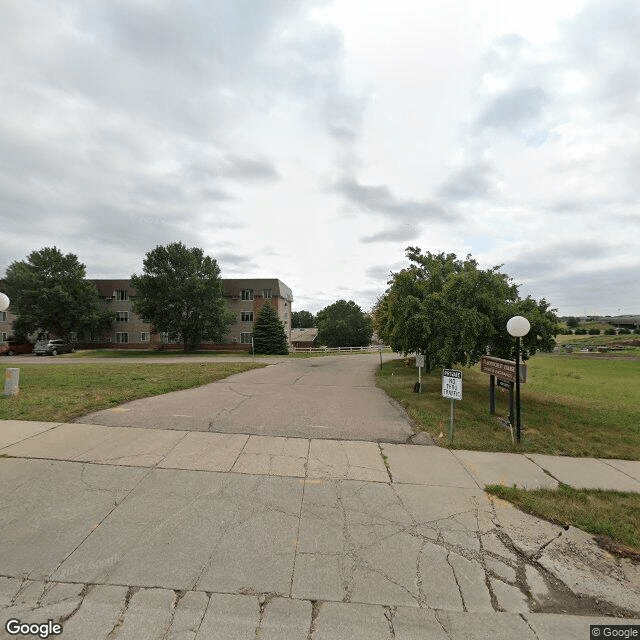
3900 S Terry Ave, Sioux Falls, SD 57106
To contact a resident: (605) 361-1422
For more information about senior living options: (866) 208-4318

Sunnycrest Retirement Village Costs & Pricing
Sunnycrest Retirement Village offers competitive pricing for its accommodations when compared to both Minnehaha County and the broader state of South Dakota. For a studio apartment, residents can expect a monthly cost of $2,900, which is significantly lower than the county average of $3,457 and the state average of $3,381. The one-bedroom units at Sunnycrest are priced at $3,800, slightly above Minnehaha County's average of $3,285 but still higher than South Dakota's state average of $3,189. In the two-bedroom category, Sunnycrest's rate of $4,400 exceeds both local and state averages ($3,784 in Minnehaha County and $3,667 statewide). Overall, while Sunnycrest provides a variety of living options that cater to different needs, its pricing demonstrates a thoughtful balance between quality and affordability within the regional market.
| Floor plans | Sunnycrest Retirement Village | Minnehaha County | South Dakota |
|---|---|---|---|
| Studio | $2,900 | $3,457 | $3,381 |
| 1 Bedroom | $3,800 | $3,285 | $3,189 |
| 2 Bedrooms | $4,400 | $3,784 | $3,667 |
Independent Living communities with a similar price nearby
-
About the same
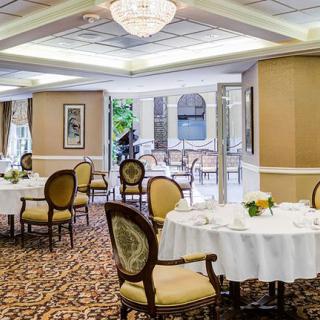
The Inn on Westport
$2,895 to $4,715 / month0.8 miles away -
from +$252 / mo

Dow Rummel Village
$3,152 to $4,660 / month4.0 miles away -
from +$100 / mo
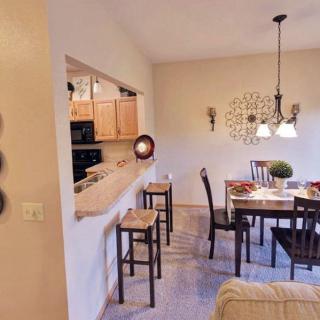
Ponderosa Lodge Senior Living
$3,000 to $3,765 / month2.3 miles away -
from +$126 / mo
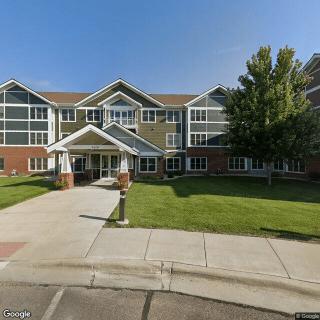
Creekside Apartments
$3,026 to $3,548 / month0.7 miles away -
from +$100 / mo
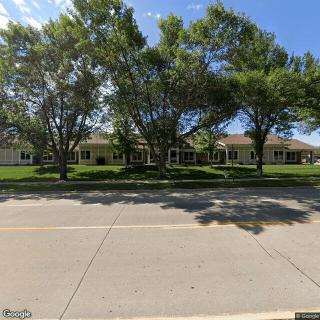
Good Samaritan Society-Sioux Fall Village
$3,000 to $4,000 / month0.4 miles away
Overall Review of Sunnycrest Retirement Village
Pros
 Residents feel at home thanks to welcoming, warm neighbors and a secure building with a heated underground garage.
- The community is very friendly and makes newcomers feel at home.
- It’s dog-friendly with plenty of daily activities and social opportunities.
- The apartments are nice and spacious for the price.
- LVL flooring helps with fall risk and provides safety for residents.
- The staff are helpful and keep the facility well maintained.
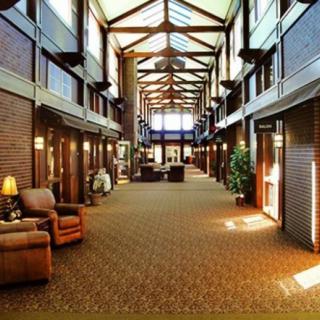
- The grounds and common areas are appealing, with gardens, courtyards, and a nice dining area.
- Units come well-equipped with appliances (refrigerator, microwave, dishwasher, washer/dryer) and offer affordable rents.
- There are 24/7 staff presence and month-to-month leases, offering security and flexibility.
Cons
 They describe a lot of gossip and not many activities for seniors.
- They were bullied by some residents over their puppy.
- They are tired of being there and feel bored, wanting to leave.
- Construction near the back of the building is annoying.
- Parking has become a pain since the new garages were closed, forcing a long walk.
- In independent living, meals aren’t provided and there are few activities or limited exercise facilities.
Review
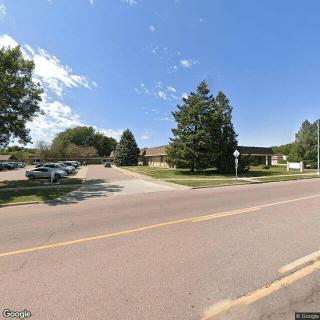
Sunnycrest Retirement Village in Sioux Falls is best suited for independent seniors who want generous, home-like apartments, a pet-friendly environment, and a flexible, month-to-month path into retirement living. The community delivers a welcoming, neighborly feel with a secure building and a heated underground garage that eases winter living. For dog owners, this is especially appealing, as several residents highlight the ease of sharing the space with a four-legged companion. The campus design, multiple wings and buildings, supports a range of lifestyles, from social hubs with ongoing programming to quieter corners where residents can maintain privacy while remaining connected to a supportive community.
Those who should actively consider alternatives are seniors seeking robust, all-day programming across every wing, or households needing comprehensive daily meal service and memory care or other intensive supports. A few residents note limited activities at times and a quieter calendar than expected, which can feel isolating for those who rely on structured engagement. Bullying or gossip among some residents is also a concern in limited pockets of the community, suggesting that prospective tenants evaluate the social climate and the effectiveness of management in preserving a positive atmosphere. For individuals requiring consistent assistance, high-level supervision, or frequent transportation to outside activities, other communities may deliver more predictable support.
From a practical standpoint, the strongest positives anchor decision-making here. Large, well-laid-out apartments, some with in-unit washers and dryers and walk-in showers, provide significant value, especially at the reported price points. The monthly lease arrangement offers flexible transition without long-term lock-in, a meaningful advantage for households weighing timing against selling a home. The “I’m OK” check-in system generates peace of mind for families and residents alike, while the security of a staffed building and 24/7 presence on site reduces anxiety about safety. A heated underground garage and strong grounds maintenance add to the appeal for those prioritizing comfort and convenience, and the new south wing is a tangible upgrade that broadens options for recent movers and those seeking modern finishes.
Yet the conundrum remains: programming is not uniform across the campus. Some wings bustle with daily activities, cards, social events, concerts, chapel services, and group outings, giving residents a built-in social life. Other sections feel more independent-living focused, with meals left to individual kitchens and a reliance on resident-initiated gatherings. Meal provisioning is inconsistent by unit; some residents enjoy Meals on Wheels or a daily noon meal, while others operate entirely with in-residence cooking. Coupled with occasional construction noise or parking shifts, this variability can strain routines for residents who crave stable, predictable daily rhythms.
In practical terms, the strengths align well with those who value flexibility, affordability, and a sense of community rather than a highly prescriptive care model. The secure building, friendly staff, and accessible amenities create a supportive backdrop for aging in place with growing optionality, whether that means engaging more deeply in campus life or simply enjoying the privacy of a spacious apartment. For families weighing options, Sunnycrest offers a compelling package if independence is the core goal and social engagement can flex with individual interests. The next move should be to confirm meal expectations by wing, tour the specific buildings of interest, assess social dynamics in the neighborhoods, and scrutinize parking access and construction plans.
 Independent Living
 Joe Foss (5 miles away)
 Navigating the Tax Landscape of Caregiving: Credits, Deductions, and Beyond
 Highly Beneficial Low-Impact Exercises for Senior Living Residents
 Is In-Home Healthcare Tax Deductible? Your Comprehensive Guide