3901 South Marion Road, Sioux Falls, SD 57106
For more information about senior living options: (866) 208-4318
Overall Review of Good Samaritan Society Sioux Falls Village
Pros
 Excellent establishment with a caring group of individuals striving to provide only the best in retirement care.
- Most of the nurses are great.
- They made many friends and enjoyed the daily coffee time, in addition to the caring staff.
- Praying for all the workers and residents in this wicked Covid 19 time.
- My grandparents lived in the twinhomes and my grandmother had the pleasure of rehabbing in their rehab therapy program at the rehab skilled center.
Cons
 The facility is uncaring.
- There is neglect of residents.
- It is dirty.
- It is understaffed.
- The staff would not let a daughter say goodbye to her grandpa.
- The staff are terrible people and have no compassion.
- The staff harassed visitors for not wearing masks.
Review
Good Samaritan Society Sioux Falls Village is best suited for seniors who want a rehab-friendly assisted living environment with built-in social routines and opportunities to connect with peers, provided that a proactive advocate is nearby to monitor care. The facility can deliver on structured activities, a sense of community, and access to skilled rehab when the care team is functioning at a stable level. It is not, however, a match for those who require consistently high staffing levels, uniform daily attentiveness, and a spotless, consistently compassionate atmosphere across all shifts.
Families should consider alternatives if dependable staffing and a consistently clean, respectful environment are non-negotiables. The most persistent warnings in the feedback center on understaffing, gaps in daily care, and a culture that can feel uncaring or harsh at times. Even when some nurses or aides perform well, the overall experience is uneven, with reports of residents having to push for basic needs and staff who seem disengaged. For those who prioritize predictable, high-quality daily interactions and a consistently warm atmosphere, exploring other options is prudent.
On the upside, a contingent of staff members is described as caring and capable, and the rehab program is highlighted as a meaningful source of progress and social connection for residents who participate. The presence of a rehab-focused track, regular opportunities for social engagement, and moments of genuine staff-resident rapport offer real value for families who can navigate the variability in day-to-day caregiving. A rehabilitative focus can translate into meaningful outcomes when the team is aligned and available, and that potential should be acknowledged in decision-making.
The main cons, understaffing, perceived neglect, cleanliness concerns, and mixed caregiver attitudes, undercut the stronger points. When staffs are stretched thin, residents may not receive timely assistance or consistent attention, and some families report a sense of frustration and disappointment with the level of day-to-day care. A subset of experiences suggests a culture where not every employee shares the same commitment to resident comfort and dignity, and that discord can undermine confidence in choosing this community for long-term living. Taken together, these factors anchor a cautious stamp on the facility’s overall appeal.
Prospective buyers must weigh the rehab and social advantages against the reliability of daily care. If the care plan can be anchored by steady assignment of knowledgeable, engaged staff, with transparent communication and consistent housekeeping, the positives begin to outweigh the negatives. Without that stability, the same advantages risk being overshadowed by complaints about neglect and inconsistent quality. The decisive question becomes whether enough of the caregiving team can be counted on to deliver prompt, respectful assistance, crisp cleanliness, and genuine compassion on a regular basis.
In the end, the decision rests on priorities and risk tolerance. For families prioritizing visible rehab progress, social vitality, and an environment that can feel like home when well-staffed, Good Samaritan Society Sioux Falls Village remains a viable option, but only if recent staffing patterns and housekeeping standards can be verified as solid through a direct tour, conversations with administrators, and a candid review of current caregiver assignments. For those who cannot accept recurring concerns about understaffing or uneven care, it is wise to compare alternatives where staffing stability and a consistently nurturing culture are documented strengths. A structured trial period, detailed caregiver-to-resident ratios, and written assurances about response times should precede any long-term commitment.
 177 resident community capacity
 Skilled Nursing Facility
 Air-conditioning
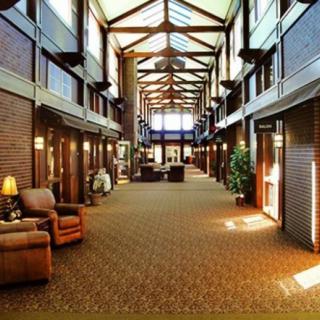
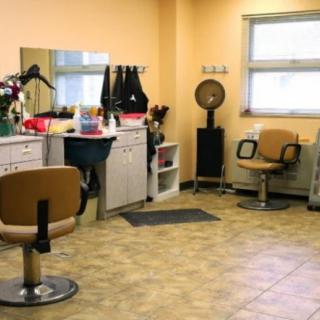
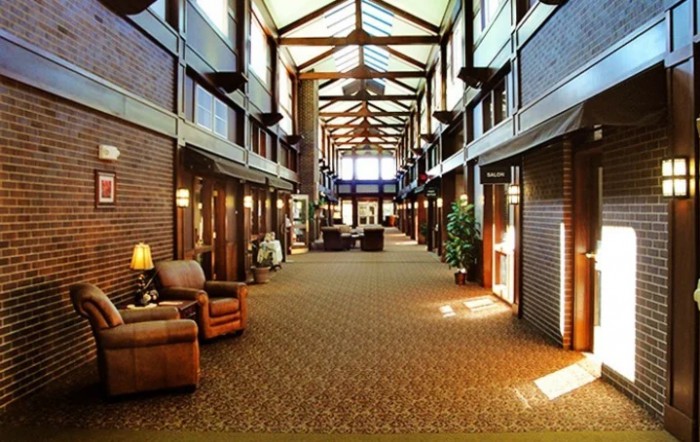
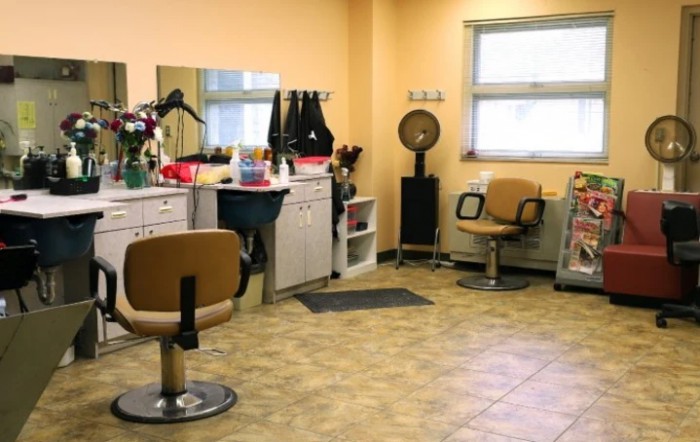
 Beauty salon
 Cable or satellite TV
 Computer center
 Dining room
 Fitness room
 Fully furnished
 Gaming room
 Garden
 Housekeeping services
 Kitchenette
 Move-in coordination
 Outdoor space
 Private bathrooms
 Restaurant-style dining
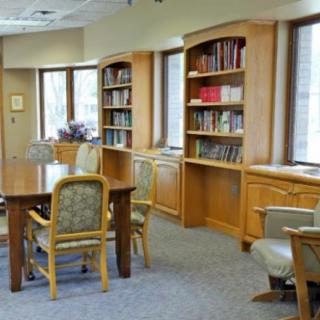
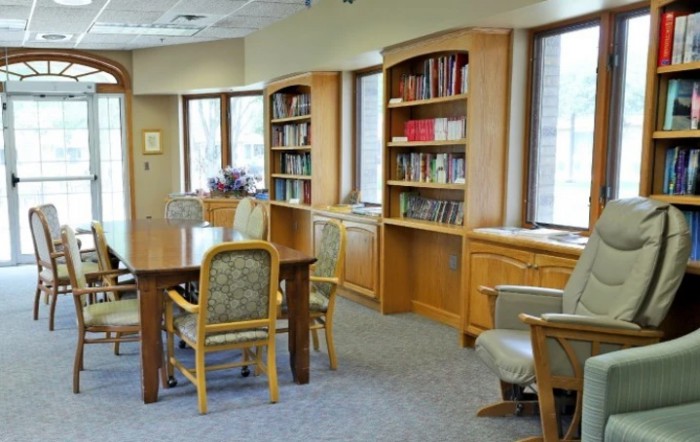
 Small library
 Telephone
 Wellness center
 Wi-Fi/high-speed internet available
 Joe Foss (6 miles away)
 Community operated transportation
 12-16 hour nursing
 24-hour call system
 Activities of daily living assistance
 Assistance with bathing
 Assistance with dressing
 Assistance with transfers
 Diabetes diet
 Medication management
 Mental wellness program
 Special dietary restrictions
 Concierge services
 Planned day trips




 Financing Long-Term Nursing Home Care Through Social Security: A Thorough Exploration
 Essential Knowledge on Pneumonia in Older Adults
 Exploring Palliative Care in the Home: A Comprehensive Overview