
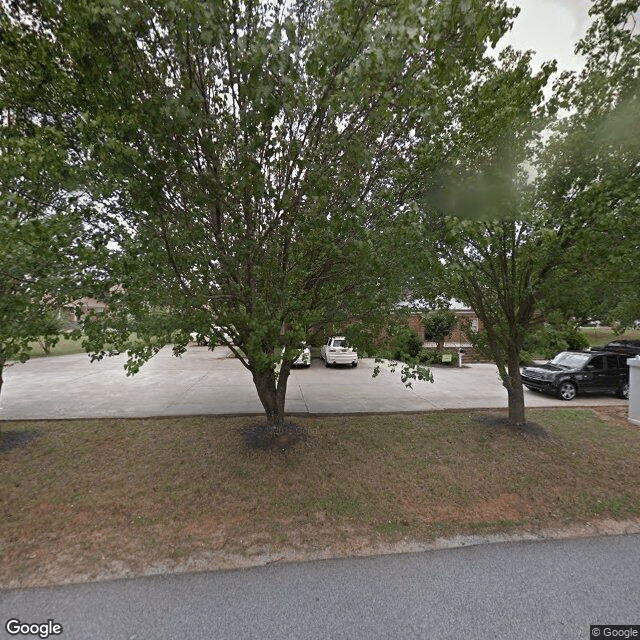
303 Goodjion Rd, Lyman, SC 29365
To contact a resident: (864) 949-8911
For more information about senior living options: (866) 208-4318
Overall Review of Good Sheperd Retirement Ctr
Pros
 The staff have gone out of their way to provide excellent care.
- Ashlan Village is one of the nicest facilities in the upstate.
- There are lots of activities and the facility is always clean.
- The staff are always helpful and very cheerful.
- Ashlan has a pleasant atmosphere and feels like home.
- All residents seem well cared for and happy.
- Trips and concerts keep residents active.
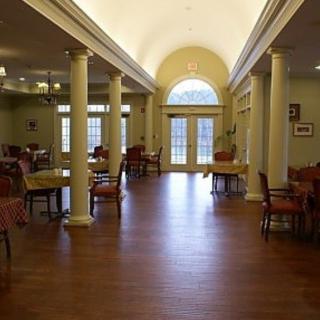
- The facility is clean with beautiful decor.
- The staff are very knowledgeable, helpful, and caring.
- Residents are treated with kindness and respect, like family.
Cons
 Four calls were made to the facility with no one returning the call.
- The place is described as corrupt with toxic management, suggesting to remove a loved one and even install a camera in their room.
- Upper management is rude and not welcoming, with promises on the website that are not fulfilled after moving in.
Review
This community is best suited for seniors who want a warm, home-like atmosphere with a lively social calendar and consistently caring staff. Across multiple accounts, residents and families describe a facility that feels welcoming and well-maintained, where activities, outings, and concerts anchor daily life. The environment is repeatedly painted as beautiful and clean, with residents who appear happy and well cared for. For families prioritizing genuine personal connections, staff who go the extra mile, and a sense of belonging, where a neighborly, family-like vibe is a daily reality, this setting is a strong fit. It is particularly appealing for those who value independence paired with accessible daily support and a robust schedule of engaging programs.
However, some families should consider alternatives based on administration and communications. A portion of reviews flag inconsistent responsiveness to inquiries and a mismatch between online promises and on-site experience. One reviewer explicitly labeled upper management as rude or toxic, and another cautioned about a perception of governance or ethical issues. While these voices are not the majority, they signal a real risk: administrative leadership and follow-through can color the overall experience, especially for families seeking predictable, proactive communication and transparent decision-making.
The strongest positives center on direct care, atmosphere, and activity leadership. Staff are repeatedly praised for being knowledgeable, helpful, and genuinely caring, with caregivers who treat residents with respect and affection. The facility’s ambience emerges as a significant asset: immaculate cleanliness, tasteful decor, and a homey feel that contributes to resident comfort. The activity calendar is described as vibrant, outings to restaurants, concerts, and social events that keep residents engaged, connected, and emotionally buoyant. For families weighing daily quality of life and social fulfillment, these elements translate into meaningful, observable benefits.
Conversely, the principal drawbacks are managerial in nature. The negative remarks focus on communication gaps, unfulfilled promises, and, in some cases, a perception of unfriendly or unwelcoming upper leadership. While care quality and warmth may remain consistently high, questions about governance introduce a level of risk for families who rely on steady, transparent administrative processes, especially during move-in, billing, contract details, and ongoing service adjustments. The specter of management friction can undermine confidence, even when the caregiving staff are delivering excellent day-to-day support.
These pros can offset the cons to a practical degree, but they require proactive engagement from families. When the caregiving team is strong and resident life is rich, the day-to-day experience often compensates for administrative misalignments, provided that families actively participate in oversight, ask hard questions, and establish clear lines of communication with the administrator. The home-like setting and vibrant social fabric lessen the emotional and social strain often associated with aging, and that value cannot be overstated. Yet the tension between front-line care excellence and back-office responsiveness remains a real consideration for anyone mapping out a long-term plan.
The bottom line is clear: this community can be an excellent fit for seniors who want warmth, personal attention, and an active lifestyle within a clean, attractive setting. It is less suitable for families who cannot tolerate inconsistent administrative communication or who require exceptionally transparent governance and reliable follow-through from leadership. Prospective move-in teams should vet administrative responsiveness as rigorously as caregiving quality: meet with front-line staff, request a tour of the administration suite, and ask for recent references regarding move-in experiences, billing clarity, and problem resolution. A trial period or scheduled check-ins after move-in can illuminate how well the promise of care translates into day-to-day reliability. In the right family-context, the strengths far outweigh the concerns; in others, careful due diligence is essential before committing.
 Independent Living
 Greenville-Spartanburg (7 miles away)




 In-Home Care Costs in 2025: A Detailed State-by-State Exploration
 Understanding Home Health Care: A Comprehensive Guide
 Home Health Care Demystified: A Comprehensive Guide for Families and Caregivers