
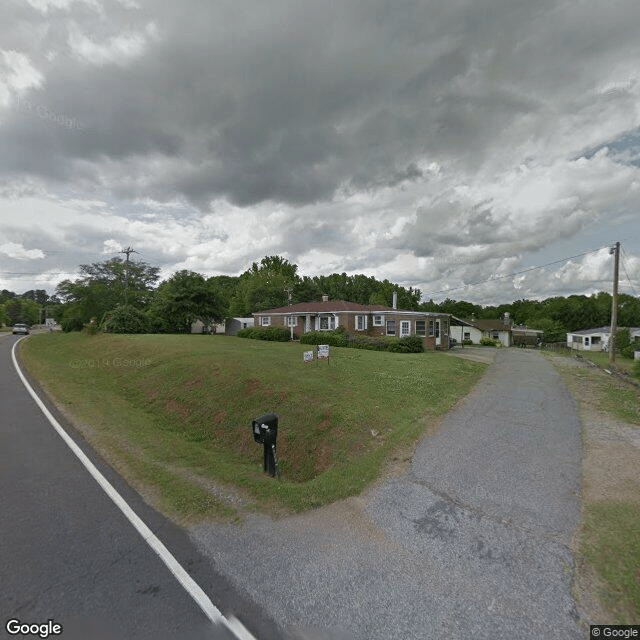
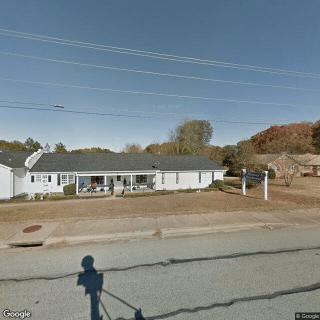
726 Old Spartanburg Highway, Wellford, SC 29385
For more information about senior living options: (866) 208-4318
Overall Review of Reid's Residential Care Facility
Pros
 Facility is a wonderful family oriented place where your loved one will thrive!
- Staff is very helpful with wonderful doctors and nurse practitioners that care on a holistic level!
- Offers housing for the ones who are not able to take care of themselves.
Cons
 The facility is filthy, unsafe and neglectful of its residents.
- A resident was found on the highway on her walker about a mile away.
- After being returned, there was no one who knew she was missing.
- There was no one there except a kitchen worker.
- The facility is dirty, bathrooms disgusting and unsafe for those on walkers.
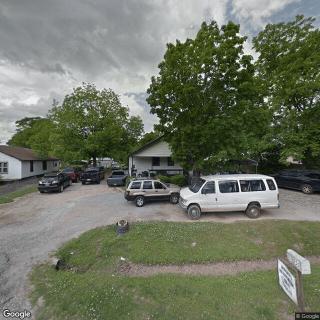
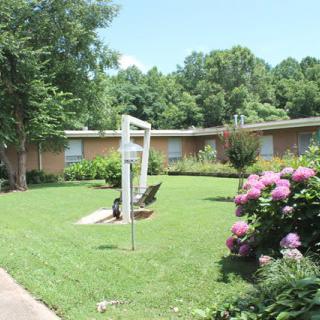
- The building is dilapidated and neglected for years.
- Some residents beat up on others with no interference from staff who weren't in the building the whole time I was there.
- DHEC is not doing their job.
Review
Reid's Residential Care Facility in Wellford, South Carolina, is best suited for families seeking a small, family-oriented environment where a loved one can receive personalized, holistic support from a closely involved staff. The setup appears to cater to residents who need daily assistance but do not require intensive medical hospitalization, offering a home-like atmosphere rather than a clinical care model. Caregivers and administrators emphasize attention to the whole person, which can translate into meaningful social engagement and consistent companionship. This makes it a compelling option for families who value warmth, continuity, and a sense of belonging over institutional formality. Those considering Reid’s should understand that the strongest fit is a resident who benefits from intimate supervision and affectionate, familiar routines rather than a high-tech, highly regulated setting.
On the plus side, reviewers repeatedly highlight a welcoming, family-oriented vibe and a staff that is helpful and reachable. The presence of doctors and nurse practitioners who practice holistic care can be reassuring for families who want ongoing health oversight without moving to a more clinical facility. When staff are present and engaged, residents tend to benefit from a consistent point of contact and a sense of security that comes with familiar faces. In a setting that prioritizes close-knit relationships, small daily rituals, and accessible medical input, some residents can thrive despite the modest scale. Taking these advantages into account, Reid's can deliver genuine comfort and dignity when operational stability holds.
However, the most troubling observations center on conditions and supervision. Reports describe filth, unsafe environments, and neglectful practices that undermine basic safety. A resident wandering onto a highway, with the facility appearing unaware or unprepared, highlights critical gaps in supervision and emergency response. Bathrooms and common areas described as dirty, with a dilapidated building, paint a picture of deteriorating infrastructure that increases fall risk and reduces overall quality of life. Instances of residents assaulting each other without timely intervention further illustrate a staffing and supervision shortfall that cannot be ignored. Such concerns extend beyond taste and comfort, touching core expectations of safety, dignity, and regulatory compliance.
Given the strengths in staff warmth and medical engagement, these positives only partially offset the downsides. When a facility can provide empathetic care and steady medical input, residents may maintain well-being and morale. Yet safety lapses, poor cleanliness, and weak incident management can erode trust and threaten physical safety. The tension between personal attention and systemic neglect creates a gamble: happy interactions inside could be overshadowed by dangerous moments outside or during transitions. In practical terms, the upbeat culture loses its bite if basic environmental standards and supervision are not reliably present.
Families should weigh alternatives seriously if safety, cleanliness, and decisive risk management are priorities. Those whose loved ones wander, become agitated, or require reliable, around-the-clock supervision may find Reid's shortcomings too risky. Similarly, residents with advanced medical needs or those who depend on a consistently clean, well-maintained facility with robust maintenance and regulatory oversight would likely be better served elsewhere. Prospective buyers should demand a transparent tour with real-time demonstrations of how emergencies are handled, what staffing levels exist during peak hours, and copies of recent inspection reports. In short, Reid's may work for a specific, low-need subset, but not for anyone seeking a safety-first environment.
Practical next steps center on due diligence and an on-site assessment. Schedule a visit to observe interactions between staff and residents, check on cleanliness and maintenance, and request to see incident logs and current safety systems. Ask about wandering protocols, staff-to-resident ratios, and how problems are escalated. Speak with current residents and families about consistency of care and responsiveness. Clarify what medical oversight looks like in practice and how quickly teams can respond to health changes. If a family member chooses Reid's, establish clear expectations, a trial period, and explicit contingency plans for transitions to higher levels of care if safety or quality declines. The right choice aligns warmth with unwavering safety, and Reid's needs to prove it in real-world conditions.
 23 resident community capacity
 Assisted Living
 Activities on-site
 Beauty salon
 Cable or satellite TV
 Devotional services off-site
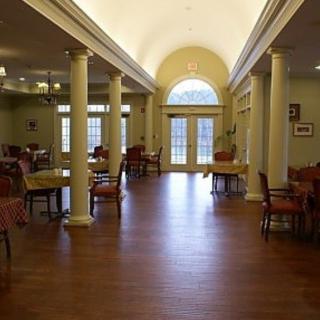
 Dining room
 Fully furnished
 Garden
 Housekeeping services
 Indoor common areas
 Kitchenette
 Move-in coordination
 Outdoor space
 Restaurant-style dining
 Small library
 Telephone
 Wi-Fi/high-speed internet available
 Greenville-Spartanburg (7 miles away)
 24-hour call system
 Ambulatory care
 Assistance with bathing
 Assistance with dressing
 Assistance with transfers
 Diabetes diet
 Diabetic care
 Medication management
 Mental wellness program
 Special dietary restrictions

 How and When Medicaid May Cover Assisted Living Costs
 A Detailed Exploration of Assisted Living Medicaid Waivers Across the United States
 Comprehensive Residential Support and Assisted Living Solutions for Individuals with Disabilities