


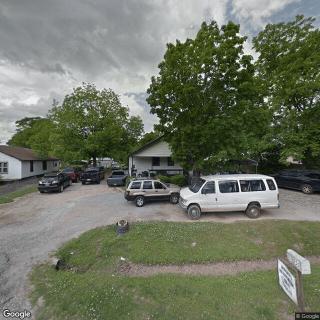
117 Dodd Street, Wellford, SC 29385
For more information about senior living options: (866) 208-4318
Overall Review of Reid House
Pros
 The nurses and staff work very hard supporting residents who are not well.
- The staff are helpful and friendly.
- The reviewer expresses respect and appreciation for doctors, nurses, and caregivers, and thanks them for their efforts and love.
Cons
 The cleaning staff could do a much better job.
- Her mom's room was filthy.
- They are scared for her.
- Reid House doesn't have enough staff.
- They don't care enough about her.
- They don't help her with anything.
- The meals are not good.
- There are no activities, leaving residents with nothing to look forward to.
Review
Reid House in Wellford, SC is best suited for families that value consistent, compassionate caregiving and guaranteed meals over a robust program of activities and pristine housekeeping. This community appeals to those who prioritize the human touch of caregivers and the security of regularly provided meals, and who can tolerate noticeable gaps in cleanliness, programming, and laundry support. In practical terms, it’s the right pick for a senior who needs reliable assistance and has modest expectations for social engagement and a spotless environment, rather than for someone who demands high-touch activity schedules or flawless housekeeping.
Those considering alternatives should note a clear caveat: if cleanliness, safety monitoring, frequent assistance, and a lively activity calendar are non-negotiable, Reid House may fall short. Families should look elsewhere if they require rigorous housekeeping, prompt laundry service, robust daily programming, or consistently enlivening amenities. For individuals who need specialized medical oversight beyond basic assisted living, or who expect a facility that already feels meticulously maintained, other communities are likely to deliver more reliably on those fronts.
On the upside, the staff at Reid House is repeatedly described as caring, supportive, and earnest in their efforts. Several reviews acknowledge the hard work of nurses, aides, and other team members in tending to residents who require ongoing assistance. The presence of three meals per day provides a structured routine and a predictable daily rhythm that can be a relief for families seeking guaranteed nourishment and routine. Within these care dynamics, the sentiment of appreciation for the dedication of caregivers is a clear positive that many families may rely on during difficult moments.
However, the most troubling themes in the experience are structural and environment-related gaps. The facility is repeatedly described as understaffed, with critics sounding alarms about insufficient personnel to meet residents’ daily needs and safety. Cleanliness is a recurring concern, with several comments describing rooms and common areas that feel dirty or unhygienic, and even odors that create a perception of neglect. The lack of activities, no organized games, limited engagement, and little to look forward to, translates into a diminished sense of purpose and social opportunity for residents who need meaningful interaction to stay engaged. Laundry is cited as another area of neglect, with residents not receiving regular washing of clothes, which compounds concerns about dignity and resident well-being.
The combination of these cons, staffing strains, cleanliness issues, uncomfortable odors, scarce activities, and unmet laundry expectations, often erodes the value proposition of Reid House when weighed against the included meals and the evident dedication of smiling caregivers. The positives can feel meaningful and real in short interactions and during moments of direct care; still, the persistent and visible gaps tend to overshadow those strengths over time. For families evaluating long-term care decisions, the gap between compassionate intent and reliable, daily-quality execution is the critical delta that matters in daily life and safety.
In practical terms, decision-making should hinge on a few calibrated questions and a candid site visit. Prospective families should press for transparency on staffing ratios across shifts, particularly during evenings and weekends, and request a clear plan for addressing gaps in assistance with activities of daily living. It is essential to verify housekeeping schedules, laundry service frequency, and the facility’s process for responding to cleanliness concerns in resident rooms. Tour conversations should include specifics about the activity calendar, availability of social programming, and how residents are encouraged to participate, especially those who are less inclined to engage spontaneously. Observing a shift change, noting how staff interact with residents, and asking about incident reporting will reveal whether safety and responsiveness align with expectations.
Ultimately, Reid House is a better fit for families prioritizing warmth, dependable meals, and empathetic care, while accepting that cleanliness, programming depth, and laundry support may lag. For those who cannot compromise on a consistently clean environment, an active daily program, or rigorous housekeeping and laundry service, alternatives with stronger reputations in those domains are warranted. The community’s core value, genuine caregiver dedication, remains a compelling reason to consider Reid House, but it must be weighed against the tangible day-to-day realities that influence mood, dignity, and safety. In the end, a well-informed choice will balance appreciation for staff kindness with a clear commitment to a residence that consistently delivers cleanliness, engagement, and comprehensive daily support.
 42 resident community capacity
 Assisted Living
 Activities on-site
 Beauty salon
 Cable or satellite TV
 Devotional services off-site
 Dining room
 Fully furnished
 Garden
 Housekeeping services
 Indoor common areas
 Kitchenette
 Move-in coordination
 Outdoor space
 Restaurant-style dining
 Small library
 Telephone
 Wi-Fi/high-speed internet available
 Greenville-Spartanburg (7 miles away)
 24-hour call system
 Ambulatory care
 Assistance with bathing
 Assistance with dressing
 Assistance with transfers
 Diabetes diet
 Diabetic care
 Medication management
 Mental wellness program
 Special dietary restrictions






 Beyond the Bingo Hall: 50+ Enriching Activities for Seniors in Assisted Living
 Understanding the Distinctions: Assisted Living and Memory Care Explained
 Guiding Elderly Parents Who Refuse Assisted Living: 6 Practical Steps