Country Club at Woodland Hills offers competitive pricing for its accommodations compared to both Tulsa County and the broader Oklahoma state averages. For a studio apartment, residents can expect to pay $2,265, which is significantly lower than the county average of $3,593 and the state average of $3,629. The 1-bedroom option is priced at $2,795, again more affordable than Tulsa County's rate of $3,600 and slightly above the state average of $3,565. Even for the 2-bedroom apartments, Country Club at Woodland Hills remains attractive at $2,445 - well below the county's steep average of $4,169 and only moderately higher than Oklahoma's state figure of $3,747. These cost advantages make Country Club at Woodland Hills an appealing choice for those seeking quality living arrangements in a desirable location without breaking the bank.
Floor plans
Country Club At Woodland Hills
Tulsa County
Oklahoma
Studio
$2,265
$3,593
$3,629
2 Bedrooms
$2,445
$4,169
$3,747
1 Bedroom
$2,795
$3,600
$3,565
Independent Living communities with a similar price nearby
About the same
Senior Star at Burgundy Place
4.7 from 107 reviews
$2,200 to $3,500 / month
5.1 miles away
from -$336 / mo
Forest Hills Assisted Living Retirement and Care Center
Residents and families repeatedly describe the staff as welcoming, helpful, and responsive.
Across many reviews, people focus on how staff members make them feel comfortable—especially during tours and day-to-day life after move-in. Multiple residents and family members also describe staff as friendly in common areas and attentive when something needs fixing. Some reviewers specifically call out thorough tours and staff who take time to explain programs and answer questions.
caveat7 reviews mention this
Dining is a mixed picture
Dining is generally praised, but some reviews note slow service or bland meals.
Several residents and visitors say the food is good, with mentions of a chef and a menu with variety. Other reviews, however, describe dining not matching expectations—such as tables not being cleared promptly, meals taking a long time to arrive, or food they consider tasteless or bland. Meal delivery to rooms is also described as sometimes inconsistent in timing and temperature, depending on the day.
common22 reviews mention this
Activities and social life feel busy
Residents describe a steady calendar of activities that helps with social connection.
Reviews frequently mention that life here stays active, with activities ranging from planned daily events to outings and games. Residents describe being able to meet people quickly and having options for different interests, including exercise, card and game nights, and group gatherings. For families, the availability of activities is also mentioned as part of why their loved ones feel engaged.
common6 reviews mention this
Pricing stands out for affordability
Multiple reviews highlight the pricing as competitive for what the community offers.
Some reviewers say they chose this community because the cost felt fair compared with other options they toured. Others describe the pricing as “within range” or note affordability alongside the amenities and services included. The pricing range shown for independent living is also positioned as below both county and state levels across unit types.
caveat2 reviews mention this
Cleanliness concerns appear in a few reviews
A couple of reviews raise concerns about cleanliness and service reliability.
While many reviews describe the facility as clean and well-maintained, some report problems that affected comfort—like odors from dogs in hallways or bedbug-related issues. One review also describes meal timing and cleanliness needing improvement during their time at the community. These are the main negative mentions tied to how the environment and day-to-day service worked for them.
How we summarize
Counts show how many written reviews mention each theme; a review can touch several themes, and only frequently mentioned themes are displayed.
Features
Housing
1-bedroom apartments
2-bedroom apartments
Studio apartments
Types of Care
Independent Living
Pets
Cats allowed
Dogs allowed
Amenities
Activities off-site
Activities on-site
Air-conditioning
Bath tubs
Beautician on-site
Beauty salon
Cable or satellite TV
Computer center
Devotional services off-site
Devotional services on-site
Dining room
Fireplaces
Fitness room
Full kitchen
Fully furnished
Gaming room
Garden
Ground floor units
Housekeeping services
Indoor common areas
Kitchenette
Move-in coordination
Outdoor common areas
Outdoor space
Private bathrooms
Respite or short term stays offered
Restaurant-style dining
Small library
Swimming pool / hot tub
Telephone
Wellness center
Wi-Fi/high-speed internet available
Transportation
Tulsa International (9 miles away)
Community operated transportation
Transportation arrangement
Care Services
24-hour call system
Ambulatory care
Assistance with dressing
Hospice care
Hospice waiver
Meal preparation and service
Medication management
Dining
Diabetes diet
Gluten-free
Guest meals
International cuisine
Meals provided
Professional chef
Restaurant style dining
Room service
Special dietary restrictions
Vegan
Vegetarian
Activities
Art classes
Community-sponsored activities
Concierge services
Cooking classes
Day trips and outings
Devotional activities offsite
Devotional activities on-site
Educational speakers / life long learning
Fitness programs
Live well programs
Other religious services
Planned day trips
Protestant services
Resident-run activities
Scheduled daily activities
Visiting chaplain or priest
Wine tasting
Videos
Nearby Places of Interest
This part of Tulsa, Oklahoma offers a diverse range of amenities and services that could be appealing for senior living. With a variety of restaurants including Beijing Gourmet, Golden Corral, and Olive Garden, there are plenty of dining options to choose from. Nearby pharmacies such as Jombo's Island Style Dispensary and CVS Pharmacy provide convenient access to medication and healthcare needs. The presence of cafes like Cha Bubble Tea and Starbucks offer opportunities for socializing over coffee or tea. Additionally, the proximity to Leake Park and Cinemark Tulsa provides entertainment and recreational options. Access to hospitals like Southwestern Regional Medical Center and physicians such as Tulsa Bone & Joint Orthopedic Urgent Care make healthcare easily accessible. Places of worship like Islamic Society of Tulsa and Christ United Methodist Church cater to spiritual needs within the community. Overall, this area in Tulsa offers a mix of conveniences and facilities that cater to senior living needs.
Restaurants
Beijing Gourmet (0.6 miles)
Golden Corral (0.7 miles)
The Cheesecake Factory (0.7 miles)
Olive Garden (0.9 miles)
Lanna Thai Restaurant (1.1 miles)
Chuy's (1.3 miles)
Chick-Fil-A (1.4 miles)
Pharmacies
Jombo's Island Style Dispensary (0.7 miles)
CVS Pharmacy (1.5 miles)
Walgreens (1.5 miles)
Walgreens (1.5 miles)
Arcadia Pharmacy Solutions (1.8 miles)
Drug Warehouse (1.8 miles)
Amerita (2.3 miles)
Cafes
Cha Bubble Tea (0.9 miles)
Starbucks (2.8 miles)
Dutch Bros Coffee (3 miles)
Starbucks (3.1 miles)
Parks
Leake Park (1.2 miles)
Terrace Park (3.8 miles)
Theaters
Cinemark Tulsa (1.3 miles)
AMC Southroads 20 (3.5 miles)
Hospitals
Southwestern Regional Medical Center (1.5 miles)
St John Broken Arrow (4.2 miles)
Physicians
Tulsa Bone & Joint Orthopedic Urgent Care (1.8 miles)
EyeCare Associates of South Tulsa (1.8 miles)
Tulsa Bone & Joint Associates (1.9 miles)
Urologic Specialists of Oklahoma (1.9 miles)
Children & Adolescent Medical Services (2.5 miles)
Country Club at Woodland Hills offers competitive pricing for its accommodations compared to both Tulsa County and the broader Oklahoma state averages. For a studio apartment, residents can expect to pay $2,265, which is significantly lower than the county average of $3,593 and the state average of $3,629. The 1-bedroom option is priced at $2,795, again more affordable than Tulsa County's rate of $3,600 and slightly above the state average of $3,565. Even for the 2-bedroom apartments, Country Club at Woodland Hills remains attractive at $2,445 - well below the county's steep average of $4,169 and only moderately higher than Oklahoma's state figure of $3,747. These cost advantages make Country Club at Woodland Hills an appealing choice for those seeking quality living arrangements in a desirable location without breaking the bank.
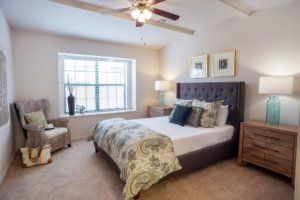
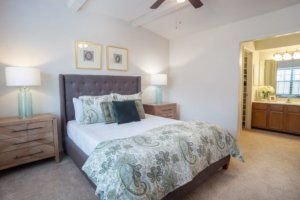
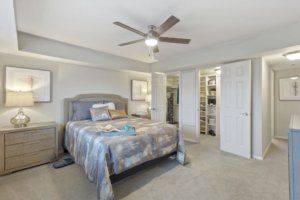
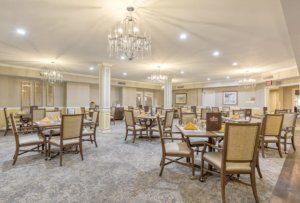
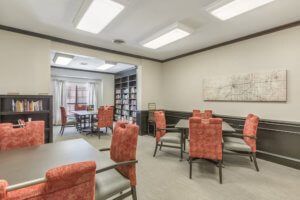
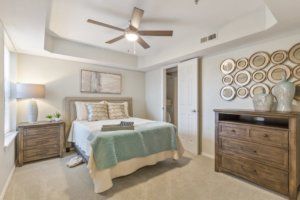
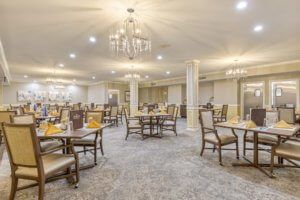
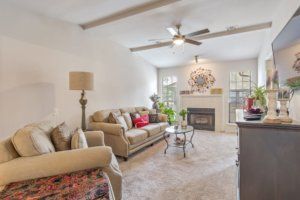
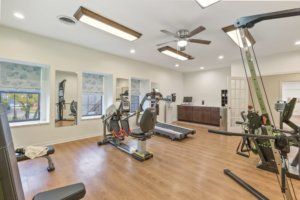
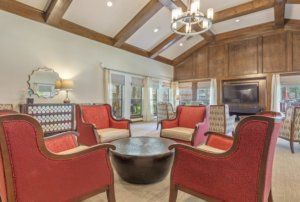
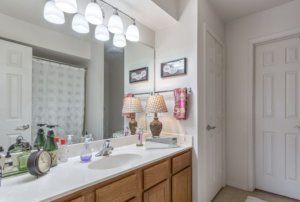
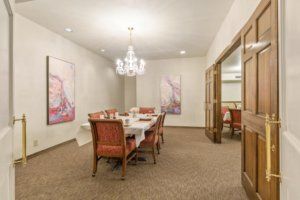
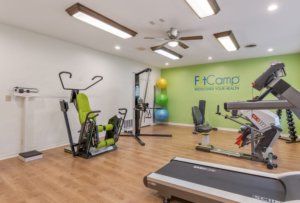
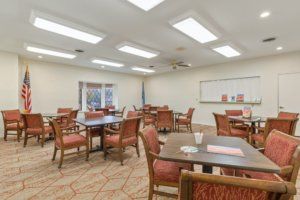
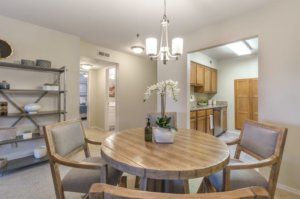
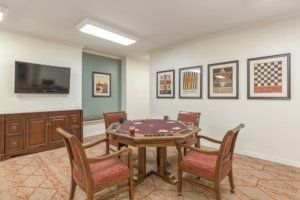
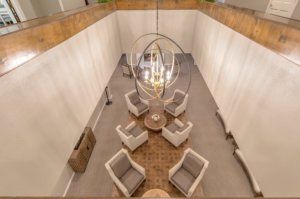
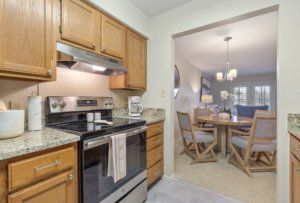
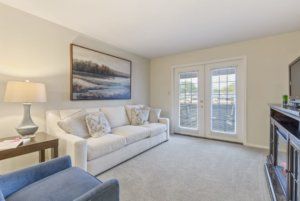
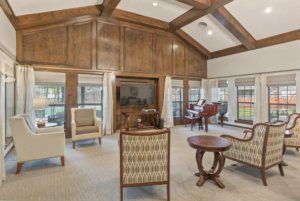
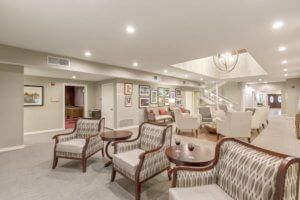
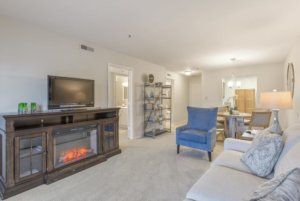
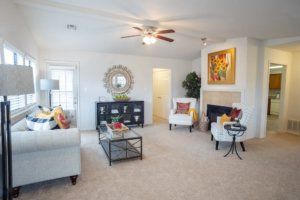
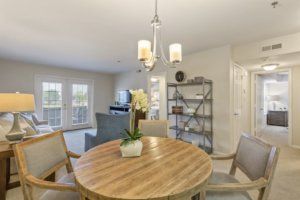
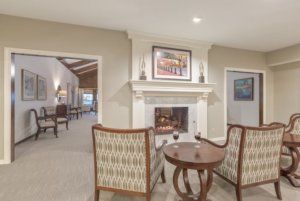
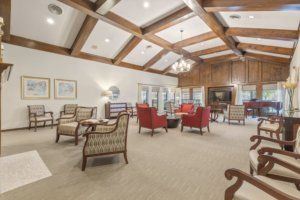
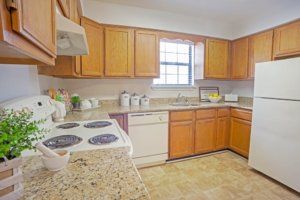
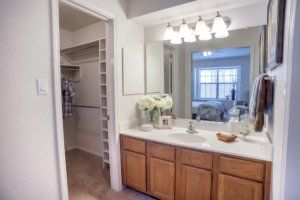
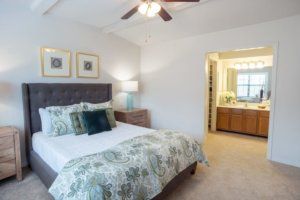
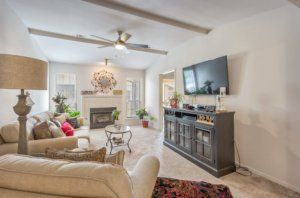
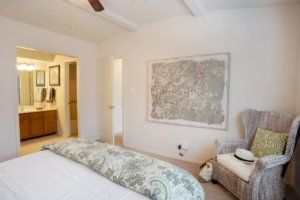
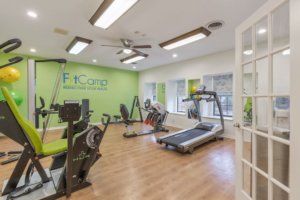
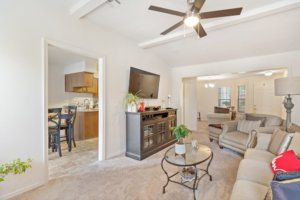
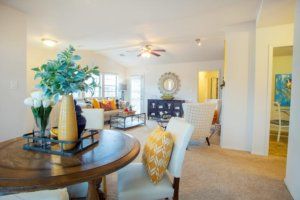
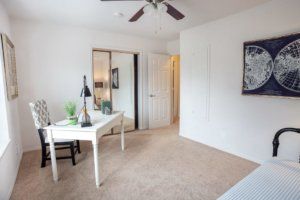
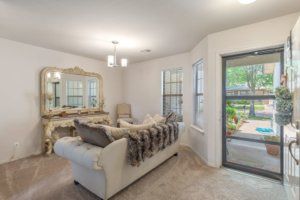
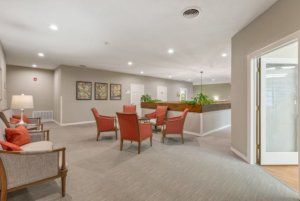
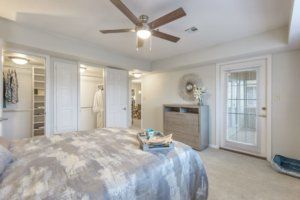
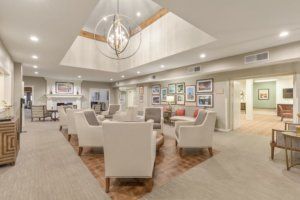
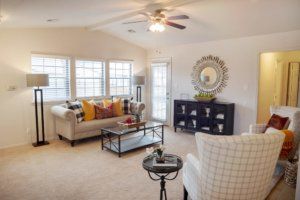
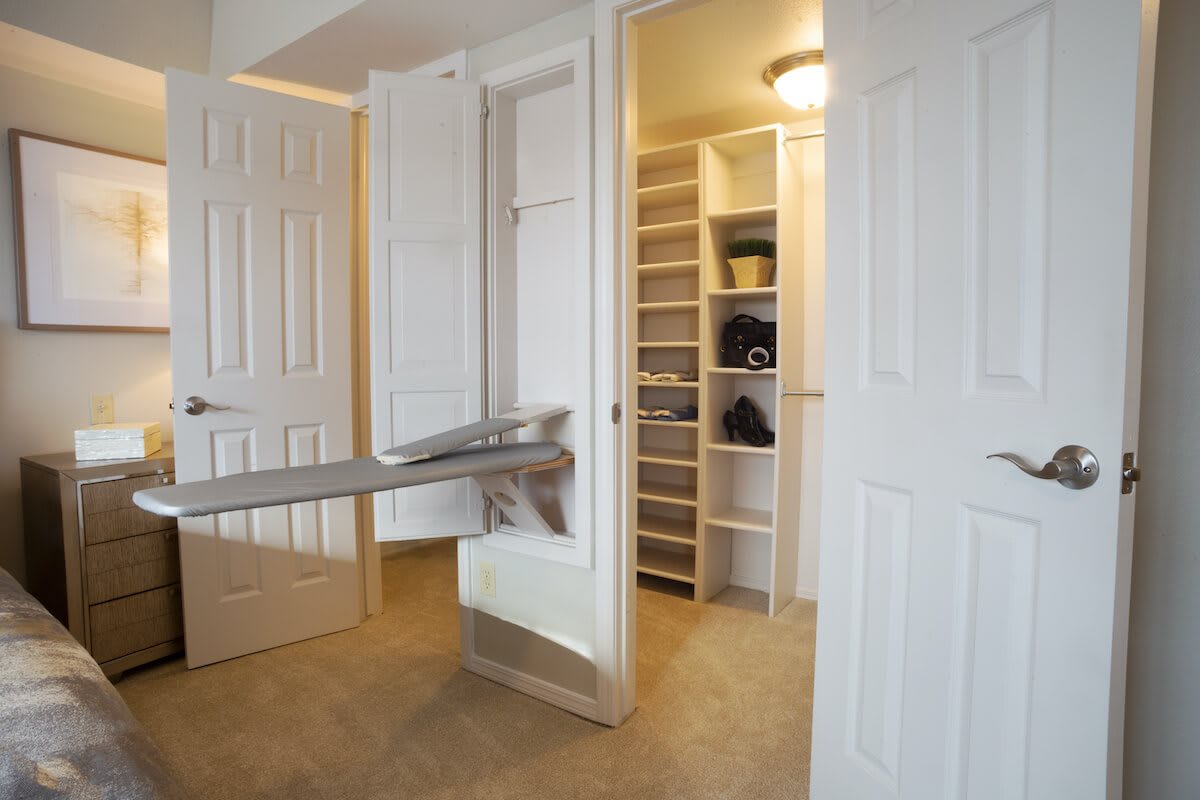
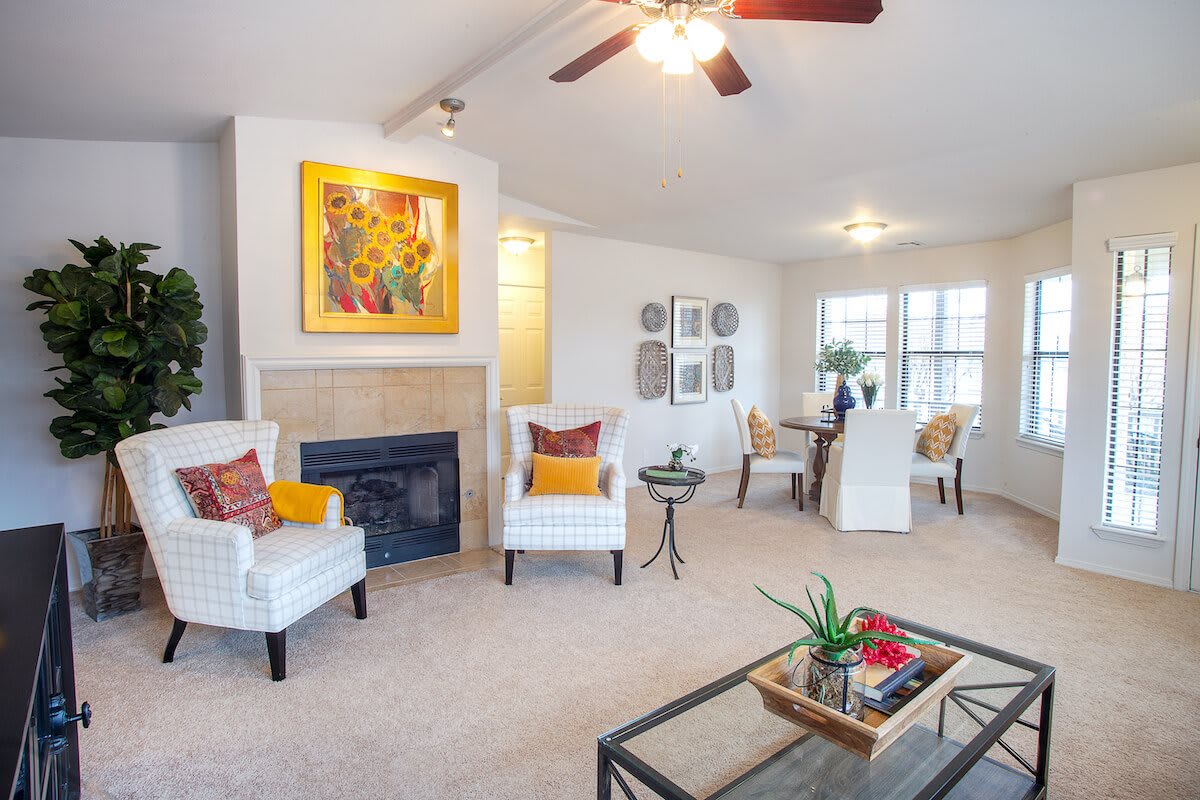
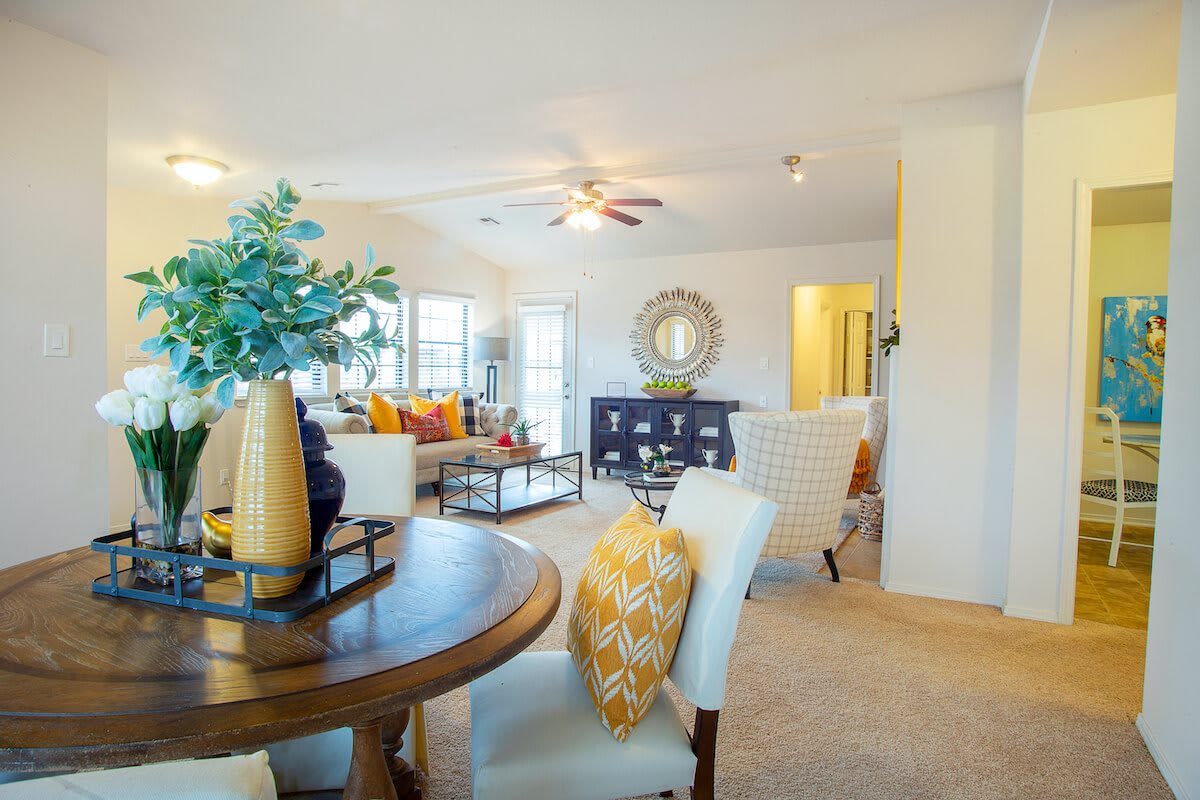
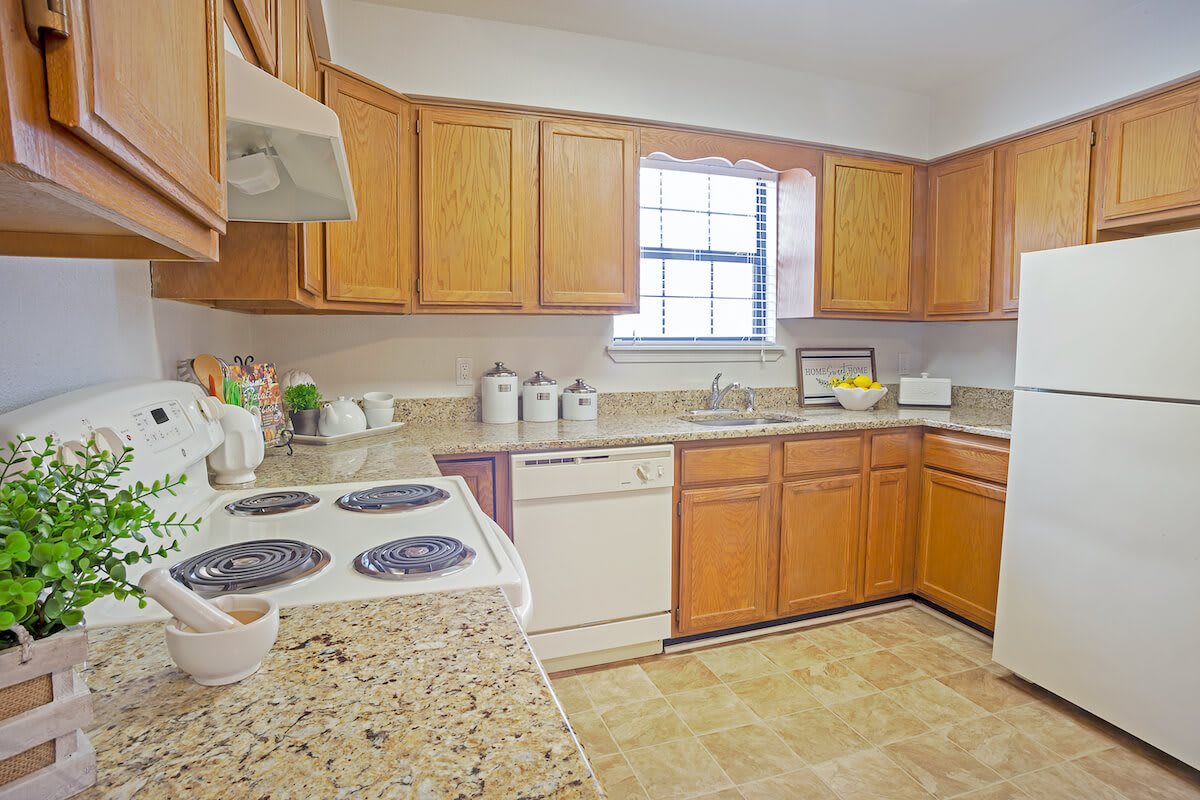
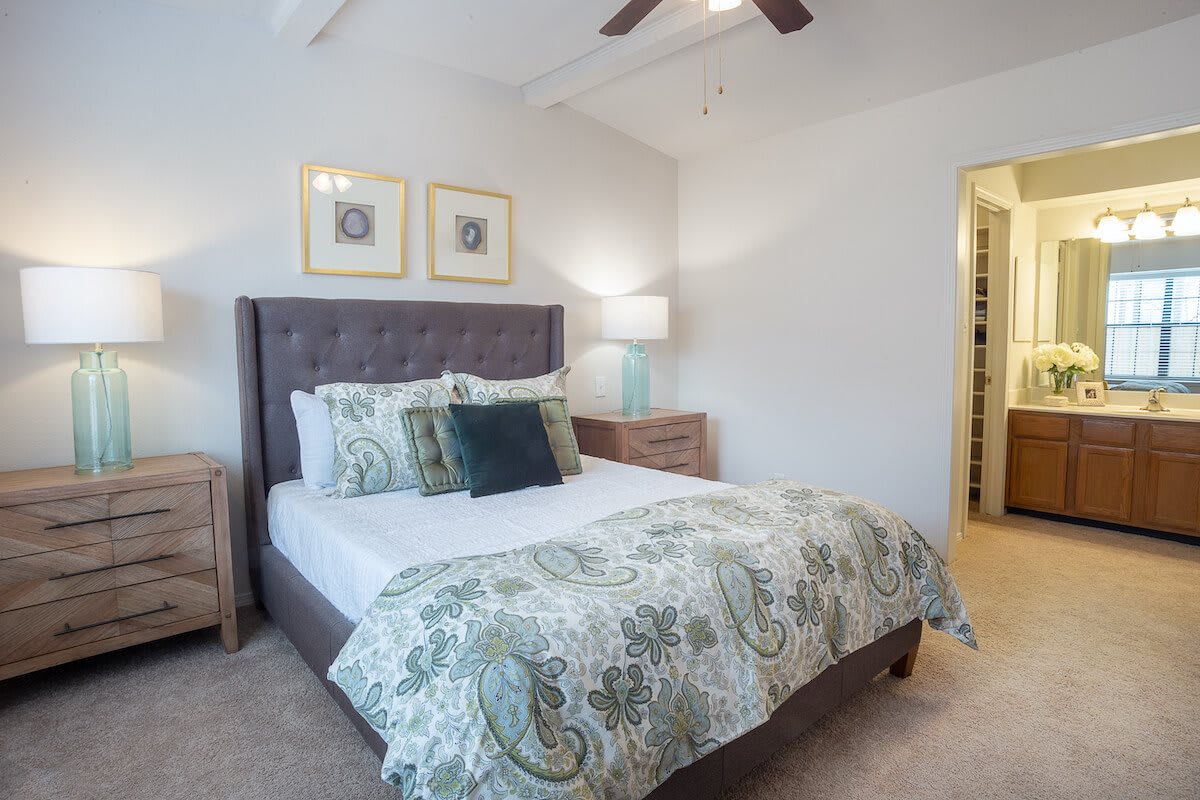
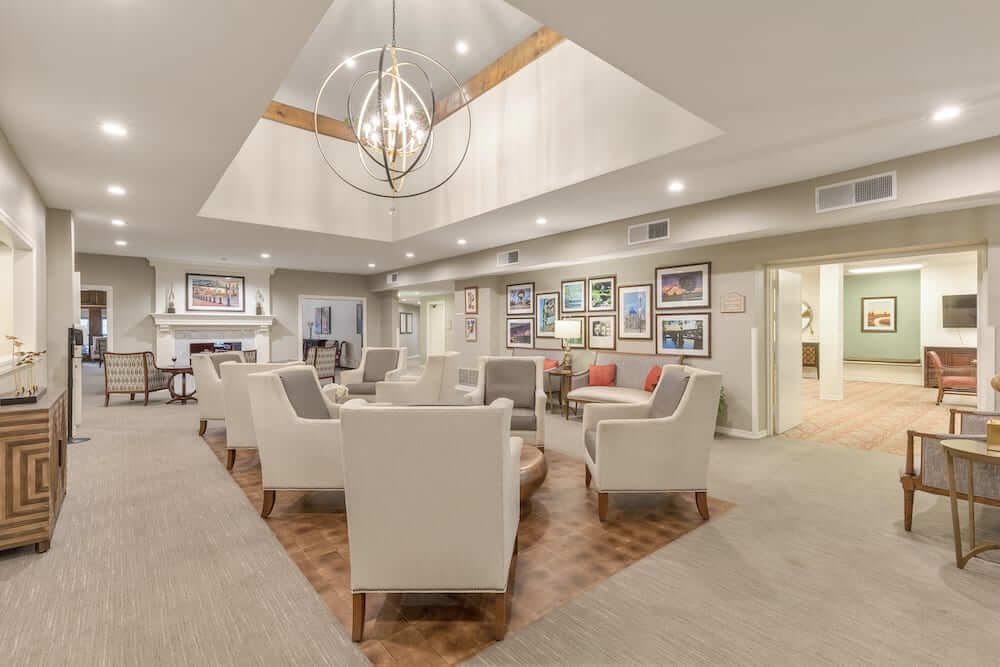
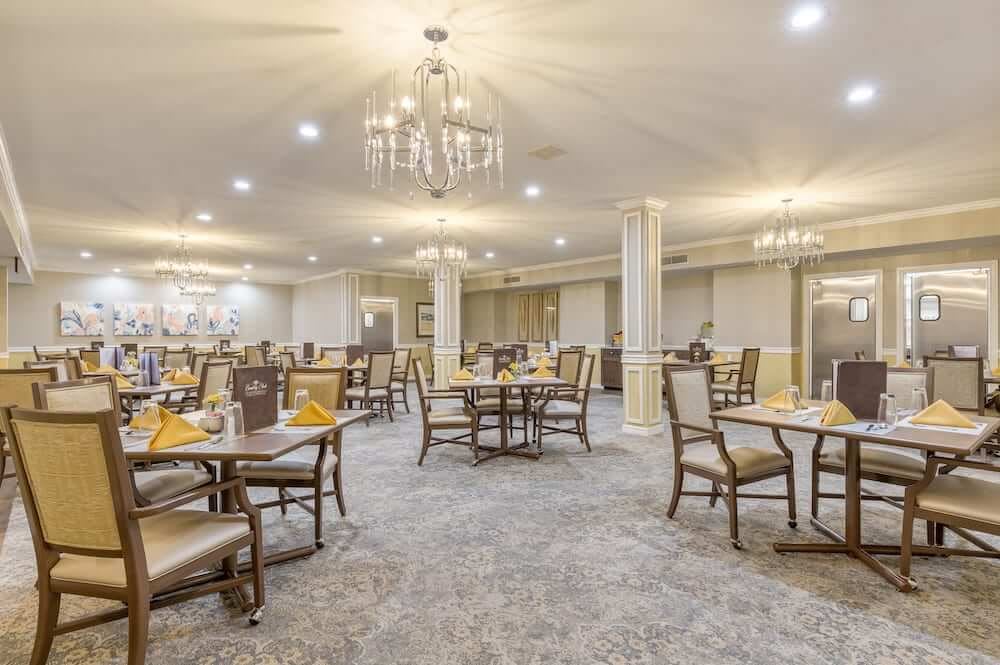
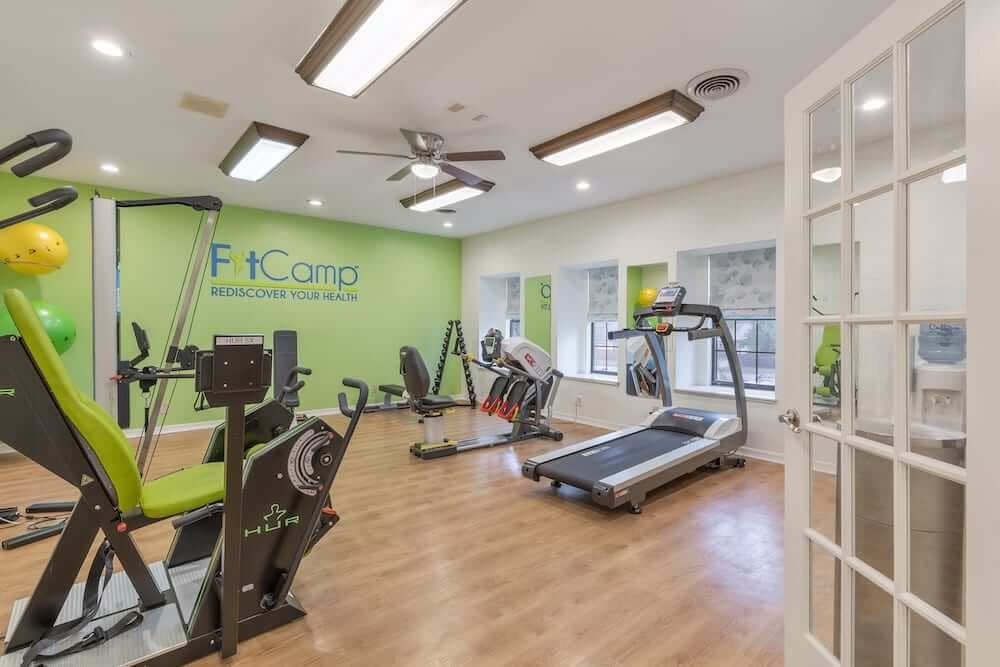
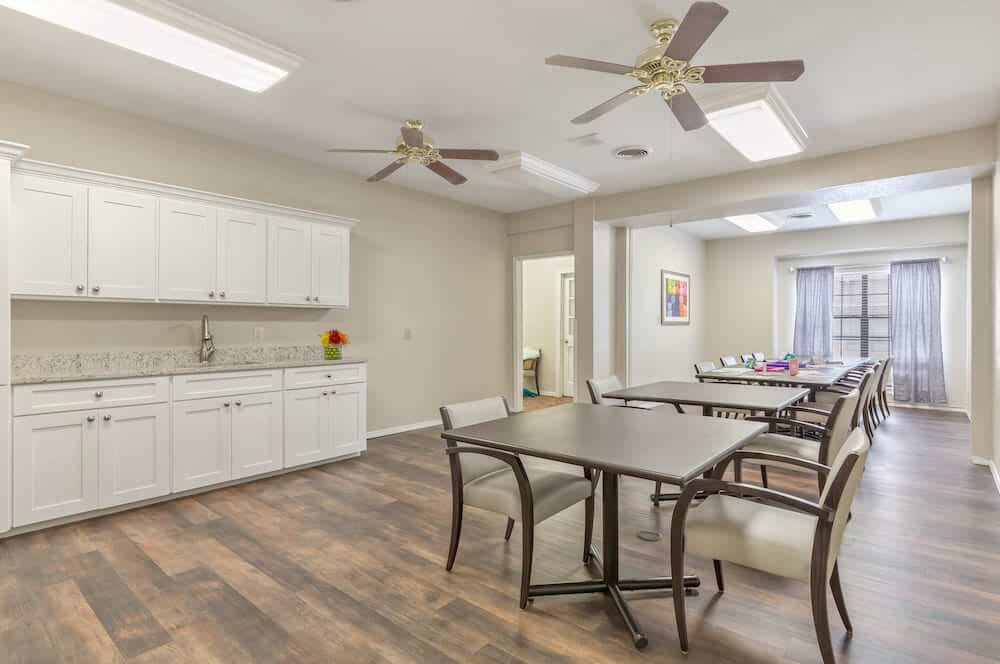
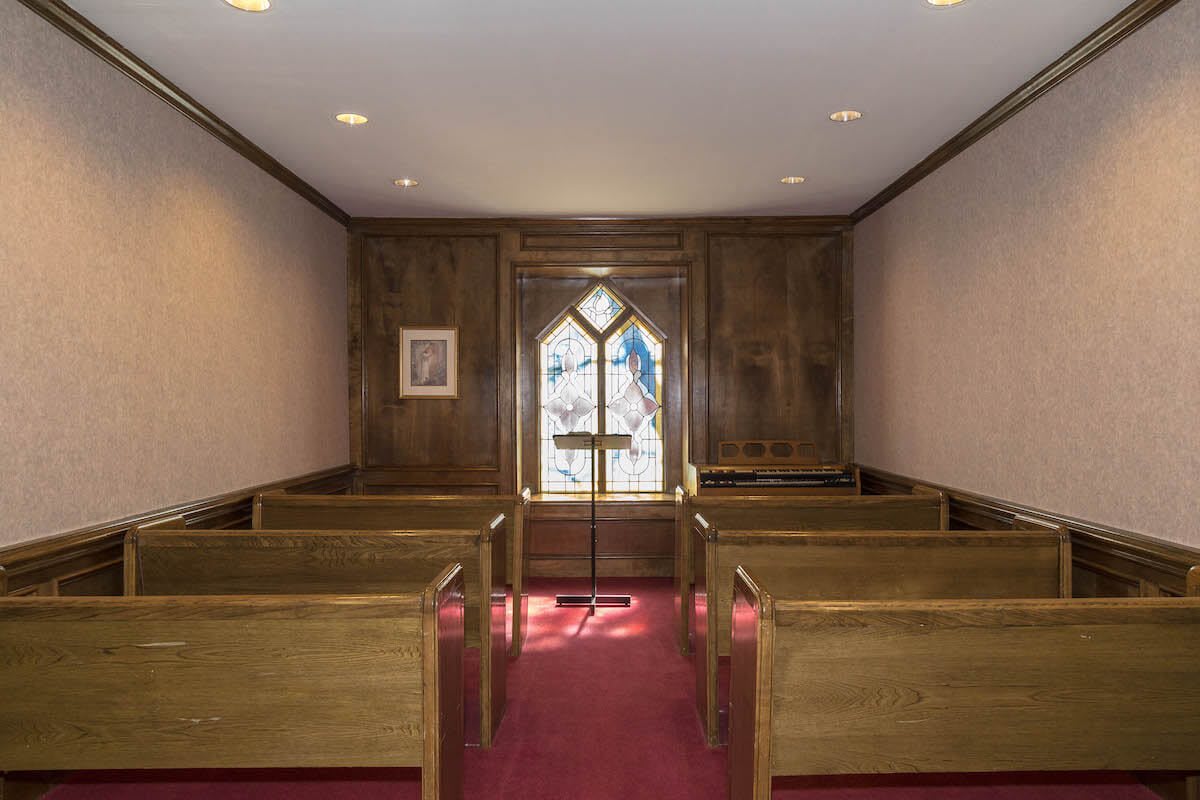
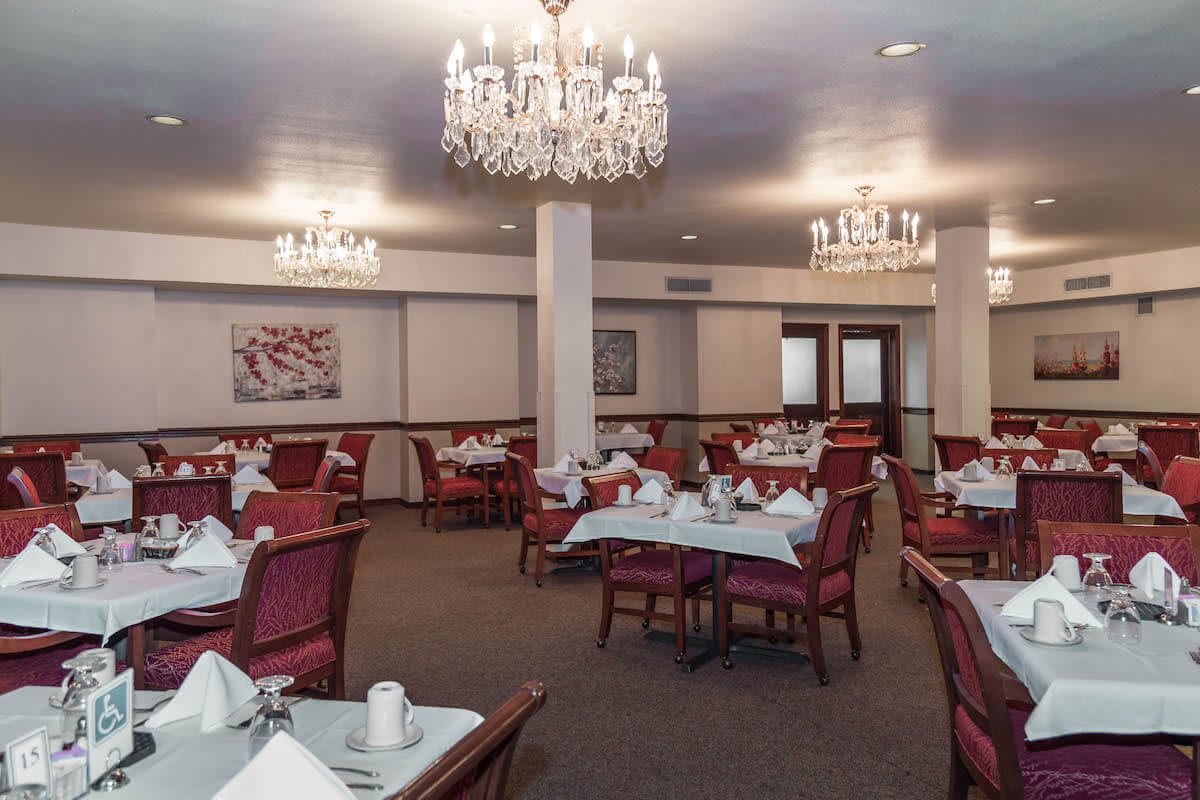
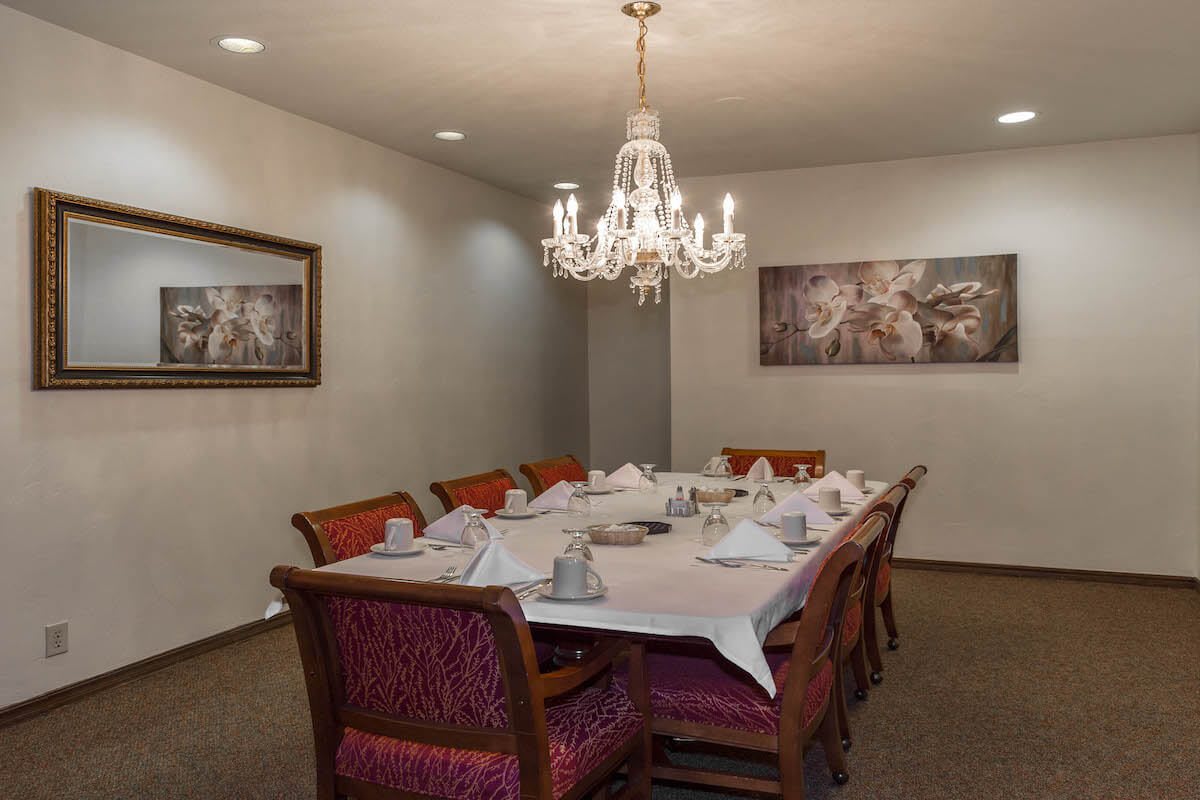
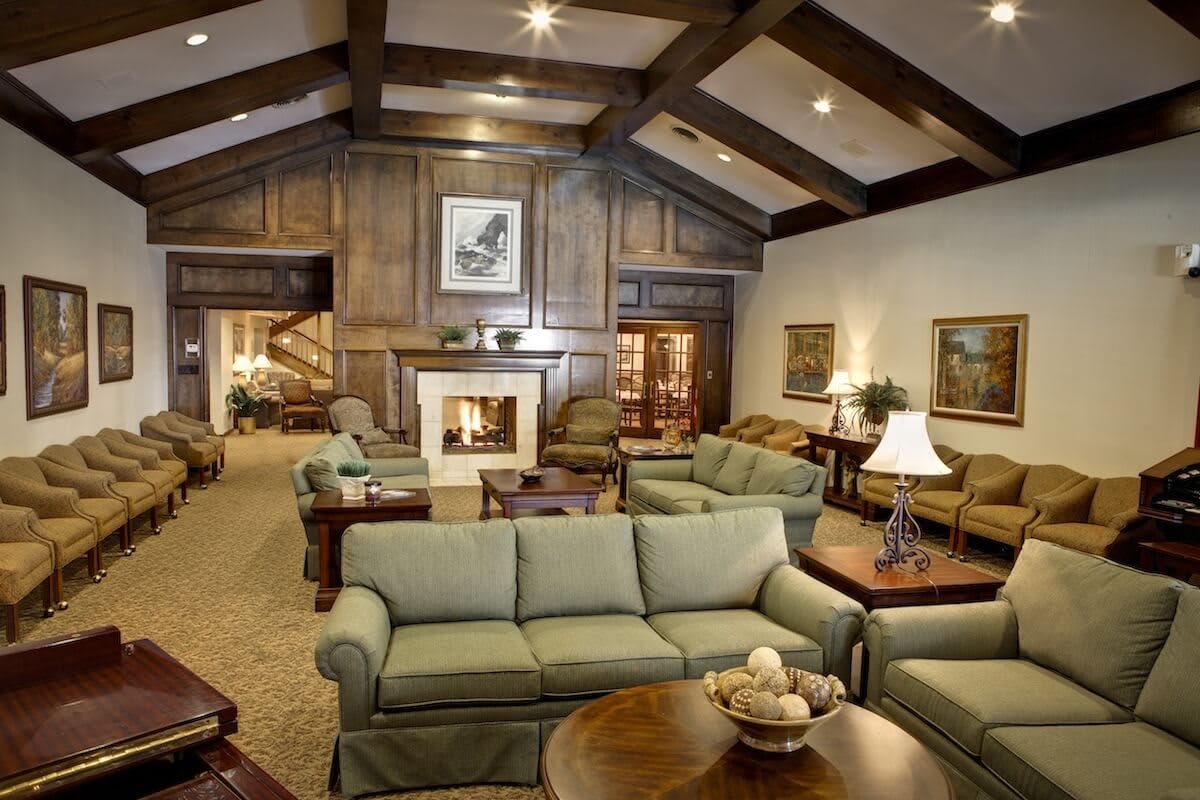
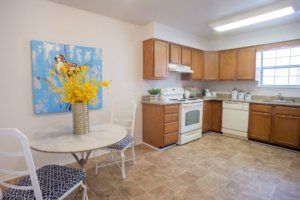
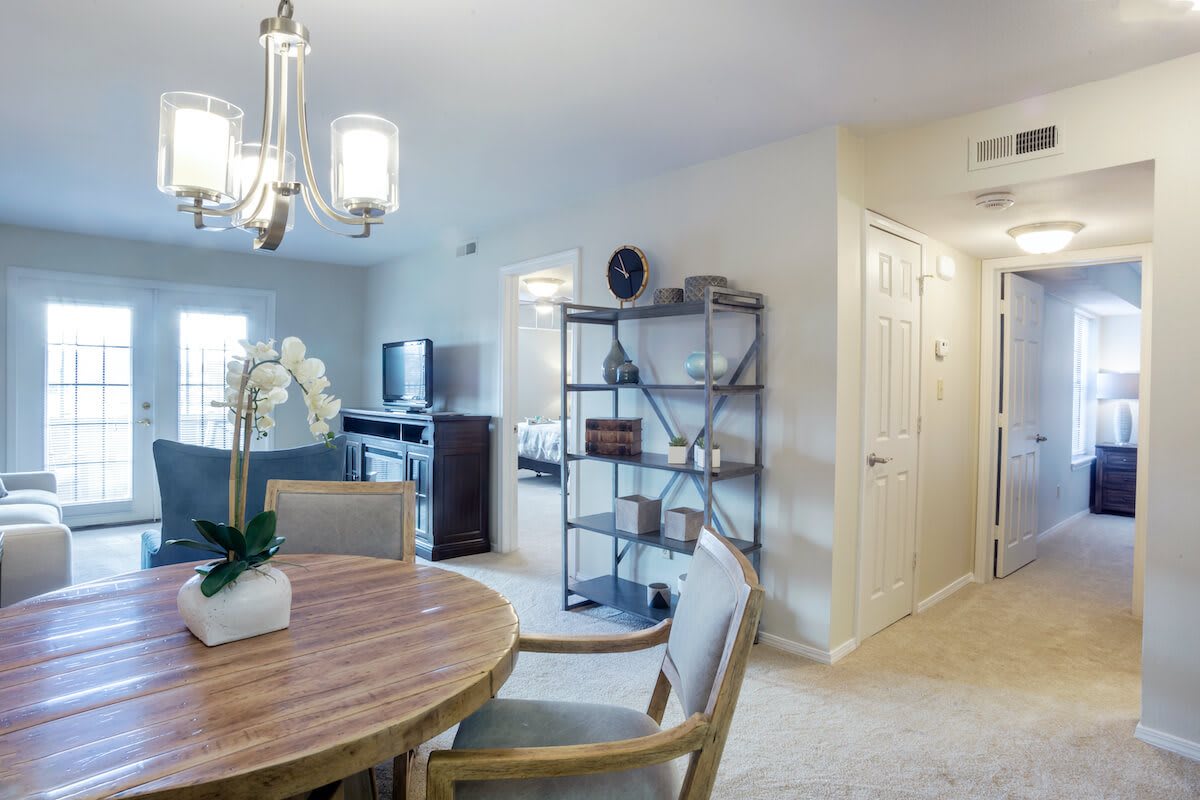
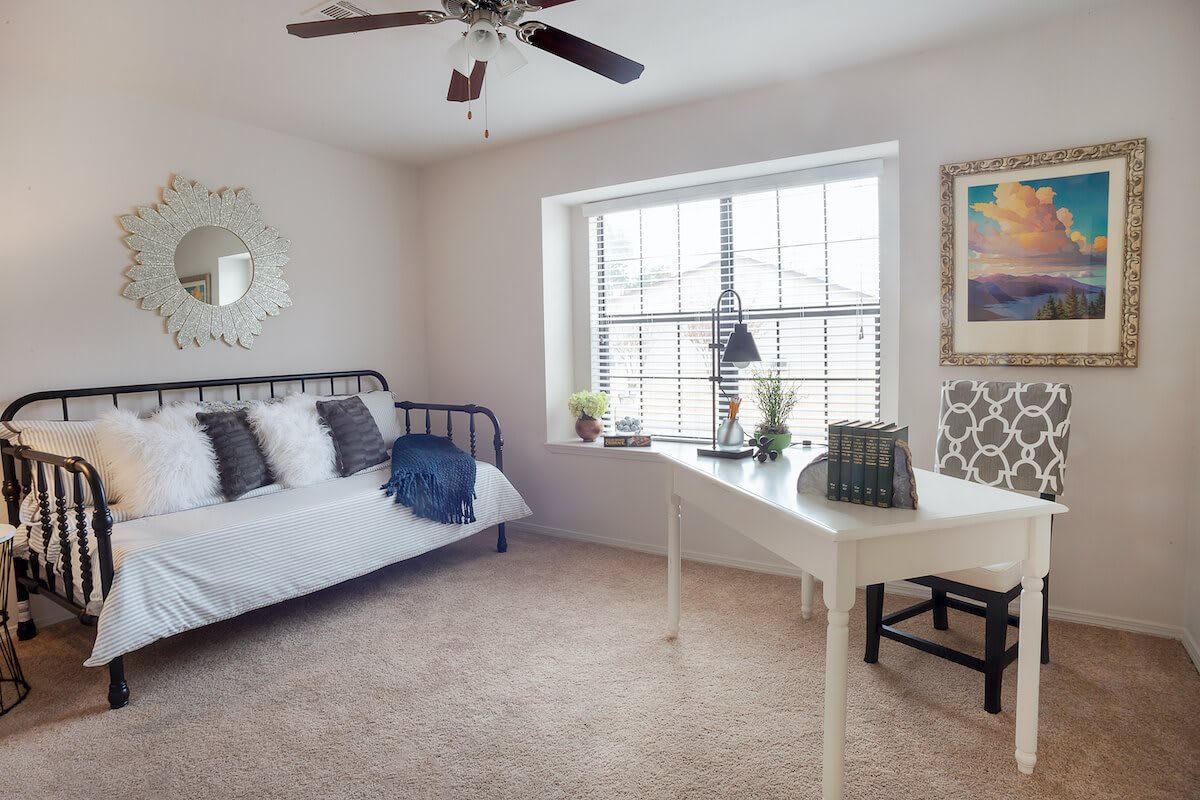
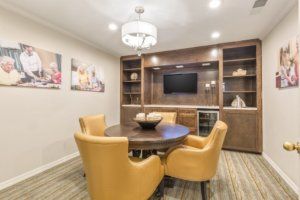
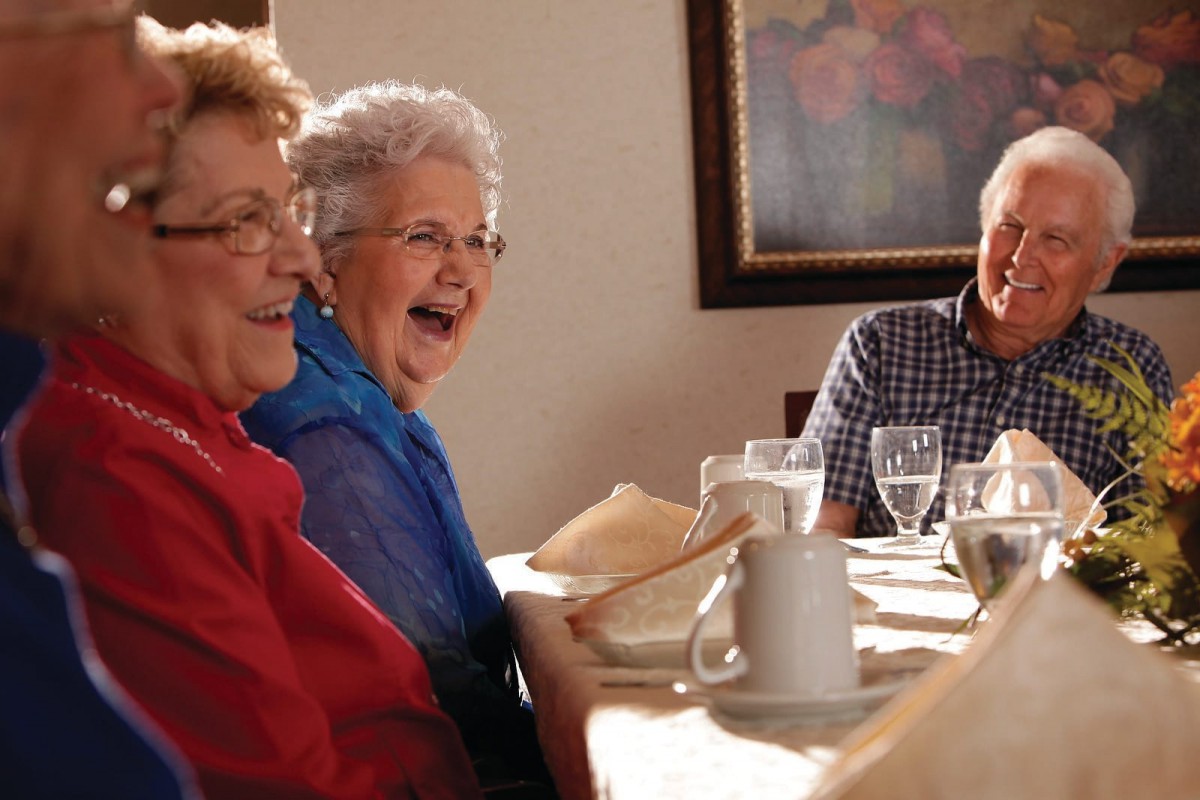
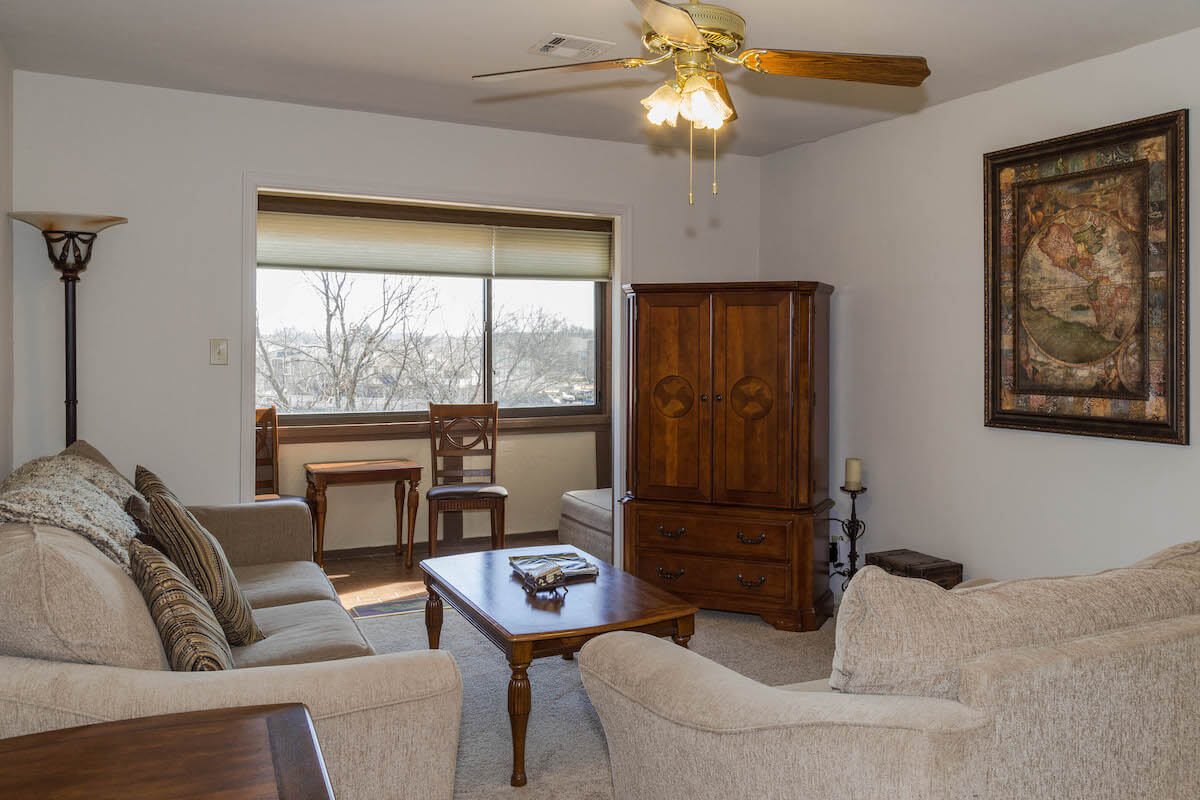
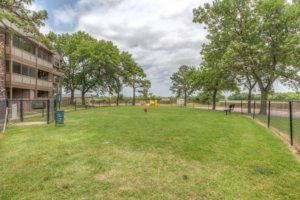
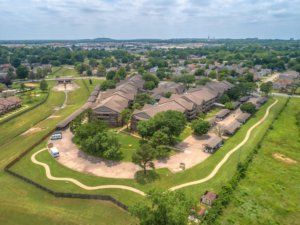
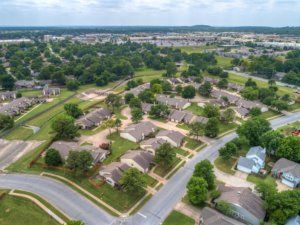
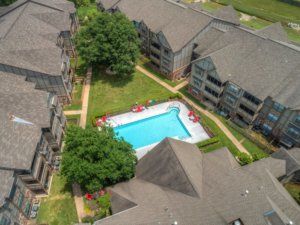
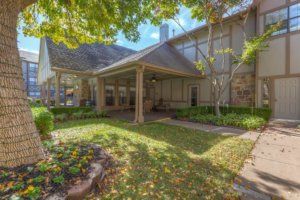
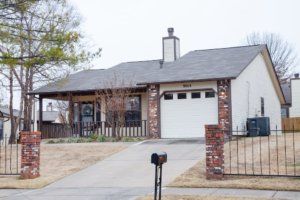
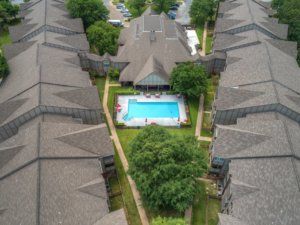
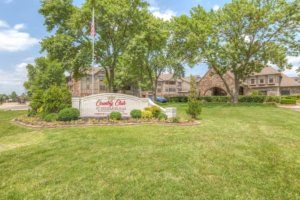
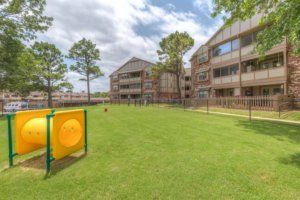
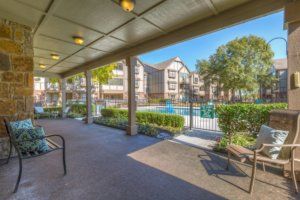
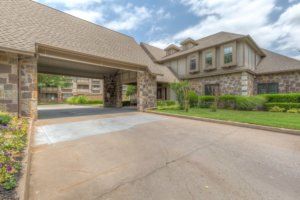
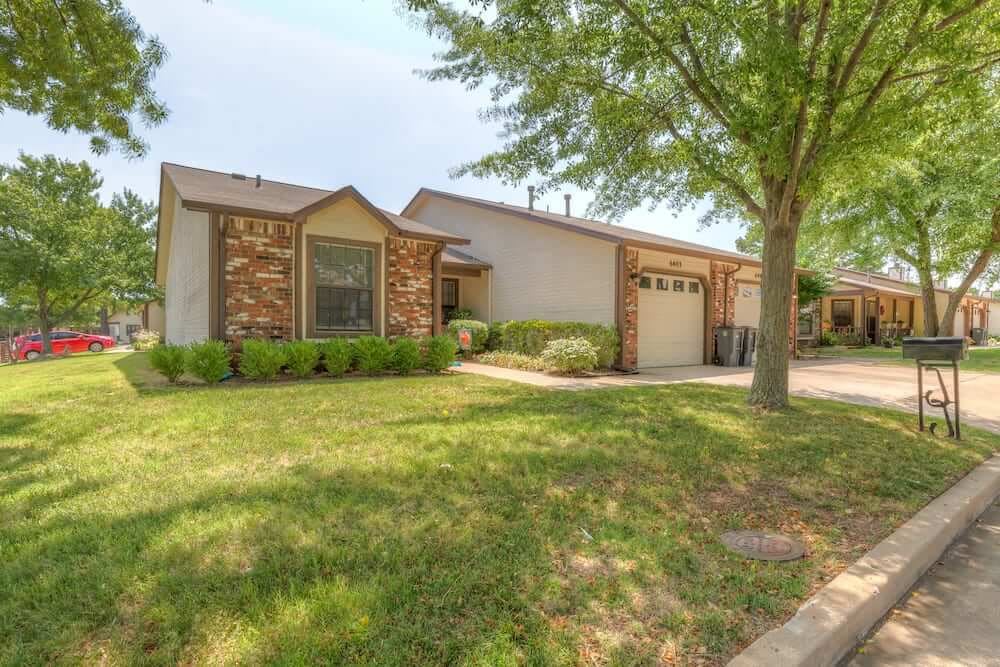
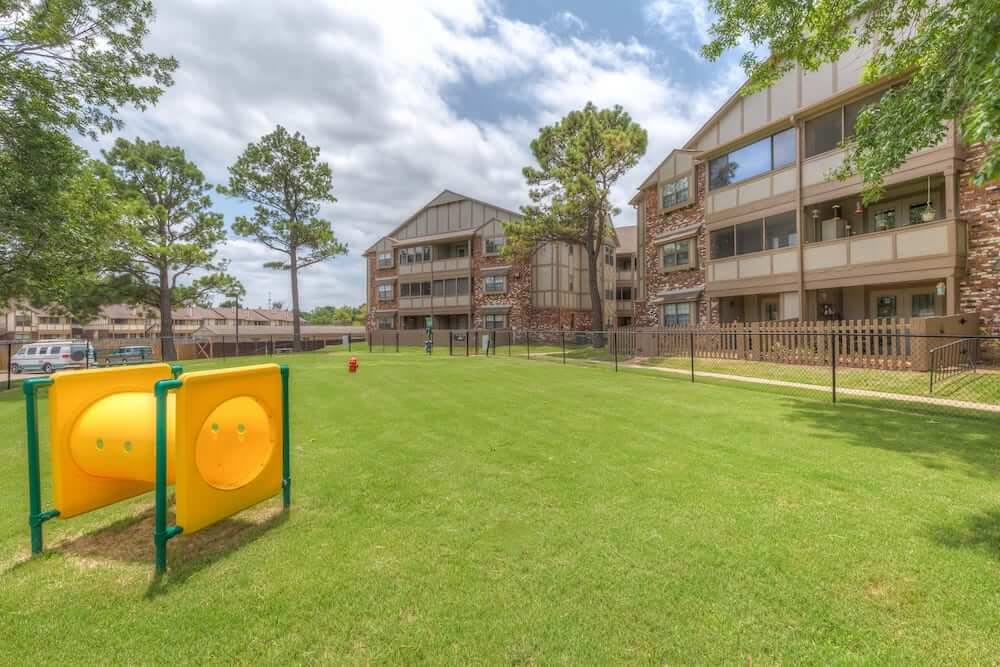
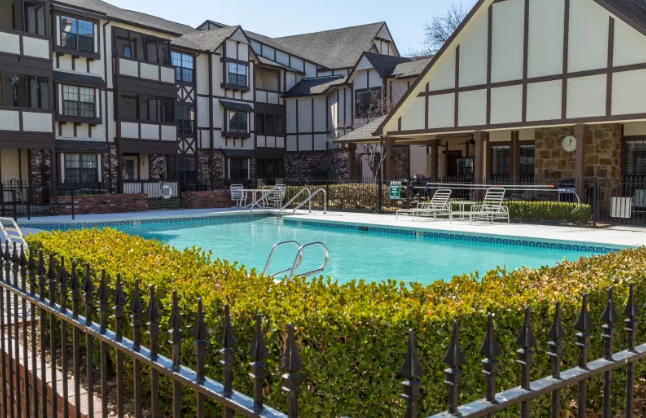
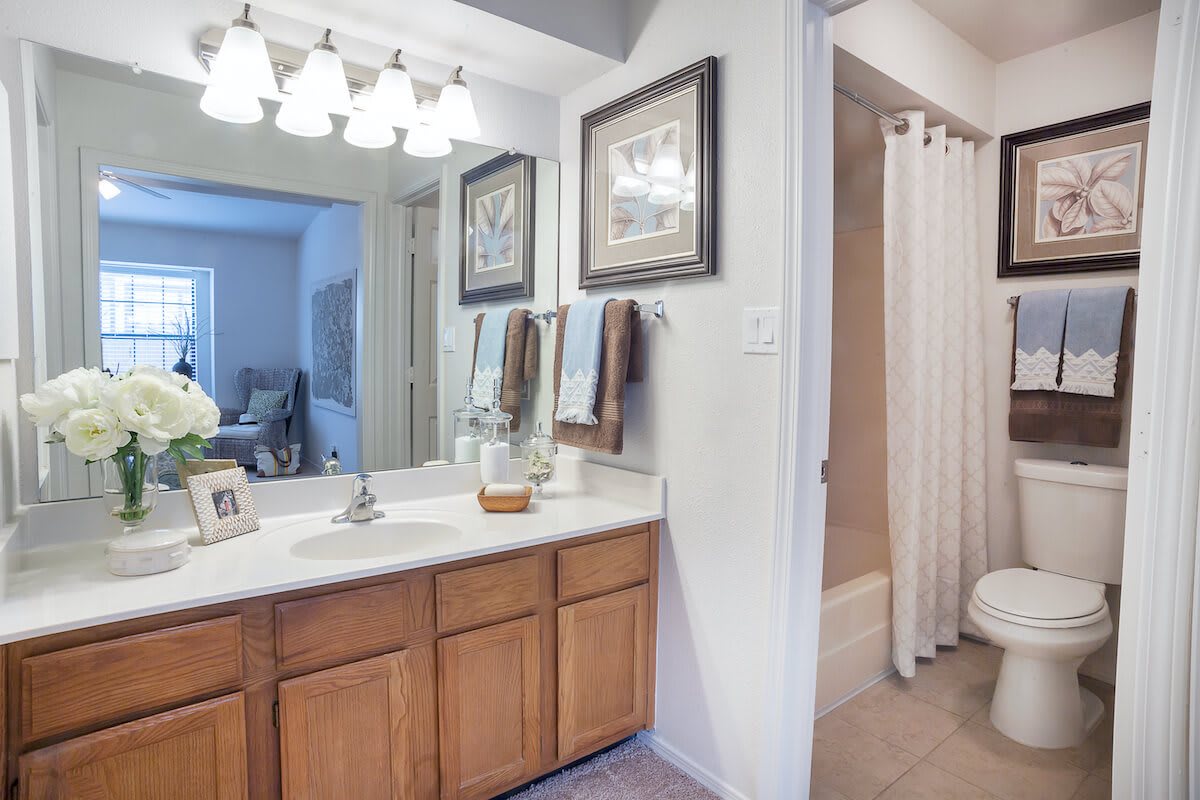
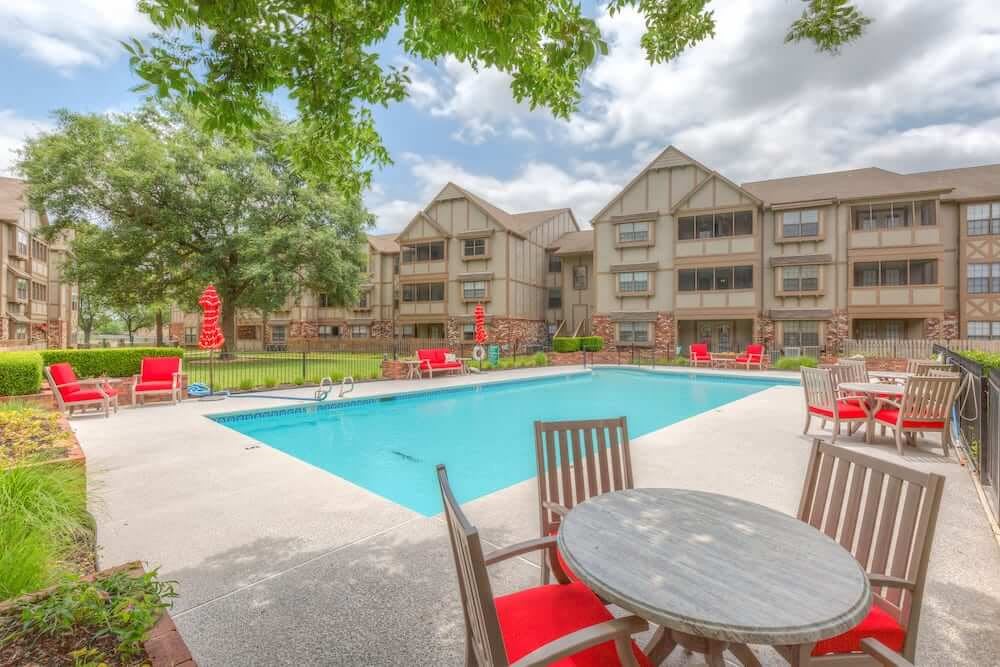
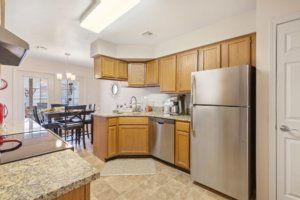
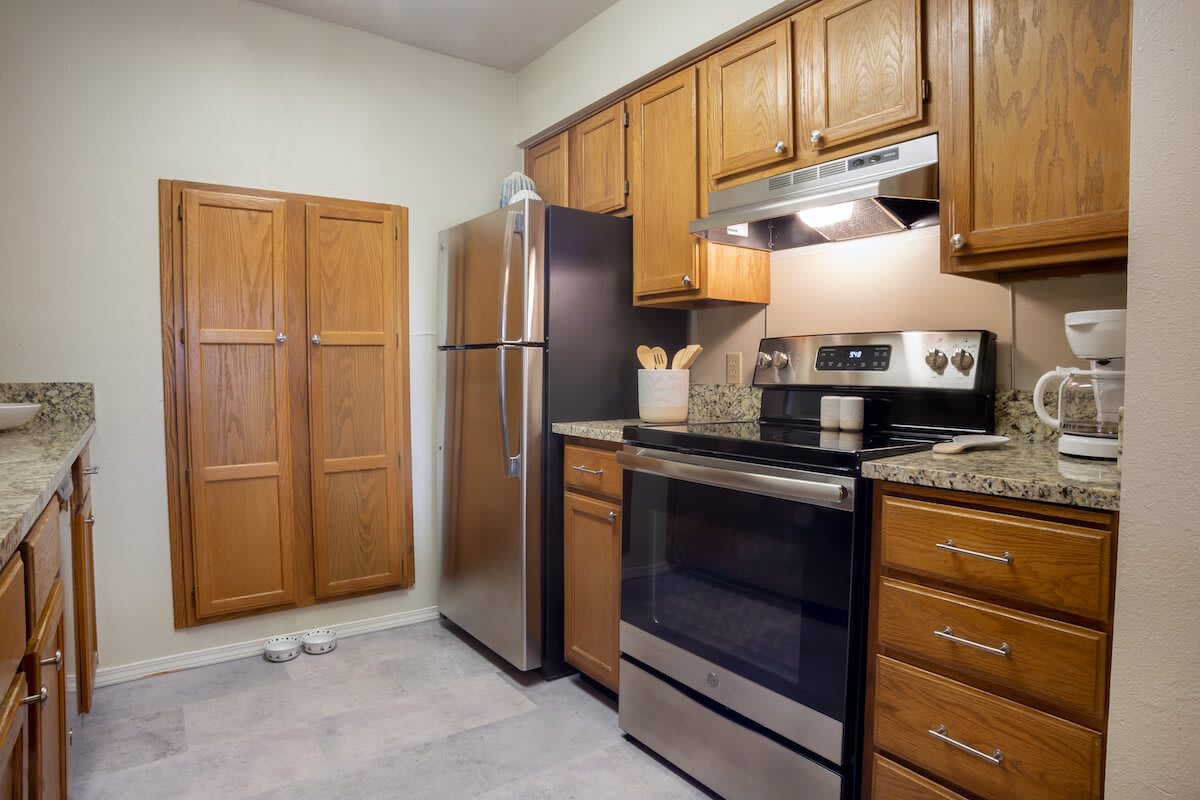
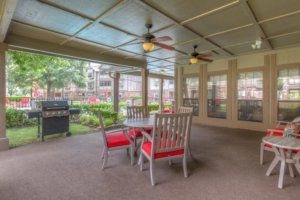
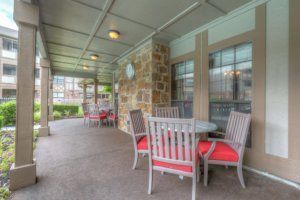
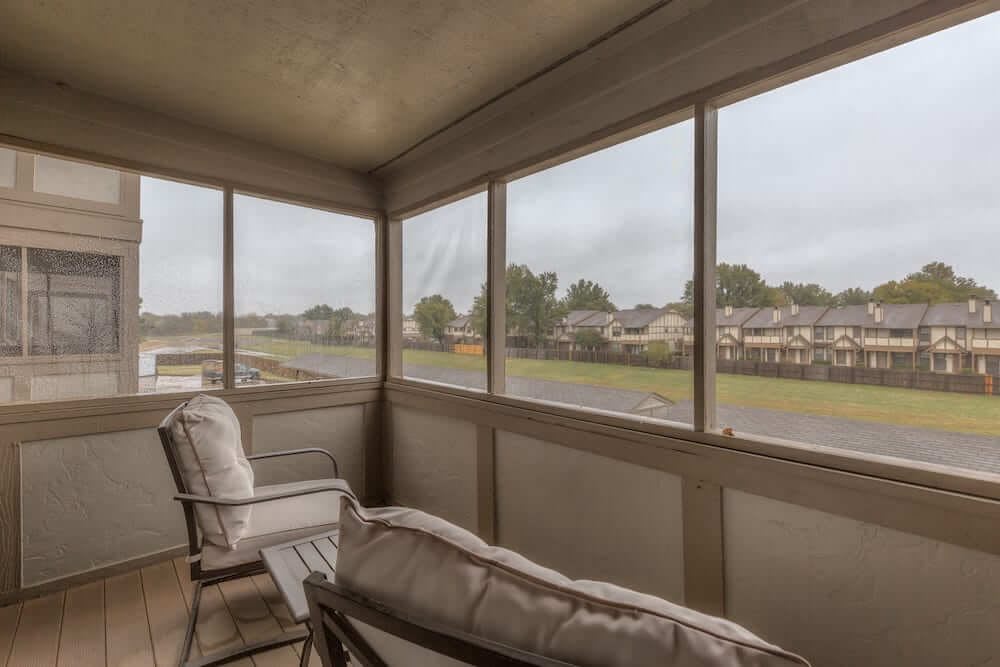
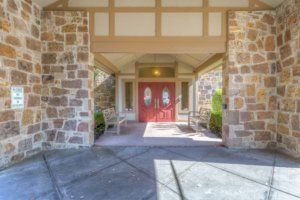
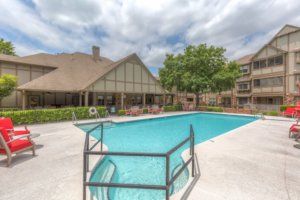
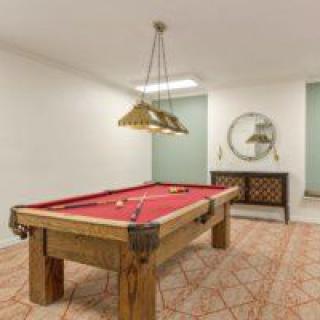
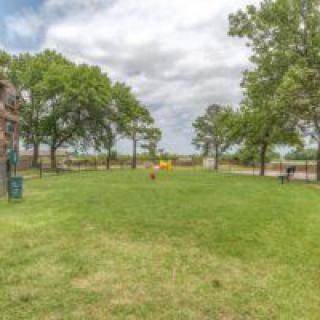
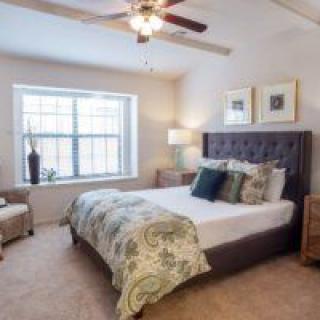
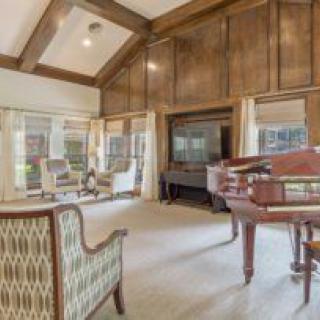
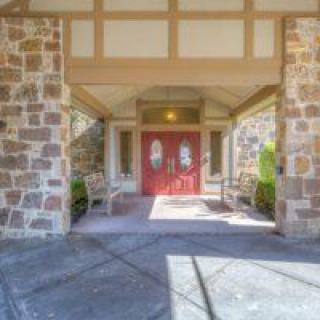
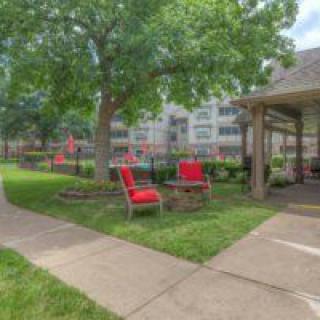
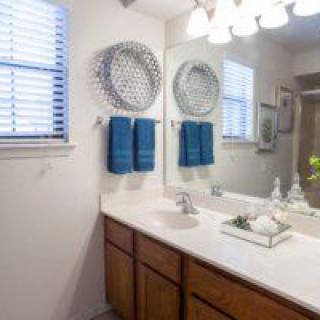
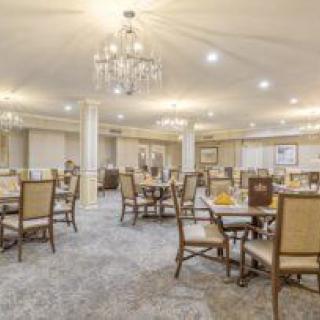
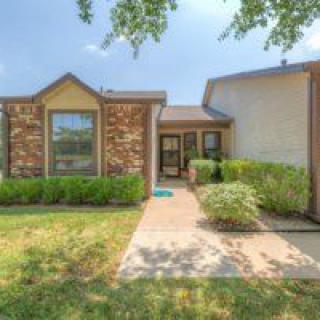
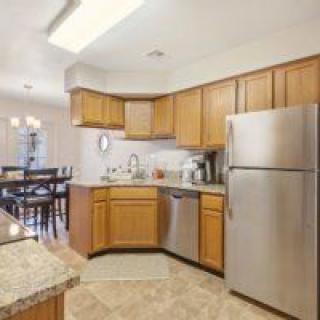
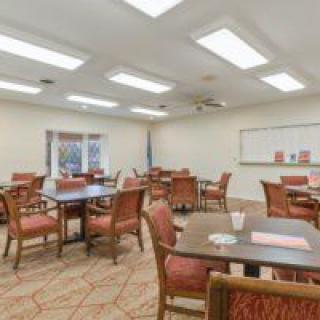
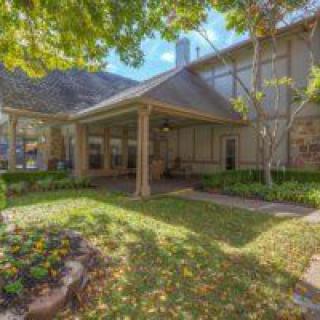
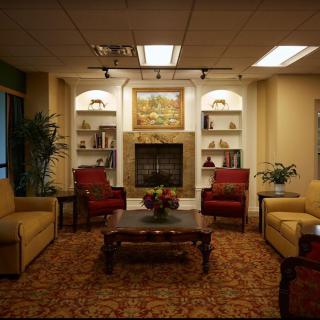
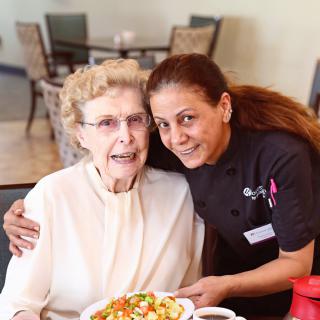
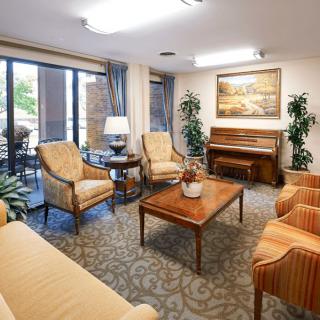
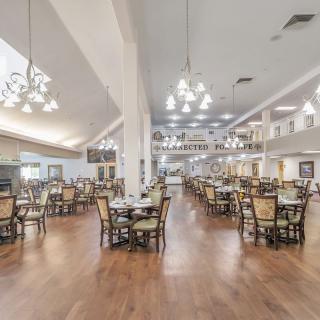
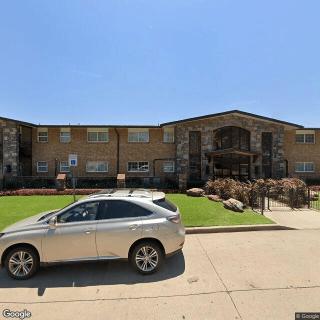
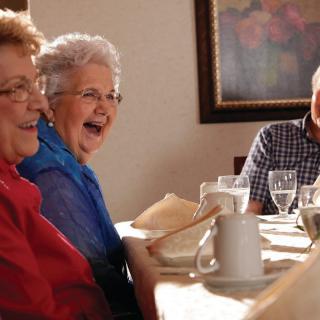
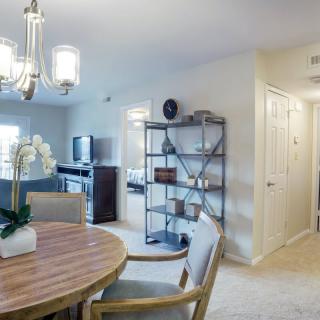
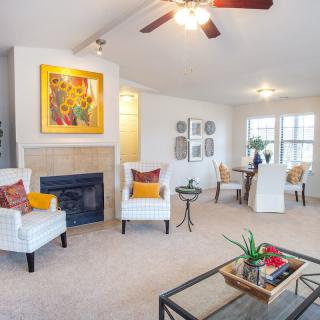
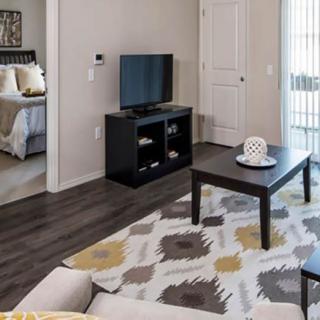
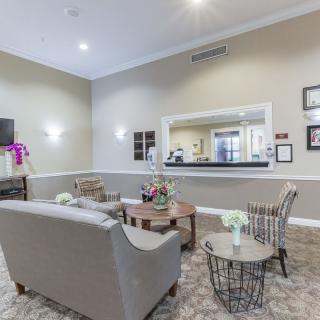
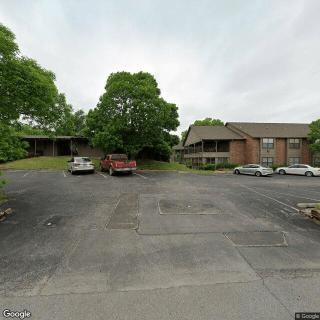
Country Club At Woodland Hills on seniors.fyi includes 98 photos including images showing interior, decor, dining, living room, landscaping, bedroom, chandelier, trees, and more.
Nearby Communities
Hope of Angels, Inc
Tulsa, OK
4.3 from 54 reviews
Strong access to nearby amenities and services (cafes, parks, pharmacies, hospitals, worship, theaters).
Senior Star At Woodland Terrace
Tulsa, OK
4.6 from 20 reviews
$2,225 to $3,540 / month
Friendly staff, clean facilities, engaging activities, and varied dining options.
Home Helpers of South Tulsa - Tulsa, OK
Tulsa, OK
Convenient access to dining, medical resources, and parks.
Legend At Mingo Road
Tulsa, OK
4.1 from 80 reviews
Exceptional, attentive staff in a clean, hotel-like environment with engaging activities.
Cedarhurst of Woodland Hills
Tulsa, OK
4.8 from 159 reviews
$3,100 to $3,600 / month
Friendly, attentive staff in a warm, active community with strong dining and activities.
The Cottage Extended Care
Tulsa, OK
3.3 from 63 reviews
$2,760 to $3,480 / month
Competitive pricing with extensive amenities and 24/7 care.
Forest Hills Assisted Living Retirement and Care Center
Broken Arrow, OK
4.6 from 46 reviews
$1,929 to $3,970 / month
Friendly, compassionate staff with a warm, homey atmosphere and engaging activities.
Town Village Tulsa
Tulsa, OK
4.4 from 84 reviews
$2,940 to $3,810 / month
Welcoming staff and a vibrant, activity-filled community in clean, spacious apartments.
Leisure Village Health Care Community
Tulsa, OK
2.9 from 29 reviews
$3,300 to $4,530 / month
Caring staff, engaging activities, and on-site therapy.
Home health care offers a range of clinical services provided in a patient's home, including nursing and therapy, tailored to individual needs, particularly for aging seniors with chronic conditions. This approach enhances patient independence, promotes better disease management, and utilizes technology for real-time monitoring while fostering collaboration among healthcare providers and family members.
Seniors benefit from ride-hailing services like Uber and Lyft, which provide convenient and accessible transportation options that promote independence and social engagement, while addressing mobility challenges. These platforms have adapted to meet senior needs with user-friendly features and safety measures, although costs can be a concern; community programs may help subsidize rides for older adults.
The guide outlines the eligibility criteria for home health care services, emphasizing clinical requirements, insurance options, and application processes. It distinguishes between Medicare's strict and Medicaid's flexible qualifications while addressing challenges families may face in securing necessary care at home.
Get PricingAsk A QuestionSchedule A TourContact Senior Advisor
By clicking submit, you agree to our Partner's Terms of Use. You
also consent to receive calls and texts, which may be autodialed, from our Partner. Your consent is not a condition to
using our Partner's service. Please visit our Partner's Privacy Policy for information about their privacy practices.




 1-bedroom apartments
 Independent Living
 Cats allowed
 Dogs allowed
 Activities off-site
 Air-conditioning
 Bath tubs
 Beautician on-site
 Cable or satellite TV
 Computer center
 Devotional services off-site
 Dining room
 Fireplaces
 Fitness room
 Full kitchen
 Fully furnished
 Gaming room
 Garden
 Ground floor units
 Housekeeping services
 Indoor common areas
 Move-in coordination
 Outdoor common areas
 Private bathrooms
 Respite or short term stays offered
 Restaurant-style dining
 Small library
 Swimming pool / hot tub
 Telephone
 Wellness center
 Wi-Fi/high-speed internet available
 Tulsa International (9 miles away)
 Community operated transportation
 24-hour call system
 Ambulatory care
 Assistance with dressing
 Hospice care
 Medication management
 Diabetes diet
 Special dietary restrictions
 Art classes
 Concierge services
 Cooking classes
 Day trips and outings
 Educational speakers / life long learning
 Protestant services
 Wine tasting
 Strong access to nearby amenities and services (cafes, parks, pharmacies, hospitals, worship, theaters).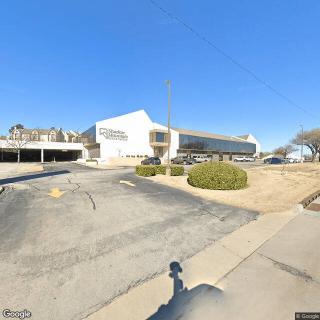


 Home Health Care Demystified: A Comprehensive Guide for Families and Caregivers
 Seniors and Modern Transportation: Exploring Uber, Lyft, and Other Ride-Hailing Options
 Comprehensive Guide to Qualifying for Home Health Care Services