Outdoor spaces like courtyards and patios show up often in resident feedback.
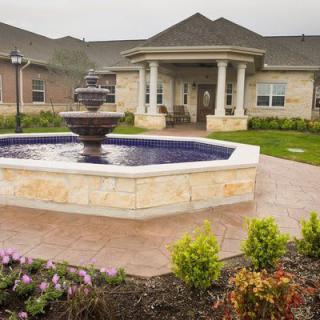
Several residents and family members mention the community’s outdoor space, including courtyards and patios that make it easier to get outside. Reviewers also describe using areas like the patio for gatherings and a garden for relaxing. Multiple comments highlight these spaces as a meaningful part of daily life at the community.
differentiator6 reviews mention this
Dining is consistently praised
Dining quality and variety are recurring strengths in reviews.
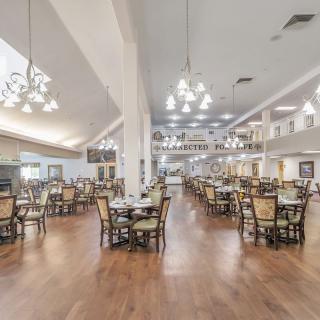
Residents and families repeatedly describe the dining room positively, including consistently good food and choices on the menu. Several reviewers say meals are enjoyable enough for family visits, and others specifically call out how much they liked the food after moving in. Restaurant-style dining is also listed as a community offering, aligning with what people mention about the dining experience.
caveat2 reviews mention this
Pricing feels high for some families
Some reviewers feel the community’s pricing runs high.
A couple of reviews point to cost as a concern, describing the pricing as very high compared with what they expected. One family also notes that while it can feel expensive, they felt the rate was still fair relative to other options they considered. Overall, the feedback suggests value depends on the situation, but price remains a recurring consideration.
How we summarize
Counts show how many written reviews mention each theme; a review can touch several themes, and only frequently mentioned themes are displayed.
Features
Housing
90 resident community capacity
Types of Care
Assisted Living
Memory Care
Respite Care
Amenities
Air-conditioning
Beauty salon
Cable or satellite TV
Computer center
Dining room
Fitness room
Fully furnished
Gaming room
Garden
Housekeeping services
Kitchenette
Move-in coordination
Outdoor space
Private bathrooms
Restaurant-style dining
Small library
Telephone
Wellness center
Wi-Fi/high-speed internet available
Transportation
Tulsa International (10 miles away)
Community operated transportation
Transportation arrangement
Transportation arrangement (non-medical)
Transportation to doctors appointments
Care Services
12-16 hour nursing
24-hour call system
24-hour supervision
Activities of daily living assistance
Assistance with bathing
Assistance with dressing
Assistance with transfers
Diabetes diet
Meal preparation and service
Medication management
Mental wellness program
Mild cognitive impairment
Special dietary restrictions
Specialized memory care programming
Dining
Diabetes diet
Special dietary restrictions
Activities
Community-sponsored activities
Concierge services
Fitness programs
Planned day trips
Resident-run activities
Scheduled daily activities
Nearby Places of Interest
Restaurants
Golden Corral (0.3 miles)
The Cheesecake Factory (0.6 miles)
Chuy's (0.7 miles)
Chick-Fil-A (0.9 miles)
Lanna Thai Restaurant (1 miles)
Olive Garden (1 miles)
Sonic Drive-In (1.4 miles)
Hospitals
Southwestern Regional Medical Center (0.5 miles)
St John Broken Arrow (4 miles)
St Francis Hospital (4.7 miles)
Theaters
Cinemark Tulsa (0.7 miles)
AMC Southroads 20 (4.4 miles)
Physicians
EyeCare Associates of South Tulsa (0.9 miles)
Children & Adolescent Medical Services (1.5 miles)
Legend At Mingo Road offers a comprehensive suite of services designed to address the unique needs of residents with dementia or Alzheimer's disease, fundamentally enhancing their quality of life. Assistance with dressing and bathing promotes personal hygiene and dignity, while meal preparation and service ensure that nutritional needs are met in a manner that is both appetizing and safe. The structured support for activities of daily living, including transfers, reduces the risk of accidents and fosters independence as much as possible. 24-hour supervision provides peace of mind for families, knowing that their loved ones are always monitored by trained professionals. Moreover, medication management ensures residents receive the correct dosages punctually, preventing complications associated with missed or incorrect medications. Programs focusing on mental wellness and specialized memory care programming address cognitive challenges through tailored activities that stimulate engagement and cognitive function, which is crucial for those experiencing mild cognitive impairment or advanced stages of memory loss. Together, these features create a nurturing environment conducive to enhancing memory care while respecting individual preferences and promoting overall well-being.
Nearby Communities
Senior Star At Woodland Terrace
Tulsa, OK
4.6 from 20 reviews
$2,225 to $3,540 / month
Friendly staff, clean facilities, engaging activities, and varied dining options.
Cedarhurst of Woodland Hills
Tulsa, OK
4.8 from 159 reviews
$3,100 to $3,600 / month
Friendly, attentive staff in a warm, active community with strong dining and activities.
Known Memory Care at Tulsa
Tulsa, OK
4.5 from 73 reviews
$4,750 to $5,250 / month
Very clean, inviting environment with compassionate staff and engaging activities.
Legend at Mingo Road
Tulsa, OK
4.3 from 114 reviews
$4,765 to $6,585 / month
Friendly, attentive staff in a clean, welcoming community with engaging activities.
The Cottage Extended Care
Tulsa, OK
3.3 from 63 reviews
$2,760 to $3,480 / month
Competitive pricing with extensive amenities and 24/7 care.
Mayfair Nursing Ctr
Tulsa, OK
3.1 from 52 reviews
Excellent access to medical care and nearby amenities.
Forest Hills Assisted Living Retirement and Care Center
Broken Arrow, OK
4.6 from 46 reviews
$1,929 to $3,970 / month
Friendly, compassionate staff with a warm, homey atmosphere and engaging activities.
Town Village Tulsa
Tulsa, OK
4.4 from 84 reviews
$2,940 to $3,810 / month
Welcoming staff and a vibrant, activity-filled community in clean, spacious apartments.
Morada Broken Arrow
Broken Arrow, OK
4.4 from 153 reviews
$2,250 to $3,560 / month
Friendly staff with engaging activities and well-maintained grounds.
Dementia, particularly Lewy body dementia, often involves hallucinations that can significantly distress both patients and caregivers due to disruptions in sensory processing and neurotransmitter imbalances. Effective management includes compassionate communication, environmental adjustments, and a multidisciplinary approach to care while addressing the emotional needs of caregivers.
Alzheimer’s disease is a progressive neurological disorder that significantly impacts memory and cognitive functions, accounting for 60-80% of dementia cases, with early diagnosis being crucial yet challenging. It involves brain changes like beta-amyloid plaques and tau tangles, influenced by genetic and lifestyle factors, and while there is no cure, symptom management and support for caregivers are essential.
Dementia, influenced by aging and certain medications, may be exacerbated by drug classes such as anticholinergics, benzodiazepines, and antipsychotics, which are associated with cognitive impairment. Regular medication reviews by healthcare professionals are crucial for older adults to manage risks and optimize cognitive health.
Get PricingAsk A QuestionSchedule A TourContact Senior Advisor
By clicking submit, you agree to our Partner's Terms of Use. You
also consent to receive calls and texts, which may be autodialed, from our Partner. Your consent is not a condition to
using our Partner's service. Please visit our Partner's Privacy Policy for information about their privacy practices.

 90 resident community capacity
 Assisted Living
 Memory Care
 Respite Care
 Air-conditioning
 Beauty salon
 Cable or satellite TV
 Computer center
 Dining room
 Fitness room
 Fully furnished
 Gaming room
 Garden
 Housekeeping services
 Kitchenette
 Move-in coordination
 Outdoor space
 Private bathrooms
 Restaurant-style dining
 Small library
 Telephone
 Wellness center
 Wi-Fi/high-speed internet available
 Tulsa International (10 miles away)
 Community operated transportation
 12-16 hour nursing
 24-hour call system
 Activities of daily living assistance
 Assistance with bathing
 Assistance with dressing
 Assistance with transfers
 Diabetes diet
 Medication management
 Mental wellness program
 Special dietary restrictions
 Concierge services
 Planned day trips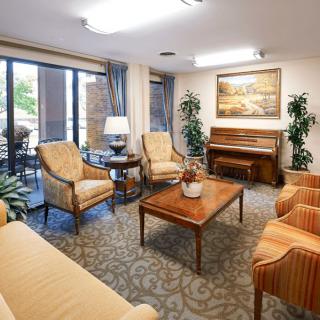
 Friendly staff, clean facilities, engaging activities, and varied dining options.


 Dementia-Related Hallucinations: Causes, Experiences, and Practical Approaches
 Illuminating Insights About Alzheimer's Disease: Ten Crucial Realities
 A Thorough Discussion of Medications Potentially Linked to Dementia Risk