The Cottage Extended Care

Save

  • Interior

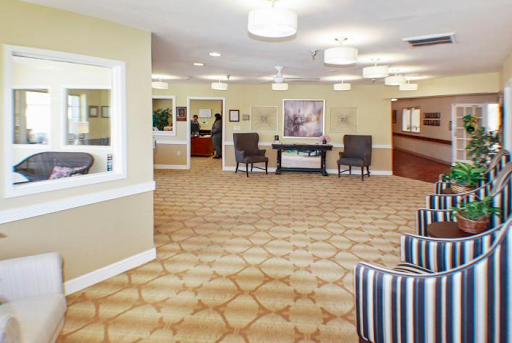
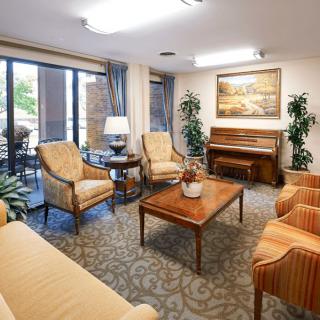
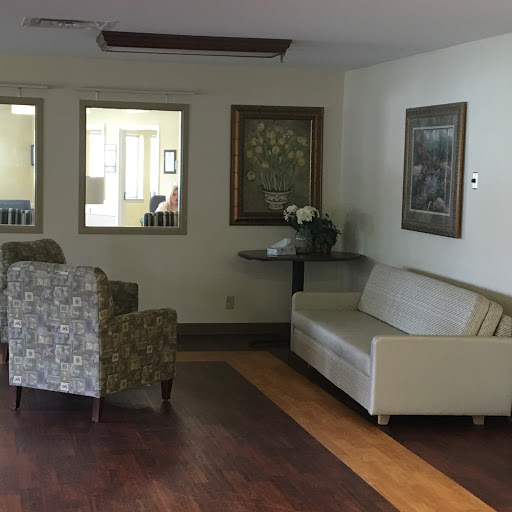
    A spacious and inviting lobby area with comfortable seating and modern decor.
  • Decor

    A colorful bouquet of flowers in a vase placed on a decorative table beside a framed artwork.
  • Building

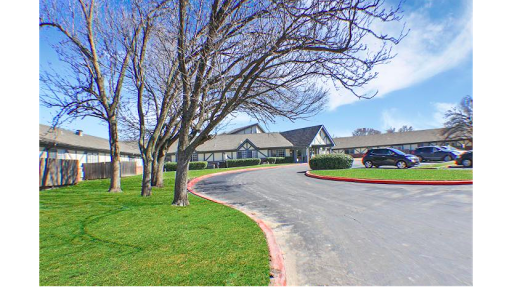
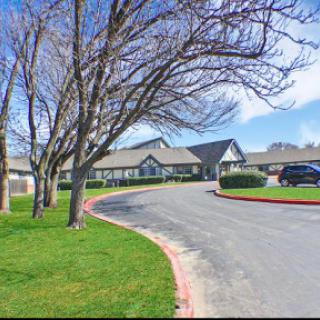
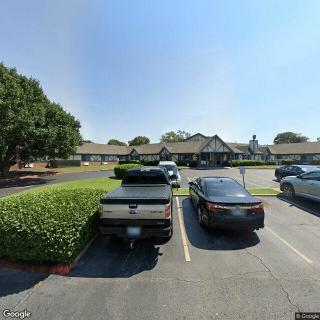
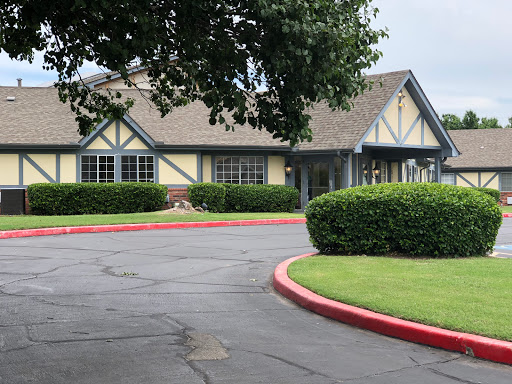
    A picturesque view of a building surrounded by trees and well-maintained grass, with a winding road leading up to it.
  • Architecture

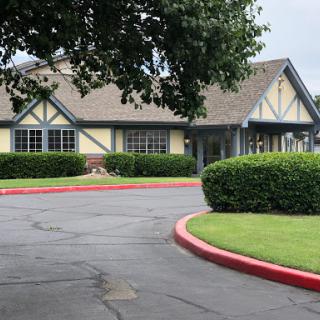
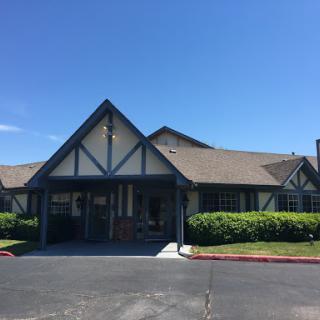
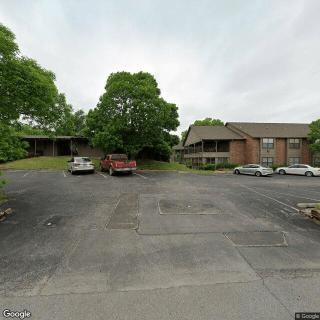
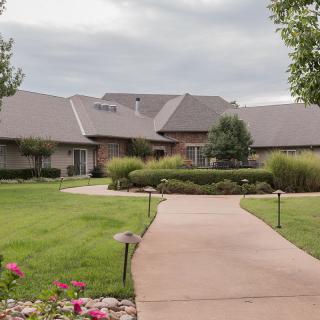
    A charming building surrounded by well-maintained landscaping and a curved driveway.
  • Bedroom

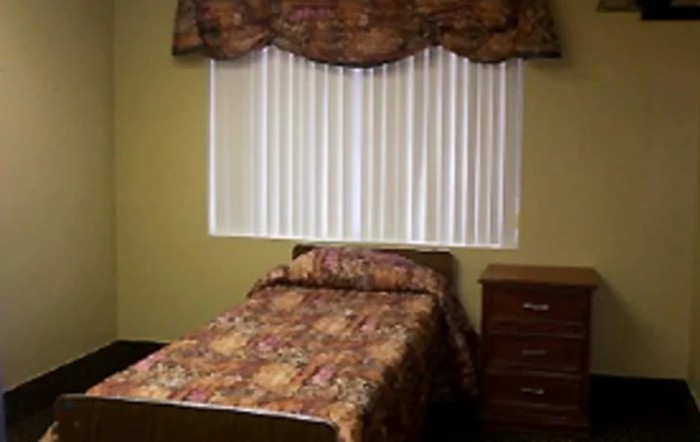
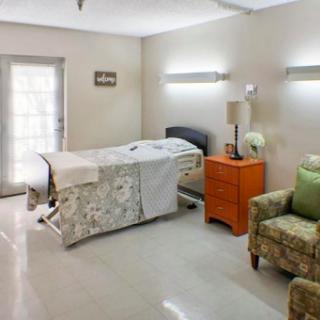
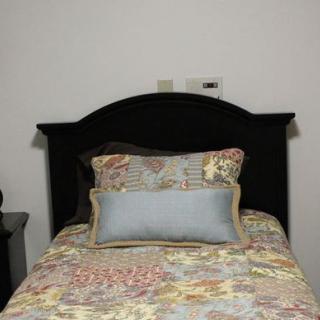
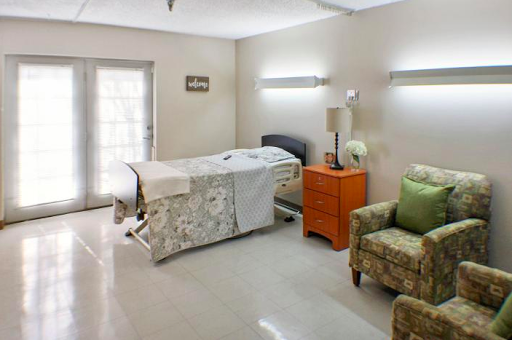
    A small bedroom with a single bed and dresser next to the window adorned with curtains.
  • Dining

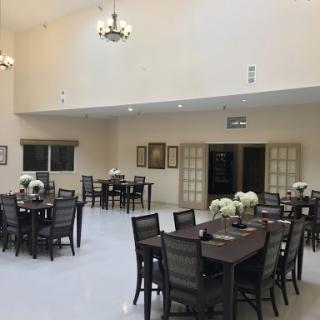
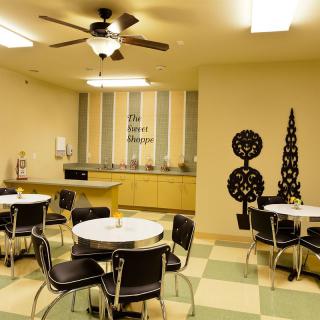
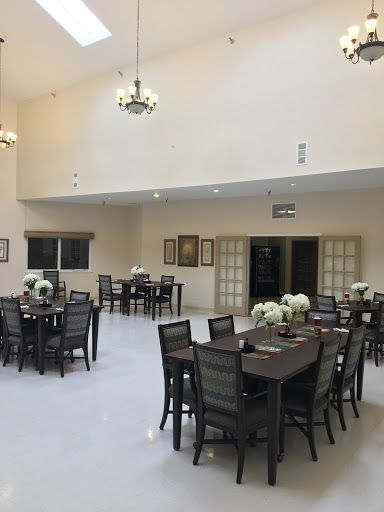
    A spacious dining area featuring elegant furniture and decorative flowers.
  • Landscaping

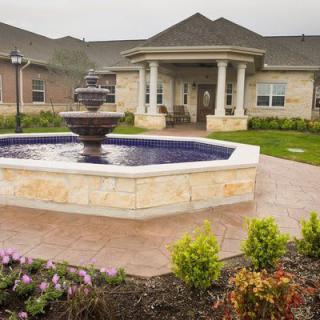
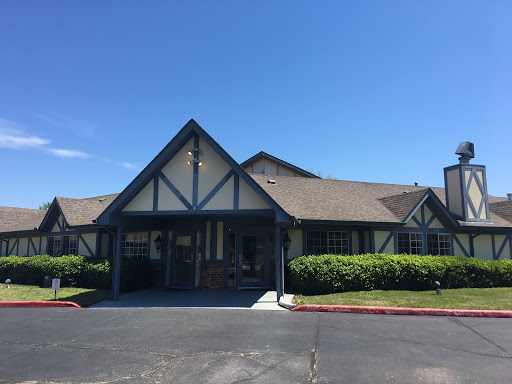
    A charming residential building with a unique architectural design under a clear blue sky.
  • Artwork

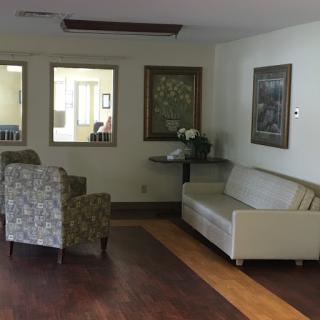
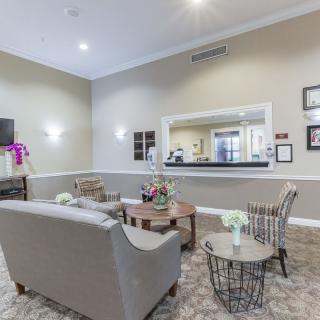
    A cozy seating area in a reception space, featuring a sofa and armchairs alongside decorative artwork.
  • Lobby

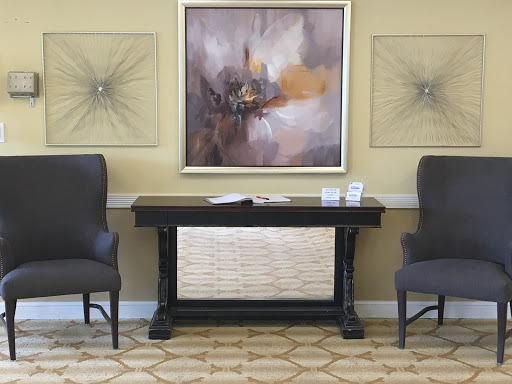
    A stylish interior setup featuring two chairs flanking a console table with abstract art on the wall.
  • Lounge

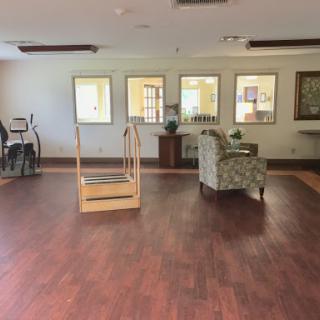
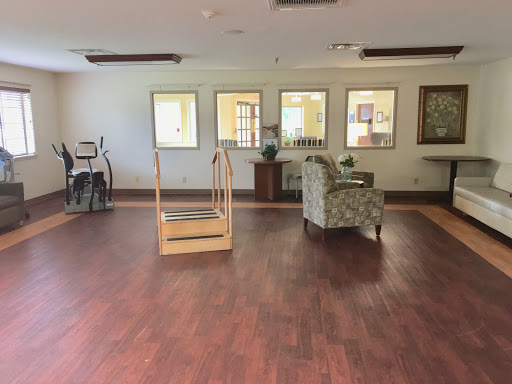
    A spacious and empty lounge area featuring a wooden floor, a patterned chair, and rehabilitation equipment in the corner.
  • Rehabilitation

    A cozy and well-lit patient room in a medical facility.
  • Caregiver

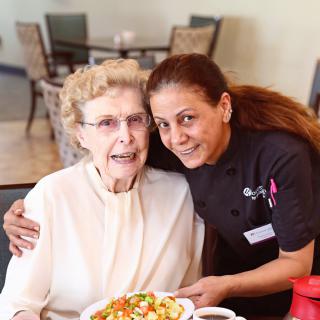
    An elderly woman is receiving assistance from a caregiver while reading a newspaper.
  • Recreation Room

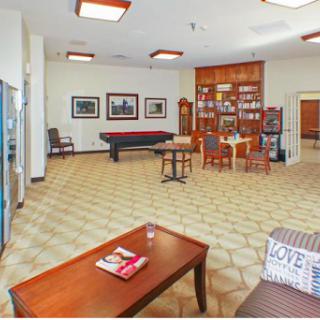
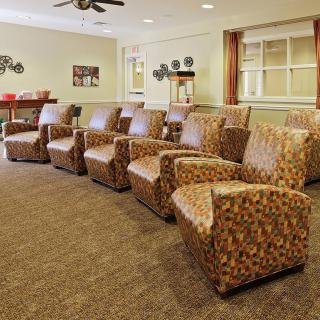
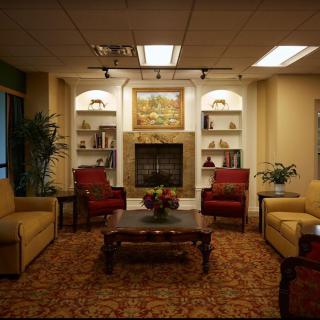
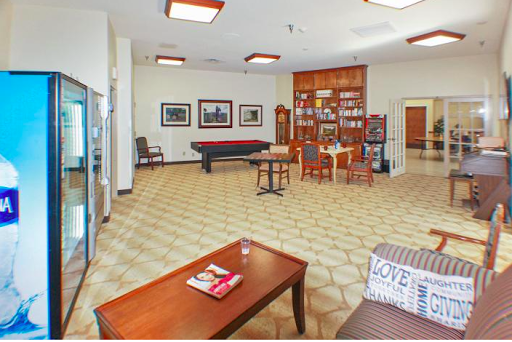
    A cozy lounge area featuring comfortable seating, a bookshelf, and recreational amenities.

The Cottage Extended Care

7707 South Memorial Drive, Tulsa, OK 74133

For more information about senior living options: (844) 490-3973

3.1 from 52 reviews
5 stars
24
4 stars
3
3 stars
1
2 stars
1
1 stars
23

Skilled Nursing Facility

The Cottage Extended Care Costs & Pricing

The Cottage Extended Care offers competitive pricing for its services compared to the broader market in Tulsa County and across Oklahoma. For a semi-private room, the monthly cost is set at $2,760, which is notably more affordable than the county average of $3,624 and the state average of $4,053. Similarly, residents opting for a private room at The Cottage Extended Care will pay $3,480 - again, less than both the county's average rate of $3,774 and the state's higher average of $4,618. This positioning not only reflects a commitment to providing quality care but also underscores The Cottage's dedication to making extended care accessible without compromising on standards.

Floor plansThe Cottage Extended CareTulsa CountyOklahoma
Semi-Private$2,760$3,624$4,053
Private$3,480$3,774$4,618

What level of care are you interested in?

Assisted Living

Memory Care

Independent Living

Skilled Nursing Facility

Continuing Care Retirement Community (CCRC)CCRC

Other


Request a tour at The Cottage Extended Care

    Overall Review of The Cottage Extended Care

    Pros

    • pro Jamie was very responsive and helped families in a great time of need.
    • pro The skilled nursing unit staff were extremely helpful and did their jobs to the best of their abilities.
    • pro The Physical Therapy staff was great and helped a lot.
    • pro The staff are caring and competent, and there is a great deal of confidence in them.
    • pro Everyone at The Cottages is working hard to take care of their loved ones.
    • pro The building has caring and attentive staff.
    • pro The administrator is attentive and willing to listen, fixing issues in a timely manner.
    • pro The staff are professional, caring, and attentive.
    • pro The facility is very clean, has good food, and understanding staff; overall, a great place to be.
    • pro At The Cottage, the staff were amazing and kind; the PT/OT/Speech services were fantastic and helped residents regain their mobility.

    Cons

    • pro One reviewer describes the facility as dirty and poorly run, with a smell like an animal shelter and almost no cleaning supplies.
    • pro Another reviewer notes residents were not served meals and the place seemed to lack basic hygiene, even suggesting a shower was needed after visits.
    • pro A reviewer calls the place "trash," citing high costs, neglect, and poor management of the resident's diabetes and nutrition.
    • pro A reviewer labels it a nightmare, citing dirty conditions, rude and uncaring staff, and even stolen belongings.
    • pro A reviewer claims it is the worst nursing home in Oklahoma, with rats and rodents and unprofessional staff endangering patient safety.
    • pro A family alleges neglect leading to bruises, pain, and missing medications and equipment after discharge.
    • pro A reviewer accuses the facility of continuing to take the Social Security check after discharge.
    • pro A reviewer recounts a scene of unsanitary conditions, with overused beds, and threats of tubes if meals were not eaten.
    • pro A reviewer notes cockroaches, leaks, and a generally filthy environment with many staff who are rude.
    • pro A reviewer states that some staff discourage showers to avoid doing them, contributing to poor hygiene.

    Review

    The collection of notes about COX Healthcare and its affiliated senior-care communities presents a wide range of experiences, from heartfelt gratitude to harrowing warnings. Taken together, the messages depict a landscape where individual interactions and local conditions can swing dramatically - depending on the unit, the administrator on duty, and the specific staff team involved. Some families speak of responsive, compassionate care that restored confidence during difficult times, while others report conditions and practices that left loved ones exposed to risks or distress. The contrast is stark enough that readers walk away with a sense that quality of care is not uniform across the board but highly dependent on who is in charge on a given day.

    On the positive side, several reviewers highlight highly commendable efforts and outcomes. One advisor, Charlie Redding, credits Jamie and Hilary and the COX Healthcare team with being responsive during "a great time of need" for multiple families seeking skilled nursing and long-term care services. This praise speaks to a level of attentiveness and coordination that makes a tangible difference for families navigating difficult decisions. Other comments describe staff who are caring, competent, and attentive, with specific mention of supportive physical therapy, occupational therapy, and speech therapy teams, as well as administrators who listen and address concerns promptly. In one instance, a family expressed strong confidence in the staff after years of interaction, noting that the team is capable and genuinely dedicated to their loved one. There are also repeated kernels of appreciation for clean environments, good food, and staff who strive to meet individual needs and preferences, with several reviewers emphasizing how this care translated into meaningful improvements in daily life and independence for residents.

    The Cottage, in particular, emerges repeatedly as a place where families found warmth and effectiveness in care, especially in the skilled nursing and rehabilitation phases. Several accounts praise the rehab team - PT, OT, and speech therapists - who helped a patient regain mobility and return home more quickly than expected. Families describe staff as "amazing," "sweet," and "wonderful" to their loved ones, with some noting that the overall environment felt supportive and welcoming. In addition, one reviewer recounts a long-term positive relationship with staff, characterized by consistent care and engagement, which can be transformational for someone living with chronic needs. Even amid broader praise, some statements recognize leadership and admin responsiveness as a key factor in the quality of experience, suggesting that strong governance and clear channels for feedback can translate into better outcomes for residents.

    However, the bulk of the published notes express serious concerns and dissatisfaction. A sizable number of comments portray conditions that are far below acceptable standards: pervasive filth and odors, and a sense that cleanliness and infection-prevention practices are insufficient. Several readers describe rooms left in disarray, leaks in the roof, cockroaches, and a general impression of neglect. These accounts frequently juxtapose visible problems with claims of unresponsiveness or miscommunication from staff, including situations where residents' meals, hygiene, or essential care appeared to be delayed or inadequately provided. In the most severe cases, reviewers report unsafe care practices, unaffordable costs paired with poor outcomes, and even allegations of patient harm, such as trips, bruises, or inappropriate handling after injuries. The strongest warnings label the facility as dangerous or unreliably managed, urging families to seek other options.

    The negative experiences also extend to issues that go beyond cleanliness or mood. Some reviewers cite cases of theft or misplacement of personal items, suggesting lapses in accountability and resident safety. Others report systemic problems such as understaffing, inconsistent care standards, and questions about the management of medical needs - ranging from diabetes management to post-surgical recovery - leading to fears about long-term well-being. A few stories are especially pointed: a family describes a grandmother who suffered neglect and was not served meals or adequately cared for; another recounts a husband who died after a short stay, with allegations of missing medications and other essential items. These accounts carry strong emotional weight and provoke questions about safety, accountability, and the overall culture of care in the facility.

    There are also voices that reflect doubt and caution, even within mixed environments. A reviewer who had just a short exposure to care noted that, despite disturbing reviews, their initial experience with the facility was positive: staff appeared personable, attentive, and communicative, and they intended to stay engaged and provide updates. Other comments acknowledge that personal experiences can improve with time or with a different unit or caregiver, noting days when the environment felt cleaner, the food was better, and staff were more responsive. Taken together, these mixed experiences illustrate how quickly perception can shift in a care setting, depending on day-to-day staffing, unit leadership, and the specific resident's needs.

    In sum, the reflections convey that COX Healthcare and The Cottage/related facilities host a spectrum of care experiences. For some families, dedicated staff, responsive administrators, and robust rehabilitation services create moments of real relief and progress, offering reassurance during vulnerable times. For others, concerns about cleanliness, safety, nutritional adequacy, and accountability raise alarms about the level of risk and the potential for harm. Given this range, prospective families are encouraged to conduct thorough on-site visits, ask pointed questions about staffing ratios, cleanliness protocols, incident and theft reporting, medication management, and post-discharge planning, and seek consistency in care standards across units. The consistently strong praise for some teams and the clearly articulated red flags from others suggest that outcomes may hinge as much on local leadership and daily staffing as on the institution's formal reputation.

    Features

    Housing

    • 176 resident community capacity 176 resident community capacity

    Types of Care

    • Skilled Nursing Facility Skilled Nursing FacilitySkilled Nursing Facilities are crucial for seniors as they provide round-the-clock medical care, rehabilitation services, and assistance with daily activities. These facilities ensure that seniors receive the specialized care they need to maintain their health and well-being as they age.

    Amenities

    • Air-conditioning Air-conditioningAir conditioning is important for seniors as they are more vulnerable to heat-related illnesses and may have underlying health conditions that make it difficult for them to regulate their body temperature. It helps to keep them comfortable, safe, and healthy in hot weather.
    • Beauty salon Beauty salonBeauty salons are important for seniors because they provide a space for them to feel pampered, socialize, and maintain their personal grooming and hygiene. Regular visits to a beauty salon can help boost seniors' self-esteem and overall well-being.
    • Cable or satellite TV Cable or satellite TVCable or satellite TV is important for seniors because it provides entertainment, news, and companionship, helping to combat loneliness and boredom. It also offers a wide range of programming options tailored to different interests and preferences.
    • Computer center Computer centerA computer center is essential for seniors as it provides access to technology, communication tools, and resources that can enhance their daily lives. It allows them to stay connected with loved ones, engage in online activities, and learn new skills, ultimately promoting socialization and mental stimulation.
    • Dining room Dining roomDining rooms are important for seniors as they provide a space for socialization, connection, and nutritious meals. They offer opportunities for residents to bond over shared meals, foster a sense of community, and promote healthy eating habits. Dining rooms also ensure that seniors have access to well-balanced meals tailored to their dietary needs and preferences.
    • Fitness room Fitness roomHaving a fitness room in a senior living community is essential for seniors to stay active, maintain their physical health, and improve their overall well-being. Regular exercise can help prevent falls, reduce the risk of chronic diseases, and promote mental sharpness. It also provides social opportunities for residents to connect with others and enjoy a sense of community.
    • Fully furnished Fully furnishedFully furnished senior living communities are important for seniors because they provide convenience, comfort, and a hassle-free moving experience. Seniors can easily settle into their new living space without the stress of having to buy and move furniture. This allows them to focus on enjoying their new home and community.
    • Gaming room Gaming roomGaming rooms are important for seniors as they provide a fun and engaging environment for socializing, cognitive stimulation, and physical activity. Games can improve memory, problem-solving skills, and overall mental well-being while fostering friendships and reducing feelings of isolation.
    • Garden GardenGardens are important for seniors as they provide a peaceful and therapeutic environment for relaxation, physical activity, and socialization. Being in nature has been shown to reduce stress, improve mood, and promote overall well-being. Gardens also offer opportunities for seniors to engage in gardening activities, which can improve mobility, flexibility, and cognitive function. Additionally, gardens create a sense of community and connection with others who share a passion for plants and outdoor spaces.
    • Housekeeping services Housekeeping servicesHousekeeping services are important for seniors because they help maintain a clean and safe living environment, promote independence, and reduce the risk of accidents or illnesses. Additionally, having assistance with household chores can alleviate physical strain and allow seniors to focus on other aspects of their well-being.
    • Kitchenette KitchenetteKitchenettes are important for seniors living in senior living communities because they provide the convenience and independence of being able to prepare simple meals and snacks in the comfort of their own living space. This can help promote a sense of autonomy and well-being for seniors, allowing them to maintain some level of control over their dietary choices and daily routines.
    • Move-in coordination Move-in coordinationMove-in coordination is important for seniors because it helps ease the transition into their new living environment. It ensures that all logistics, such as packing, organizing movers, and setting up utilities are taken care of, allowing seniors to focus on settling in and adjusting to their new home. Having a smooth move-in process can alleviate stress and anxiety, making the transition smoother and more enjoyable for seniors.
    • Outdoor space Outdoor spaceOutdoor spaces are important for seniors as they provide opportunities for physical activity, social interaction, exposure to natural light and fresh air, and a sense of connection to nature. Having access to outdoor spaces can improve overall well-being and quality of life for older adults living in senior communities.
    • Private bathrooms Private bathroomsPrivate bathrooms are important for seniors in senior living communities because they provide independence, dignity, and comfort. Having a private bathroom allows seniors to maintain their personal hygiene routines without the need for assistance, promoting a sense of autonomy and privacy. Additionally, private bathrooms help prevent the spread of infections and provide a safe and clean environment for seniors to navigate safely.
    • Restaurant-style dining Restaurant-style diningRestaurant-style dining is important for seniors because it allows them to enjoy delicious, nutritious meals in a social and upscale setting. This enhances their dining experience, promotes healthy eating habits, and fosters socialization with fellow residents, ultimately contributing to their overall well-being and quality of life.
    • Small library Small librarySmall libraries are important for seniors as they provide access to a variety of reading materials, including books, newspapers, and magazines. This can help stimulate their minds, keep them engaged, and provide a sense of community through book clubs and other social activities. Additionally, reading has been shown to improve cognitive function and overall mental well-being in older adults.
    • Telephone TelephoneTelephones are important for seniors as they provide a lifeline for communication with loved ones, emergency services, and healthcare providers. They offer a sense of security and independence, enabling seniors to stay connected and access assistance when needed.
    • Wellness center Wellness centerWellness centers are important for seniors because they offer a variety of programs and services that promote physical, mental, and emotional well-being. These centers provide opportunities for exercise, socialization, education, and relaxation, helping seniors maintain their overall health and quality of life.
    • Wi-Fi/high-speed internet available Wi-Fi/high-speed internet availableWi-Fi/high-speed internet is important for seniors to stay connected with loved ones, access online resources, and participate in virtual activities to combat feelings of loneliness and isolation. It also allows them to easily manage healthcare needs, access entertainment, and engage in lifelong learning opportunities.

    Transportation

    • Tulsa International (10 miles away) Tulsa International (10 miles away)
    • Community operated transportation Community operated transportationCommunity operated transportation is crucial for seniors as it provides them with the means to access essential services, social activities, and medical appointments. It allows seniors to maintain their independence and quality of life by ensuring they can participate in activities outside of their homes. Additionally, community-operated transportation services offer a safe and reliable way for seniors to travel without having to rely on family or friends for assistance.
    • Transportation arrangement Transportation arrangementTransportation arrangements are crucial for seniors as they may face challenges with driving, mobility, or access to public transportation. Having reliable transportation services ensures that seniors can easily attend appointments, social activities, and maintain their independence and quality of life.
    • Transportation arrangement (non-medical) Transportation arrangement (non-medical)Transportation arrangements are essential for seniors as they provide access to essential services, activities, and social interactions outside the home. This service helps maintain independence, mobility, and overall well-being for seniors who may have limited transportation options.
    • Transportation to doctors appointments Transportation to doctors appointmentsTransportation to doctors appointments is crucial for seniors as it ensures they have access to necessary medical care and support, promoting their health and well-being. It allows them to receive timely treatment, monitor existing conditions, and address any new health concerns efficiently. Additionally, transportation services can help seniors maintain their independence and quality of life by enabling them to stay connected with their healthcare providers.

    Care Services

    • 12-16 hour nursing 12-16 hour nursing12-16 hour nursing care is crucial for seniors in order to ensure around-the-clock monitoring, timely medication administration, and prompt response to any health concerns or emergencies. This level of care helps to promote the overall well-being and safety of seniors living in senior living communities.
    • 24-hour call system 24-hour call system24-hour call systems are important for seniors because they provide peace of mind and immediate assistance in case of emergencies. This technology ensures that help is always available, promoting safety and security for elderly individuals living alone or in assisted living facilities.
    • 24-hour supervision 24-hour supervision24-hour supervision is important for seniors to ensure their safety, well-being, and access to immediate assistance in case of emergencies or health issues. This constant support provides peace of mind for both seniors and their loved ones, allowing them to age in place with dignity and security.
    • Activities of daily living assistance Activities of daily living assistanceActivities of daily living assistance are important for seniors because they provide essential support with tasks such as eating, bathing, dressing, and mobility. This assistance helps seniors maintain their independence, dignity, and overall quality of life as they age.
    • Assistance with bathing Assistance with bathingAssistance with bathing is crucial for seniors as it helps maintain personal hygiene, prevents infections, and ensures their overall well-being and comfort. It also provides a sense of dignity and independence for seniors who may struggle with this task on their own.
    • Assistance with dressing Assistance with dressingAssistance with dressing is important for seniors because it helps maintain their independence, promotes personal hygiene, prevents accidents and injuries, and improves overall quality of life. This service ensures that seniors can continue to dress comfortably and confidently, despite any physical limitations they may have.
    • Assistance with transfers Assistance with transfersAssistance with transfers is crucial for seniors as it helps prevent falls and injuries, maintains their independence, and ensures they can safely navigate their living environment. It also provides peace of mind for both seniors and their loved ones.
    • Diabetes diet Diabetes dietA diabetes diet is crucial for seniors as it helps manage blood sugar levels, reduce risks of complications, and improve overall health and well-being. By following a balanced and nutritious diet tailored to their specific needs, seniors can better control their diabetes and enhance their quality of life.
    • Meal preparation and service Meal preparation and serviceMeal preparation and service are crucial for seniors as they may have limited mobility or energy to cook nutritious meals. Having access to healthy and convenient food options can ensure they are getting the proper nutrition needed to maintain their overall health and well-being.
    • Medication management Medication managementMedication management is crucial for seniors to ensure they are taking the right medications at the correct dosages and times. This helps prevent adverse drug interactions, reduces the risk of medication errors, and promotes overall health and well-being. Proactive management also allows for adjustments as needed based on changing health conditions or new prescriptions.
    • Mental wellness program Mental wellness programMental wellness programs are essential for seniors as they promote cognitive stimulation, emotional support, and social engagement. These programs help prevent isolation, depression, and cognitive decline, ultimately enhancing the overall quality of life for older adults.
    • Special dietary restrictions Special dietary restrictionsSpecial dietary restrictions are important for seniors because age-related changes in metabolism and health conditions can make it difficult for their bodies to process certain foods. By following a diet tailored to their specific needs, seniors can maintain their overall health and well-being, manage chronic conditions, and reduce the risk of complications such as malnutrition or food interactions with medications.

    Dining

    • Diabetes diet Diabetes dietA diabetes diet is crucial for seniors as it helps manage blood sugar levels, reduce risks of complications, and improve overall health and well-being. By following a balanced and nutritious diet tailored to their specific needs, seniors can better control their diabetes and enhance their quality of life.
    • Special dietary restrictions Special dietary restrictionsSpecial dietary restrictions are important for seniors because age-related changes in metabolism and health conditions can make it difficult for their bodies to process certain foods. By following a diet tailored to their specific needs, seniors can maintain their overall health and well-being, manage chronic conditions, and reduce the risk of complications such as malnutrition or food interactions with medications.

    Activities

    • Community-sponsored activities Community-sponsored activitiesCommunity-sponsored activities are important for seniors as they provide opportunities for social interaction, mental stimulation, and physical activity. These activities can help improve overall well-being, combat loneliness and isolation, and promote a sense of belonging and purpose among older adults.
    • Concierge services Concierge servicesConcierge services are essential for seniors as they provide assistance with daily tasks and errands, enhance their quality of life by offering convenience and personalized care, and promote a sense of safety and security.
    • Fitness programs Fitness programsFitness programs are crucial for seniors as they help improve strength, flexibility, balance, and overall well-being. Staying active can reduce the risk of chronic diseases, improve mental health, and enhance quality of life in older adults.
    • Planned day trips Planned day tripsPlanned day trips are important for seniors because they offer opportunities for socialization, mental stimulation, and physical activity. They provide a change of scenery and help seniors stay engaged and connected to their community, promoting overall well-being and quality of life.
    • Resident-run activities Resident-run activitiesResident-run activities are important for seniors as they encourage social interaction, creativity, and a sense of autonomy. These activities empower seniors to stay engaged and active in their community while fostering meaningful connections with their peers.
    • Scheduled daily activities Scheduled daily activitiesScheduled daily activities are important for seniors because they provide structure, socialization, mental stimulation, and physical activity. Engaging in regular activities can improve overall well-being and quality of life for seniors living in a community setting.

    Description

    The Cottage Extended Care in Tulsa, OK is an exceptional assisted living community that provides a wide range of amenities and care services to enhance the well-being and quality of life for its residents. With a variety of amenities, residents can enjoy convenient access to beauty salon services, cable or satellite TV, community operated transportation, a computer center, a fully furnished living space, a gaming room, and a garden. The community also offers housekeeping services, kitchenettes for residents who prefer to cook their own meals, move-in coordination assistance, outdoor spaces to relax and socialize in, private bathrooms for added privacy, restaurant-style dining options for delicious meals prepared by skilled chefs, a small library for book lovers, telephone access for communication purposes, non-medical transportation arrangement services to help residents get around town comfortably and safely, transportation to doctors' appointments to ensure healthcare needs are met conveniently, wellness centers to focus on health and fitness goals, as well as Wi-Fi/high-speed internet access throughout the community.

    In terms of care services provided at The Cottage Extended Care,Tulsa residents can rely on 24-hour call system availability and supervision to ensure their safety at all times. Trained staff members assist with activities of daily living such as bathing and dressing as needed. They also provide support with transfers when necessary. The community offers diabetes diet management for those with specific dietary requirements related to their condition. Meal preparation and service are available so that residents can enjoy nutritious meals without any hassle. Medication management is provided by trained professionals who ensure that residents take their medications as prescribed. Mental wellness programs are offered to promote emotional well-being among residents. Special dietary restrictions are accommodated by the culinary team within the dining options available in the community.

    Various engaging activities are organized at The Cottage Extended Care in Tulsa to foster social interaction and create meaningful experiences for the residents. These include concierge services,to cater to any personalized requests or preferences; fitness programs aimed at maintaining physical health and promoting an active lifestyle; planned day trips to explore the surrounding area and create new memories; resident-run activities that encourage residents to take initiative and participate actively within the community; as well as scheduled daily activities designed to cater to a wide range of interests.

    Furthermore, The Cottage Extended Care enjoys a convenient location with several amenities close by. Residents can find comfort in knowing that they have 4 cafes, 2 parks, 25 pharmacies, 40 physicians, 25 restaurants, 1 place of worship, 2 theaters,and 1 hospital nearby. This allows for easy access to various resources and services that contribute to a well-rounded and fulfilling lifestyle.

    In summary, The Cottage Extended Care in Tulsa, OK offers an all-inclusive assisted living experience with a plethora of amenities and care services designed to support the needs and preferences of its residents. With a focus on providing exceptional care, engaging activities, and convenient access to nearby amenities, this community strives to create a warm and inviting environment where residents can lead fulfilling lives.

    Videos

    Nearby Places of Interest

    Restaurants

    • Lanna Thai Restaurant (0.4 miles)
    • The Cheesecake Factory (0.6 miles)
    • Olive Garden (0.7 miles)
    • Golden Corral (1 miles)
    • Beijing Gourmet (1.5 miles)
    • Chuy's (1.6 miles)
    • Chick-Fil-A (1.8 miles)

    Cafes

    • Cha Bubble Tea (0.5 miles)
    • Starbucks (2.8 miles)
    • Dutch Bros Coffee (3.4 miles)
    • Starbucks (3.9 miles)

    Parks

    • Leake Park (0.7 miles)
    • River Parks 96th and Riverside (4.3 miles)

    Pharmacies

    • Jombo's Island Style Dispensary (1 miles)
    • Walmart Pharmacy (1.3 miles)
    • Drug Warehouse (1.3 miles)
    • Economy Pharmacy Express (1.8 miles)
    • Walgreens (1.9 miles)
    • Walgreens (1.9 miles)
    • Act Pharmacy (2.3 miles)

    Hospitals

    • Southwestern Regional Medical Center (1.1 miles)

    Physicians

    • EyeCare Associates of South Tulsa (1.1 miles)
    • Tulsa Pediatric Urgent Care (1.5 miles)
    • Children & Adolescent Medical Services (1.6 miles)
    • Tulsa Surgical Arts (1.6 miles)
    • Lauren Devoe, MD (1.6 miles)
    • Oklahoma Heart Institute (1.8 miles)
    • GSI Ambulatory Surgery Center (1.8 miles)

    Theaters

    • Cinemark Tulsa (1.5 miles)
    • AMC Southroads 20 (4.2 miles)

    Places of Worship

    • Islamic Society of Tulsa (3.4 miles)

    Frequently Asked Questions

    How much does it cost to live at The Cottage Extended Care in Tulsa, OK?
    Where is The Cottage Extended Care?
    What photos are available for The Cottage Extended Care in Tulsa, Oklahoma?

    Nearby Communities

    Skilled Nursing Facility in Nearby Cities

    Related Resources

    • low impact exercises for seniorsHighly Beneficial Low-Impact Exercises for Senior Living Residents

      Low-impact exercises are vital for seniors as they promote health, independence, and social interaction while reducing joint strain. These adaptable activities, guided by healthcare professionals, enhance strength, flexibility, and emotional well-being.

    • is home health care tax deductibleIs In-Home Healthcare Tax Deductible? Your Comprehensive Guide
      The guide details the tax deductibility of in-home healthcare expenses according to IRS guidelines, differentiating between medically necessary services and non-medical assistance, while emphasizing the need for proper documentation and itemization requirements. It also highlights state-level variations, the importance of record-keeping, and encourages seeking professional tax help to understand evolving regulations.

    • gardening for seniorsNurturing Well-Being Through Gardening: A Detailed Guide for Senior Enthusiasts
      Gardening provides seniors with physical exercise, mental and emotional support, and social interaction opportunities, while accommodating their needs through raised beds and ergonomic tools. It promotes health benefits like improved dexterity and cardiovascular health, encourages sustainable practices, and allows for manageable upkeep with low-maintenance plants.


    Get Pricing Ask A Question Schedule A Tour Contact Senior Advisor