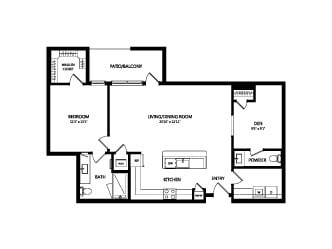
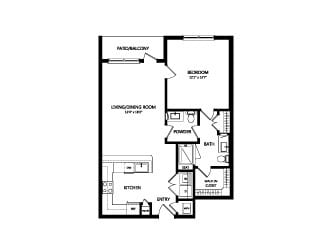
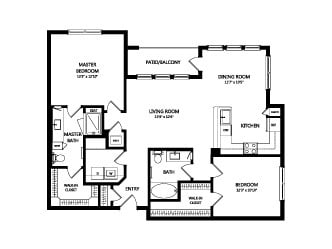
Overture Centennial offers competitive monthly rental rates for its living spaces, particularly when compared to the broader market in Wake County and across North Carolina. For a one-bedroom unit, residents can expect to pay $1,950, which is significantly lower than the county's average of $4,996 and the state average of $4,055. Similarly, the two-bedroom option at Overture Centennial is priced at $2,295, again showcasing an attractive alternative to the higher rates of $4,780 in Wake County and $4,245 statewide. This pricing strategy not only emphasizes Overture Centennial's commitment to providing quality housing but also positions it as an appealing choice for those seeking affordability without sacrificing comfort.
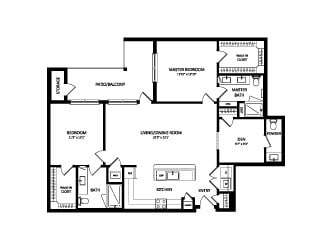
Floor plans
Overture Centennial
Wake County
North Carolina
1 Bedroom
$1,950
$4,996
$4,055
2 Bedrooms
$2,295
$4,780
$4,245
Independent Living communities with a similar price nearby
Residents consistently point to an active schedule with frequent opportunities to join in.
Many residents say there are plenty of activities to stay busy, including fitness classes and regular social events. Several describe being able to choose how involved they want to be, from participating often to having a quieter pace. A few reviews also mention gaps or changes over time, including fewer options than expected and a shift in dining-related offerings.
common14 reviews mention this
Staff responsiveness stands out
The strongest day-to-day feedback is about staff being helpful, communicative, and quick to respond.
Across reviews, residents describe staff who are welcoming and responsive when questions come up, including maintenance requests. Several call out specific team members by name and emphasize clear communication about concerns and rent changes. Even when reviews raise other concerns, there are recurring mentions that the team tries to help and follow up.
common3 reviews mention this
Location near parks and services
Residents like the location for easy access to parks, shopping, and medical options.
Multiple reviews mention the convenience of getting to nearby shopping and common destinations, along with proximity to medical facilities. One resident highlights using public transportation routes nearby and walking to some locations, with sidewalks to support it. Reviews also connect the setting to outdoor access, including drives/walks to parks and related activities.
caveat7 reviews mention this
Cost feels inconsistent to residents
Some residents feel the pricing and fees add up faster than they expected.
Several reviews criticize costs and fees, including concerns about application or community fees and the handling of money when someone decides not to move in. Others mention that the overall price can feel high and that add-on charges or extra line items weren’t clear up front. At the same time, the listing pricing provided here shows rent amounts that are positioned far below county and state levels, which may explain why resident opinions diverge.
How we summarize
Counts show how many written reviews mention each theme; a review can touch several themes, and only frequently mentioned themes are displayed.
Features
Housing
188 resident community capacity
Types of Care
Active Adult Communities (55+)
Independent Living
Pets
Cats allowed
Dogs allowed
Amenities
Activities off-site
Activities on-site
Air-conditioning
Beauty salon
Cable or satellite TV
Computer center
Dining room
Fitness room
Full kitchen
Gaming room
Ground floor units
Handicap accessible
Housekeeping services
Indoor common areas
Kitchenette
Outdoor common areas
Outdoor space
Private bathrooms
Private patio, deck, or balcony
Restaurant-style dining
Small library
Swimming pool / hot tub
Telephone
Wellness center
Wi-Fi/high-speed internet available
Transportation
Raleigh-Durham International (10 miles away)
Community operated transportation
Transportation arrangement
Transportation arrangement (non-medical)
Care Services
12-16 hour nursing
24-hour call system
Assistance with dressing
Meal preparation and service
Medication management
Mental wellness program
Transportation to doctors appointments
Dining
Diabetes diet
Special dietary restrictions
Activities
Art classes
Book club
Bridge club
Community-sponsored activities
Concierge services
Cooking classes
Day trips and outings
Educational speakers / life long learning
Fitness programs
Gardening club
Happy hour
Live musical performances
Live well programs
Planned day trips
Resident-run activities
Scheduled daily activities
Tai Chi
Trivia games
Water aerobics
Wine tasting
Yoga / chair yoga
Nearby Places of Interest
This part of Raleigh, North Carolina offers a convenient and vibrant community with a range of amenities suitable for senior living. With multiple pharmacies, hospitals, and physician offices nearby, residents have access to essential healthcare services. The area also boasts several parks for outdoor recreation and relaxation. A variety of dining options, including cafes and restaurants, provide opportunities for socializing and enjoying meals. Additionally, there are places of worship for spiritual support and Enterprise Rent-A-Car for transportation needs. Overall, this neighborhood provides a well-rounded and accessible environment that could be a great fit for seniors looking to settle in Raleigh.
Overture Centennial offers competitive monthly rental rates for its living spaces, particularly when compared to the broader market in Wake County and across North Carolina. For a one-bedroom unit, residents can expect to pay $1,950, which is significantly lower than the county's average of $4,996 and the state average of $4,055. Similarly, the two-bedroom option at Overture Centennial is priced at $2,295, again showcasing an attractive alternative to the higher rates of $4,780 in Wake County and $4,245 statewide. This pricing strategy not only emphasizes Overture Centennial's commitment to providing quality housing but also positions it as an appealing choice for those seeking affordability without sacrificing comfort.
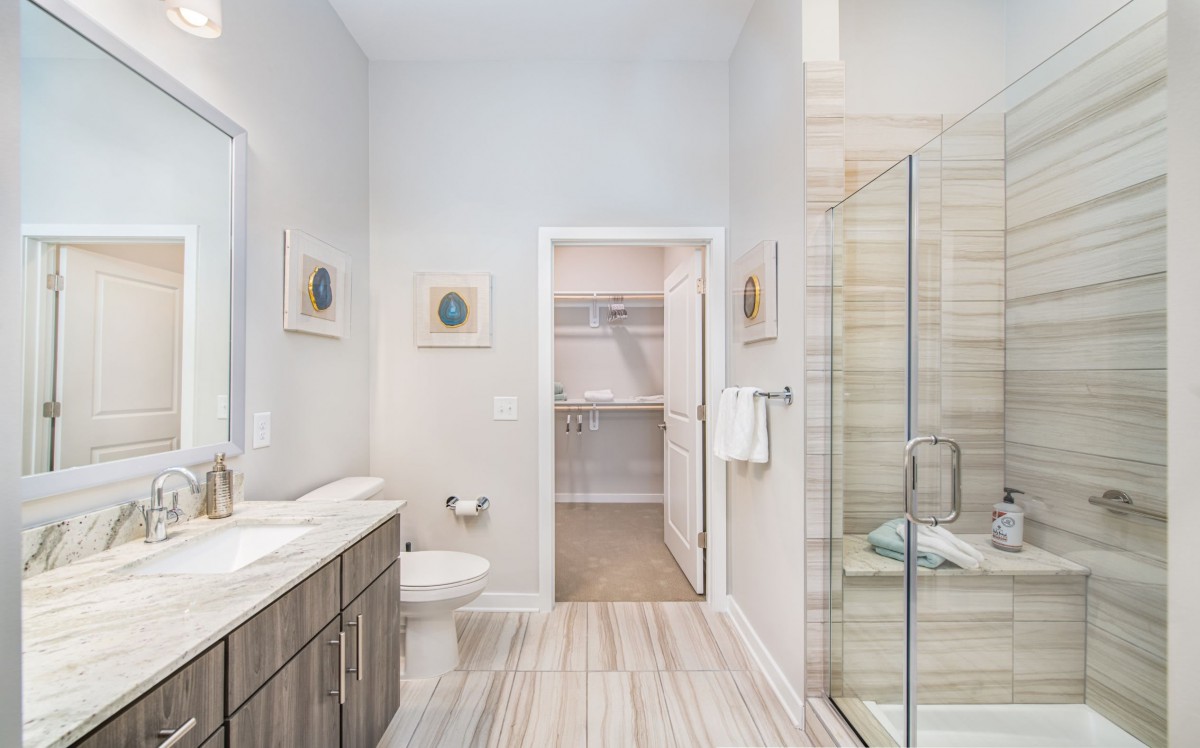
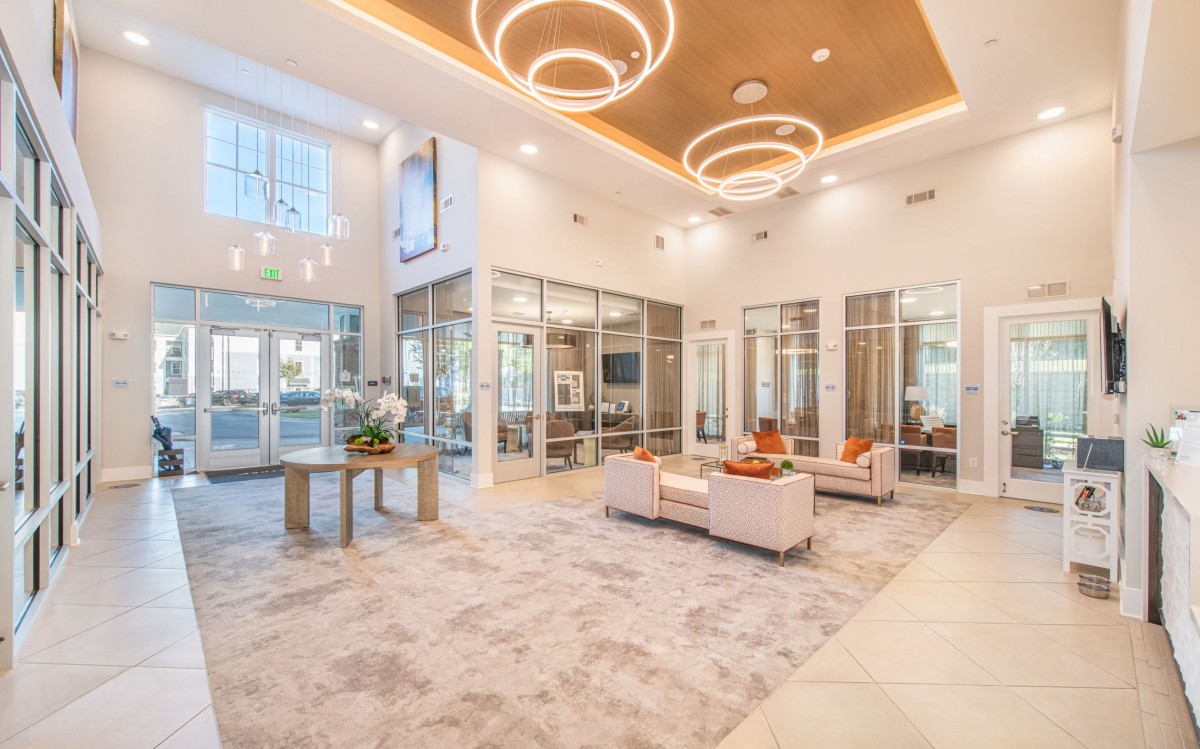
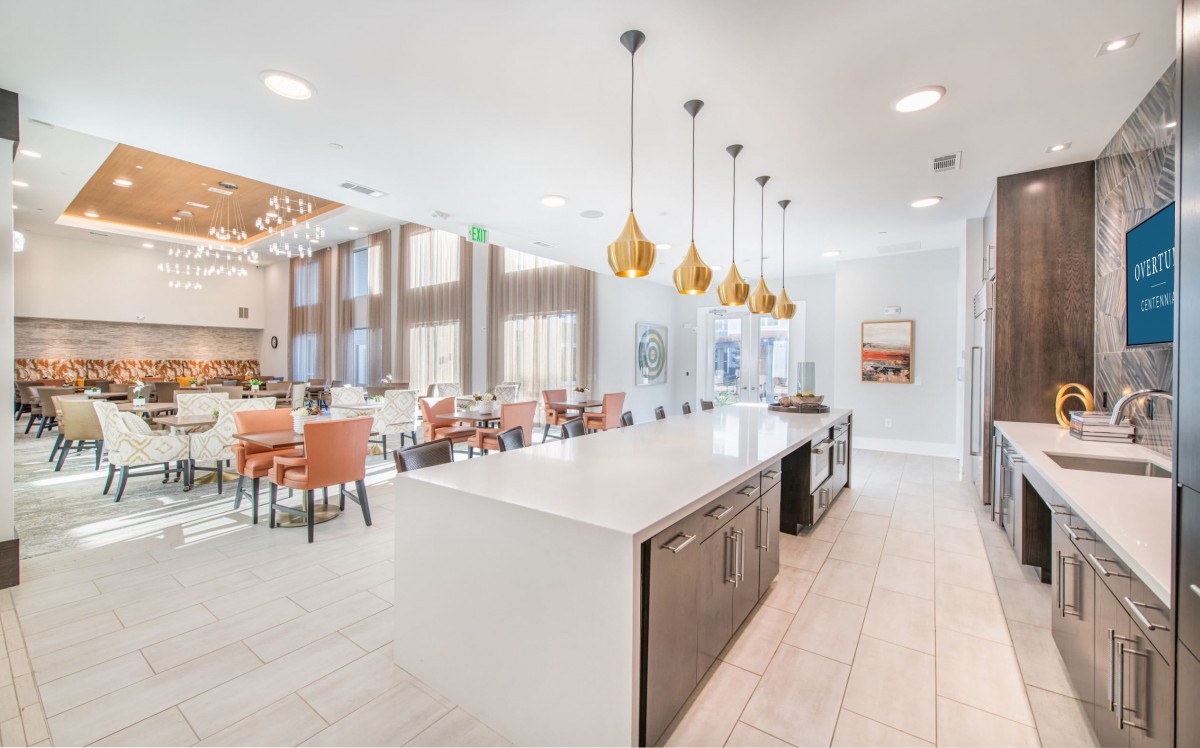
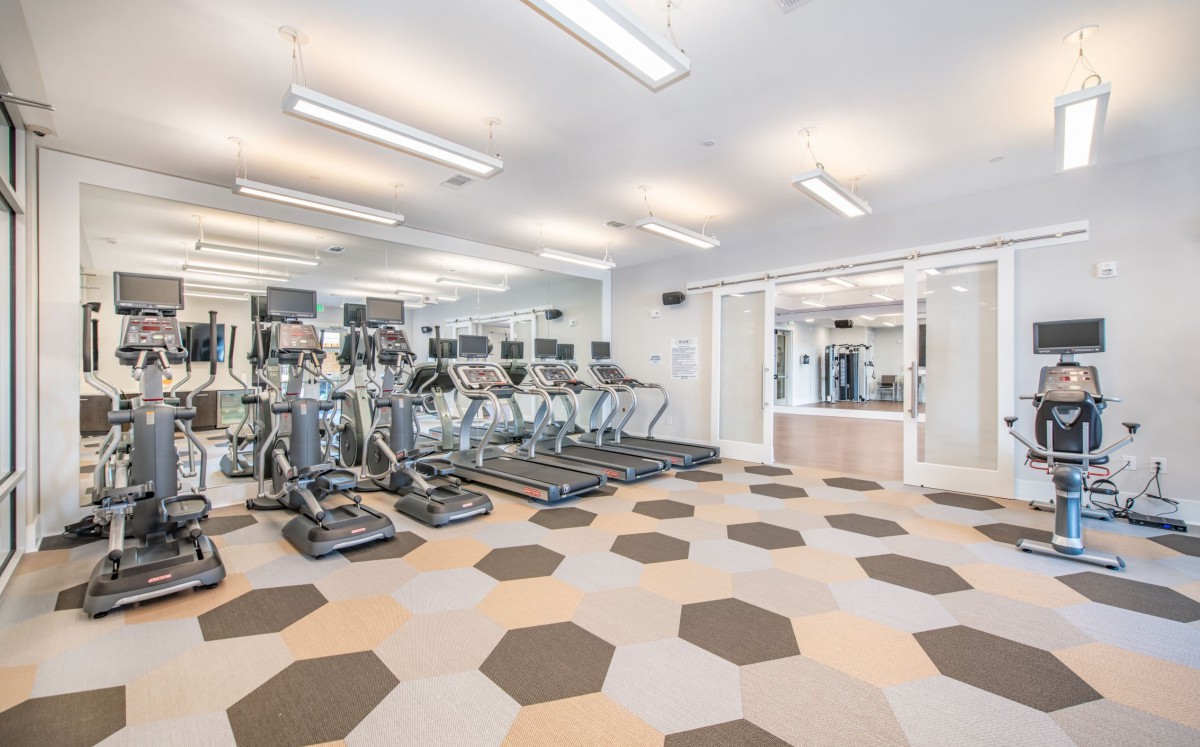
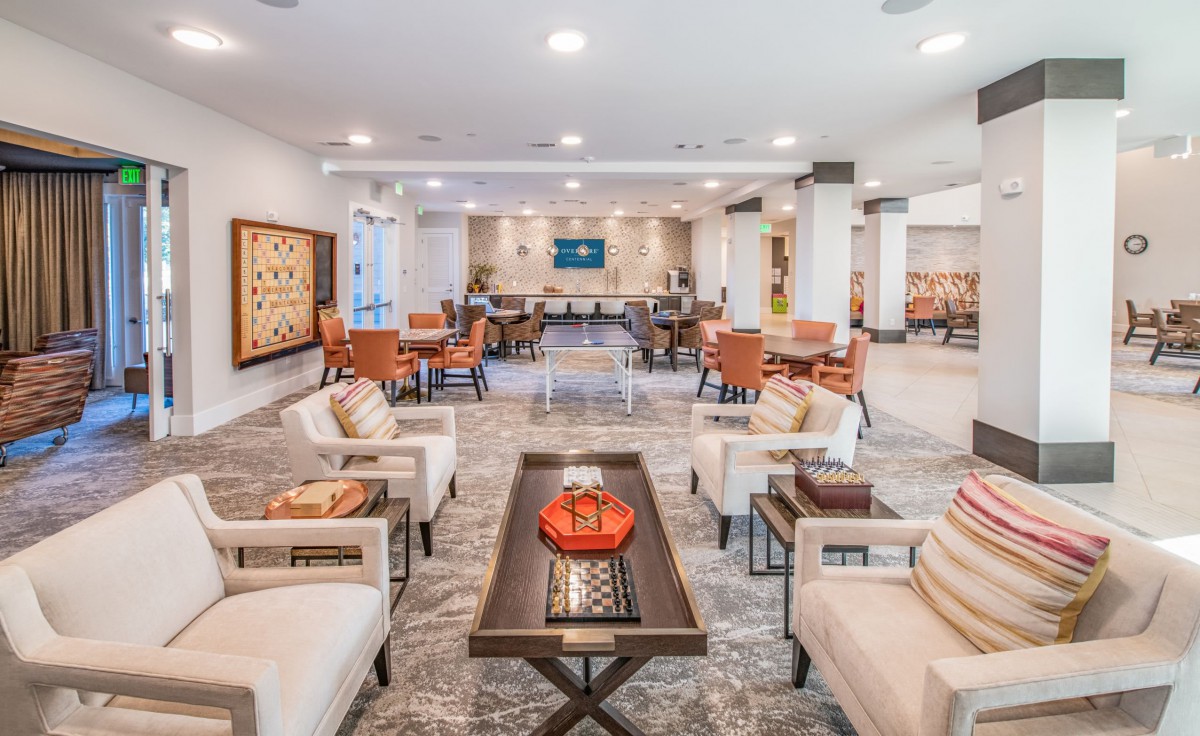
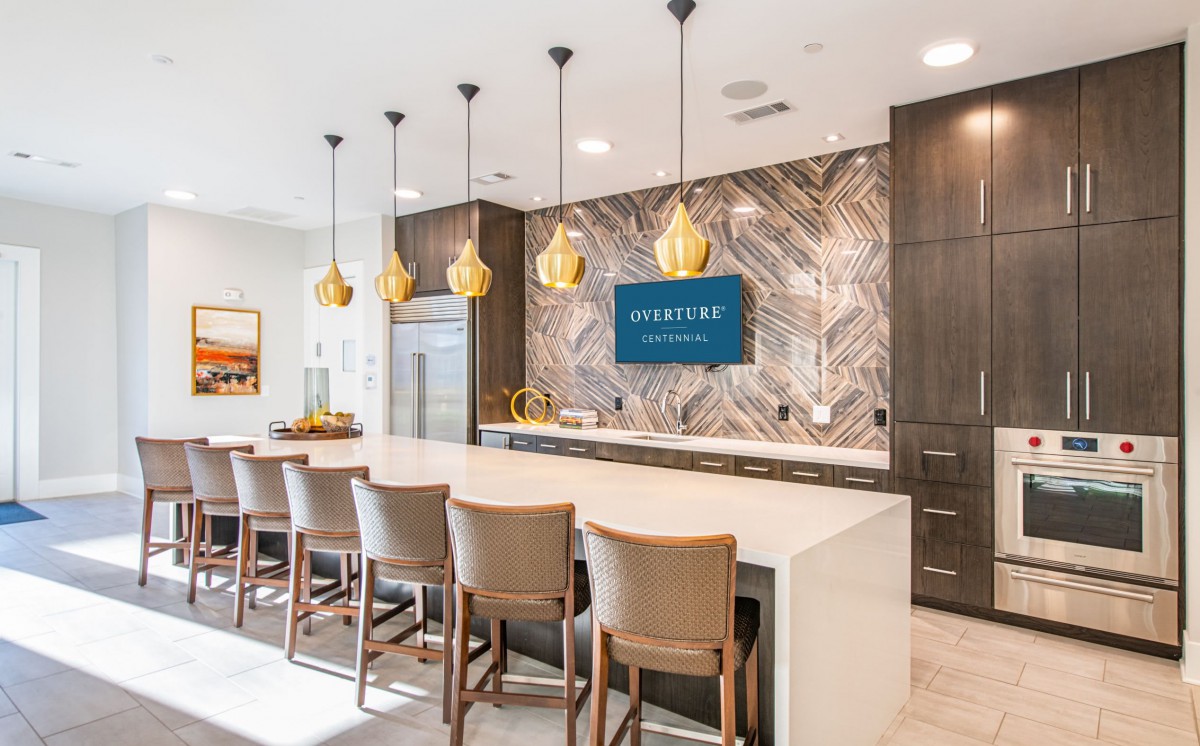
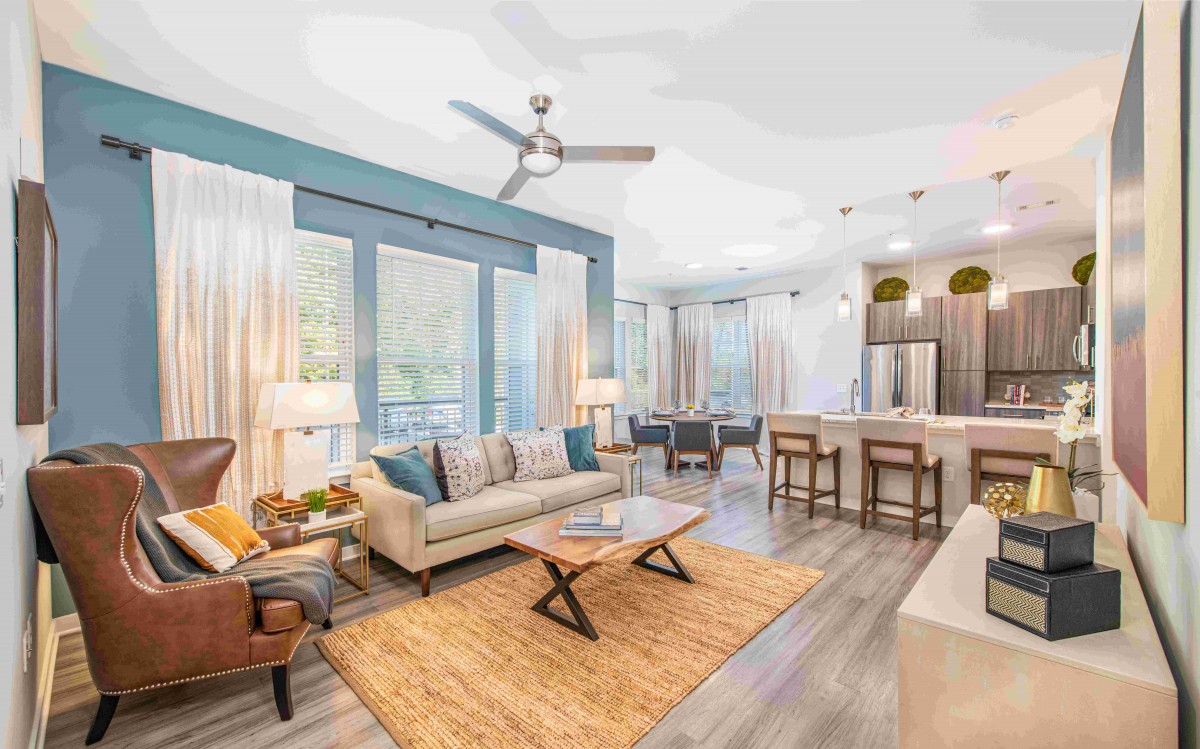
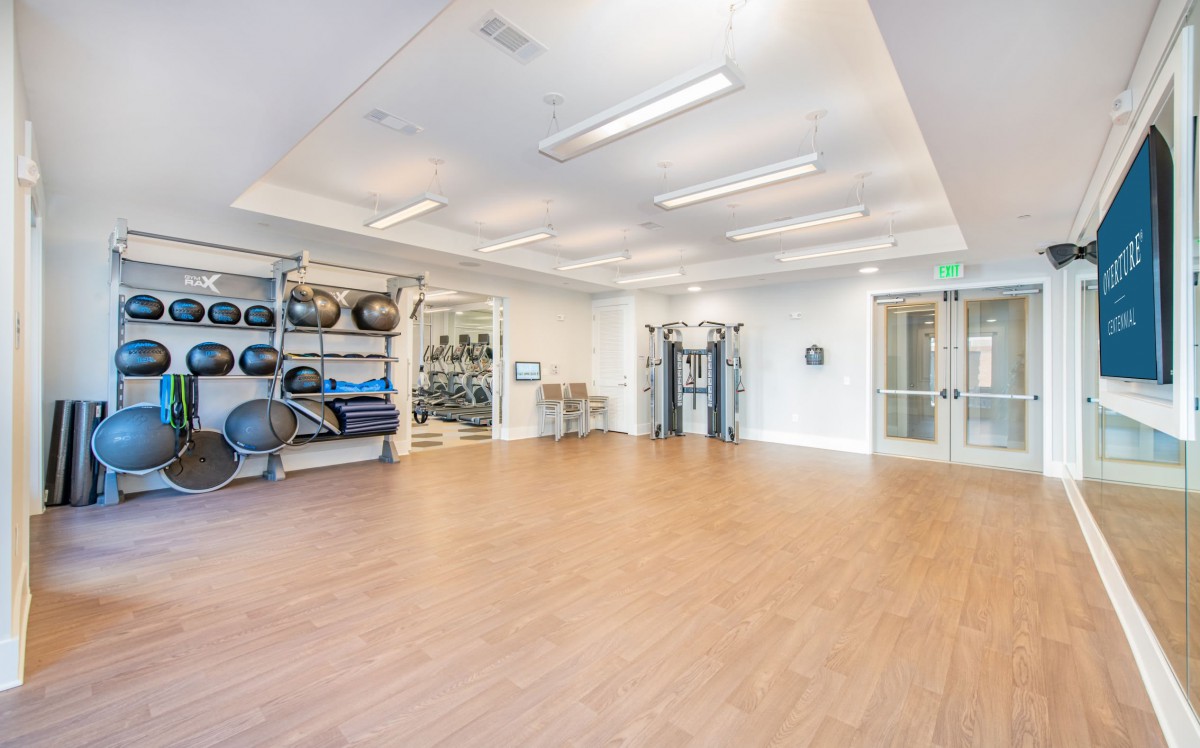
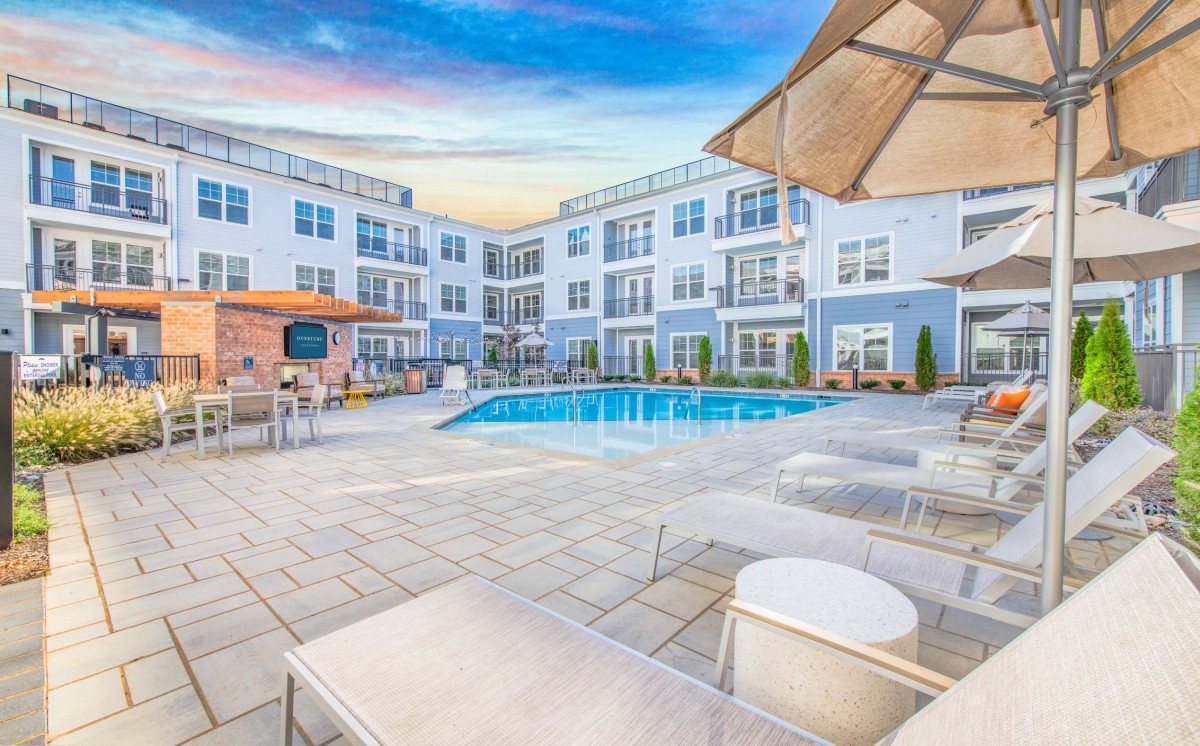
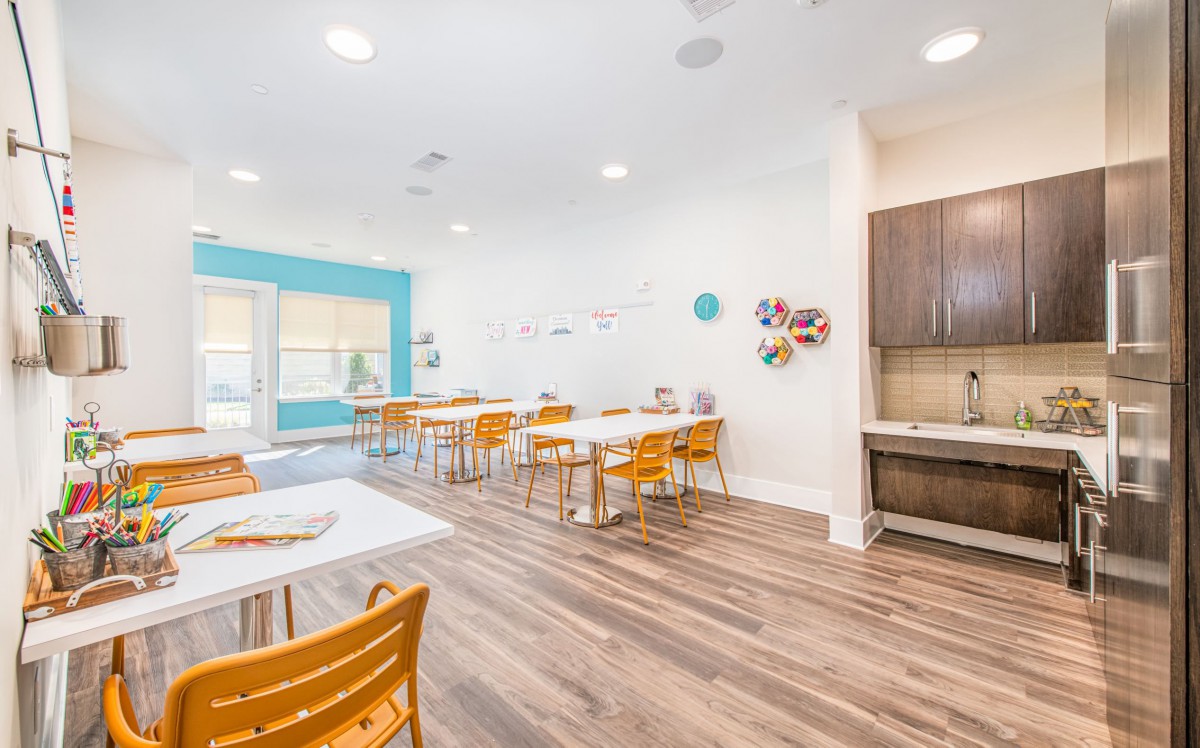
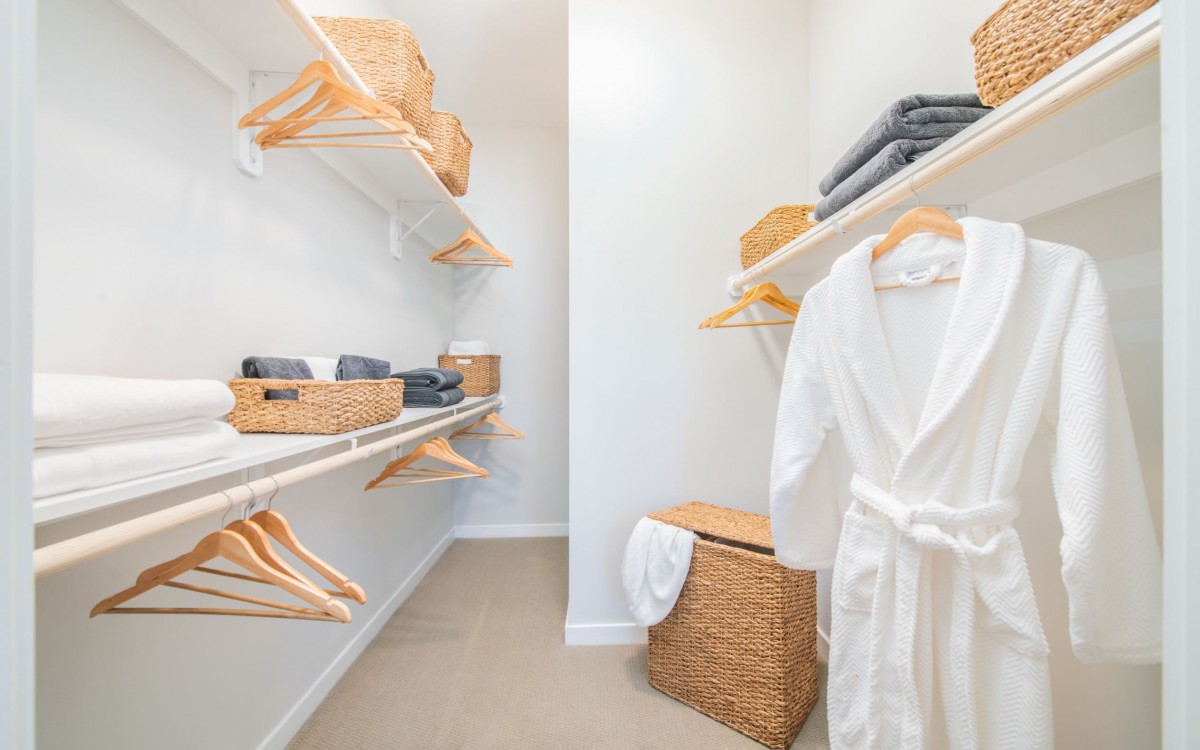
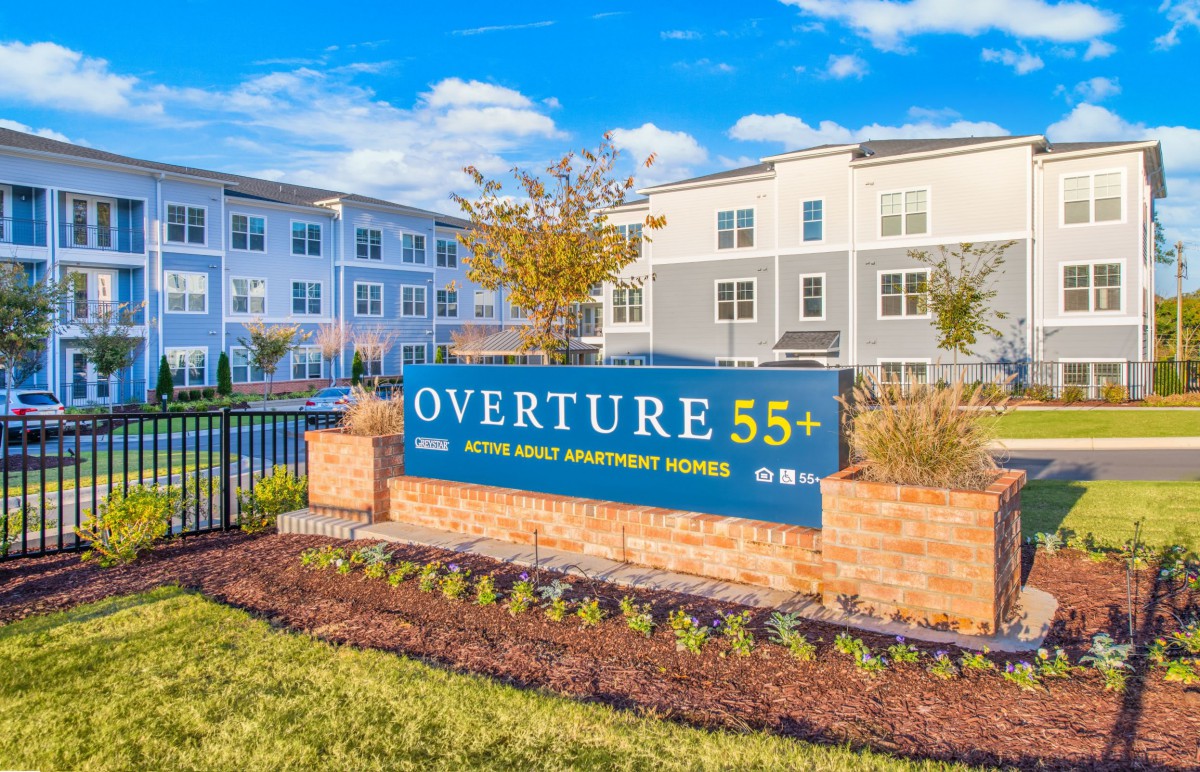
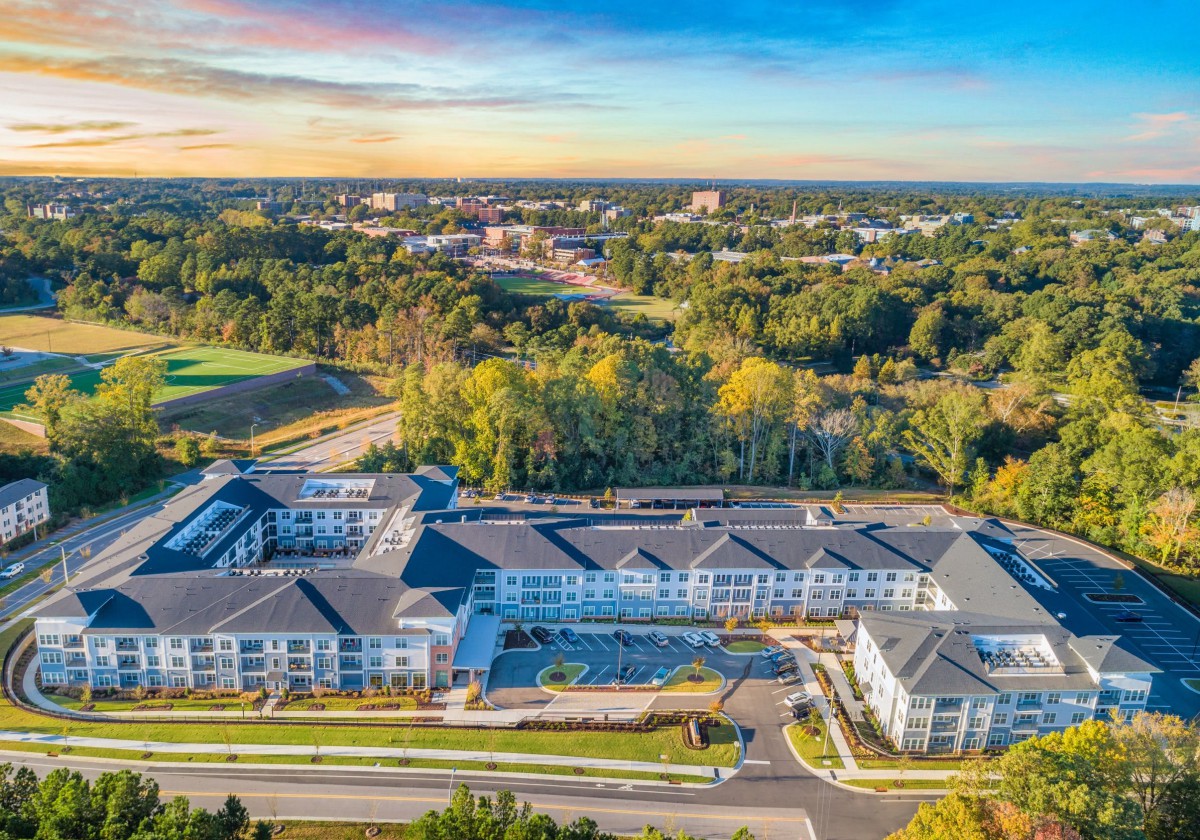
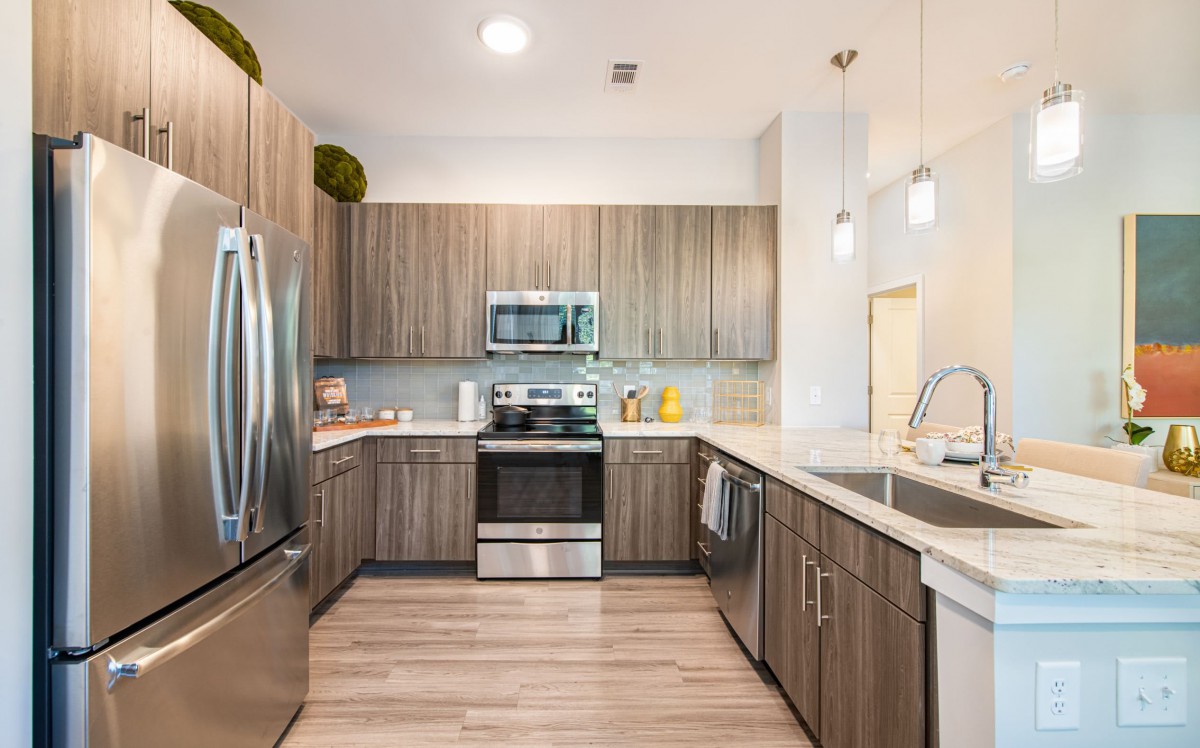
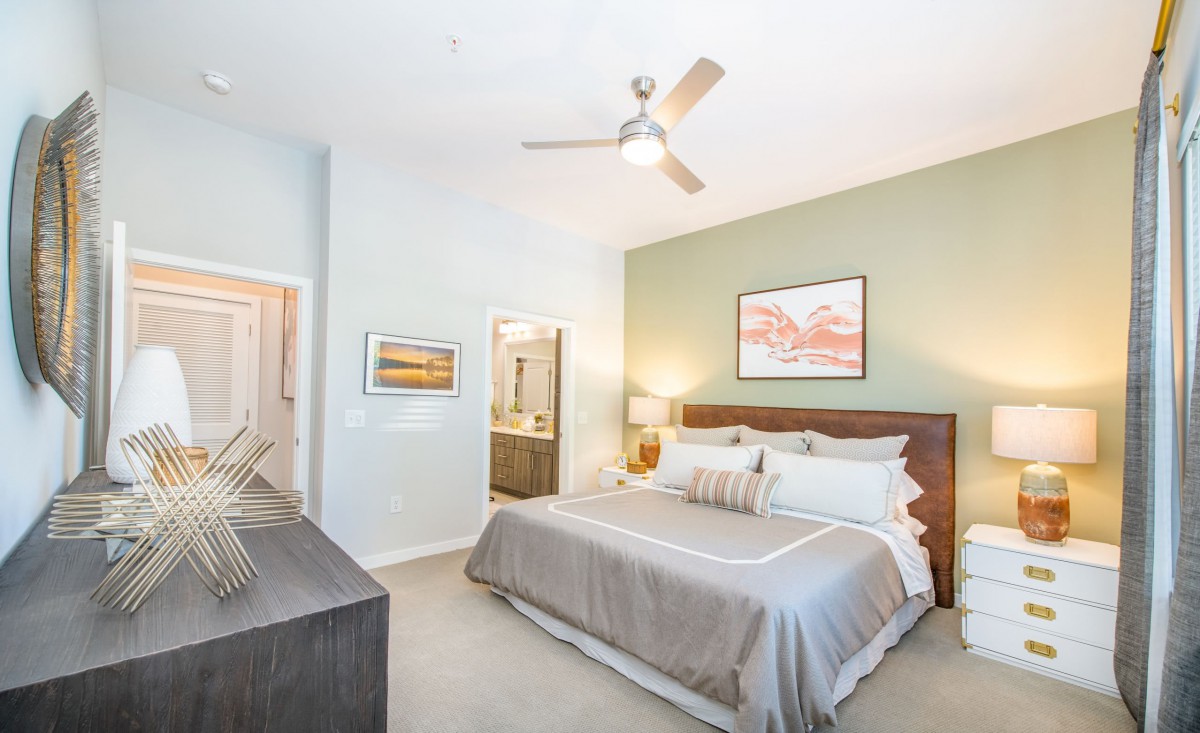
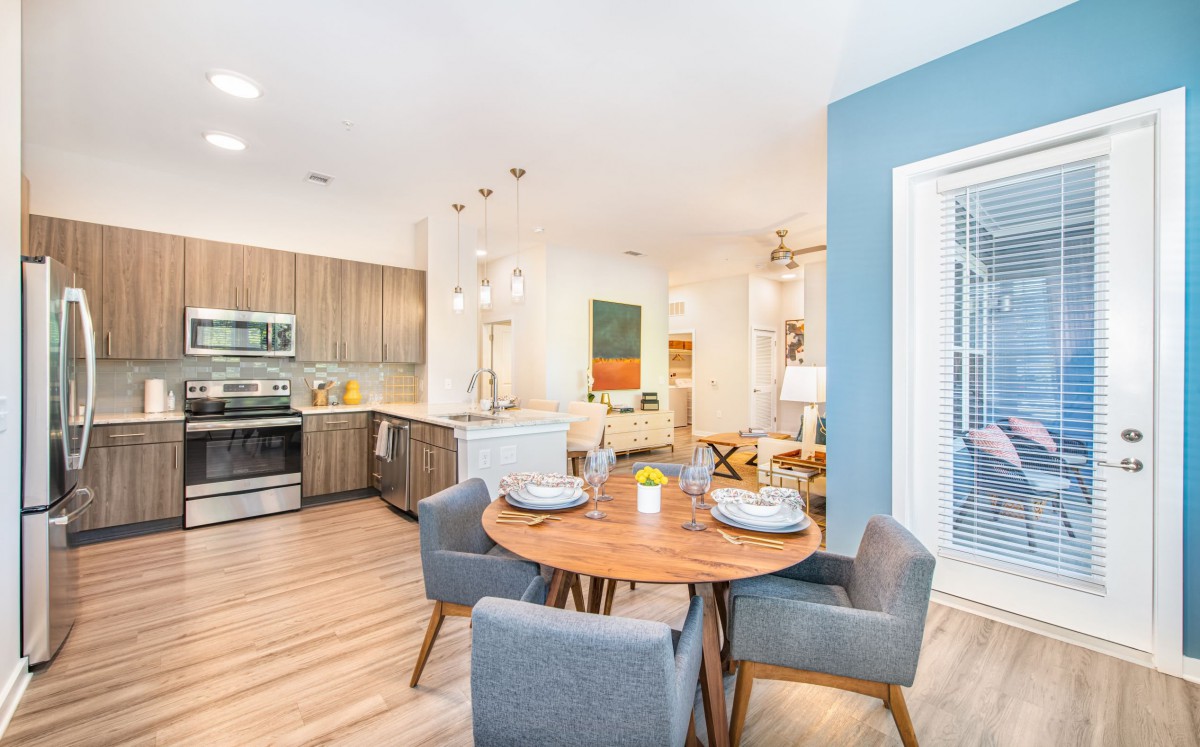
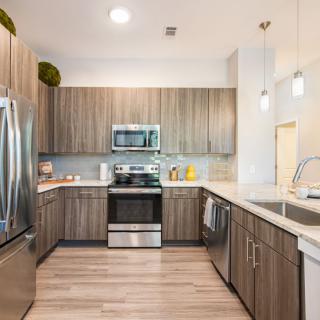
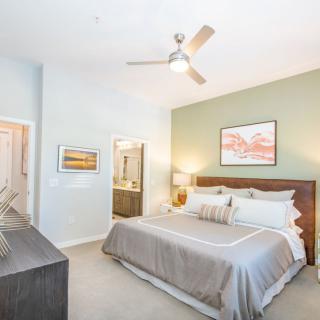
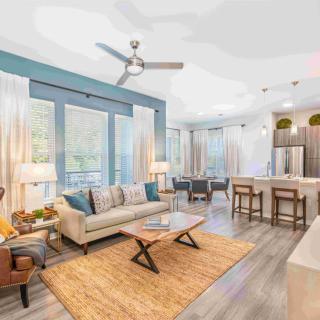
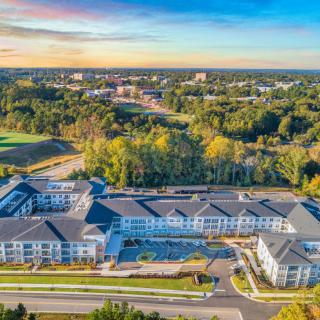
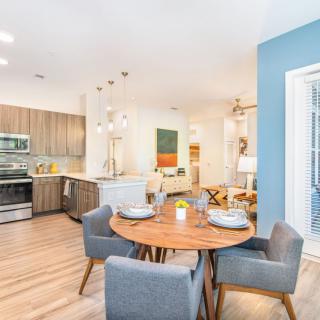
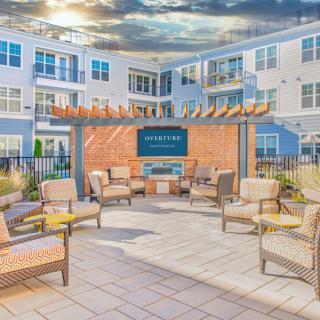
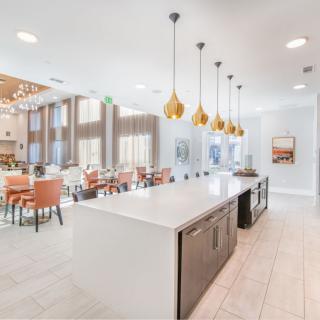
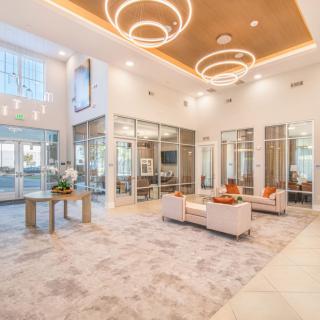
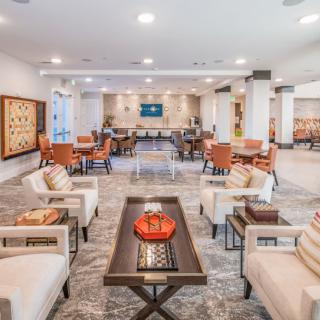
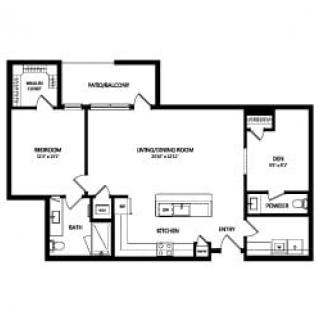
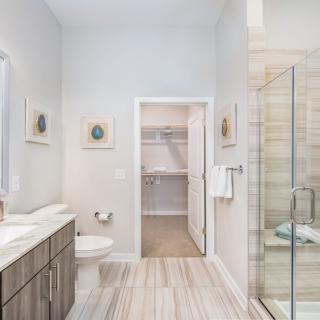
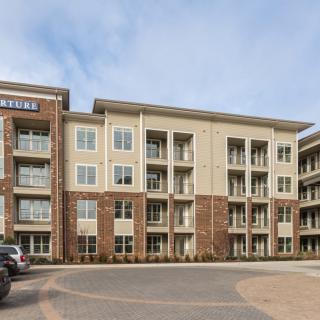
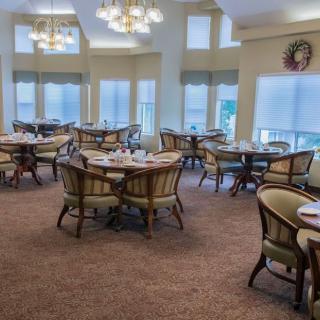
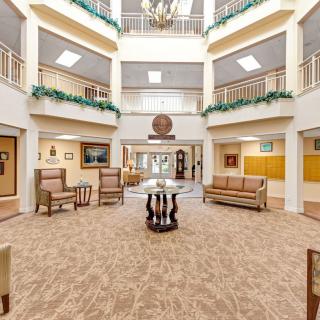
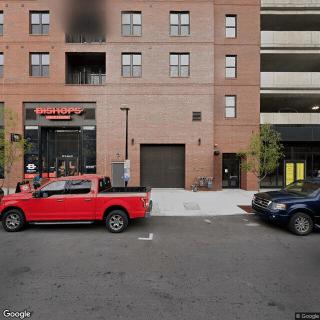
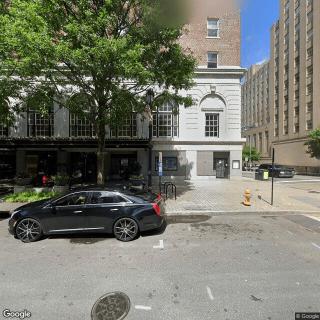
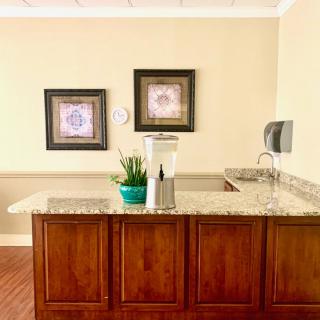
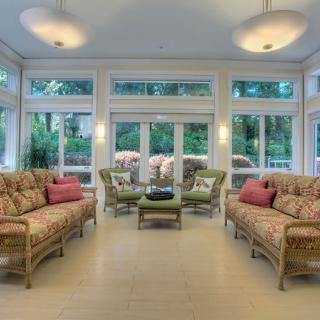
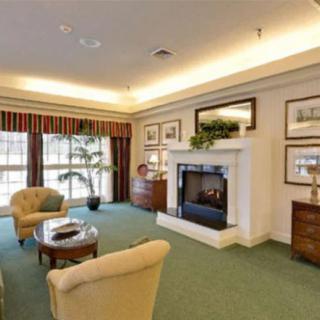
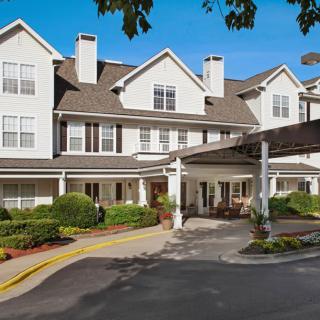
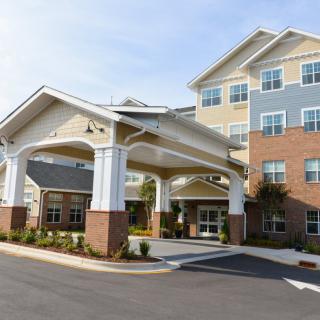
Overture Centennial on seniors.fyi includes 24 photos including images showing interior, floor plan, kitchen, bathroom, dining, exercise equipment, bedroom, decor, and more.
Nearby Communities
Autumn Summers Raleigh
Raleigh, NC
$1,625 to $2,500 / month
Affordable pricing with vegetarian dining and nearby amenities.
Ruth Sheets Adult Day Care Ctr
Raleigh, NC
4.7 from 14 reviews
Prime location with extensive nearby healthcare, dining, and parks.
Sir Walter Apartments
Raleigh, NC
4 from 44 reviews
$4,518 to $5,873 / month
Vibrant Raleigh location with excellent access to healthcare, dining, parks, and cultural amenities.
Raleigh Rehabilitation Center
Raleigh, NC
3 from 79 reviews
$2,000 to $4,350 / month
Engaging therapy services and attentive nursing staff.
Ideal Healthcare Services
Raleigh, NC
4.3 from 4 reviews
Compassionate, relationship-driven caregivers with reliable, reasonably priced care.
Morningside Of Raleigh
Raleigh, NC
4.1 from 82 reviews
$4,300 to $7,290 / month
Caring staff in a welcoming, activity-rich environment.
Pruitthealth - Raleigh
Raleigh, NC
2.9 from 131 reviews
Engaging activities and generally caring staff.
Brighton Gardens Of Raleigh
Raleigh, NC
4.1 from 97 reviews
$3,990 to $8,460 / month
Caring staff and a clean, welcoming environment with engaging activities.
Stoneridge Gracious Retirement Living
Cary, NC
4.5 from 133 reviews
Caring, personable staff with a wide range of activities and high-quality meals in a bright, welcoming setting.
The article highlights nine memory-boosting activities for seniors that enhance cognitive health and social interaction, including puzzles, trivia quizzes, and storytelling, while emphasizing the importance of adapting these activities to individual preferences to maximize enjoyment and engagement. Consistent mental engagement is linked to improved cognitive function and emotional well-being in older adults.
Medicare provides limited coverage for skilled nursing home care, covering full benefits for the first 20 days and partial benefits up to 100 days under certain conditions, after which families must explore alternative funding options like Medicaid or long-term care insurance to manage potentially high costs. Proactive planning is essential to navigate the complexities of financing ongoing care once Medicare coverage ends.
Geriatric care managers create personalized care plans for older adults, addressing their medical, social, financial, and psychological needs while coordinating services and advocating for their well-being. They help families navigate caregiving challenges but may be hindered by high costs and a shortage of qualified professionals.
Get PricingAsk A QuestionSchedule A TourContact Senior Advisor
By clicking submit, you agree to our Partner's Terms of Use. You
also consent to receive calls and texts, which may be autodialed, from our Partner. Your consent is not a condition to
using our Partner's service. Please visit our Partner's Privacy Policy for information about their privacy practices.



 188 resident community capacity
 Active Adult Communities (55+)
 Independent Living
 Cats allowed
 Dogs allowed
 Activities off-site
 Air-conditioning
 Beauty salon
 Cable or satellite TV
 Computer center
 Dining room
 Fitness room
 Full kitchen
 Gaming room
 Ground floor units
 Handicap accessible
 Housekeeping services
 Indoor common areas
 Outdoor common areas
 Private bathrooms
 Private patio, deck, or balcony
 Restaurant-style dining
 Small library
 Swimming pool / hot tub
 Telephone
 Wellness center
 Wi-Fi/high-speed internet available
 Raleigh-Durham International (10 miles away)
 Community operated transportation
 12-16 hour nursing
 24-hour call system
 Assistance with dressing
 Medication management
 Mental wellness program
 Diabetes diet
 Special dietary restrictions
 Art classes
 Book club
 Bridge club
 Concierge services
 Cooking classes
 Day trips and outings
 Educational speakers / life long learning
 Gardening club
 Happy hour
 Live musical performances
 Trivia games
 Wine tasting
 Affordable pricing with vegetarian dining and nearby amenities.
 9 Stimulating Memory Activities for Seniors: Puzzles, Cards, and Much More
 Managing Nursing Home Expenses After Medicare Coverage Ends
 Is a Geriatric Care Manager the Right Choice for Your Family?