
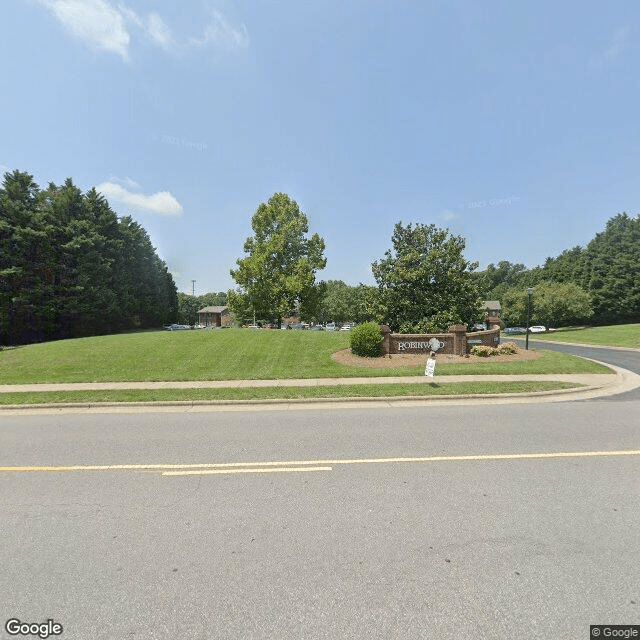
230 Hopkins Rd, Kernersville, NC 27284
To contact a resident: (336) 996-5428
For more information about senior living options: (866) 208-4318
Overall Review of Robinwood Retirement Ctr
Pros
 The place is described as one of the best places to live.
- The reviewer is portrayed as a huge advocate for seniors and their well-being.
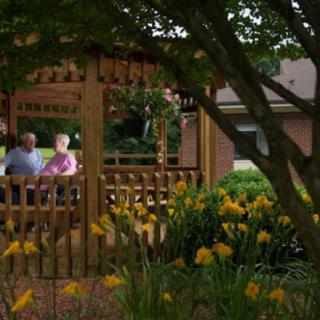
- A resident-initiated bingo adds a sense of community.
Cons
 It is not much more than an apartment, offering little beyond basic living.
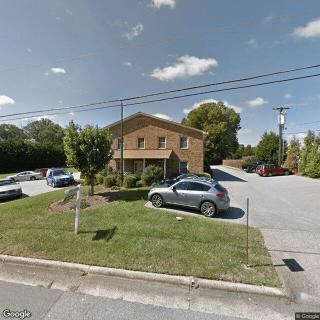
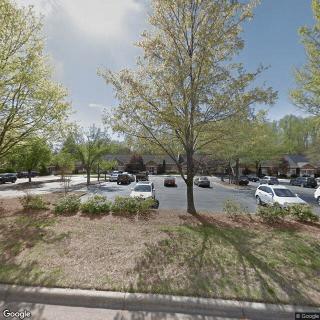
- Parking is hardly sufficient in front, and walking around the building is often required for other spots.
- The community is largely elderly and disabled, creating accessibility and mobility challenges.
- Complaints appear to have little effect on management.
- Fire doors are not allowed for incoming/outgoing movement, making the long walk from the main doors inconvenient.
- Garbage dumpsters are located on the far side of the building with no recycling option.
- Repainting of apartments happens only when residents move or die, and tenants must pay for it and live elsewhere during the work; some pay for hotel and rent as a result.
- Seniors fear reporting issues due to potential repercussions and delays in addressing them.
- Residents cannot open their windows because the units are under rehab, and management has not provided a clear timeline for resolution.
Review
Robinwood Retirement Center in Kernersville is best suited for seniors who want a low-friction, apartment-style setting where independence remains the core value and day-to-day needs are modest. The resident base skews older and more disabled, with many in the 65-to-90-plus range, yet willing to stay close to home and rely on a basic level of support rather than a full-service campus. For families, this translates to a predictable monthly cost and a home-like atmosphere rather than resort-like amenities or intensive care options. The long-tenured residents and the absence of heavy management hierarchy create a sense of steadiness, but the experience hinges more on basic upkeep and personal routines than on organized activities or broad services.
Those who should strongly consider alternatives are families prioritizing accessibility, responsiveness, and robust social or medical programming. Parking scarcity at the main entrance, plus the need to circle the building for other parking areas, signals a design that does not optimally accommodate visitors or mobility-impaired residents. The building layout exposes residents to inconvenient routes and long walks, while fire-door policies and their impact on egress indicate friction between policy and daily practicality. Recycling is non-existent and routine building updates, such as repainting, fall to residents when they move out or pass, creating ongoing displacement and cost concerns. If reliable repairs, better environmental controls, and straightforward access are non-negotiables, exploring other communities is prudent.
On the plus side, there is a recognizable sense of community that manifests in independent resident-led activities like small bingo sessions, suggesting opportunities for social connection without elaborate programming. Longevity and familiarity, evidenced by nine years of residency for some, can translate into predictable routines and a quieter, less chaotic living environment. Yet these positives are largely counterbalanced by significant drawbacks: tight parking, limited front-door accessibility, and awkward circulation around the building; a policy framework that hampers convenient egress; and a rehab phase that constrains tenant comfort, including restricted window use and frequent renovations that disrupt daily life. The overall living experience remains basic, with crucial gaps in maintenance responsiveness and resident empowerment.
The practical value of Robinwood’s limited pros rests on the acceptance of its constraints. For residents who prize stability, minimal monthly outlay, and a familiar, low-stimulation environment, the absence of high-end amenities can feel liberating rather than limiting. The resident-driven social corner is a tangible plus, offering a sense of belonging without demanding a calendar of events. However, the gaps in service, slow fixes, potential retaliation fears when raising issues, and a management approach that appears slow to address core complaints, tilt the balance away from recommendation for most families seeking peace of mind and reliable problem resolution. When maintenance and safety concerns endure for months, the perceived value of any social perk shrinks quickly.
Families evaluating Robinwood should prioritize a focused due-diligence checklist. Confirm the current status of ongoing rehab and what that means for air circulation, window access, and interior comfort; request timelines for anticipated repairs and a clear point of contact for maintenance requests. Inspect parking availability at multiple entrances and map routes to essential services; verify whether recycling is planned or permanently unavailable, and understand the policy on repainting and moving logistics, especially who bears costs if a unit needs preparation for new occupants. Engage with residents about management responsiveness, and seek a transparent outline of aging-in-place options and any planned service expansions if future needs rise. A candid conversation with current tenants about day-to-day realities can reveal the difference between written policies and lived experience.
In sum, Robinwood serves a distinct slice of the senior market: those who can live with limited services in exchange for a stable, affordable home and a modest, resident-driven social environment. The decision hinges on tolerance for maintenance delays, constrained amenities, and design quirks that complicate accessibility. If priority is placed on a vibrant activity calendar, prompt repairs, accessible entrances, and plentiful parking, alternatives with stronger management responsiveness warrant serious consideration. For families willing to accept the trade-offs in exchange for low-cost, predictable living and a quiet, familiar setting, Robinwood can be a reasonable fit, but only with clear expectations and a proactive plan to monitor ongoing maintenance and accessibility needs.
 Independent Living
 Piedmont Triad International (9 miles away)



 Encouraging Participation in Adult Day Care: A Guide to Supporting a Hesitant Parent
 Comprehensive Exploration of Living Wills and Other Advance Directives
 A Detailed Exploration of Living Wills and Advance Directives