1919 Fordham Drive, Fayetteville, NC 28304
To contact a resident: (910) 635-8805
For more information about senior living options: (866) 208-4318
Overall Review of The Carolina Highlands
Pros
 The residents are consistently smiling and happy because the staff creates a welcoming atmosphere.
 - The facility is regarded as the best, with a top-notch dining experience.
- The environment is warm and caring, with compassionate staff prioritizing residents' comfort, dignity, and well-being.
- Tours leave visitors impressed by knowledgeable, friendly guides and a welcoming, clean setting.
- The community feels like a family; residents are greeted by name and supported by attentive staff.
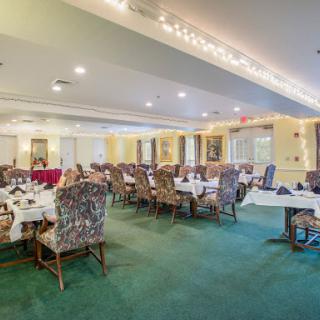
- The dining program is a highlight, with talented chefs and meals that residents love.
Cons
 One reviewer laments that there are only pictures from the establishment/owner, with no photos of the residents or visitors.
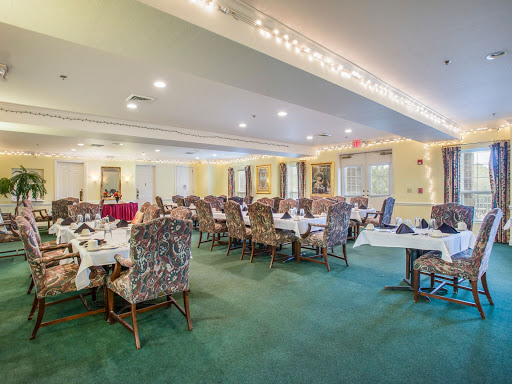
- The reviewer criticizes the lack of photos showing meals and activities, asking what breakfast, lunch, and dinner look like.
- They wonder how long the facility has been around and how many people stay there, implying concern about transparency.
Review
The Carolina Highlands in Fayetteville is best suited for independent seniors who want a warm, neighborly campus where social life is abundant and meals are a real pleasure. It fits families seeking a smaller, personable community rather than a sprawling mega-campus, with staff who know residents by name and greet them every day. This is not a facility built around constant medical oversight; rather, it offers the freedom of independent living with the reassurance that the on-site assisted option is nearby in the Carolina Inn. Those needing daily skilled nursing, memory care, or a highly clinical environment will want to consider alternatives that deliver more rigorous on-site care.
What stands out most is the human quotient. The standout strength is the staff and resident culture. Reviews repeatedly highlight a welcoming atmosphere created by team members such as Jacy, Jill, and KeKe, who make visitors feel at home. Dining is consistently praised as top-notch, with Chef Alicia delivering meals that residents actually look forward to; tours frequently note the kitchen quality and menus that rotate with attention to preference. The activity calendar is robust, delivering purposeful engagement and social connection. This is a community where residents smile and interact, not a place that feels sterile or isolating.
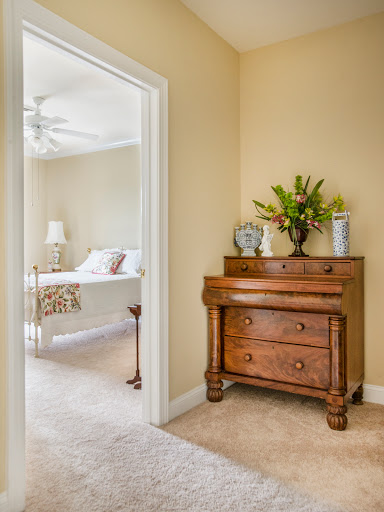
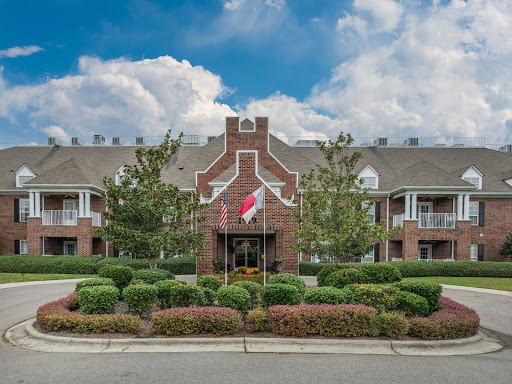
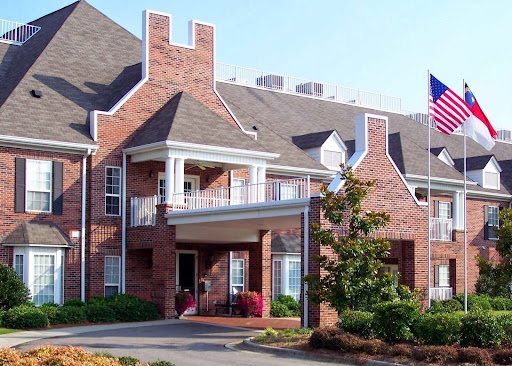
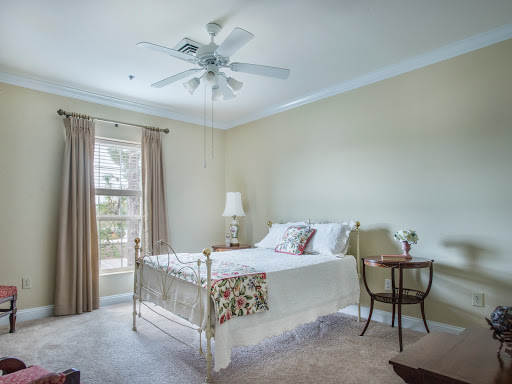
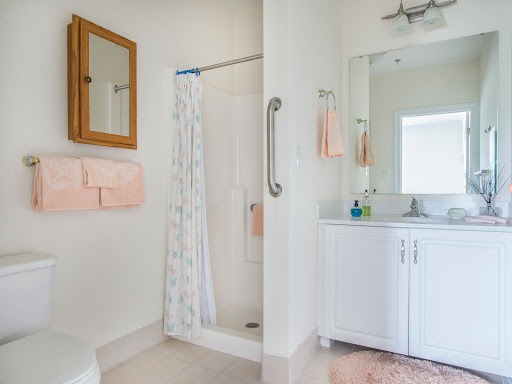
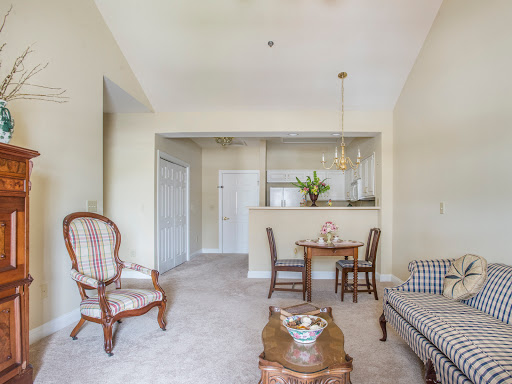
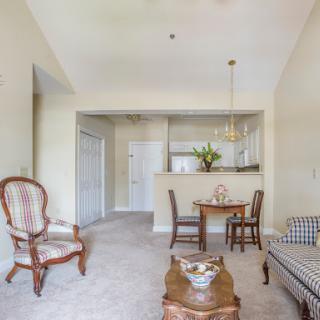
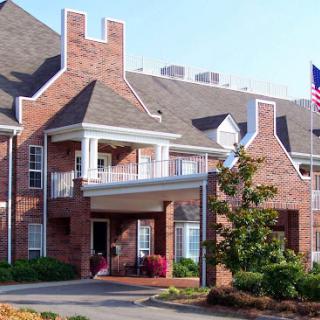
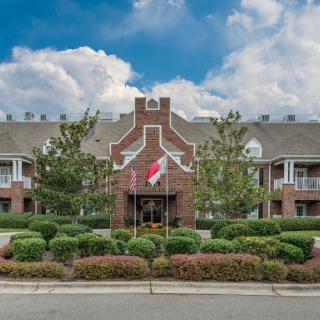
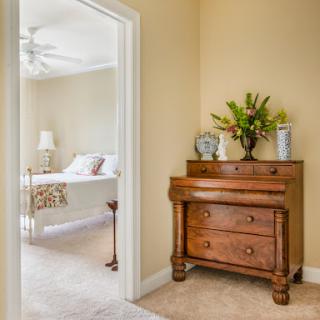
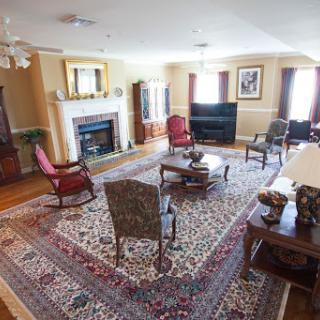
The housing arrangement reinforces the independence-forward premise. The Carolina Highlands offers sizeable apartment homes, one, two, and three-bedroom layouts, so residents don’t feel shoehorned into cramped space. The property comprises two buildings: the Carolina Highlands for independent living and the Carolina Inn behind it for assisted living. That setup allows familiarity and routine to persist while providing a pathway to support if needs shift. Several reviewers emphasize value: attractive, well-designed apartments paired with a lower cost than many comparable campuses, fostering a sense of belonging without the burden of maintaining a large home.
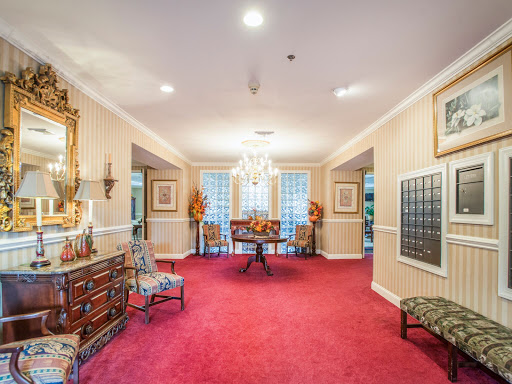
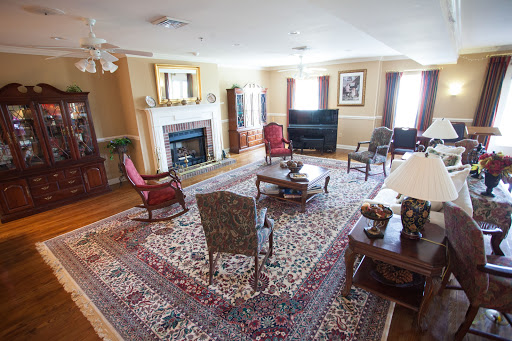
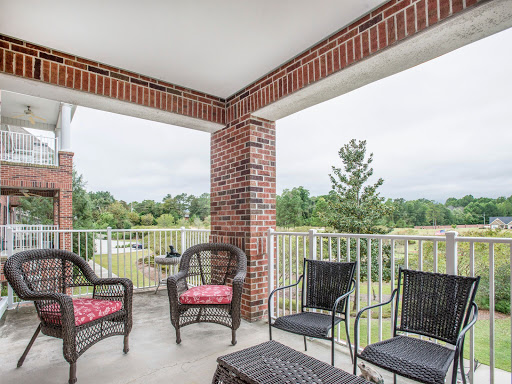
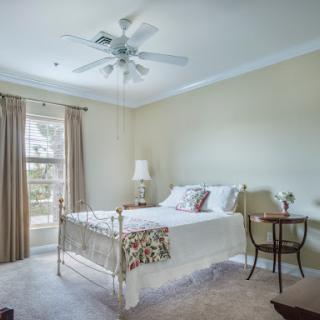
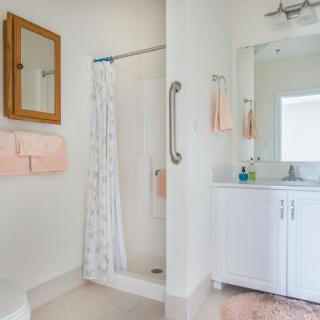
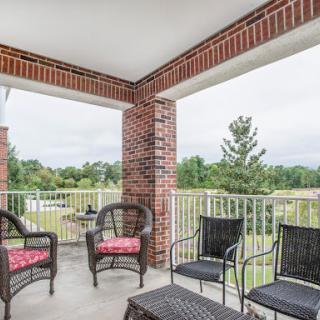
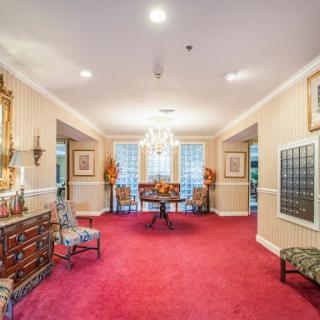
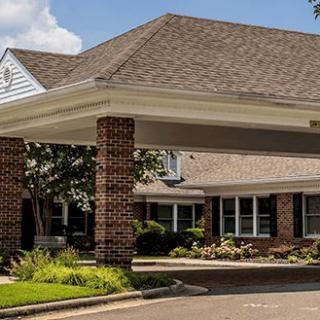
Still, a notable caveat appears in at least one critique about marketing transparency: photos on the site tend to feature rooms and the lobby more than daily life, which can leave prospective residents seeking a clearer sense of daily activities. More substantive concern is the extent of on-site care. While the Carolina Inn supplies assisted living, Families should not assume comprehensive on-site care across both buildings; planning for transitions becomes essential if care needs intensify. This is not a missed requirement for everyone, but it matters for those with evolving medical or memory-care needs who expect continuous, on-site acuity.
The positives offset the downsides through practical, everyday benefits. The intimate size fosters real relationships with staff and neighbors, turning the campus into a genuine “family” rather than an impersonal setting. Navigation is straightforward, with accessible apartments and a dining program that anchors daily life. The proximity of care in the Inn offers a smoother path if needs increase, reducing the disruption of a sudden move to a different facility. For budget-conscious families, the value proposition, ample space, active programming, and a strong, compassionate staff culture at a competitive price, renders The Carolina Highlands a practical, attractive option.
Bottom line: The Carolina Highlands is a compelling choice for families prioritizing community warmth, quality dining, and approachable care options within a manageable campus. Those requiring rigorous on-site medical services, memory care, or a campus with expansive, highly specialized programs should explore alternatives that deliver fuller on-site acuity. Prospective residents should plan an extended visit to test the dining experience, speak with front-desk staff about tours and amenities, verify the viability of the Carolina Inn for future needs, and assess whether the apartment layouts meet space requirements. When these factors align, The Carolina Highlands delivers a practical, rewarding lifestyle that makes aging in place feel less daunting.
 Independent Living
 Fayetteville Municipal (4 miles away)




 Understanding the Nuances of Palliative Care and Hospice: A Comprehensive Exploration
 Fecal Incontinence in Older Adults: A Comprehensive Guide
 Recognizing the Journey: Understanding and Navigating Anticipatory Grief