
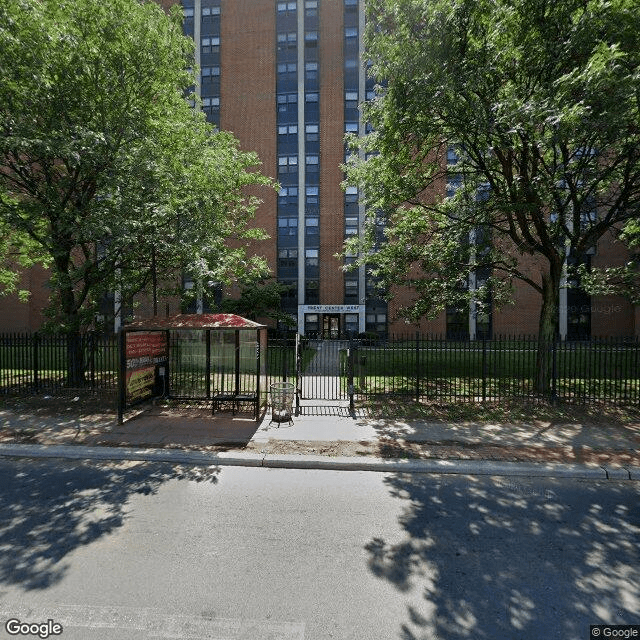
465 Greenwood Ave, Trenton, NJ 08609
To contact a resident: (609) 392-5222
For more information about senior living options: (866) 208-4318
Overall Review of Trenton Center West
Pros
 They love their apartment and have had no complaints after eight months.
- They have lived there for three years and consider it one of the best places they've ever lived.
- The rooms are in excellent condition, with central air conditioning and excellent heating.
- The management is quick to respond to service requests and offers many amenities to the tenants.
- The building is located next to the transit mall, providing quick access to Philadelphia or New York.
- Transportation and health services are offered, and an on-site office volunteers assist with social services.
- Trent Center West offers programs that help people who need help.
Cons
 The resident has repeatedly reached out to the property manager about a broken gate that has allowed residents to access their property, creating a serious safety concern, yet no one has responded.
- The reviewer doubts the claims that bed bug reports are taken seriously and promptly treated, suggesting quarterly inspections and proactive treatment are needed, and they won’t consider moving there.
- A resident reports a hole in the fence that allows outsiders to come and go at all hours, waking them with loud talking and fighting, and says the fence has not been repaired despite multiple calls and messages.
- The building is described as having bedbugs, with many residents reporting infestations, and the reviewer feels management should do more for the elderly and that residents shouldn’t have to worry about bugs where they pay to live.
Review
Trenton Center West is best suited for independent seniors who want a transit-accessible, price-conscious option with on-site services and a community feel. The property sits in a central location with easy connections to Philadelphia and New York, making daily life practical for residents who value mobility without a car. Apartments offer dependable climate control and comfortable interiors, and the building provides a range of amenities that support staying autonomous with optional help when needed. The ideal resident is self-reliant but not reluctant to lean on built-in supports for routine needs, and someone who appreciates proximity to doctors, shopping, and social services delivered on-site. This is not a high-care campus; it is an active, independent-living option that keeps a safety net within reach for those who want to preserve autonomy while having access to assistance as circumstances shift.
The strongest positives center on location and livability. The building’s placement beside a transit hub unlocks rapid trips to regional centers, enabling easy access for family visits, errands, and medical appointments. Residents consistently cite apartments that are well-maintained, with reliable heating and air conditioning, contributing to everyday comfort. Management is described as responsive to service requests, and the property offers a broad array of amenities that support routine life, including transportation options and on-site health services. There is repeated mention of practical support for future needs through in-house programs that help with transitions as independence wanes. For a senior who prizes mobility, straightforward maintenance, and a solid infrastructure, these core elements land solidly and make daily living feel manageable rather than burdensome.
Yet there are significant and recurring red flags that demand attention. A broken gate and a hole in the fence have created genuine safety concerns, with numerous reports that maintenance or management have not followed up after being contacted. The possibility of strangers accessing the property at night erodes peace of mind and complicates the sense of security for residents and neighbors alike. Bed bug infestations surface repeatedly, with residents calling for proactive, quarterly inspections and preventive treatment rather than reactive responses. The sentiment that pest control is insufficient directly challenges the promise of a comfortable, worry-free home. Nighttime noises from outside or adjacent areas exacerbate anxiety and diminish the quiet that seniors often need for rest and recovery. Taken together, these issues sketch a pattern of vulnerabilities in safety and maintenance that cannot be ignored.
The positive dimensions still matter and can materially offset the downsides for the right resident. Location and transit access remain powerful advantages for those seeking independence and connection to the broader region. The apartments’ condition and climate control contribute to daily comfort, and dependable maintenance on many work orders keeps essential systems functioning even when some problems persist. On-site social services, volunteers, and health-related supports provide a practical framework for navigating benefits, appointments, and community programs. For a senior who wants to reduce isolation while retaining autonomy, these elements create a credible case to stay put, especially when paired with the option to receive help in a measured, non-institutional way. The question is whether the security and pest-control gaps can be tightened quickly enough to preserve confidence in long-term occupancy.
Those evaluating alternatives should pay particular attention to safety, pest management, and quiet, predictable living conditions. If stringent entry controls, aggressive pest remediation, and consistently quiet environments are non-negotiable, this community may fall short next to peers with stronger security protocols and a more aggressive, preventive maintenance culture. Seniors who anticipate needing substantial daily assistance or memory-care-level support may prefer a campus designed around higher supervision and more integrated care rather than a building where help is available but optional. In addition, any prospective resident who cannot tolerate recurring bed bug concerns or inconsistent responsiveness should widen the search to communities with proven, proactive pest-management programs and clearer, timelier maintenance commitments.
The practical path forward is straightforward. Arrange a candid tour focused on security, pest-control policy, and maintenance-response timelines, and request a written plan detailing gate repairs, fence fixes, and quarterly pest inspections with anticipated schedules. Speak directly with current residents about night-time noise and overall safety to gauge day-to-day realities beyond the marketing narrative. Confirm the level of on-site assistance available and how it aligns with independent living expectations, ensuring the service mix matches individual needs. If the profile fits, mobility, transit access, and a supportive but non-institutional structure, enter with documented expectations, a concrete timetable for improvements, and a clear plan for escalating concerns if problems persist. If not, prioritize communities with stronger, more transparent security and pest-management records, and a track record of consistently quiet, well-maintained environments.
 Independent Living
 Activities on-site
 Devotional services off-site
 Indoor common areas
 Trenton-Mercer County (5 miles away)
 Ambulatory care
 Diabetic care
 Meals provided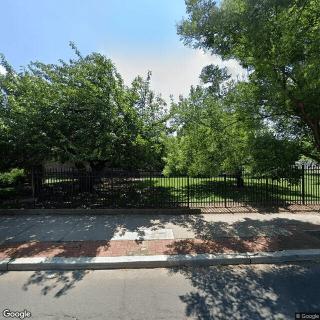

 Managing Nursing Home Expenses After Medicare Coverage Ends
 Is a Geriatric Care Manager the Right Choice for Your Family?
 Compassionate Conversations: How to Comfort Someone Who Is Grieving