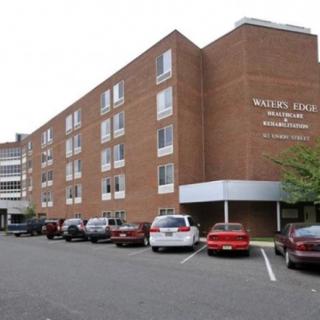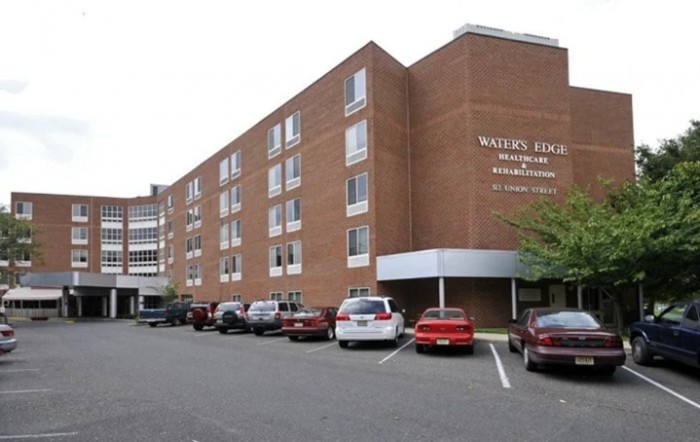
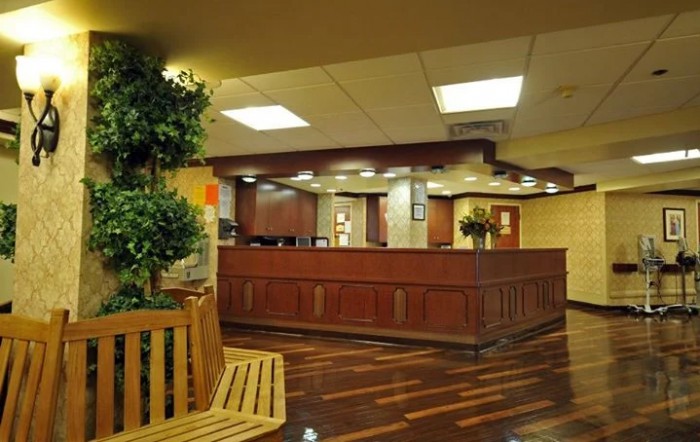
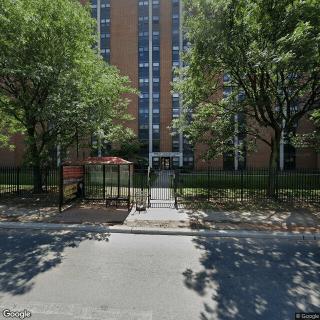
512 Union Street, Trenton, NJ 08611
For more information about senior living options: (866) 208-4318
Overall Review of Waters Edge Healthcare & Rehab
Pros
 The wound care nurse is great.
- The rehab professionals are great and care about their patients.
- The doctors connected to the facility are caring.
- The staff is friendly.
Cons
 Some nurses care less.
- Some staff are very incompetent.
- Some nurses do not check the meds for patients.
- Doctors do not follow up with family members' concerns.
- The administrator does not return calls.
- The staff are very unprofessional.
Review
Waters Edge Healthcare & Rehab in Trenton is best suited for seniors who prioritize hands-on rehabilitation and focused wound-care within a facility that has visible clinical strength from therapists, nurses, and a connected medical team. The setting tends to attract long-term residents, largely from the city, which can translate into stable daily rhythms and peer familiarity that ease adjustment for older adults. For families, the most reliable anchors are the rehab professionals and the wound-care nurse, who consistently demonstrate competence and practical problem solving. Doctors connected to the facility are described as caring, and front-line staff on wards come across as patient and approachable. When the goal is steady progress through structured therapy and attentive wound management, Waters Edge can deliver tangible value.
But there are real red flags that rightly prompt alternative options. The most consequential concerns center on administrative responsiveness and medication safety. Reports of unanswered calls from the administration and med-check lapses by some nurses create a risky operational backdrop for anyone with complex medication regimens. Families requiring proactive, transparent communication from physicians and administrators should expect more than courtesy; they should demand timely updates and clear escalation paths. For those who rely on consistent daily reminders, medication reconciliation, and dependable follow-through on family concerns, other facilities with stronger governance and more rigorous procedures may be safer bets.
The strongest, most actionable positives are the dedicated rehab and wound-care resources. When wound care nurses are exemplary and therapy teams are engaged, meaningful rehab gains are plausible even in a setting that isn’t universally flawless. Descriptions of caring doctors and a generally friendly staff add to a sense of dependable daily care, particularly for seniors who require regular therapy sessions and steady medical oversight. In a pinch, these strengths can buffer some variability in other domains and support an eventual discharge plan, care transitions, or recovery from procedures.
Yet the downsides are substantial. The testimonies paint a picture of inconsistent clinical attention: incompetent staff and lazy technicians undermine safety, and gaps in medication checks raise real concerns about prescribed vs. given medications. Doctor follow-through with family concerns is reportedly lacking, and administration is described as non-responsive at times. These patterns aren’t minor irritants; they erode trust and create friction in discharge planning, medication management, and ongoing care coordination. In environments where cognitive or physical frailty already elevates risk, such systemic issues amplify anxiety for families and can jeopardize timely, coordinated care.
Mitigation requires a proactive family playbook. If Waters Edge is pursued, it is essential to establish a single point of contact for medical updates, insist on routine medication reconciliation checks at every shift change, and request daily progress notes from therapy teams during rehab. Families should demand explicit timelines for doctor visits and a clear protocol for addressing concerns, including escalation to a supervising clinician or facility administrator. Practical steps also include reviewing current care plans, ensuring continuity of care across shift changes, and scheduling joint rounds with nursing, therapy, and medical staff before transitions. Such measures can help preserve the rehab strengths while policing the administrative gaps.
Bottom line: Waters Edge offers credible rehab capability and compassionate front-line care in routine interactions, but significant administrative and medication-management gaps limit its reliability for families needing consistent oversight. It is a reasonable choice for those who can actively engage in care coordination, position a strong advocate, and prioritize rehabilitation goals over administrative perfection. For others, especially those whose loved ones require meticulous medication management, rapid doctor follow-up, and predictable administrative communication, alternatives with stronger governance and demonstrable follow-through are prudent. The decision should hinge on whether the care team’s rehab strengths can be safeguarded by proactive family involvement and clear escalation paths, or whether a facility with more consistent medical oversight should be used to avoid avoidable risk.
 215 resident community capacity
 Skilled Nursing Facility
 Air-conditioning
 Beauty salon
 Cable or satellite TV
 Computer center
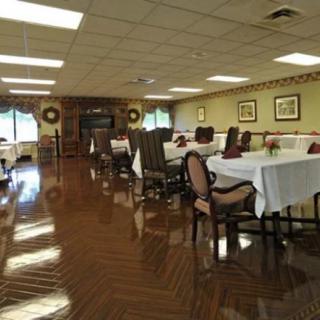
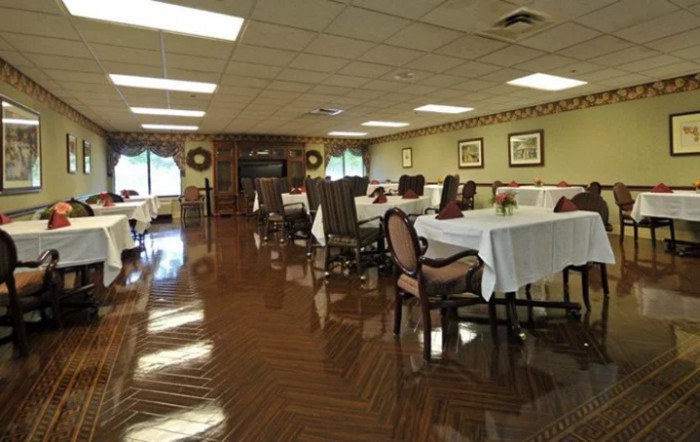
 Dining room
 Fitness room
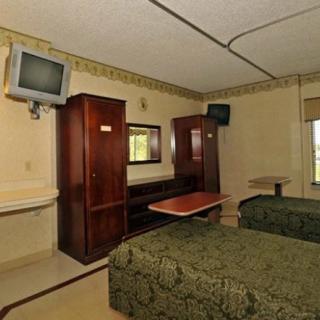
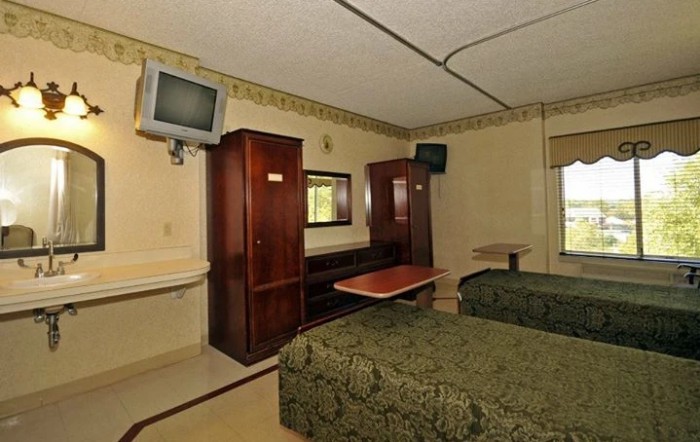
 Fully furnished
 Gaming room
 Garden
 Housekeeping services
 Kitchenette
 Move-in coordination
 Outdoor space
 Private bathrooms
 Restaurant-style dining
 Small library
 Telephone
 Wellness center
 Wi-Fi/high-speed internet available
 Trenton-Mercer County (6 miles away)
 Community operated transportation
 12-16 hour nursing
 24-hour call system
 Activities of daily living assistance
 Assistance with bathing
 Assistance with dressing
 Assistance with transfers
 Diabetes diet
 Medication management
 Mental wellness program
 Special dietary restrictions
 Concierge services
 Planned day trips



 Encouraging Participation in Adult Day Care: A Guide to Supporting a Hesitant Parent
 Comprehensive Exploration of Living Wills and Other Advance Directives
 A Detailed Exploration of Living Wills and Advance Directives