
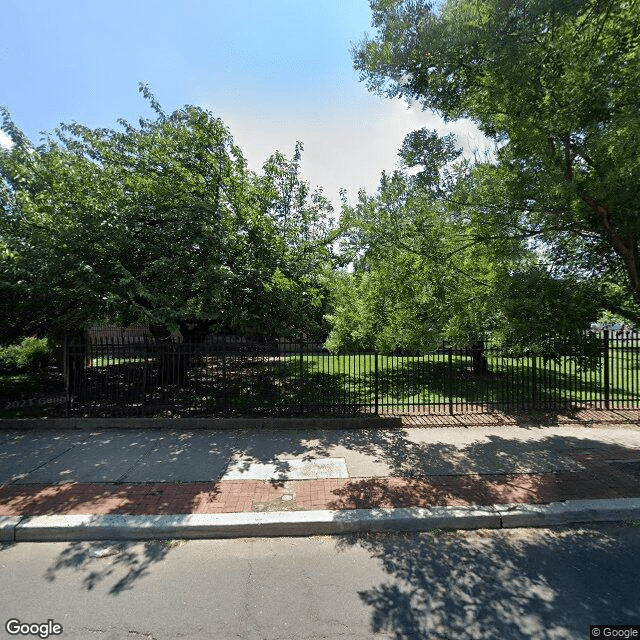
511 Greenwood Ave, Trenton, NJ 08609
To contact a resident: (609) 394-0093
For more information about senior living options: (866) 208-4318
Overall Review of Trent Center East Apartments
Pros
 Miss Phyllis is the only staff member who seems to care about residents.
- Miss Phyllis treats people with respect and does not look down on them.
- The service is described as clean and nice.
Cons
 Residents have repeatedly contacted the property manager about a broken gate, yet there is no response, creating a serious safety concern.
- The building is described as disgusting and unsafe, with management that is unresponsive and unprofessional.
- Nicci Reed is criticized as horrible and ineffective, with staff leaving due to her attitude.
- Tenants report no notices when hot water is out and ongoing plumbing problems.
- There have been assaults and even a murder on the premises, with no adequate action taken by management.
- Management turnover is excessive (four managers in a short period), signaling instability.
- There are constant issues with water, plumbing, the laundry area, and a rancid smell throughout the building.
- Security is lax: packages and groceries are frequently stolen, and security personnel appear not to investigate.
- The elevator, air conditioning, and heating do not work properly, making daily life difficult.
Review
Trent Center East Apartments in Trenton is most suitable for seniors who must keep costs exceptionally low and who can tolerate ongoing management turnover and inconsistent maintenance. The central appeal here is affordability, not a coordinated care model or dependable on-site oversight. Reviews consistently point to a revolving door of managers, with several notes that new leadership has not taken the time to learn the building, the residents, or the practical rhythms of apartment life. A broken security gate and unaddressed access concerns illustrate how safety can be compromised when management responsiveness is unreliable. In short, this is a place that can deliver a basic living environment at a budget-friendly price, but only for those who can accept persistent service gaps and potential safety risks as part of the package.
Those considering alternatives should be aware of who should steer clear. Families with loved ones who require reliable, prompt repairs or who depend on daily assistance for mobility, bathing, medication management, or coordination with external services will likely find this environment untenable. The cast of negatives extends beyond management folklore into daily functioning: complaints about inconsistent hot water and plumbing, malfunctioning elevators, and chronically inadequate heat in some units raise the bar for what “liveable” should mean in a senior setting. Safety concerns are reinforced by reports of assaults and other incidents with little evidence of timely, effective intervention. In short, for residents who need steady supervision, a predictable plan for emergencies, and dependable essential services, looking at stronger-run independent living or assisted living options is prudent.
On the upside, there are a few compensating elements that occasionally surface in favorable notes. Several reviewers describe the space as clean when it is inhabited, and at least one line points to a basic level of service that can feel reliable in brief windows. A small number of staff members, notably at the front desk, are mentioned as approachable or helpful within their limited capacity. The building’s security cameras exist on paper, and some residents report moments when property staff or security personnel provide basic courtesy or assistance. For seniors who value proximity to essential urban amenities and a lower rent tier, these modest positives may count as meaningful, provided the rest of the operation holds together and the resident’s expectations stay tightly aligned with what the property can realistically deliver.
The core pros, lower cost and a convenient location, do not meaningfully offset the most significant cons for anyone who expects steady, safe, and respectful living conditions. The most troubling themes are unresponsiveness and a pattern of unresolved safety and maintenance issues: gate access failures, frequent plumbing problems, irregular heating and hot-water service, and an elevator that breaks down when mobility support is most needed. Compounding these are supervisory gaps: frequent management turnover, difficulty in reaching leadership by phone or by email, and a generally reactive rather than proactive approach to resident concerns. Packages get stolen, noise from neighboring units disrupts daily life, and residents report feeling unheard or undervalued by a system that should be protecting its tenants. In an environment where security, predictability, and timely maintenance are critical to quality of life, these drawbacks create a risk profile that overwhelms any cost savings.
From a decision-making standpoint, the right ask is simple: can these residents maintain independence, with minimal on-site help, within a setting that is consistently safe and well maintained? If the answer is yes, and budget is the controlling constraint, Trent Center East may be a workable short-term choice while researching more stable options. If, however, continuity of care, reliable heat and hot water, safe elevator access, and dependable security are priorities, especially for someone with limited mobility or cognitive concerns, the balance tips decisively toward alternatives. Prospective renters should insist on concrete, written commitments about response times, maintenance schedules, and specific safety upgrades. They should request current copies of maintenance logs, occupancy projections, and a clear plan for stability in management leadership before signing anything.
In practical terms, families should compare this community with nearby independent living and assisted living options that offer vetted management, predictable maintenance, and on-site assistance when needed. Before any commitment, demand a tour focused on real-world daily routines: test the elevator, check the reliability of heating and hot water during peak demand, observe the noise levels over an evening, and verify the security of entry points. Speak with several residents about how quickly issues are addressed and whether they feel safe in shared spaces and parking areas. Above all, consider whether the property has a track record of rapid, respectful communication and a stable management team. If these elements cannot be confirmed in writing, the prudent choice is to pursue alternatives that prioritize dependable care, transparent operations, and a safety-first approach.
 Independent Living
 Trenton-Mercer County (5 miles away)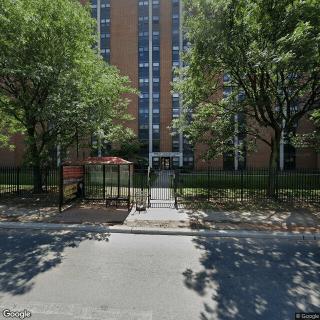


 Comprehensive Insights and Practical Strategies to Help Older Adults Avoid Falls
 6 Crucial Ways an Elder Law Attorney Assists Families
 Navigating the Tax Landscape of Caregiving: Credits, Deductions, and Beyond