
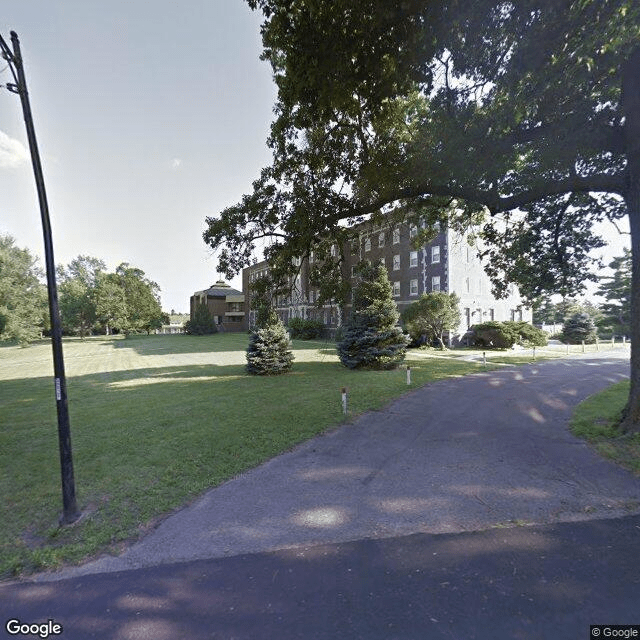
104 E Park Ave, Savannah, MO 64485
To contact a resident: (816) 324-3179
For more information about senior living options: (866) 208-4318
Overall Review of La Verna Heights Retirement
Pros
 The people in the Alzheimer’s unit do a great job.
- They truly care about their patients.
- Katie Johnson is an administrator who truly cares about residents and staff and goes beyond her duty to meet their needs.
- The management team and staff work well as a unit and are very organized.
- The Compassionate Care provided to residents is first-rate.
- The people are honest and sweet and truly care about one another.
Cons
 They won't let him leave.
- He feels uncomfortable there and hates being there.
- The son claims the father cannot make his own decisions, though that claim is disputed.
- There is no real care at this facility.
- People are advised not to send their loved ones here.
- The room was often filthy.
- She was often left in her bed, which resulted in bed sores.
- She was found laying in her own feces.
- They kept her water and other beverages across the room where she couldn't reach them to get a drink.
- The administration is never there.
- The facility is profit-driven and shows in how residents are treated.
- My mother's wedding rings were stolen by a staff member there.
Review
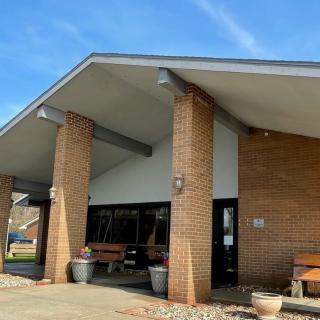
La Verna Heights Retirement in Savannah, Missouri is best suited for families confronting dementia-care decisions who prioritize a structured, supervised environment and a facility where the Alzheimer’s unit is consistently noted for care quality and cleanliness. The strongest fit appears to be residents who respond well to routine, steady nursing attention, and families who want a sense that staff genuinely engages with residents on a daily basis. Reviewers repeatedly highlight the dementia unit as a place where staff strive for a calm, well-maintained setting, with visitors praising the level of care there. Those seeking maximal resident autonomy, broad social programming, or rapid, visible administrative responsiveness should temper expectations and evaluate other options, as leadership presence and care consistency can vary across shifts and departments.
The bottom line is that families should consider alternatives if the top priorities include transparent governance, predictable care across all shifts, and a consistently high standard of daily living. For those who want a nonprofit or well-established operator with longstanding oversight, or for families willing to prioritze fewer questions about administration in exchange for a uniformly steady experience, other nearby communities may offer a more stable track record. While La Verna Heights can deliver in several practical areas, the mix of experiences described in reviews signals a need for careful vetting beyond initial impressions, especially around administration accessibility and day-to-day care reliability.
On the plus side, the most compelling strengths revolve around the Alzheimer’s unit and the surrounding environment. Cleanliness and a pleasant overall atmosphere are repeatedly noted, with specific anecdotes praising fragrance and upkeep during rehabilitative stays. In addition, there are strong signals that the director of nursing and certain staff members attend closely to resident needs, and that some families encounter genuinely caring, compassionate behavior from team members during visits. Positive testimonials frequently point to a culture of kindness in parts of the facility, and a sense that certain caregivers go above and beyond for residents who require dementia-focused supervision.
Yet the major red flags are equally loud in the record. Several reviews recount alarming episodes of neglect or poor care, including bedsores, dehydration, and urinary tract infections that reportedly went unaddressed for too long. Instances of rooms being dirty, supplies poorly managed, or meals not aligning with menus raise legitimate concerns about basic daily living standards. Difficulty locating nurses or aides, delays in response to calls, and a perception that some staff act more for a paycheck than for resident well-being undermine trust. Claims of for-profit pressure, administration absences, and incidents of alleged personal property loss further complicate the risk calculus for families weighing this community.
These contrasting signals sharpen the practical question: do the proven strengths in dementia care and facility upkeep outweigh the highlighted inconsistencies in care delivery and governance? For families with a loved one who needs secure, attentive dementia support and who can meaningfully observe staff performance over time, La Verna Heights can be a workable option, provided one accepts that some shifts may deliver substantially better care than others, and that leadership accessibility may be imperfect. For others, particularly those requiring ironclad oversight, rapid responsiveness, or a consistently high standard across all units, the risks may outweigh the potential benefits, making alternatives a prudent search priority.
A disciplined decision process is essential. Schedule multiple, long visits at different times and request conversations with the director of nursing and a front-line supervisor to understand daily workflows. Ask for recent quality metrics, discharge planning practices, and a transparent outline of how incidents are escalated and resolved. Verify the ability to control or influence discharge decisions if a loved one’s condition changes, and inquire about the handling of meals, hygiene, and sleep routines. Speak to current residents and families about how administrative issues are resolved, and check state survey records and third-party reviews to assess consistency of care. In the end, La Verna Heights offers meaningful strength in dementia care for the right resident profile, but the decision should hinge on a clear comfort with governance transparency and a willingness to monitor ongoing care quality closely.
 Independent Living
 Comprehensive Insights and Practical Strategies to Help Older Adults Avoid Falls
 6 Crucial Ways an Elder Law Attorney Assists Families
 Navigating the Tax Landscape of Caregiving: Credits, Deductions, and Beyond