For more information about senior living options: (866) 208-4318
4.1 from 106 reviews
5 stars
65
4 stars
15
3 stars
10
2 stars
6
1 stars
10
Overall Review of Senior Care Network
differentiator5 reviews mention this
Dining and treats stand out
Dining is repeatedly described as varied and enjoyable.
Multiple residents and family members say the food is genuinely good, with variety and more than one dining space. Several also point out the ice cream parlor, and one reviewer notes that they enjoy getting lunch in the restaurant. Even in reviews that focus on other parts of care, dining still comes up as a positive experience.
common5 reviews mention this
Cleanliness is a frequent plus
Residents and families repeatedly mention a clean, well-kept facility.
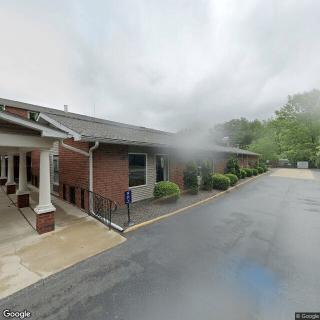
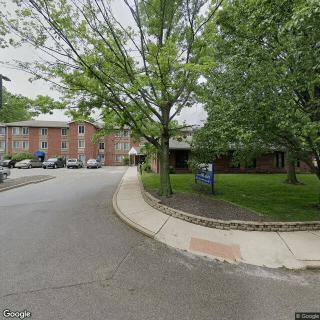
Reviews consistently describe the community as clean and well maintained, including mentions of spotlessly clean rooms and a facility that is kept up. Visitors also comment on cleanliness in the context of tours and day-to-day comfort, and one reviewer highlights how clean the environment feels. A small number of other reviews focus on different issues, but cleanliness is still one of the most common positives.
differentiator2 reviews mention this
Memory care feels personal
Memory care is described as having staff who know residents well.
One family member who toured the memory ward describes the director as familiar with residents by name and says they observed that level of personal commitment with medical and supporting staff. Another review mentions a negative experience in long-term care involving memory care patients being mixed in with others and staff treating them the same, which contrasts with that more personal tone.
caveat3 reviews mention this
Costs and deposits can be a concern
Some reviews raise concerns about affordability and how fees are handled.
One reviewer says rent increased each year and they had to move out because they could not afford it anymore. Another warns that a deposit is associated with getting preferential placement for services but that care may be denied when needed most. On the other hand, a separate review describes the community as the most affordable during their facility research, showing mixed experiences around pricing.
How we summarize
Counts show how many written reviews mention each theme; a review can touch several themes, and only frequently mentioned themes are displayed.
Features
Types of Care
Independent Living
Transportation
Lambert-St Louis International (12 miles away)
Nearby Places of Interest
This part of St. Louis, Missouri offers a variety of amenities that would be appealing to seniors looking for a comfortable and convenient place to live. The proximity to parks such as Blackburn Park and Carondelet Park provides opportunities for outdoor recreation and relaxation. Additionally, the availability of pharmacies like CVS and Walgreens, as well as healthcare facilities like Southwest Medical Center and University Club Medical, ensures easy access to medical services. There are also several places of worship in the area, catering to different religious affiliations. For dining options, residents can enjoy a range of restaurants offering diverse cuisines, along with cafes like Starbucks for a quick coffee break. Transportation options are also readily available with the Zooline Railroad nearby. Overall, this neighborhood provides a safe and pleasant environment for seniors looking to settle down in St. Louis.
Adult day care programs offer essential support and activities for older adults, yet many hesitate to participate due to concerns about independence and stigma. To alleviate these apprehensions, families should facilitate open discussions, explore financial resources, suggest trial visits, and collaborate with healthcare providers to highlight the benefits of such services for both the participants and their caregivers.
Living wills and advance directives are crucial legal documents that outline an individual's healthcare preferences when they cannot make decisions themselves, enhancing patient autonomy and alleviating family stress during medical crises. The article emphasizes the need for these documents to be personalized, legally valid, and regularly updated, while also encouraging communication about end-of-life wishes among family members and healthcare providers.
The article examines living wills and advance directives, highlighting their significance in expressing healthcare preferences for those unable to communicate due to illness or incapacity. It discusses their historical development, legal components, limitations, practical drafting advice, and the importance of clear communication among families and healthcare professionals regarding end-of-life decisions.
Get PricingAsk A QuestionSchedule A TourContact Senior Advisor
By clicking submit, you agree to our Partner's Terms of Use. You
also consent to receive calls and texts, which may be autodialed, from our Partner. Your consent is not a condition to
using our Partner's service. Please visit our Partner's Privacy Policy for information about their privacy practices.

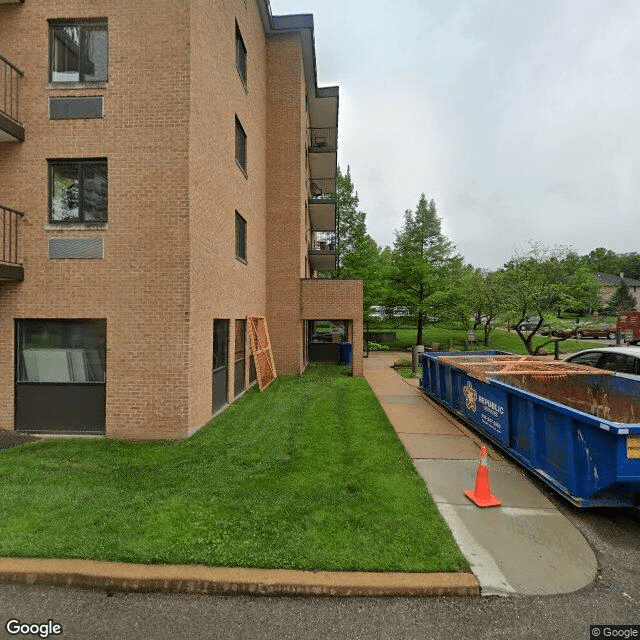
 Independent Living
 Lambert-St Louis International (12 miles away)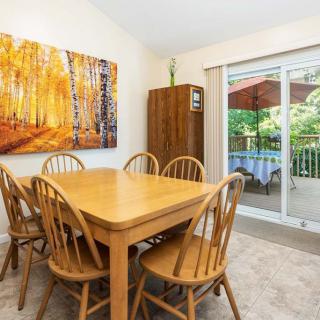
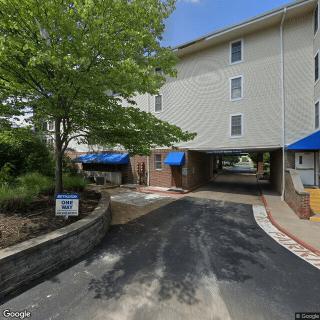
 High-quality care with attentive staff and well-maintained facilities.




 Encouraging Participation in Adult Day Care: A Guide to Supporting a Hesitant Parent
 Comprehensive Exploration of Living Wills and Other Advance Directives
 A Detailed Exploration of Living Wills and Advance Directives