
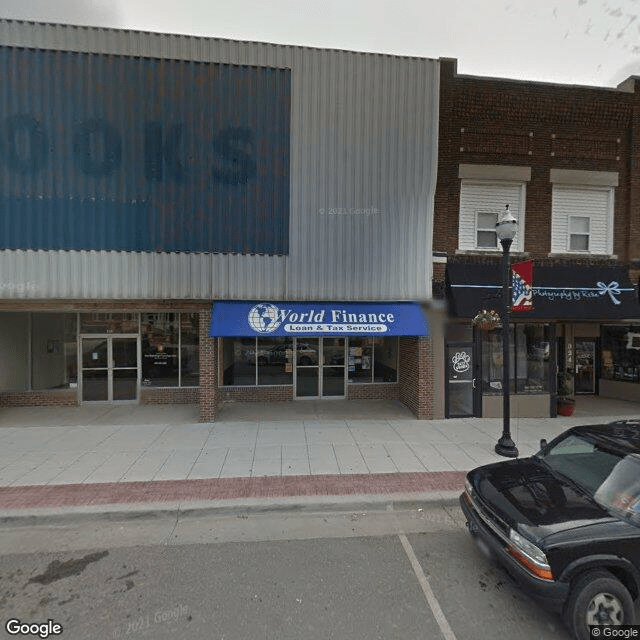
320 N Main, Maryville, MO 64468
To contact a resident: (660) 541-1478
For more information about senior living options: (866) 208-4318
The Estates of Maryville Costs & Pricing
The Estates of Maryville offers competitive pricing for its accommodations when compared to both Nodaway County and the broader state of Missouri. For a one-bedroom unit, residents can enjoy a monthly cost of $1,300, significantly lower than the county average of $2,588 and the state average of $3,349. Similarly, those seeking two-bedroom options will find The Estates appealing at $1,800 per month, contrasted with the county's average of $3,367 and Missouri's average of $3,675. These figures highlight The Estates of Maryville as an attractive choice for individuals and families looking for quality housing without the hefty price tag associated with other local and state alternatives.
| Floor plans | The Estates of Maryville | Nodaway County | Missouri |
|---|---|---|---|
| 1 Bedroom | $1,300 | $2,588 | $3,349 |
| 2 Bedrooms | $1,800 | $3,367 | $3,675 |
Independent Living communities with a similar price nearby
-
About the same
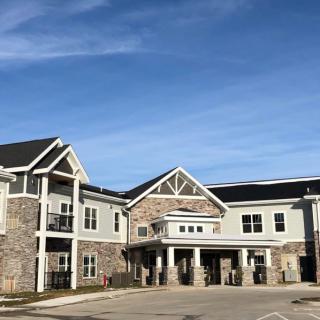
The Estates of Liberty
$1,300 to $1,800 / month0.0 miles away
Overall Review of The Estates of Maryville
Pros
 The facility is beautiful and has a great staff.
- The team at Maryville always does what’s best for residents and treats everyone like family.
- The staff are great to residents and genuinely care.
- Autumn is kind and helpful and reassures residents they will do everything to help them feel better.
- The therapy team and nurses help residents make impressive progress, and the staff truly care.
- The staff are patient and gracious, engaging residents even when they aren’t in the best of moods.
- Residents enjoy socialization and daily activities, and the staff take the time to get to know them.
- This place is the best—top-notch people all around.
- The staff provide exceptional, caring, and well-communicated care, willing to go the extra mile for patients.
Cons
 The reviewer’s father can be very difficult at times.
- Jasmine hung up on a caller who asked for an invoice.
- The reviewer felt that the collection call on a current invoice, which had only been in the mail system for three days, was completely unreasonable.
Review
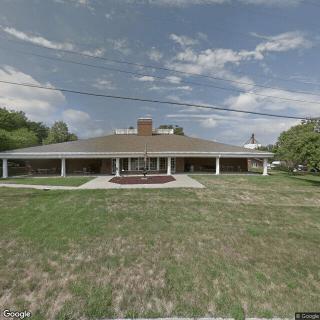
The Estates of Maryville is best suited for families seeking a warm, home-like atmosphere paired with solid clinical support for seniors who benefit from rehab services and daily social engagement. The community earns trust through a consistently caring staff culture, where residents are treated like family and care teams work together to support progress in therapy, nursing, and daily living activities. The facility’s aesthetic, clean, orderly, and inviting, supports a positive mood and a sense of safety for both short-term rehab and longer-term living. For families prioritizing visible staff investment, meaningful activities, and a culture of genuine concern, Maryville presents a compelling, practical option.
Those who may want to consider alternatives are those who place a premium on flawlessly polished administrative processes or who need highly specialized care services that are outside the facility’s current emphasis. A single reviewer highlighted an administrative misstep around invoicing that felt abrupt and poorly coordinated, illustrating that occasional billing or communications hiccups can color the experience. Prospective residents who require perfectly predictable billing, or who want a facility with explicit memory-care programming or a very different care model, may want to compare a few other communities before committing.
On balance, the strongest pros at The Estates of Maryville consistently offset the notable con. Families repeatedly note a staff that is patient, friendly, and genuinely committed to the resident’s well-being. Therapy teams and nurses are praised for measurable progress and for engaging residents in recovery goals, while activities and social opportunities foster ongoing engagement and dignity. Administrative staff, when aligned with families, are described as going above and beyond, and the overall atmosphere is one of respect and personal attention. The combination of professional care, daily purposeful interaction, and a finding of “home-like” warmth makes the daily experience feel manageable and hopeful.
The main downside remains the infrequent, isolated administrative friction around billing. An unhappy billing experience stands in stark contrast to the broader pattern of care, and it serves as a reminder that even excellent clinical care can be undermined by inconsistent administrative processes. This is not a pervasive flaw, but it is enough to prompt careful due diligence from families who require airtight financial communications. It suggests that prospective residents should clarify billing timelines, preferred contact points, and invoicing expectations upfront, to ensure there is a clear path to resolution if concerns arise.
Despite that hiccup, the caregiving strengths of Maryville’s team tend to overshadow the administrative blemish. For families seeking dependable rehab outcomes, the facility’s approach to therapy and nursing aligns with realistic recovery trajectories, and the staff’s willingness to engage families in planning, whether for a care plan meeting or ongoing updates, builds confidence. The social fabric, resident participation in activities, the sense of community, and staff familiarity with residents’ personalities, adds resilience to the care plan, supporting both mood and functional gains. The safety emphasis, including respectful handling during transfers, reinforces the sense that residents are being protected in every shift.
In the end, this community should be seriously considered by families who value a genuinely caring staff, a strong rehabilitation backbone, and a welcoming, resident-centered culture. It is a strong match for someone who appreciates a homey environment but does not want to trade clinical quality for that coziness. Alternatives are worth exploring if flawless administrative consistency or highly specialized memory-care programming is non-negotiable. The Estates of Maryville stands out as a practical, capable choice for families prioritizing human connection and real progress in daily living. If these priorities dominate the decision criteria, a visit is warranted, request to meet the care team, observe the rehab sessions, and discuss billing practices in depth to confirm that the experience will meet expectations over the long term.
 Independent Living
 Cats allowed
 Dogs allowed
 Wheelchair accessible showers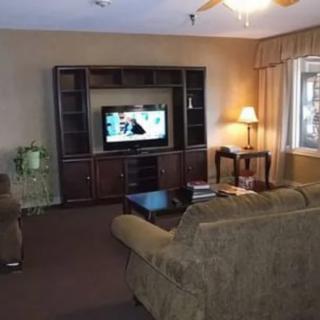


 6 Crucial Ways an Elder Law Attorney Assists Families
 Navigating the Tax Landscape of Caregiving: Credits, Deductions, and Beyond
 Highly Beneficial Low-Impact Exercises for Senior Living Residents