
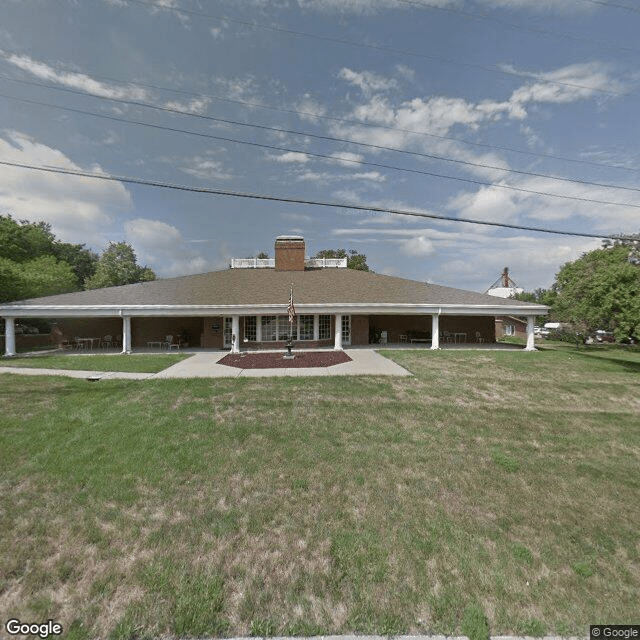
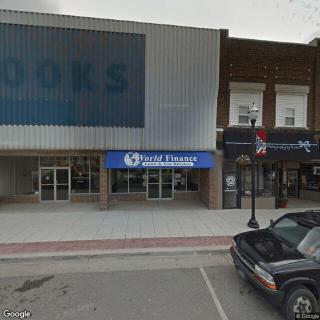
1101 East 5 Th Street, Maryville, MO 64468
For more information about senior living options: (866) 208-4318
Maryville Chateau Costs & Pricing
At Maryville Chateau, the monthly cost for a one-bedroom unit is $1,808, which presents a more budget-friendly option when compared to both Nodaway County and the wider Missouri state averages. In Nodaway County, similar accommodations can reach up to $2,588 per month, while in Missouri overall, the costs soar to an average of $3,349. This significant difference highlights Maryville Chateau as an attractive choice for those seeking quality living arrangements without straining their finances. The affordability of this residence not only makes it a compelling option within the local community but also reflects its commitment to providing accessible housing solutions in comparison to regional norms.
| Floor plans | Maryville Chateau | Nodaway County | Missouri |
|---|---|---|---|
| 1 Bedroom | $1,808 | $2,588 | $3,349 |
Assisted Living communities with a similar price nearby
-
from +$222 / mo
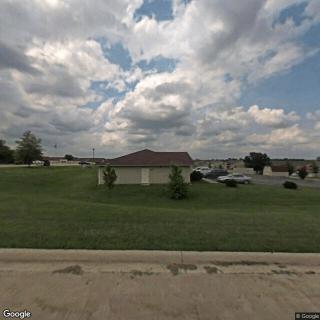
Bristol Manor of Maryville
$2,030 to $3,030 / month2.1 miles away
Overall Review of Maryville Chateau
Pros
 Maryville Chateau is very family-like.
- The price is amazing for all of the great staff, food, and room and board.
Review
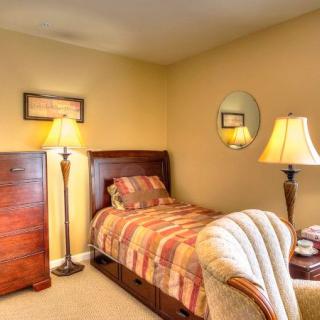
Maryville Chateau in Maryville, Missouri is best suited for families seeking a small, home-like assisted living environment where warmth, familiar faces, and predictable value drive daily life. The core appeal rests on a genuine sense of community rather than spectacle: staff who feel as accessible as neighbors, meals that feel home-cooked, and room-and-board that doesn’t stretch the budget. The strongest signal from the available experience is simple and powerful: care that looks and feels personal, with a price tag that makes day-to-day decisions easier for the average family. For households prioritizing a warm, intimate setting over high-end amenities or a sprawling campus, Maryville Chateau presents a practical blueprint for comfort, reliability, and dignity without the drama of more commercial options.
That said, a decision should weigh who may want to consider alternatives. Those needing aggressive medical supervision, complex memory care, or a facility with a large, highly structured activity program may find themselves looking elsewhere. Prospective residents who require extensive rehabilitation services, frequent on-site therapy, or a broad continuum of care might be better served by larger communities with more specialized offerings. Also worth noting: with a single positive review forming the basis of judgment, families should corroborate with additional testimonials, and plan a visit to confirm that the homey feel translates across staff shifts and holiday crowds. In short, this is a strong fit for certain priorities, not a universal solution for every level of care need.
The strongest pros, the family-like atmosphere, affordable price, capable staff, and solid meal-and-lodging package, work in concert to offset the absence of broader scale amenities. A homey, low-stress environment tends to yield better daily satisfaction for residents who value consistency, personal attention, and straightforward routines. If staffing is as compassionate as the depicted review suggests, safety and responsiveness improve, reducing the kind of anxiety that can undermine well-being in more impersonal settings. The affordability enhances accessibility, allowing families to allocate resources toward companionship, transportation to appointments, or small comforts that elevate daily life. In this combination, there is a clear offset of what some families fear most: that “ affordability = compromise.” Here, the price-to-service ratio appears to honor value without forcing painful trade-offs on basic quality.
The family-like character is not simply a social gloss; it has tangible implications for decision-making. Residents in such environments tend to experience stronger interpersonal connections, easier communication with caregivers, and a sense that care decisions are seen in the context of a person rather than a chart. That translates into fewer misunderstandings about routines, meals, and personal preferences, which, in turn, supports consistency in nutrition, sleep, and activity participation. Yet the potential trade-off is a spectrum: a smaller operation may offer fewer high-energy programming options, fewer on-site medical resources, and less diversity in recreational opportunities than larger campuses. For some families, the comfort of a neighborhood feel outweighs the lure of a busier social calendar or a wider array of therapies.
From a practical standpoint, families evaluating Maryville Chateau should orchestrate a deliberate visit to verify fit. Observe how staff interact with residents, not only in formal moments but in casual exchanges around meals and common areas. Ask about staffing ratios across day and night shifts, and how the team handles calls for assistance, meal customization, or changes in routine. Inquire what the “all-in-one” price covers, are medications, personal care services, laundry, housekeeping, and meals included, or are there add-ons that could creep up the bill? Request sample menus and mealtimes to assess consistency and variety, and probe the length and structure of any activities offered to gauge whether social engagement aligns with a resident’s interests. Verifications such as state inspections and recent survey results add a necessary layer of confidence when the qualitative warmth is so compelling.
Ultimately, Maryville Chateau stands out as a strong choice for families who value a genuine home atmosphere, predictable and affordable care, and staff who feel like extended family rather than a distant care provider. It is not presented as the widest-reach option for seniors with high-acuity medical needs or those craving a bustling, metropolitan-scale community with dozens of daily programs. For residents content with a quieter pace, dependable routine, and a focus on interpersonal connection, this community answers the call with clear, credible strength. When the priorities are clear, affordable, compassionate care in a warm, intimate setting, Maryville Chateau deserves serious consideration. If, however, the chart of needs includes intensive medical management, expansive rehab options, or the kind of diverse programming that only larger campuses reliably offer, it is wise to expand the search and compare against alternative communities before committing.
 20 resident community capacity
 Assisted Living
 Board and Care Home
 Cats allowed
 Dogs allowed
 Activities on-site
 Beauty salon
 Cable or satellite TV
 Devotional services off-site
 Dining room
 Fully furnished
 Garden
 Housekeeping services
 Indoor common areas
 Kitchenette
 Move-in coordination
 Outdoor space
 Telephone
 Wi-Fi/high-speed internet available
 24-hour call system
 Ambulatory care
 Assistance with bathing
 Assistance with dressing
 Assistance with transfers
 Diabetes diet
 Diabetic care
 Meal preparation and service
 Medication management
 Mental wellness program
 Special dietary restrictions
 Transportation arrangement (medical)
 Transportation to doctors appointments


 Vibrant Senior Living: A Comprehensive Guide for Active Older Adults
 When to Transition from Assisted Living to Memory Care: Key Indicators, Steps, and Finding the Right Community
 Assisted Living and Memory Care: Understanding Their Core Differences