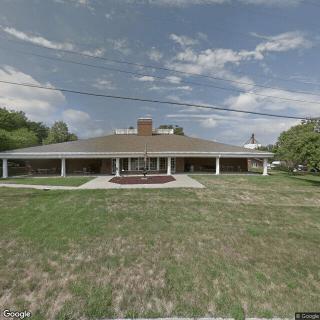
810 East Edwards Street, Maryville, MO 64468
For more information about senior living options: (866) 208-4318
Overall Review of Village Care Center
Pros
 The place is loved for its small size and family feel.
- The nurses are wonderful.
- Administrator Katie really cares about the residents.
- Katie Constant is a hardworking, engaged leader who interacts with staff and residents.
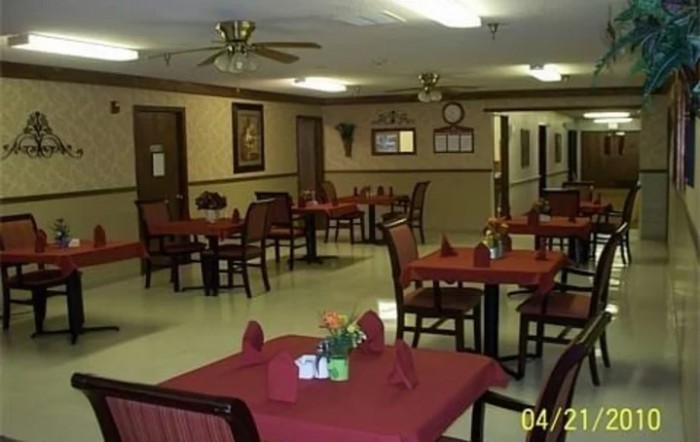
- The facility offers very good food and activities.
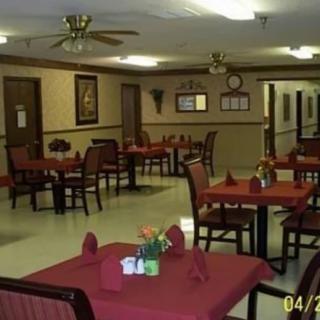
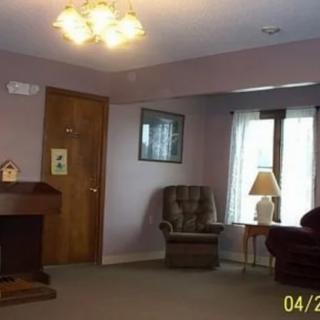
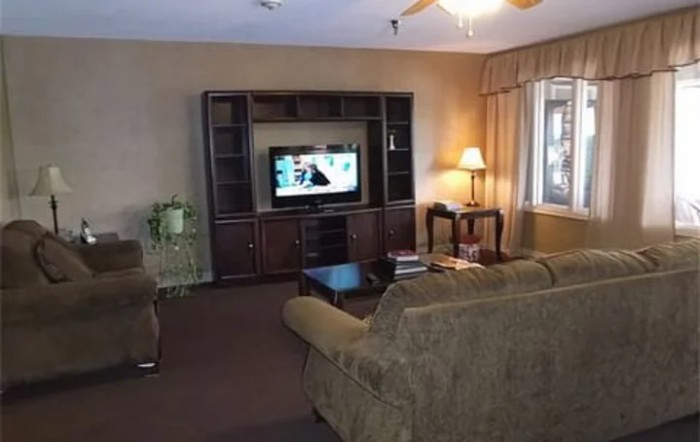
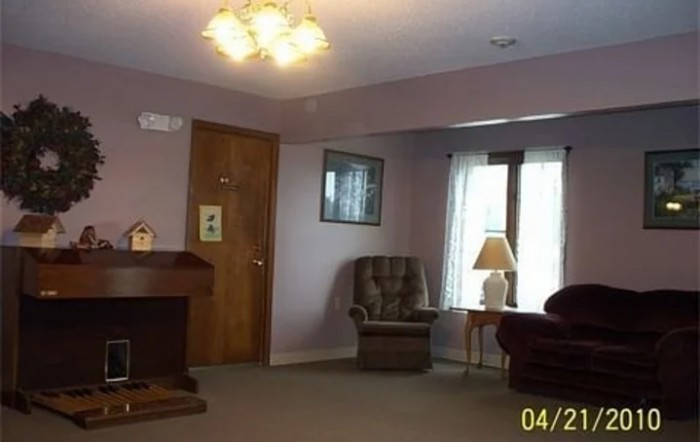
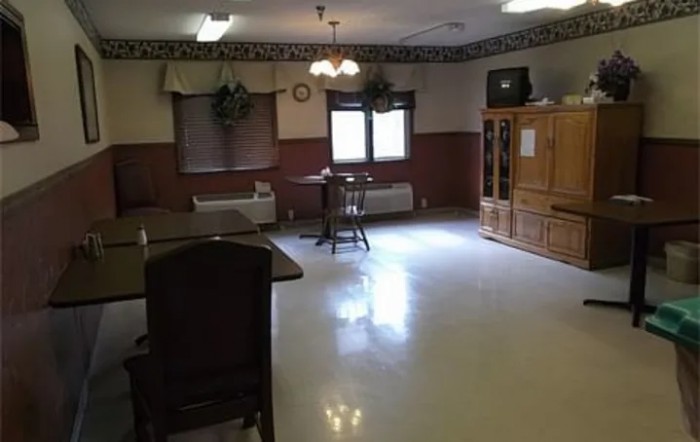
- The building is decorated with beautiful pictures.
Cons
 The mother died unexpectedly while under the nursing home's care.
- The staff did not perform an autopsy to determine the cause of death.
- The mother became unresponsive, with no clear explanation provided.
- Staff claimed natural causes despite signs she might have died from a heart attack.
- No one knows what happened.
Review
Village Care Center in Maryville is best suited for seniors who prize a small, homey environment where care feels personal and staff know residents by name. The facility’s strength lies in its intimate scale, which fosters a family-like atmosphere. Residents and families repeatedly praise the nurses and the hands-on administrator, Katie, who remains actively involved rather than distant. The day-to-day vibe centers on warmth, good meals, engaging activities, and a building that feels welcoming and decorated with care. For families who want meaningful interpersonal connections and a sense of community over clinical bustle, this setting delivers.
Those considering alternatives should note a few objective caveats. The most significant caution arises from a family account surrounding the death of a former resident. The review notes uncertainty about the cause of death and questions about whether an autopsy was performed. While this reflects a single experience and not a routine pattern reported by multiple families, it remains a factor for families who require very high transparency or who worry about medical oversight during acute events. For seniors with substantial medical complexity, frequent new diagnoses, or a need for extensive 24/7 clinical monitoring, other facilities with larger medical staffs and more formalized protocols may be a better fit.
The strongest pro-environmental offset is the hands-on leadership and daily involvement of the administrator, coupled with a team that treats residents like individuals rather than numbers. The staff’s accessibility, there often being a nurse or administrator visibly engaged rather than ensconced in private offices, creates a cadence of attentiveness that can translate into quicker responses and more nuanced care. The resident who spoke about the care team highlighted not only the professional competence of nurses but also the genuine care that extends to social activities and the physical environment. This alignment between staff, residents, and families is the core advantage, and it very effectively offsets limitations that might come with a smaller operation.
However, the notable adverse thread cannot be ignored. The referenced death, the lack of clarity around its circumstances, and the family’s perception of insufficient post-event transparency introduce an element of risk for families prioritizing medical certainty and transparent investigation trails. In a small community where the same faces are involved in daily routines, such an incident can color expectations about how medical emergencies are managed and communicated. The positive experiences with Katie and the daily life of the home help blunt some of this concern, but the red flag remains a legitimate consideration for decision-makers weighing risk versus comfort.
Practical decisions should be anchored in a few concrete questions before moving in: what is the nurse-to-resident ratio, and how is care coordinated when medical needs change? How available is the administrator to address family concerns in real time? What are the memory care and end-of-life care options, including staffing credentials and care plans? Prospective families should also request candid conversations with current residents about daily routines, meals, and social programming to verify that the promised sense of community matches lived experience. A tour should include a thorough check of cleanliness, safety features, and the degree of personalization in each room and common space.
In sum, Village Care Center offers a compelling option for seniors who value a tight-knit setting, direct access to a dedicated administrator, and a culture of everyday attentiveness. The environment suits active, socially engaged residents who thrive on personal connections and routine, well-supported by a compassionate staff. It may not be the best fit for those needing robust, hospital-level oversight or exhaustive transparency around every medical event. For families weighing this choice, the question is whether a small-scale, family-style experience with strong day-to-day care alignment outweighs the desire for broader medical resources and explicit post-incident clarity. If that balance aligns, Village Care Center stands out as a practical, experienced option worth pursuing.
 18 resident community capacity
 Assisted Living
 Board and Care Home
 Skilled Nursing Facility
 Cable or satellite TV
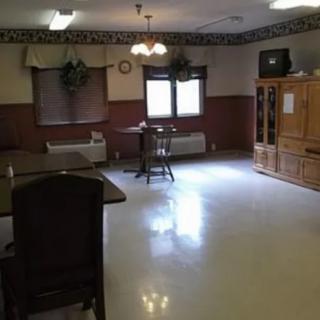
 Dining room
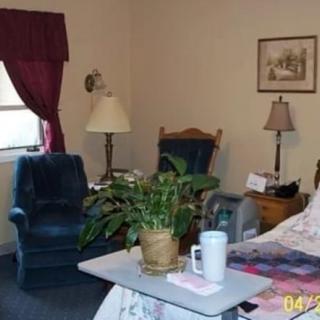
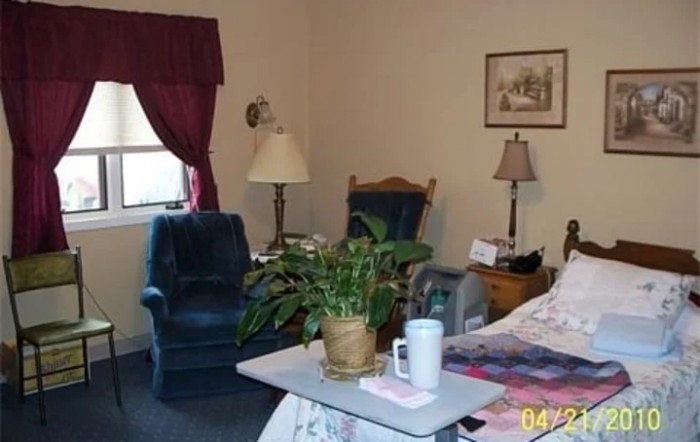
 Fully furnished
 Garden
 Housekeeping services
 Move-in coordination
 Outdoor space
 Telephone
 Wi-Fi/high-speed internet available
 24-hour supervision
 Activities of daily living assistance
 Assistance with bathing
 Assistance with dressing
 Assistance with transfers
 Diabetes diet
 Meal preparation and service
 Medication management
 Special dietary restrictions
 Transportation arrangement (medical)
 Transportation to doctors appointments




 Exploring the Path to Senior Living: A Comprehensive Look at Independent Living and Assisted Living
 Is Assisted Living Deductible on Your Taxes? Understanding the Complexities of Assisted Living Expenses and Deductions
 Assisted Living Support for Veterans: A Complete and Detailed Overview