












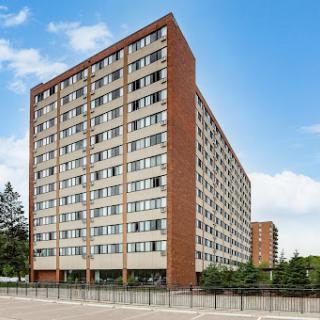
6615 Lake Shore Dr, Richfield, MN 55423
To contact a resident: (612) 861-7595
For more information about senior living options: (866) 208-4318
Overall Review of Lake Shore Drive Condominiums
Pros
 It looks great.
- It has a nice location.
- The party room is very nice.
- It is beautiful.
- The condo building is nice and conveniently located.
- The nearby strip malls are well maintained and have high occupancy.
- It has a nice mix of stores and restaurants.
- There is a very nice co-op nearby.
- Lake Shore provides its own bus service and makes regular runs for residents.
- It is wheelchair accessible.
Cons
 The person who answers the phone for inquiries was unhelpful, unprofessional and extremely rude.
- The reviewer wouldn't want their loved ones living there.
- The Cub-owned (Rainbow-named) store has closed, making regular groceries farther away.
- The building is aging and needs major investments.
- The reviewer notes that not all Cub stores are great, and it's not just about square footage.
Review
Lake Shore Drive Condominiums is best suited for independent seniors who want a condo-style lifestyle with active social opportunities, easy access to transit, and everyday conveniences in a walkable Richfield setting. Residents who prize built-in amenities, neighborly activity, and a campus feel will find plenty to leverage here: a game room, a craft shop with tools, a small workout area, a salon, and garden plots all inside a building that is comfortable for wheelchairs and planned around resident life. The location near 66th Street and Lyndale Avenue S, with ready access to a nearby Woodlake Trail and Nature Preserve, makes it practical for those who want daily chances to walk, ride, or participate in outings such as Twins game packages.
That said, consider alternatives if on-site assistance or consistently polished management is a priority. The most significant red flag from the reviews is a complaint about phone inquiries: staff who answered calls were described as unhelpful, unprofessional, and rude. For families seeking a responsive, visitor-friendly front line and an impression of consistently courteous service, this concern alone may justify looking elsewhere. Add in the long-run reality of managing an aging building, where major investments may be needed, and the decision becomes more complex for those who want near-term assurances about upkeep, reliability, and predictable communication.
On the pro side, the tangible advantages align well with practical senior living goals. The building’s convenience is real: a robust on-site bus that serves residents and participates in outings, plus wheelchair accessibility that supports mobility and independence. The surrounding neighborhood is well-maintained and pedestrian-friendly, with a mix of stores and restaurants within a short walk or ride. Inside, residents enjoy a suite of shared spaces that support hobbies, socializing, and small-scale recreation, an important offset to condo living that can otherwise feel isolating. Outdoor space, including a sloping backyard, garden plots, and a well-kept BBQ area, adds a rare level of charm and opportunities for outdoor activity that older adults typically value.
The cons, when balanced against the positives, point to a specific planning horizon. The building is aging, and while elevator upgrades and window work have been completed, ongoing capital needs are implied. For buyers or long-term residents, this signals future expense and disruption possibilities, particularly if a home upgrade or major maintenance cycle is looming. Groceries and daily errands are feasible but not as effortless as in some newer developments; the nearby shopping options are solid but not immediately adjacent, requiring a short drive or bus ride. These factors tilt the decision toward a preference for communities with stronger ongoing investment in upkeep and a more seamless daily-life routine.
Still, the pros provide meaningful compensation for many seniors. The asset is not merely amenities on paper; it’s about how those amenities integrate with everyday life. The possibility of social events, accessible transit, and in-building recreation supports a livable, engaged daily routine without leaving the community for every activity. The location’s walkability to a variety of services, the ability to participate in outdoor and community programs, and the presence of practical supports like the wheelchair-ready layout create a compelling package for those who want to stay active and retain independence without surrendering a sense of community.
The practical takeaway is sharp: Lake Shore Drive Condominiums works best for independent seniors who want a lively, amenity-rich environment and basic resident support without requiring heavy daily care. It suits those who value a strong social fabric, easy access to transit and outdoor recreation, and an older but improving building that has already addressed some major maintenance items. It is less ideal for those who must have consistently top-tier customer service on demand, or who require regular, on-site assistance and turnkey care. Pros offset the main concerns if the plan includes a clear expectation of future maintenance needs and a willingness to engage with a building that offers real community life rather than pristine, new-construction polish. For families weighing options, a guided tour that tests front-desk responsiveness, reviews ongoing maintenance plans, and assesses the condition of common areas will be decisive.
 Independent Living
 Minneapolis-St Paul International (4 miles away)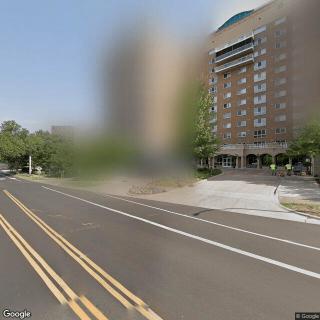



 Navigating Medicare Coverage for In-Home Care Services
 In-Home Care Costs in 2025: A Detailed State-by-State Exploration
 Understanding Home Health Care: A Comprehensive Guide