
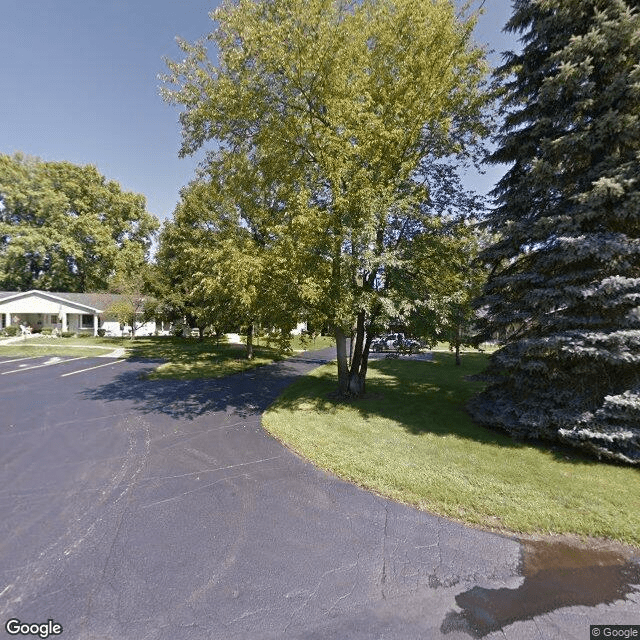
108 2nd St Judy-517-750-4484, Spring Arbor, MI 49283
To contact a resident: (517) 750-0500
For more information about senior living options: (866) 208-4318
Arbor Meadows Costs & Pricing
At Arbor Meadows, the monthly cost for a one-bedroom unit is $900, which stands in stark contrast to the average prices in both Jackson County and the broader state of Michigan. Residents can enjoy significant savings, as the county's average rent reaches approximately $3,188, while state-wide costs are even higher at around $3,384. This makes Arbor Meadows an appealing option for those seeking quality living accommodations without breaking the bank. The competitive pricing underscores Arbor Meadows' commitment to providing accessible housing solutions in a market characterized by rising rental costs.
| Floor plans | Arbor Meadows | Jackson County | Michigan |
|---|---|---|---|
| 1 Bedroom | $900 | $3,188 | $3,384 |
Independent Living communities with a similar price nearby
-
About the same

Arbor Woods Assisted Living
$895 / month7.4 miles away -
from +$100 / mo

Brooklyn Living Center
$1,000 to $1,500 / month17.3 miles away -
About the same
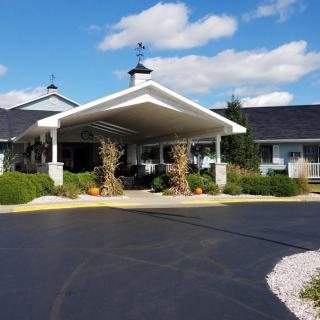
Arbor North Living Center
$905 to $1,590 / month7.4 miles away -
About the same
Countryside Villa
$910 to $1,285 / month4.8 miles away -
from +$165 / mo
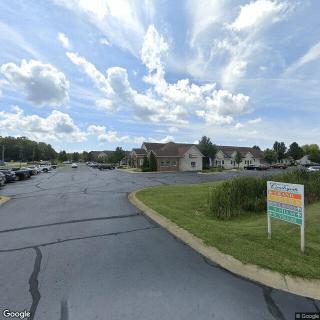
Countryside Atrium
$1,065 to $1,585 / month4.8 miles away
Overall Review of Arbor Meadows
Pros
 They praise the kindness of the office staff, food servers, and housekeeping for taking time to talk, listen, and treat their partner with compassion and respect.
- They note that staff share laughter and provide compassionate, respectful care.
- They would definitely recommend the facility.
- Arbor Oaks staff welcomed their dad and provided a smooth transition for his move.
- The center is a good place for seniors.
Review
Arbor Meadows in Spring Arbor, MI is best suited for seniors and their families who prize a warm, respectful caregiving culture and a low-stress transition into assisted living. The two published perspectives emphasize interpersonal care, with office staff, food servers, and housekeeping described as kind, patient, and engaged, taking time to listen, talk, and share a light moment with residents. This is a facility that earns confidence through everyday humanity rather than glossy sales pitches. For families who want their loved one treated with compassion and dignity as they settle into daily routines, Arbor Meadows offers a strong, practical match.
Potential residents should still weigh alternatives if the priority is medical intensity, memory-care specialization, or a wider slate of activities and services. The available feedback is limited in quantity, and one of the two references even mentions Arbor Oaks rather than Arbor Meadows, which underscores the need for a careful, in-person evaluation. The data do show a high-touch, people-focused environment, but there is no detailed information in the reviews about clinical oversight, care plans, or the breadth of programming. In short, this is a warm-echo environment, not a substitute for due diligence on medical needs.
Key positives, genuine kindness from staff across departments, attentiveness to resident concerns, and an atmosphere that invites conversation, lift the experience above what many families fear about moving into assisted living. When staff connect with residents and families in a respectful, even humorous way, routines become predictable rather than anxiety-inducing. Those dynamics shift the risk profile of a move, making daily life more sustainable for seniors who value companionship and approachable caregivers. Still, warmth does not replace clinical capability, so prospective residents should verify the level of medical oversight and what happens when conditions change.
The second account, although briefly stated, underscores a practical strength: a coordinated, welcoming onboarding process. Names like Trish, Laura, and Pam are cited as the team that gave a smooth transition for a new move-in, signaling reliable check-ins, clear communication, and proactive support. Onboarding excellence matters just as much as day-to-day kindness because it reduces relocation stress and sets expectations correctly. When a community can demonstrate both a caring culture and well-managed transitions, it becomes a safer choice for seniors who may resist disruption or require adjustments as needs evolve.
Before committing, families should pursue specific confirmations: current staff-to-resident ratios at all shifts, availability of licensed nursing supervision, and how quickly clinical needs are addressed; menu quality, special diets, and dining flexibility; activity calendars that match personal interests; transportation options; and clarity of contracts, including fees and potential rate increases. The reviews provide comfort about atmosphere and demeanor, but they do not illuminate the practicalities these decisions hinge on. A thorough tour, conversations with administrators, and an example week of programming will reveal whether the warm reputation translates into consistent, reliable care.
In sum, Arbor Meadows presents a compelling option for those prioritizing a respectful, people-first environment and a frictionless transition into assisted living. The limited but favorable feedback paints a picture of staff who listen, connect, and attend to daily comfort with generosity. The main caveat is the narrow evidentiary base, only two reviews, and the absence of detail on medical capabilities and long-term programming. For families seeking deeper clinical support, specialized memory-care features, or a broader activity portfolio, it would be prudent to compare with other communities. When the goal is a humane, well-supported living atmosphere, Arbor Meadows is a strong contender worth serious consideration.
 Independent Living




 Engaging Brain Games and Innovative Apps to Keep Senior Minds Active
 Effective Strategies for Keeping Seniors' Minds Active: A Deep Dive into Brain Games and Apps
 In-Depth Look at the VA Aid and Attendance Program