For more information about senior living options: (866) 208-4318
4.3 from 22 reviews
5 stars
16
4 stars
2
3 stars
0
2 stars
2
1 stars
2
Spring Arbor Assisted Living Center Costs & Pricing
Spring Arbor Assisted Living Center offers competitive pricing for its accommodations when compared to the broader market in Jackson County and the state of Michigan. The cost for a studio apartment at Spring Arbor is $3,645, which is notably higher than the county average of $3,195 but slightly below the state average of $3,824. For those seeking a one-bedroom unit, Spring Arbor's price of $3,995 stands out as more expensive than both the county's rate of $3,188 and the state's average of $3,384. Similarly, their two-bedroom option at $4,245 exceeds both local and state pricing significantly - with Jackson County averaging just $2,903 and Michigan's average being $3,523. Overall, while Spring Arbor may command higher rates for some room types relative to county averages, it reflects its unique offerings and quality of care that residents can expect.
Floor plans
Spring Arbor Assisted Living Center
Jackson County
Michigan
Studio
$3,645
$3,195
$3,824
1 Bedroom
$3,995
$3,188
$3,384
2 Bedrooms
$4,245
$2,903
$3,523
Memory care communities with a similar price nearby
Overall Review of Spring Arbor Assisted Living Center
common19 reviews mention this
Staff care is a central theme
Residents and families repeatedly describe attentive, respectful care from the staff.
Across the reviews, families say staff treat residents with kindness and respect, and many describe staff members as knowledgeable about residents’ daily needs. Several comments highlight dementia support and day-to-day responsiveness, including help during medical cycles. A few reviews are critical, saying some nurses or aides fell short and that management or coordination could be difficult.
differentiator4 reviews mention this
Dementia and memory care support
The community is described as handling dementia and Alzheimer’s care with specific attention.
Multiple reviews mention dementia support, including care for residents receiving total care and later moving into the dementia wing. One review praises the staff’s attentiveness throughout years of dementia care, right through the end. Another review points to the Alzheimer’s unit as a concern, calling out understaffing and training issues on that floor.
common4 reviews mention this
Activities help residents stay engaged
Residents are described as having regular activities they can participate in.
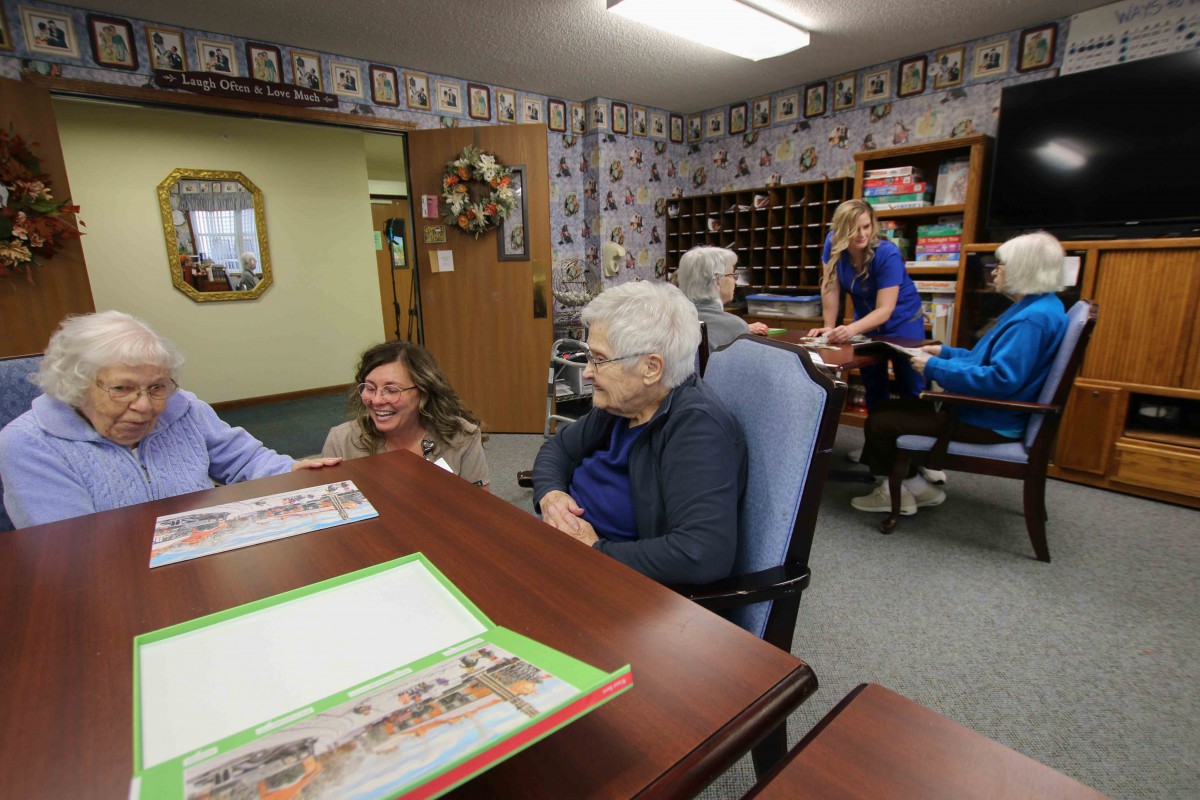
Several reviews highlight community-sponsored events and ongoing activity options. Families mention seasonal gatherings and entertainment, and another review notes enjoyment of bingo. Even when discussing the facility’s layout and rooms, residents are described as having spaces and options intended to keep people engaged day to day.
common5 reviews mention this
Dining gets mixed but frequent mentions
Dining is a frequent point of feedback, ranging from tasty to disappointing.
Some reviews say the food is tasty or that residents are pleased with meals. Others describe the food as terrible or merely “okay,” and one review ties the meal experience to overall expectations about care. The community also offers restaurant-style dining and meal support for dietary needs, which aligns with how residents reference specific diets and meal service in their feedback.
common5 reviews mention this
Cleanliness and well-kept spaces
Many reviews describe apartments and common areas as clean and well maintained.
Several families praise a clean, orderly environment, including residents’ rooms and day-to-day upkeep. A dementia-care review also describes the home as consistently neat and tidy. One review contrasts “beautifully decorated” spaces with concerns about the level of care received, while noting the facility was cleaner than typical assisted living experiences.
caveat3 reviews mention this
Pricing feels high for care
Multiple reviews say the cost is high compared with the care delivered.
Price comes up as a downside in reviews, with one saying the rates are “expressive” for the care level provided. Another review calls the facility very expensive relative to the care and points to concerns about management and nursing at the time. One review does balance that by describing the community as a good value for the money.
How we summarize
Counts show how many written reviews mention each theme; a review can touch several themes, and only frequently mentioned themes are displayed.
Features
Housing
88 resident community capacity
1-bedroom apartments
2-bedroom apartments
Studio apartments
Types of Care
Assisted Living
Memory Care
Respite Care
Amenities
Activities on-site
Air-conditioning
Beauty salon
Cable or satellite TV
Computer center
Devotional services off-site
Dining room
Fitness room
Fully furnished
Gaming room
Garden
Guest parking
Housekeeping services
Indoor common areas
Kitchenette
Laundry
Move-in coordination
Outdoor space
Party space
Private bathrooms
Resident parking
Respite or short term stays offered
Restaurant-style dining
Small library
TV room
Telephone
Wellness center
Wi-Fi/high-speed internet available
Transportation
Community operated transportation
Transportation arrangement
Transportation arrangement (non-medical)
Transportation to doctors appointments
Care Services
12-16 hour nursing
24-hour call system
24-hour supervision
Activities of daily living assistance
Ambulatory care
Assistance with bathing
Assistance with dressing
Assistance with transfers
Diabetes diet
Diabetic care
Meal preparation and service
Medication management
Mental wellness program
Mild cognitive impairment
Personal care assistants
Special dietary restrictions
Specialized memory care programming
Dining
Diabetes diet
Meals provided
Special dietary restrictions
Activities
Activities on-site
Arts and crafts
Community-sponsored activities
Concierge services
Devotional activities offsite
Educational speakers / life long learning
Fitness programs
Games
Live musical performances
Planned day trips
Religious services
Resident-run activities
Scheduled daily activities
Nearby Places of Interest
This part of Spring Arbor, Michigan offers a convenient and accessible location with various amenities nearby. There are several pharmacies within a short distance, as well as reputable physicians' offices for medical care. Residents can easily access places of worship for spiritual fulfillment and enjoy dining out at a variety of restaurants. The area also features beautiful parks and recreational areas for leisurely walks or outdoor activities. Nearby hospitals ensure quality healthcare services are readily available when needed. Additionally, cafes provide cozy spots to relax and socialize, and public transportation options are accessible for those who may not drive. Overall, this neighborhood provides a mix of essential services and recreational opportunities that cater to the needs of older individuals looking for a comfortable living environment in Spring Arbor.
Pharmacies
Weatherwax Pharmacy (0.2 miles)
Weatherwax Drug Stores (0.2 miles)
Good Neighbor Pharmacy (4.2 miles)
Polly's Country Market (5.1 miles)
Rite Aid (5.2 miles)
Chemetall (5.6 miles)
Rite Aid (5.8 miles)
Physicians
Henry Ford Allegiance Family Medicine - Spring Arbor (0.2 miles)
Allegience Primary Care (0.2 miles)
Cardon Stephanie Cardon Sorrow Jackson (4.5 miles)
Spring Arbor Assisted Living Center offers competitive pricing for its accommodations when compared to the broader market in Jackson County and the state of Michigan. The cost for a studio apartment at Spring Arbor is $3,645, which is notably higher than the county average of $3,195 but slightly below the state average of $3,824. For those seeking a one-bedroom unit, Spring Arbor's price of $3,995 stands out as more expensive than both the county's rate of $3,188 and the state's average of $3,384. Similarly, their two-bedroom option at $4,245 exceeds both local and state pricing significantly - with Jackson County averaging just $2,903 and Michigan's average being $3,523. Overall, while Spring Arbor may command higher rates for some room types relative to county averages, it reflects its unique offerings and quality of care that residents can expect.
The 24-hour supervision at Spring Arbor Assisted Living Center ensures that residents receive constant support, enhancing safety and security for individuals with memory challenges. Assistance with activities of daily living, such as bathing and dressing, not only promotes personal hygiene and dignity but also helps reduce confusion during routine tasks. This tailored support extends to transfers, ensuring that residents can move safely within the facility. Meal preparation and service are designed to meet dietary needs while fostering social interaction during mealtimes, which is essential for overall well-being. Medication management minimizes the risk of errors in medication intake, a critical aspect of health maintenance in dementia care. The mental wellness program addresses emotional and psychological needs through engaging activities that bolster cognitive function and social connections. Additionally, specialized memory care programming provides structured activities tailored to various stages of cognitive impairment, facilitating a supportive environment where residents can thrive cognitively and socially.
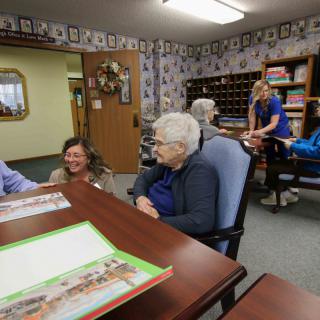
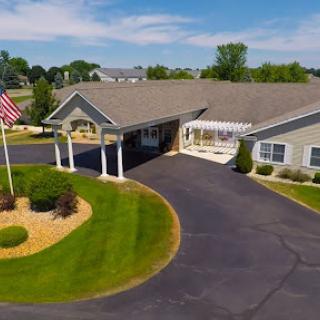
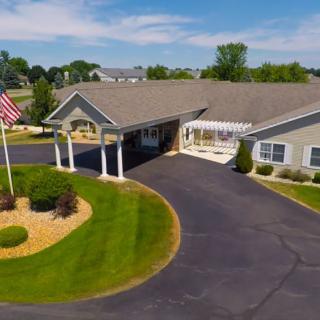
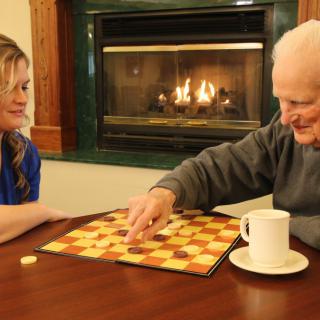
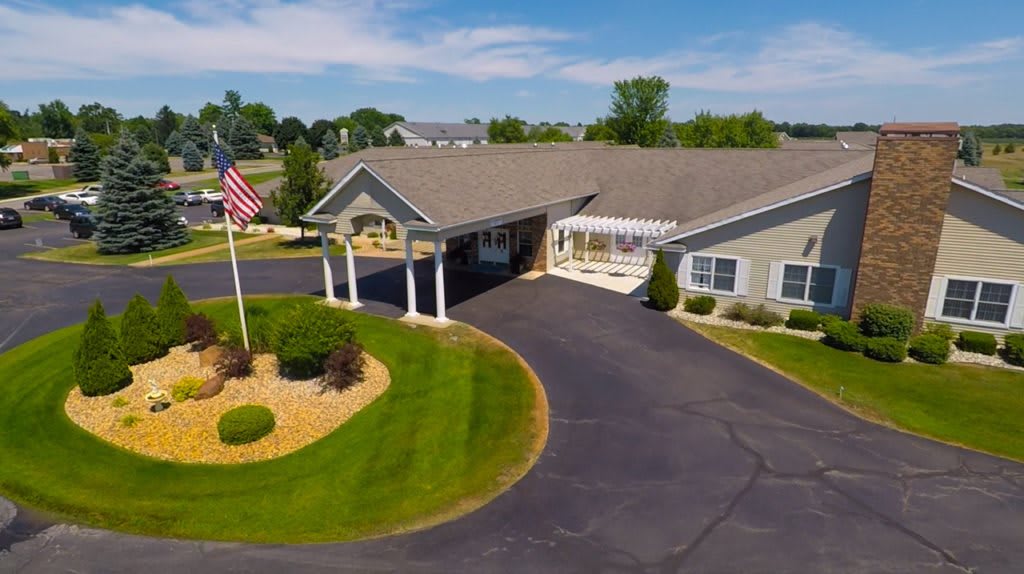
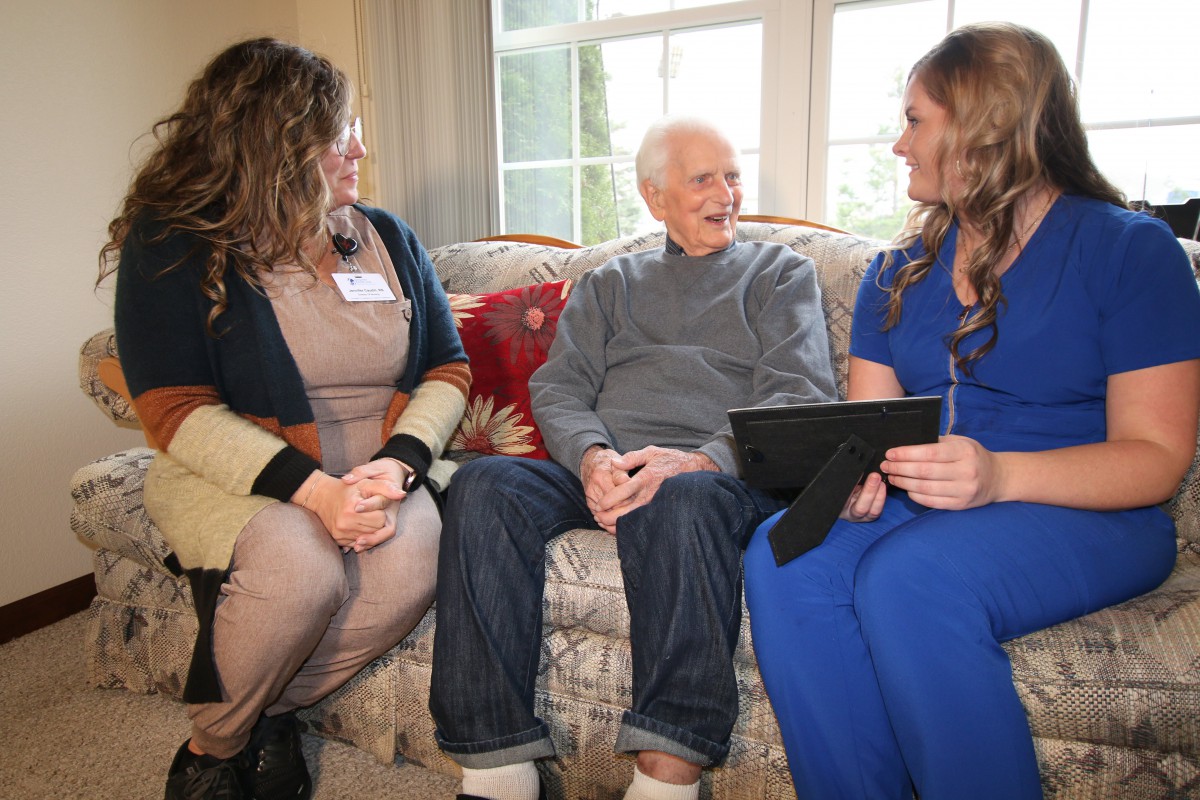
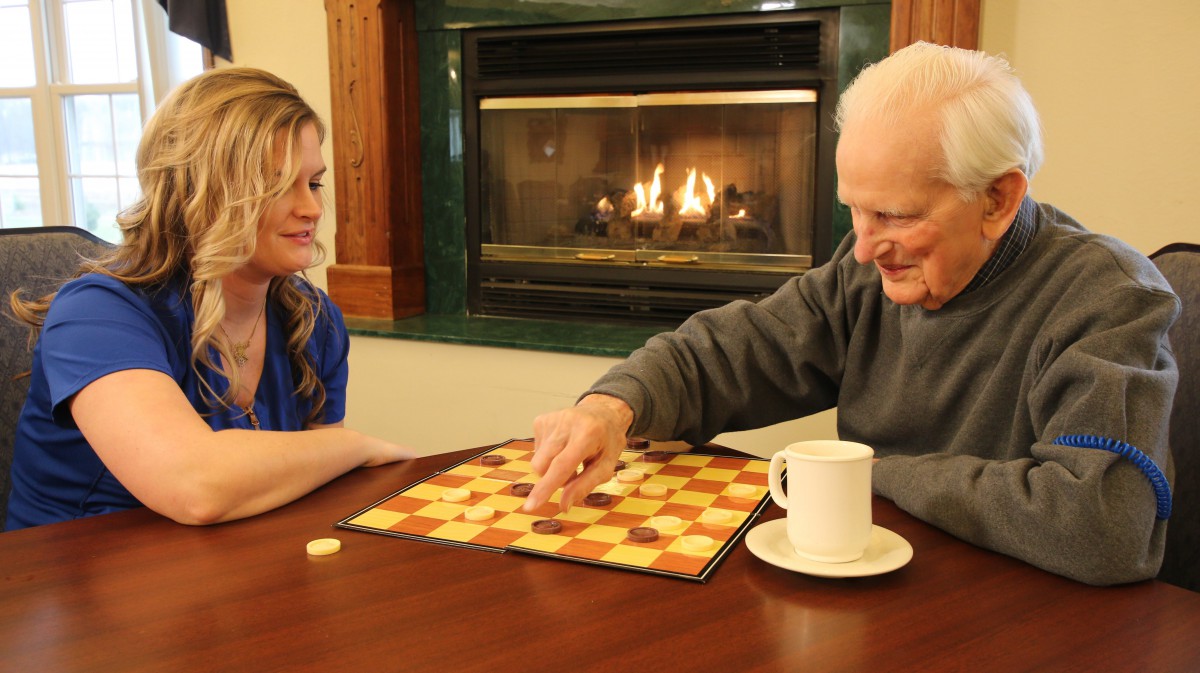
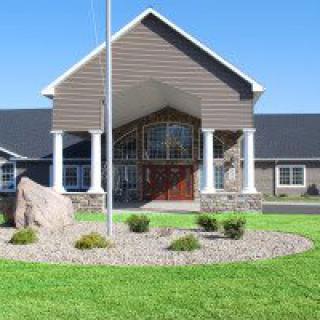
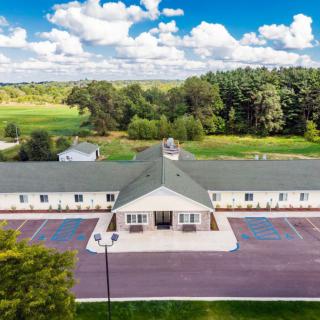
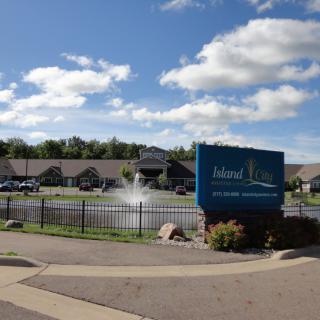
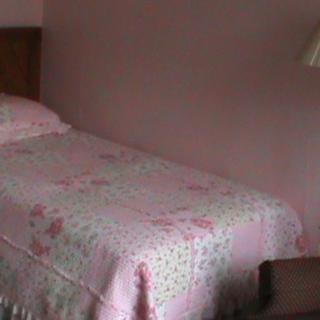
Spring Arbor Assisted Living Center on seniors.fyi includes 5 photos including images showing landscaping, building, flag, interior, fireplace, exterior, outdoor, and more.
Nearby Communities
Lloyd Ganton Retirement Centers, Inc.
Spring Arbor, MI
3.9 from 7 reviews
Quiet Spring Arbor location with nearby parks, pharmacies, doctors, dining, worship, and a hospital.
Arbor Manor Care Center
Spring Arbor, MI
4 from 46 reviews
$2,250 to $2,400 / month
Caring staff and engaging activities in a pleasant, well-equipped environment.
Arbor Oaks Living Center
Spring Arbor, MI
4.6 from 5 reviews
$1,300 / month
Clean, friendly staff, engaging activities, and affordable independent living units.
Arbor Meadows
Spring Arbor, MI
5 from 2 reviews
$900 / month
Very affordable $900/month 1-bedroom compared to county/state averages.
C And J Snyder Care Home
Spring Arbor, MI
4.1 from 39 reviews
Small, intimate setting with personalized care and comprehensive services (6-resident capacity).
Bunting Adult Foster Care Home
Jackson, MI
4 from 6 reviews
Small, intimate 6-bed setting with 24/7 supervision, personalized care, meals, and care coordination.
Summit Park Assisted Living Center
Jackson, MI
4.7 from 13 reviews
$3,645 to $4,245 / month
Caring staff, clean and well-organized environment, and a convenient location with a range of on-site activities.
Vista Grande Villa
Jackson, MI
3.9 from 100 reviews
$1,690 to $2,143 / month
Clean, well-maintained community with engaging activities and flexible month-to-month leases.
Jackson Friendly Home
Jackson, MI
4.6 from 56 reviews
$1,400 / month
Caring, family-like staff with engaging activities and supportive environment.
The transition from assisted living to skilled nursing care is often prompted by complex medical needs that assisted living cannot meet, with key indicators including frequent health declines, increased falls, severe memory issues, and caregiver burnout. Families should recognize these signs early to discuss options with healthcare providers and prepare for the emotional and logistical aspects of moving to a facility that offers comprehensive medical support.
Dementia is characterized by cognitive decline, with nutrition playing a vital role in brain health; while no specific diet can prevent or reverse it, a nutrient-dense diet rich in antioxidants and healthy fats may support cognitive function. The MIND diet, which emphasizes beneficial foods and limits processed items, along with proper hydration and individualized meal strategies, can enhance the well-being of dementia patients.
Dementia affects memory and cognitive function in older adults, presenting challenges for caregivers due to behavioral changes such as confusion and mood swings. Compassionate, person-centered care that considers individual history and preferences, along with effective communication and environmental modifications, is essential for supporting both patients and their caregivers.
Get PricingAsk A QuestionSchedule A TourContact Senior Advisor
By clicking submit, you agree to our Partner's Terms of Use. You
also consent to receive calls and texts, which may be autodialed, from our Partner. Your consent is not a condition to
using our Partner's service. Please visit our Partner's Privacy Policy for information about their privacy practices.


 88 resident community capacity
 1-bedroom apartments
 Assisted Living
 Memory Care
 Respite Care
 Activities on-site
 Air-conditioning
 Beauty salon
 Cable or satellite TV
 Computer center
 Devotional services off-site
 Dining room
 Fitness room
 Fully furnished
 Gaming room
 Garden
 Guest parking
 Housekeeping services
 Indoor common areas
 Kitchenette
 Laundry
 Move-in coordination
 Outdoor space
 Party space
 Private bathrooms
 Restaurant-style dining
 Small library
 Telephone
 Wellness center
 Wi-Fi/high-speed internet available
 Community operated transportation
 12-16 hour nursing
 24-hour call system
 Ambulatory care
 Assistance with bathing
 Assistance with dressing
 Assistance with transfers
 Diabetes diet
 Diabetic care
 Medication management
 Mental wellness program
 Special dietary restrictions
 Arts and crafts
 Concierge services
 Educational speakers / life long learning
 Games
Games Live musical performances
 Planned day trips
 Quiet Spring Arbor location with nearby parks, pharmacies, doctors, dining, worship, and a hospital.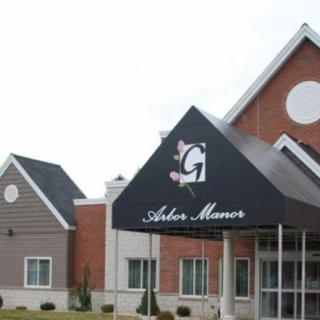

 8 Key Indicators That Suggest It May Be Time to Transition from Assisted Living to Skilled Nursing Care
 Nourishing the Mind: Essential Dietary Approaches for Dementia
 Understanding Dementia Behaviors: Practical Insights and Strategies for Caregivers