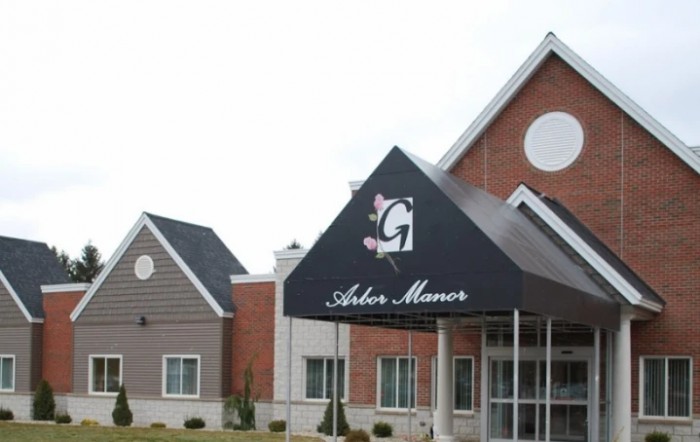
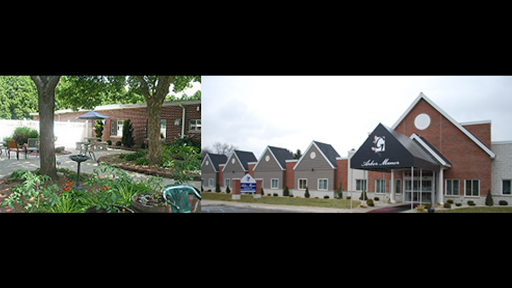
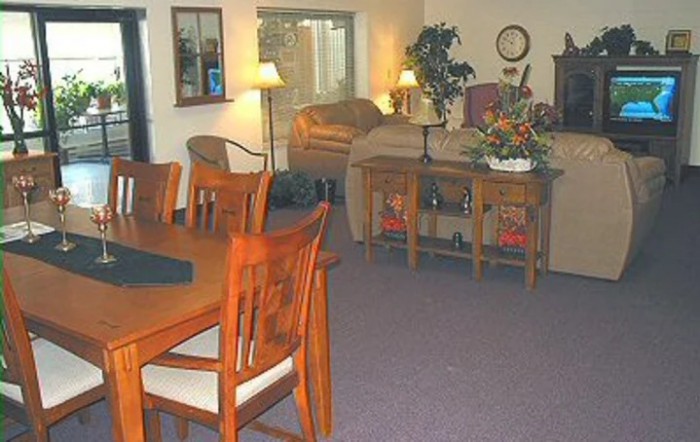
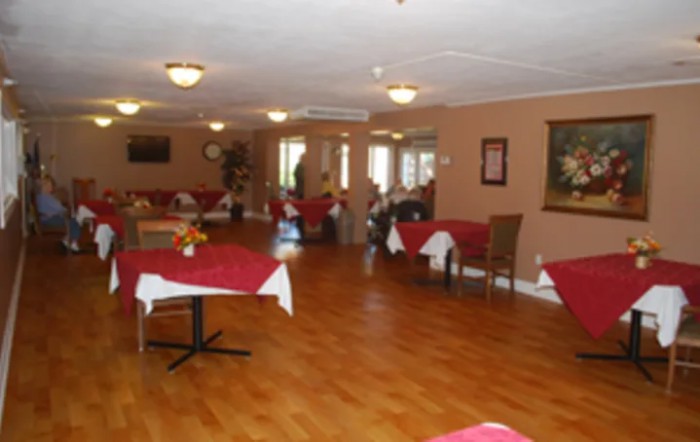
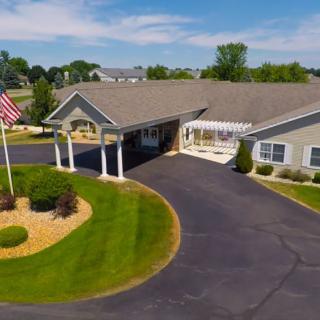
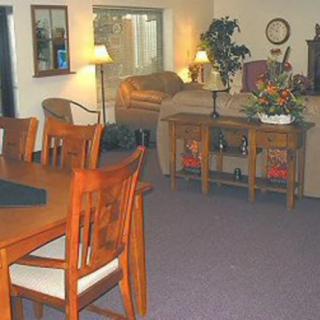
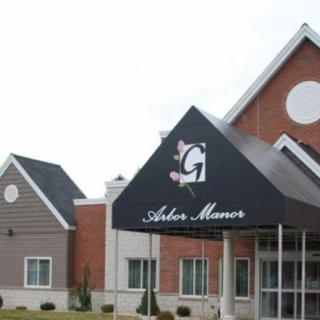
Arbor Manor Care Center in Spring Arbor, MI

Save
Arbor Manor Care Center Arbor Manor Care Center Arbor Manor Care Center Arbor Manor Care Center

Arbor Manor Care Center in Spring Arbor, MI

Information last verified:

151 2Nd Street, Spring Arbor, MI 49283

For more information about senior living options: (844) 490-3973

4 from 46 reviews
5 stars
31
4 stars
4
3 stars
1
2 stars
0
1 stars
10

Seniors.FYI Elite Community Awards

Top 5% Senior Living Community in 2023

Add this award to your website

Arbor Manor Care Center Costs & Pricing

Arbor Manor Care Center offers competitive pricing for long-term care, with monthly rates that are significantly lower than both the county and state averages. For a private room, residents can expect to pay $2,250, which is notably more affordable compared to Jackson County's average of $3,755 and Michigan's overall average of $3,675. Similarly, those opting for a semi-private room will find Arbor Manor's rate of $2,400 to be quite favorable against the county's average of $2,777 and the state's average of $3,191. This cost structure positions Arbor Manor Care Center as an attractive option for families seeking quality care without the overwhelming financial burden often associated with long-term residential facilities.

Floor plansArbor Manor Care CenterJackson CountyMichigan
Private$2,250$3,755$3,674
Semi-Private$2,400$2,777$3,189

Overall Review of Arbor Manor Care Center

Pros

  • pro The Arbor Manor staff are caring, respectful, and attentive.
  • pro The care team—nurses, CNAs, doctors, and therapists—provides exceptional, supportive care.
  • pro The facility is spotless, clean, and the meals are excellent.
  • pro The staff respond quickly to call lights and remain unfailingly cheerful.
  • pro The staff become like family and consistently go above and beyond the call of duty.
  • pro The rehab services help residents regain strength and mobility, with highly skilled therapists and attentive staff.
  • pro There are thoughtful touches and kind gestures, such as the ice cream cart and accommodating dietary services.

Cons

  • pro A meeting was canceled due to a Covid outbreak.
  • pro The receptionist was extremely rude and unwelcoming.
  • pro The facility was criticized for overworking its staff and not following proper safety procedures for patient handling equipment.
  • pro A reviewer described Arbor Manor as a disgrace to the healthcare community and warned not to trust it.
  • pro There were eight hours from admission to receiving prescribed medications and inconsistent monitoring of required blood tests.
  • pro A resident had a rat in their room for three months, with reporting that nothing was done.
  • pro The food was terrible and there was no regard for dietary restrictions, contributing to weight loss.
  • pro There was a persistent pest problem and a strong smell suggesting poor care.
  • pro All of grandpa’s clothes and money went missing.

Review

Arbor Manor Care Center in Spring Arbor is best suited for families seeking a solid post-acute rehabilitation environment where therapy intensity, cleanliness, and attentive caregivers can drive real progress. The community consistently emerges as a credible option for short-term rehab, with residents often walking away stronger and more capable than when they arrived. The strongest value lies in a team-based approach: nurses, CNAs, and therapists who coordinate closely, a warm daily atmosphere, and rooms that feel comfortable and homey. For families prioritizing dedicated rehabilitation, reliable meals, and a setting that treats recovery as a collaborative project, Arbor Manor offers a practical, constructive pathway back to independence.

That said, alternatives should be on the table for residents who demand relentless, round-the-clock oversight and ironclad consistency across every shift. Several reviews flag staffing gaps and variable responsiveness, implying that on some days the pace of care and the attention to routine oversight can lag. Prospective residents with high fall risk, complex medical needs, or a history of requiring timely physician input may encounter delays in doctor visits and treatment, which can undermine confidence during critical recovery windows. Front-desk interactions and administrative responsiveness also color the experience for some families, suggesting a need for due diligence in evaluating the facility’s communication discipline and weekend coverage. In short, if consistent, proactive oversight is non-negotiable, it pays to compare alternatives with stronger, more uniform staffing assurances.

The strongest argument in Arbor Manor’s favor rests on the proven quality of its frontline care teams and the tangible rehab outcomes. Across multiple accounts, nursing staff, CNAs, and therapists are praised for kindness, competence, and a willingness to go the extra mile. Families frequently describe staff as memorable, attentive, and prompt in attention to call lights and daily needs, and they report that therapy programs are well-organized and effective at restoring strength and mobility. Cleanliness and comfort consistently surface as standout attributes, with residents appreciating well-kept rooms, pleasant views, and high-quality, accommodating meals. The environment often feels peaceful, supportive, and family-oriented, reinforcing the sense that recovery is both possible and actively pursued by a cohesive care circle. When a resident’s goal is meaningful functional gains, Arbor Manor’s ecosystem often delivers.

Nevertheless, several caveats temper the optimism. A subset of reviews highlights staffing strain, uneven shift coverage, and slower-than-desired responses that can complicate the recovery process. Instances of delayed doctor visits, limited accessibility to certain services, and friction with frontline administration appear in critiques, underscoring the reality that day-to-day experience can vary. Reports of safety concerns, limited oversight on certain shifts, and even issues around personal belongings or privacy add texture to the overall picture. This is not a uniform indictment, but it is a reminder that the resident experience hinges on the consistency of staffing and the facility’s internal communication discipline. For families weighing Arbor Manor, retrieving a current, shift-by-shift staffing plan and ensuring stability of the caregiving team should be non-negotiable steps in due diligence.

When the positives align with a resident’s needs, the benefits at Arbor Manor can clearly outweigh the drawbacks. For those pursuing targeted rehab with skilled therapists, the demonstrated improvements in gait, balance, and independence are compelling reasons to engage this community. The combination of a clean, pleasant setting, strong dietary support, and compassionate, capable staff can translate into faster, more confident recoveries and a smoother transition home. That benefit is magnified when families actively participate in care planning, request a stable care team, and insist on transparent PT/OT scheduling. The best safeguard against the downsides is proactive oversight, meeting the therapy director, clarifying discharge timelines, and establishing a cadence of family conferences to keep everyone aligned on goals and progress.

Decision-makers should approach Arbor Manor with a structured plan. Schedule a comprehensive tour and bring targeted questions about staffing levels by shift, PT/OT scheduling, doctor visit frequency, and how care plans are communicated across the team. Review any recent regulatory notes and request a candid discussion about turnover, safety culture, and dispute resolution. Demand a trial period or weekly family conference to gauge ongoing responsiveness and continuity of care. The community is a strong fit for residents who prize effective rehabilitation, warmth from caregivers, and a clean, comfortable environment, provided there is a clear, proactive plan to address potential staffing gaps. If constant, flawless supervision and unimpeachable front-desk service are essential, or if prior experiences suggest a repetitive pattern of administrative friction, it makes sense to explore comparable facilities with more predictable operations. In the right circumstance, Arbor Manor stands as a credible, even compelling, choice for recovery-focused care, especially when paired with vigilant family engagement and a clearly defined care trajectory.

Features

Housing

  • 122 resident community capacity 122 resident community capacity

Types of Care

  • Skilled Nursing Facility Skilled Nursing FacilitySkilled Nursing Facilities are crucial for seniors as they provide round-the-clock medical care, rehabilitation services, and assistance with daily activities. These facilities ensure that seniors receive the specialized care they need to maintain their health and well-being as they age.

Amenities

  • Air-conditioning Air-conditioningAir conditioning is important for seniors as they are more vulnerable to heat-related illnesses and may have underlying health conditions that make it difficult for them to regulate their body temperature. It helps to keep them comfortable, safe, and healthy in hot weather.
  • Beauty salon Beauty salonBeauty salons are important for seniors because they provide a space for them to feel pampered, socialize, and maintain their personal grooming and hygiene. Regular visits to a beauty salon can help boost seniors' self-esteem and overall well-being.
  • Cable or satellite TV Cable or satellite TVCable or satellite TV is important for seniors because it provides entertainment, news, and companionship, helping to combat loneliness and boredom. It also offers a wide range of programming options tailored to different interests and preferences.
  • Computer center Computer centerA computer center is essential for seniors as it provides access to technology, communication tools, and resources that can enhance their daily lives. It allows them to stay connected with loved ones, engage in online activities, and learn new skills, ultimately promoting socialization and mental stimulation.
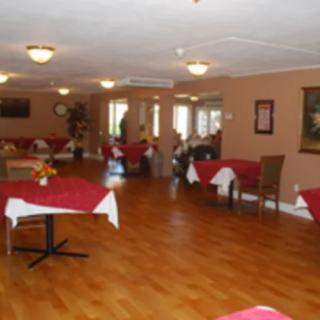
  • Dining room Dining roomDining rooms are important for seniors as they provide a space for socialization, connection, and nutritious meals. They offer opportunities for residents to bond over shared meals, foster a sense of community, and promote healthy eating habits. Dining rooms also ensure that seniors have access to well-balanced meals tailored to their dietary needs and preferences.
  • Fitness room Fitness roomHaving a fitness room in a senior living community is essential for seniors to stay active, maintain their physical health, and improve their overall well-being. Regular exercise can help prevent falls, reduce the risk of chronic diseases, and promote mental sharpness. It also provides social opportunities for residents to connect with others and enjoy a sense of community.
  • Fully furnished Fully furnishedFully furnished senior living communities are important for seniors because they provide convenience, comfort, and a hassle-free moving experience. Seniors can easily settle into their new living space without the stress of having to buy and move furniture. This allows them to focus on enjoying their new home and community.
  • Gaming room Gaming roomGaming rooms are important for seniors as they provide a fun and engaging environment for socializing, cognitive stimulation, and physical activity. Games can improve memory, problem-solving skills, and overall mental well-being while fostering friendships and reducing feelings of isolation.
  • Garden GardenGardens are important for seniors as they provide a peaceful and therapeutic environment for relaxation, physical activity, and socialization. Being in nature has been shown to reduce stress, improve mood, and promote overall well-being. Gardens also offer opportunities for seniors to engage in gardening activities, which can improve mobility, flexibility, and cognitive function. Additionally, gardens create a sense of community and connection with others who share a passion for plants and outdoor spaces.
  • Housekeeping services Housekeeping servicesHousekeeping services are important for seniors because they help maintain a clean and safe living environment, promote independence, and reduce the risk of accidents or illnesses. Additionally, having assistance with household chores can alleviate physical strain and allow seniors to focus on other aspects of their well-being.
  • Kitchenette KitchenetteKitchenettes are important for seniors living in senior living communities because they provide the convenience and independence of being able to prepare simple meals and snacks in the comfort of their own living space. This can help promote a sense of autonomy and well-being for seniors, allowing them to maintain some level of control over their dietary choices and daily routines.
  • Move-in coordination Move-in coordinationMove-in coordination is important for seniors because it helps ease the transition into their new living environment. It ensures that all logistics, such as packing, organizing movers, and setting up utilities are taken care of, allowing seniors to focus on settling in and adjusting to their new home. Having a smooth move-in process can alleviate stress and anxiety, making the transition smoother and more enjoyable for seniors.
  • Outdoor space Outdoor spaceOutdoor spaces are important for seniors as they provide opportunities for physical activity, social interaction, exposure to natural light and fresh air, and a sense of connection to nature. Having access to outdoor spaces can improve overall well-being and quality of life for older adults living in senior communities.
  • Private bathrooms Private bathroomsPrivate bathrooms are important for seniors in senior living communities because they provide independence, dignity, and comfort. Having a private bathroom allows seniors to maintain their personal hygiene routines without the need for assistance, promoting a sense of autonomy and privacy. Additionally, private bathrooms help prevent the spread of infections and provide a safe and clean environment for seniors to navigate safely.
  • Restaurant-style dining Restaurant-style diningRestaurant-style dining is important for seniors because it allows them to enjoy delicious, nutritious meals in a social and upscale setting. This enhances their dining experience, promotes healthy eating habits, and fosters socialization with fellow residents, ultimately contributing to their overall well-being and quality of life.
  • Small library Small librarySmall libraries are important for seniors as they provide access to a variety of reading materials, including books, newspapers, and magazines. This can help stimulate their minds, keep them engaged, and provide a sense of community through book clubs and other social activities. Additionally, reading has been shown to improve cognitive function and overall mental well-being in older adults.
  • Telephone TelephoneTelephones are important for seniors as they provide a lifeline for communication with loved ones, emergency services, and healthcare providers. They offer a sense of security and independence, enabling seniors to stay connected and access assistance when needed.
  • Wellness center Wellness centerWellness centers are important for seniors because they offer a variety of programs and services that promote physical, mental, and emotional well-being. These centers provide opportunities for exercise, socialization, education, and relaxation, helping seniors maintain their overall health and quality of life.
  • Wi-Fi/high-speed internet available Wi-Fi/high-speed internet availableWi-Fi/high-speed internet is important for seniors to stay connected with loved ones, access online resources, and participate in virtual activities to combat feelings of loneliness and isolation. It also allows them to easily manage healthcare needs, access entertainment, and engage in lifelong learning opportunities.

Transportation

  • Community operated transportation Community operated transportationCommunity operated transportation is crucial for seniors as it provides them with the means to access essential services, social activities, and medical appointments. It allows seniors to maintain their independence and quality of life by ensuring they can participate in activities outside of their homes. Additionally, community-operated transportation services offer a safe and reliable way for seniors to travel without having to rely on family or friends for assistance.
  • Transportation arrangement Transportation arrangementTransportation arrangements are crucial for seniors as they may face challenges with driving, mobility, or access to public transportation. Having reliable transportation services ensures that seniors can easily attend appointments, social activities, and maintain their independence and quality of life.
  • Transportation arrangement (non-medical) Transportation arrangement (non-medical)Transportation arrangements are essential for seniors as they provide access to essential services, activities, and social interactions outside the home. This service helps maintain independence, mobility, and overall well-being for seniors who may have limited transportation options.
  • Transportation to doctors appointments Transportation to doctors appointmentsTransportation to doctors appointments is crucial for seniors as it ensures they have access to necessary medical care and support, promoting their health and well-being. It allows them to receive timely treatment, monitor existing conditions, and address any new health concerns efficiently. Additionally, transportation services can help seniors maintain their independence and quality of life by enabling them to stay connected with their healthcare providers.

Care Services

  • 12-16 hour nursing 12-16 hour nursing12-16 hour nursing care is crucial for seniors in order to ensure around-the-clock monitoring, timely medication administration, and prompt response to any health concerns or emergencies. This level of care helps to promote the overall well-being and safety of seniors living in senior living communities.
  • 24-hour call system 24-hour call system24-hour call systems are important for seniors because they provide peace of mind and immediate assistance in case of emergencies. This technology ensures that help is always available, promoting safety and security for elderly individuals living alone or in assisted living facilities.
  • 24-hour supervision 24-hour supervision24-hour supervision is important for seniors to ensure their safety, well-being, and access to immediate assistance in case of emergencies or health issues. This constant support provides peace of mind for both seniors and their loved ones, allowing them to age in place with dignity and security.
  • Activities of daily living assistance Activities of daily living assistanceActivities of daily living assistance are important for seniors because they provide essential support with tasks such as eating, bathing, dressing, and mobility. This assistance helps seniors maintain their independence, dignity, and overall quality of life as they age.
  • Assistance with bathing Assistance with bathingAssistance with bathing is crucial for seniors as it helps maintain personal hygiene, prevents infections, and ensures their overall well-being and comfort. It also provides a sense of dignity and independence for seniors who may struggle with this task on their own.
  • Assistance with dressing Assistance with dressingAssistance with dressing is important for seniors because it helps maintain their independence, promotes personal hygiene, prevents accidents and injuries, and improves overall quality of life. This service ensures that seniors can continue to dress comfortably and confidently, despite any physical limitations they may have.
  • Assistance with transfers Assistance with transfersAssistance with transfers is crucial for seniors as it helps prevent falls and injuries, maintains their independence, and ensures they can safely navigate their living environment. It also provides peace of mind for both seniors and their loved ones.
  • Diabetes diet Diabetes dietA diabetes diet is crucial for seniors as it helps manage blood sugar levels, reduce risks of complications, and improve overall health and well-being. By following a balanced and nutritious diet tailored to their specific needs, seniors can better control their diabetes and enhance their quality of life.
  • Meal preparation and service Meal preparation and serviceMeal preparation and service are crucial for seniors as they may have limited mobility or energy to cook nutritious meals. Having access to healthy and convenient food options can ensure they are getting the proper nutrition needed to maintain their overall health and well-being.
  • Medication management Medication managementMedication management is crucial for seniors to ensure they are taking the right medications at the correct dosages and times. This helps prevent adverse drug interactions, reduces the risk of medication errors, and promotes overall health and well-being. Proactive management also allows for adjustments as needed based on changing health conditions or new prescriptions.
  • Mental wellness program Mental wellness programMental wellness programs are essential for seniors as they promote cognitive stimulation, emotional support, and social engagement. These programs help prevent isolation, depression, and cognitive decline, ultimately enhancing the overall quality of life for older adults.
  • Special dietary restrictions Special dietary restrictionsSpecial dietary restrictions are important for seniors because age-related changes in metabolism and health conditions can make it difficult for their bodies to process certain foods. By following a diet tailored to their specific needs, seniors can maintain their overall health and well-being, manage chronic conditions, and reduce the risk of complications such as malnutrition or food interactions with medications.

Dining

  • Diabetes diet Diabetes dietA diabetes diet is crucial for seniors as it helps manage blood sugar levels, reduce risks of complications, and improve overall health and well-being. By following a balanced and nutritious diet tailored to their specific needs, seniors can better control their diabetes and enhance their quality of life.
  • Special dietary restrictions Special dietary restrictionsSpecial dietary restrictions are important for seniors because age-related changes in metabolism and health conditions can make it difficult for their bodies to process certain foods. By following a diet tailored to their specific needs, seniors can maintain their overall health and well-being, manage chronic conditions, and reduce the risk of complications such as malnutrition or food interactions with medications.

Activities

  • Community-sponsored activities Community-sponsored activitiesCommunity-sponsored activities are important for seniors as they provide opportunities for social interaction, mental stimulation, and physical activity. These activities can help improve overall well-being, combat loneliness and isolation, and promote a sense of belonging and purpose among older adults.
  • Concierge services Concierge servicesConcierge services are essential for seniors as they provide assistance with daily tasks and errands, enhance their quality of life by offering convenience and personalized care, and promote a sense of safety and security.
  • Fitness programs Fitness programsFitness programs are crucial for seniors as they help improve strength, flexibility, balance, and overall well-being. Staying active can reduce the risk of chronic diseases, improve mental health, and enhance quality of life in older adults.
  • Planned day trips Planned day tripsPlanned day trips are important for seniors because they offer opportunities for socialization, mental stimulation, and physical activity. They provide a change of scenery and help seniors stay engaged and connected to their community, promoting overall well-being and quality of life.
  • Resident-run activities Resident-run activitiesResident-run activities are important for seniors as they encourage social interaction, creativity, and a sense of autonomy. These activities empower seniors to stay engaged and active in their community while fostering meaningful connections with their peers.
  • Scheduled daily activities Scheduled daily activitiesScheduled daily activities are important for seniors because they provide structure, socialization, mental stimulation, and physical activity. Engaging in regular activities can improve overall well-being and quality of life for seniors living in a community setting.

Description

Arbor Manor Care Center in Spring Arbor, MI is an assisted living community that offers a wide range of amenities and care services to meet the needs of its residents.

The community provides a comfortable and convenient living environment with amenities such as a beauty salon, cable or satellite TV, a computer center, gaming room, small library, and Wi-Fi/high-speed internet. Residents can enjoy delicious meals in the dining room with restaurant-style dining or prepare their own meals in their fully furnished kitchenette. Outdoor spaces including a garden provide opportunities for relaxation and enjoying nature.

Arbor Manor Care Center also offers various care services to support the daily needs of its residents. These services include assistance with activities of daily living such as bathing, dressing, and transfers. The community has a 24-hour call system and supervision to ensure safety and assistance is always available when needed. Medication management and specialized dietary options are provided to meet specific health needs such as diabetes diets or special dietary restrictions.

Residents can stay active and engage in social activities through planned daily activities organized by the community or resident-run activities. Fitness programs and wellness center offer opportunities for physical exercise and mental wellness programs promote overall wellbeing. Planned day trips provide exciting opportunities for outings and exploration.

Located conveniently near parks, pharmacies, physicians, restaurants, and places of worship, Arbor Manor Care Center offers easy access to essential services and amenities within the local area.

Overall, Arbor Manor Care Center provides a comfortable living environment with various amenities and care services to support the needs of its residents while promoting an active and fulfilling lifestyle.

Nearby Places of Interest

Places of Worship

  • Spring Arbor Free Methodist Church (0.1 miles)
  • Calvary Apostolic Church (2.2 miles)
  • Parma Baptist Church (4 miles)
  • Cascades Baptist Church (6.7 miles)
  • 1208 Greenwood Free Methodist Church (7.2 miles)

Restaurants

  • McDonald's (0.2 miles)
  • Wooden Spoon (2 miles)
  • Parma Ice Cream (4.2 miles)
  • Fergs' Parma Pub (4.3 miles)
  • Burger King (5.4 miles)
  • China House (5.7 miles)
  • Knight's Steakhouse & Grill (5.8 miles)

Pharmacies

  • Weatherwax Drug Stores (0.5 miles)
  • Weatherwax Pharmacy (0.5 miles)
  • Good Neighbor Pharmacy (4.8 miles)
  • Polly's Country Market (5.8 miles)
  • Rite Aid (5.9 miles)
  • Chemetall (6 miles)
  • Rite Aid (6.4 miles)

Physicians

  • Henry Ford Allegiance Family Medicine - Spring Arbor (0.8 miles)
  • Allegience Primary Care (0.8 miles)
  • Cardon Stephanie Cardon Sorrow Jackson (5 miles)
  • Walter Korytowsky MD (5.2 miles)
  • Henry Ford Allegiance Plastic Surgery (5.2 miles)
  • Cascades Urology PC (5.3 miles)
  • Dr Jones (5.4 miles)

Parks

  • Lime Lake (1.7 miles)
  • Mill Pond In Hanover (4.3 miles)
  • Cascades Falls (6.3 miles)
  • The Park (6.4 miles)
  • Ella Sharp Park Rotunda (7 miles)

Hospitals

  • Allegiance Family Health- Dr Ferguson (5.1 miles)
  • Allegiance Health (6.1 miles)
  • Allegiance Health (6.7 miles)
  • W. A. Foote Memorial Hospital (7.1 miles)

Cafes

  • M-60 Grill (5.8 miles)
  • Biggby Coffee (5.9 miles)
  • Biggby Coffee (7 miles)

Transportation

  • Bus Stop (6.5 miles)

Frequently Asked Questions

How much does it cost to live at Arbor Manor Care Center in Spring Arbor, MI?
Where is Arbor Manor Care Center?
What photos are available for Arbor Manor Care Center in Spring Arbor, Michigan?

Nearby Communities

  • Arbor Oaks Living Center

    Arbor Oaks Living Center

    Spring Arbor, MI

    4.6 from 5 reviews
    $1,300 / month

    pro Clean, friendly staff, engaging activities, and affordable independent living units.


  • Arbor Meadows

    Arbor Meadows

    Spring Arbor, MI

    5 from 2 reviews
    $900 / month

    pro Very affordable $900/month 1-bedroom compared to county/state averages.

  • C And J Snyder Care Home

    C And J Snyder Care Home

    Spring Arbor, MI

    4.1 from 39 reviews
     

    pro Small, intimate setting with personalized care and comprehensive services (6-resident capacity).

  • Spring Arbor Assisted Living Center

    Spring Arbor Assisted Living Center

    Spring Arbor, MI

    4.2 from 21 reviews
    $3,645 to $4,245 / month

  • Lloyd Ganton Retirement Centers,  Inc.

    Lloyd Ganton Retirement Centers, Inc.

    Spring Arbor, MI

    3.4 from 5 reviews
     

    pro Quiet Spring Arbor location with nearby parks, pharmacies, doctors, dining, worship, and a hospital.

  • Bunting Adult Foster Care Home

    Bunting Adult Foster Care Home

    Jackson, MI

    4 from 6 reviews
     

    pro Small, intimate 6-bed setting with 24/7 supervision, personalized care, meals, and care coordination.

  • Summit Park Assisted Living Center

    Summit Park Assisted Living Center

    Jackson, MI

    4.7 from 13 reviews
    $3,645 to $4,245 / month

    pro Caring staff, clean and well-organized environment, and a convenient location with a range of on-site activities.

  • Vista Grande Villa

    Vista Grande Villa

    Jackson, MI

    3.9 from 97 reviews
    $1,690 to $2,143 / month

    pro Clean, well-maintained community with engaging activities and flexible month-to-month leases.

  • Jackson Friendly Home

    Jackson Friendly Home

    Jackson, MI

    4.6 from 56 reviews
    $1,400 / month

    pro Caring, family-like staff with engaging activities and supportive environment.

Related Resources

  • caregiver benefitsSupportive Employee Benefits That Help Caregivers Attain Better Work-Life Harmony

    The article emphasizes the critical role of supportive employee benefits for caregivers, advocating for flexible scheduling, paid leave, and mental health services to ease their challenges while enhancing employee well-being and organizational loyalty. It also highlights the importance of strong leadership in promoting these initiatives to foster a sustainable workplace culture that values caregivers.

  • best car for seniorsTop Cars for Senior Drivers and Essential Safety Innovations

    Senior drivers prioritize comfort, safety, and ease of use in vehicles due to age-related challenges, seeking features like easy entry, clear visibility, and modern driver-assistance technologies. Recommended models include the Subaru Forester, Honda CR-V, and Toyota Camry, with emphasis on test-driving for personal comfort and evaluating crash-test ratings alongside insurance considerations.

  • private pay home careA Closer Look at Private Pay Home Care
    Private pay home care offers a flexible caregiving option for older adults and families who don't qualify for government programs, allowing them to directly fund in-home care services that range from daily assistance to specialized support. This model's customization potential enables aging in place while addressing financial considerations through strategic planning options, though clients must navigate marketplace challenges and ensure quality compliance.