


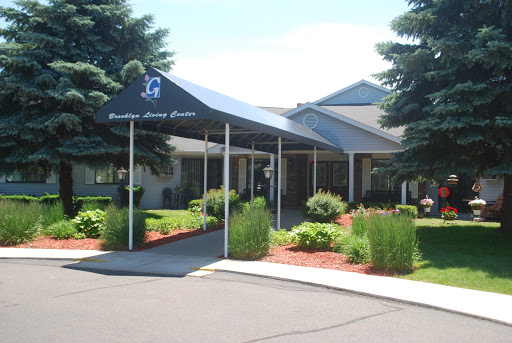





151 Constitution Avenue, Brooklyn, MI 49230
For more information about senior living options: (866) 208-4318
Brooklyn Living Center Costs & Pricing
At Brooklyn Living Center, residents can enjoy competitive pricing for various living arrangements when compared to the broader market in Washtenaw County and across Michigan. The monthly costs for a studio unit are set at an attractive $1,000, significantly lower than the county average of $4,158 and the state average of $3,824. For those seeking more space, a one-bedroom apartment is available for $1,300, again offering substantial savings compared to Washtenaw County's average of $3,868 and Michigan's statewide figure of $3,384. Additionally, two-bedroom units at Brooklyn Living Center are priced at $1,500 per month - well below the county's rate of $4,984 and the state's average of $3,523. This pricing structure not only highlights the value that Brooklyn Living Center offers but also positions it as an appealing choice for individuals looking for affordable living options without compromising quality.
| Floor plans | Brooklyn Living Center | Washtenaw County | Michigan |
|---|---|---|---|
| Studio | $1,000 | $4,158 | $3,824 |
| 1 Bedroom | $1,300 | $3,868 | $3,384 |
| 2 Bedrooms | $1,500 | $4,984 | $3,523 |
Overall Review of Brooklyn Living Center
Pros
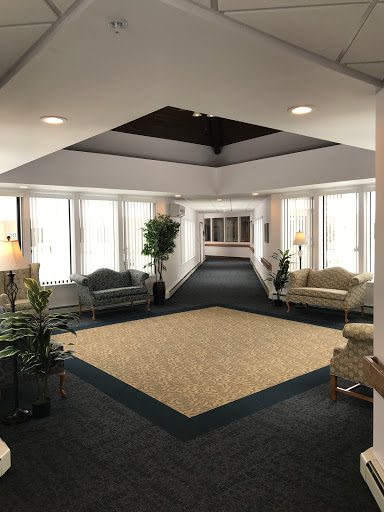
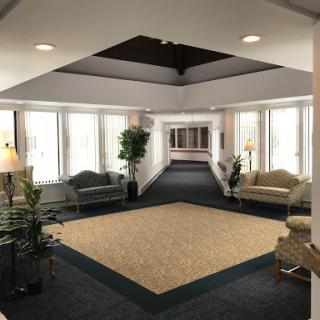
 The Brooklyn Living Center is a bright, cheerful place where residents clearly enjoy themselves.
- Amy and her staff provide superior and caring service to residents and their families.
- The facility feels like a beautiful home with wonderful, caring staff who know each resident's individual needs.
- The staff are friendly, helpful, and dedicated, with Amy often going above and beyond to assist families.
- Families feel safe and supported, with staff alerting them to concerns and offering guidance.
- The center offers a wide range of daily activities and a spacious, inviting dining area.
- Practical support is available, including reminders for medications and laundry help.
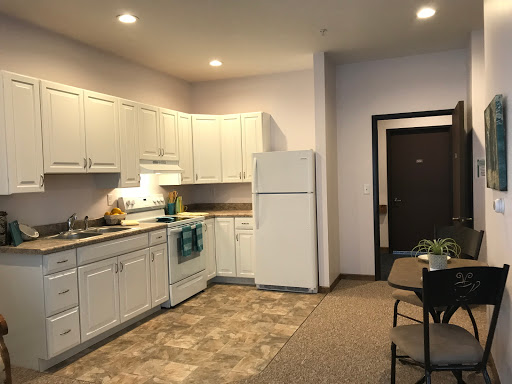
- The apartments are spacious and well-maintained, and the surrounding grounds feel welcoming.
- The center is well-run, clean, and residents and families feel confident in the care they receive.
Cons
 The staff couldn't help them with Mom.
- There was no availability at Brooklyn Living Center at that time.
- Even after placing a deposit, there were no openings right now.
- The facility's lack of openings prevented moving forward.
Review
Brooklyn Living Center is best suited for families seeking a small, home-like assisted living experience where staff know residents by name, respond quickly, and tailor support as health needs shift. The community shines when independence and social engagement are central to the plan, with residents enjoying a bright, intimate setting, an active calendar, and a dining area that feels open and welcoming. A defining strength is the leadership and hands-on involvement of Amy, the manager, whose steady communication and willingness to go the extra mile consistently earns trust from families. This is not a generic, one-size-fits-all facility; it is a deliberate choice for those who want meaningful caregiver relationships, easy access to updates, and a supportive environment that treats every resident as an individual. For families prioritizing clarity, reliability, and a warm, neighborly atmosphere, Brooklyn Living Center is a compelling fit.
That said, this community may not be the best match for everyone. Those who need large-campus amenities, resort-style environments, or highly specialized memory-care programming should look elsewhere. Availability matters here, sometimes to the point of delaying moves; several families note deposits placed with the hope of securing a spot, which underscores the importance of timing and flexibility. If immediate placement or a broader range of clinical services is non-negotiable, alternatives with bigger footprints or more formal medical staffing may be more appropriate. In short, Brooklyn Living Center is a strong match for a certain niche, one that values intimate care, rapid responsiveness, and a tightly knit resident community, while recognizing that other settings can better meet higher-acuity needs or volume-driven services.
The core advantages, personalized attention, proactive family communication, and staff continuity, readily offset the potential drawbacks of a smaller operation. Families repeatedly praise Amy and her team for knowing each resident’s preferences, managing challenging behaviors with patience, and keeping lines of communication open. Residents benefit from a culture that treats aging as a gradual, manageable journey, with the option to add services as independence wanes. The facility’s compact size fosters real relationships, and the staff’s familiarity with individual routines translates into smoother daily life, fewer miscommunications, and faster problem-solving when concerns arise. The result is a sense of security for families who need to trust the people delivering day-to-day care and who want to stay closely connected to their loved one’s experience.
The positive environment is reinforced by concrete, everyday strengths. The rooms and common areas are described as beautiful and well-kept, with a dining area that supports social dining and accessibility. The activities slate, from walking clubs and movies to Wii bowling and shopping trips, keeps residents engaged, while the proximity of staff means help is never far away. Families consistently note the quality of supervision and the staff’s ability to manage behavior and medical reminders, including reminders for medications and assistance with laundry. Outdoor spaces, such as a back yard with regular deer sightings, contribute to a sense of place that feels both comforting and stimulating. Even new apartments receive praise for their space and suitability for couples or siblings seeking to remain together in a smaller community.
On the other hand, the practical limits of a smaller campus deserve consideration. While the breadth of activities is impressive for a modest setting, the overall scale may not satisfy those seeking a broader array of on-site services or a robust on-call medical team. Prospective families should verify current capacity and the facility’s ability to adapt to evolving needs, especially if a plan includes transitions from independent living to assisted care or if memory support becomes a factor. The strong suit, staff who know residents well and respond with empathy, offers a counterbalance to these limits, but the decision often hinges on whether the family values intimate, highly attentive care over the expansive resources associated with larger facilities.
Ultimately, Brooklyn Living Center is a practical, decision-oriented choice for households prioritizing a warm, personalized, and well-coordinated care environment. It works best when residents are starting from independence or light support and anticipate incremental increases in care over time, with a care team that communicates clearly and acts with a can-do spirit. It is less ideal for those who require immediate, intensive medical oversight, specialized dementia programming, or a large, resort-style setting. Families should approach a visit with clear questions about current availability, the range of services that can be added as needs shift, and the specific modes of communication that will keep them in the loop. If these align, Brooklyn Living Center emerges as a steady, intimate, and trust-inspiring home for a loved one who thrives on connection, routine, and thoughtful, person-centered care.
 87 resident community capacity
 Assisted Living
 Independent Living
 Skilled Nursing Facility
 Activities on-site
 Air-conditioning
 Beauty salon
 Cable or satellite TV
 Computer center
 Devotional services off-site
 Dining room
 Fitness room
 Fully furnished
 Gaming room
 Garden
 Housekeeping services
 Indoor common areas
 Kitchenette
 Move-in coordination
 Outdoor space
 Private bathrooms
 Restaurant-style dining
 Small library
 Telephone
 Wellness center
 Wi-Fi/high-speed internet available
 Community operated transportation
 12-16 hour nursing
 24-hour call system
 Ambulatory care
 Assistance with bathing
 Assistance with dressing
 Assistance with transfers
 Diabetes diet
 Diabetic care
 Medication management
 Mental wellness program
 Special dietary restrictions
 Concierge services
 Planned day trips





 Choosing the Right Senior Care: A Detailed Exploration of Assisted Living and Nursing Homes
 Understanding the True Cost of Assisted Living in 2025: A Comprehensive Guide
 Understanding Medicaid Coverage for Assisted Living: A Comprehensive Guide