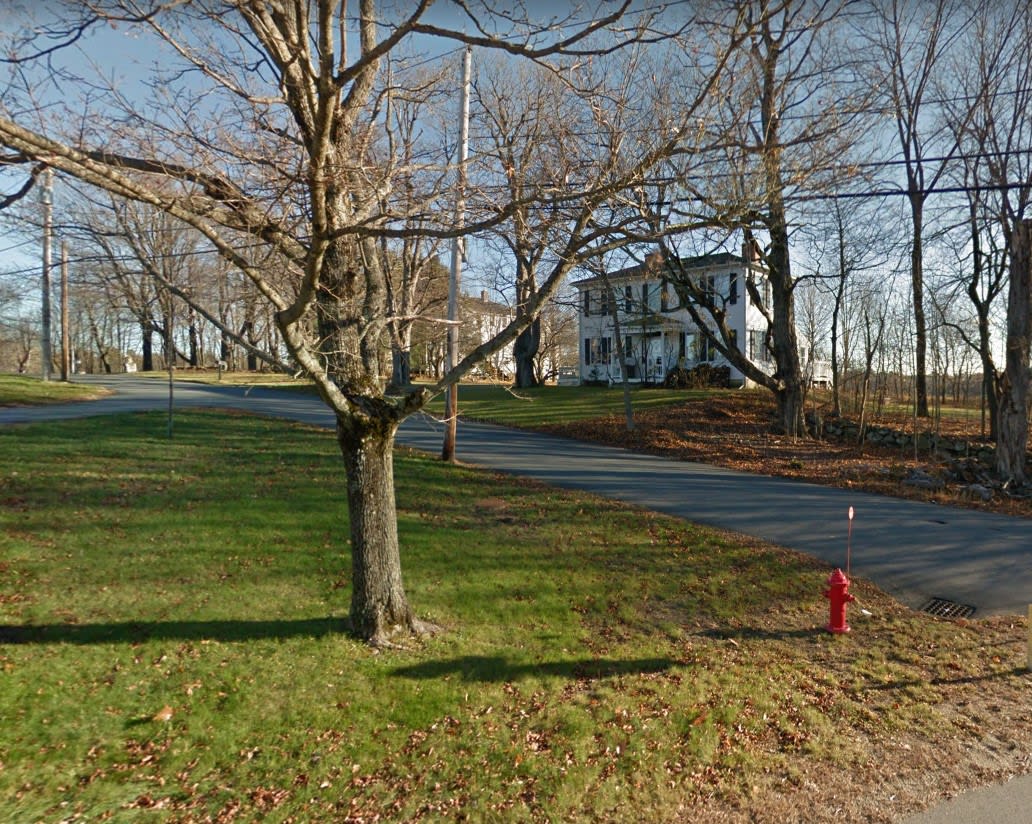
50 Old Center, Winchendon, MA 01475
To contact a resident: (978) 297-2851
For more information about senior living options: (866) 208-4318
Camelot Farms Costs & Pricing
At Camelot Farms, the monthly cost for a studio apartment is set at $3,600, which presents a compelling value compared to the broader market. In Worcester County, similar accommodations average around $5,109 per month, while the state of Massachusetts sees even higher figures at approximately $5,312. This difference highlights Camelot Farms as an attractive option for potential residents seeking quality living arrangements without the financial burden typically associated with the region. The pricing reflects not only competitiveness within local and state markets but also an effort to provide a comfortable and accessible environment for those looking to call Camelot Farms home.
| Floor plans | Camelot Farms | Worcester County | Massachusetts |
|---|---|---|---|
| Studio | $3,600 | $5,109 | $5,312 |
Independent Living communities with a similar price nearby
-
from -$600 / mo
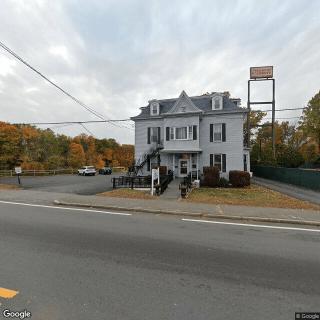
Village Rest Home
$3,000 to $4,500 / month18.1 miles away
Overall Review of Camelot Farms
Cons
 The way they treat Veterans is nothing short of disgusting.
- There are bed bugs and no electricity in living spaces, with veterans sleeping on the floors.
- The owner sleeps comfortably in his mansion or vacation home in Morocco while veterans suffer.
- This place is a dump and should be shut down.
- The owner should be thrown in prison for the way Veterans are treated here.
Review
Camelot Farms in Winchendon, MA is best suited for families facing extreme option scarcity and prioritizing cost over reliability, safety, and dignity of care. In practice, this community should only be seriously considered when no other licensed option with transparent governance and proven safety records is available. For the vast majority, especially families with veterans, seniors needing dependable utilities, or anyone who expects basic respect and clean, safe living spaces, this facility is not a workable choice. Alternatives deserve priority for those who can shop against a backdrop of verifiable inspections, consistent maintenance, and responsive administration.
The most troubling red flags pull the strongest weight here: basic welfare and safety appear compromised. One reviewer describes bed bugs and interrupted electricity in living spaces, with veterans allegedly sleeping on floors, while the owner is reportedly living in a mansion or overseas. Those elements amount to more than inconvenience; they signal a failure to provide the essentials of safe, sanitary, and humane housing. A facility that cannot ensure reliable electricity, pest control, or appropriate accommodations for veterans contradicts the core expectations of any assisted-living setting. Even if two other reviewers issued five-star ratings, the lack of corroboration and the severity of the single-star account create a risk profile that demands caution, not confidence.
From a decision-making perspective, the few positive ratings available do not meaningfully balance the stated concerns. Positive anecdotes without detail are insufficient when serious welfare and safety issues are alleged. The absence of transparent documentation, such as inspections, maintenance logs, pest-control records, or third-party certifications, means these favorable ratings offer little actionable reassurance. In practical terms, the gap between reported conditions and acceptable standards is too wide to overlook. Families should treat any perceived upside as unsubstantiated until verifiable, independent corroboration is provided.
Any assessment should weigh concrete, verifiable pros against the gravity of the cons. The handful of five-star notices could reflect lower cost, a particular staff member’s rapport, or personal tastes, but without concrete evidence, these elements do little to offset risks of ongoing maintenance failures, pest infestations, and disruptions to basic utilities. The absence of such evidence is itself a warning sign. For families, the calculus should favor safety, predictability, and dignity over affordability alone, especially when veterans and other vulnerable residents rely on a stable, respectful environment.
Who should consider alternatives? Families with seniors who require dependable utilities, rigorous pest control, transparent governance, and consistently respectful treatment should look elsewhere. Veterans, in particular, deserve facilities that uphold basic standards of care, address their unique needs with sensitivity, and provide a clean, safe environment. Prospective residents who value accountability, unambiguous licensing, clear remediation plans, and open communication, will likely find Camelot Farms deficient in these essential areas. In short, if a community cannot guarantee reliable living conditions and ethical care, there is no sane reason to invest long-term.
In the end, a practical decision favors steering toward better-vetted options. If the history described is representative, the likelihood of rapid remediation remains uncertain, and the risk to daily welfare stays high. Tour alternatives that provide current, verifiable inspection results, documented maintenance practices, and firsthand accounts from current residents. Demand to see pest-control records, electricity reliability logs, and a transparent plan for any deficiencies. If anything about governance, accountability, or daily living raises hesitation, pursue communities with proven track records. The prudent conclusion is clear: safety, dignity, and reliable infrastructure must come first, and Camelot Farms, as described, falls short of those nonnegotiables.
 Independent Living
 Activities on-site
 Devotional services off-site
 Indoor common areas
 Ambulatory care
 Diabetic care
 Meals provided
 Caring staff in a clean, homey setting with engaging activities and good meals.





 Is a Geriatric Care Manager the Right Choice for Your Family?
 Compassionate Conversations: How to Comfort Someone Who Is Grieving
 Home Health Care Aides: Understanding Their Role and Supporting Your Family