50 Pine Street, Gardner, MA 01440
For more information about senior living options: (866) 208-4318
Overall Review of Heywood Wakefied Commons
Pros
 Heywood Wakefield Commons is described as a place where residents feel safe and well cared for by compassionate staff.
- The staff are attentive and patient, addressing residents’ individual needs.
- Residents make new friends and actively participate in a wide range of activities, including Bingo, exercise, and entertainment.
- Meals are delicious, prepared on-site, and of good overall quality.
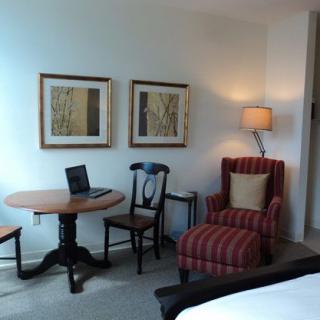
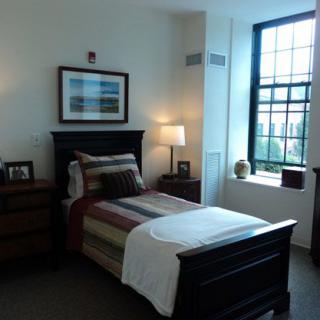
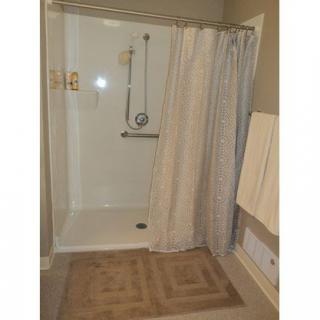
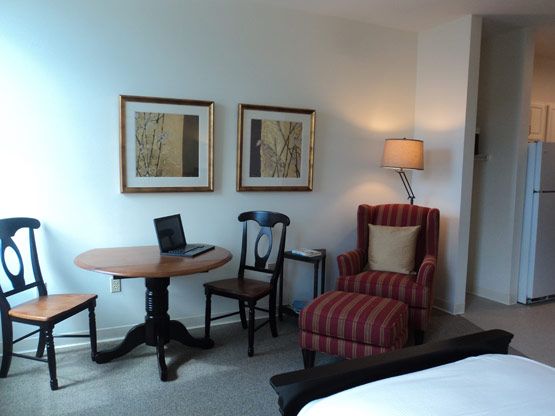
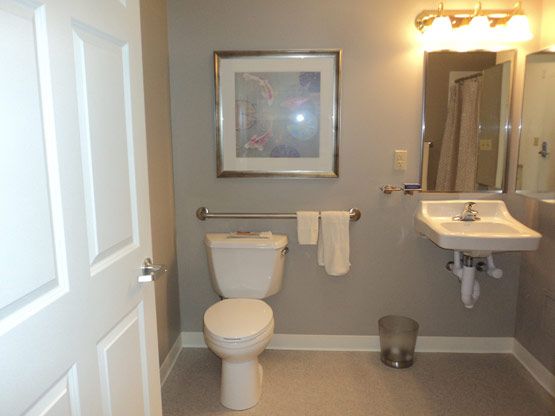
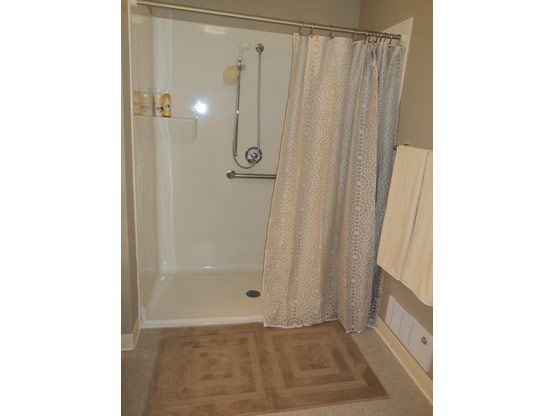
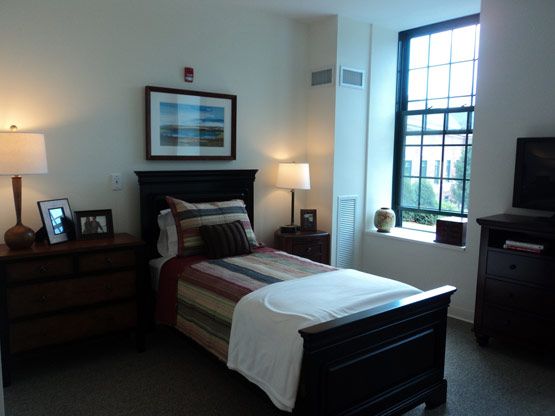
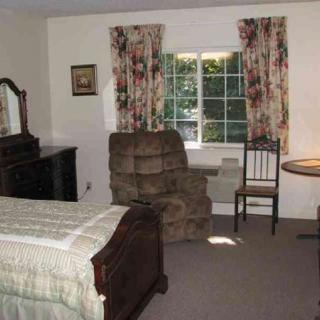
- The facility offers an elegant, homey atmosphere with clean, comfortable apartments.
- Leadership prioritizes residents’ safety and well-being, with open communication with families.
- Families repeatedly note that life there becomes carefree, happy, and joyful for residents.
- The community supports autonomy and independence while maintaining safety and monitoring.
Cons
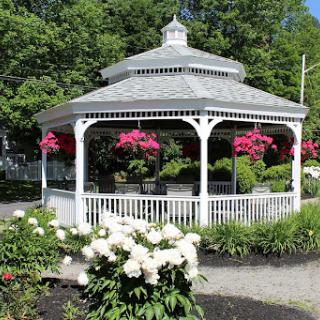
 They noted a lack of green space, with outdoor areas being very limited and surrounded by asphalt and streets.
- They criticized the dining options as limited (only two meal choices) and said dietary restrictions (vegetarianism, allergies) were not considered.
- They described the rooms as depressing and lacking sunshine, which affected mood.
- They observed some rooms and common areas were rundown and not inviting.
- They pointed out that the neighborhood around the facility is not in a good area.
- They stated the first year is very expensive, until additional programs make it more affordable.
- They mentioned that staff responses to dietary needs could be dismissive (suggesting “just don’t eat it” when asked about restrictions).
- They noted an extra charge to bring meals to the room, which felt unnecessary compared to staying at home.
Review
Heywood Wakefield Commons in Gardner, MA is best suited for seniors who want an active, socially rich living environment with dependable safety and attentive, personable care. It works especially well for families seeking a warm, homey setting where an autonomous apartment lifestyle is paired with robust on-site support and a lively calendar of activities. Residents who prize routine, meaningful interaction, and the reassurance that staff know them by name will find this community especially compelling. Those needing memory-care-focused supervision, nursing-level acuity, or extensive outdoor nature space should consider alternatives that better align with those requirements.
The strongest takeaway is the staff-to-resident relationship and the emphasis on safety. Families repeatedly note compassionate, attentive caregivers who treat residents like individuals, with care teams staying engaged and responsive. The layout reinforces this dynamic: routine nursing oversight, on-site OT and PT, and accessible services that support daily needs. A genuine sense of community emerges from the frequent social programming, exercise classes, bingo, games, entertainment, and outings, paired with informal gatherings in the Pub or lounge at 3:30 for social connection before dinner. This combination yields real reassurance for families that loved ones are not only cared for but genuinely engaged.
Dining and everyday amenities significantly bolster quality of life here. Meals coming from on-site chefs in a dining room with a restaurant-like atmosphere consistently receive praise for taste and consistency, with a sizable midday meal and lighter options in the evening. Residents appreciate the breadth of activities, Scrabble clubs, movies twice weekly, puzzles, music, and outings, as well as practical perks like a comfortable, well-maintained apartment environment and in-unit features such as large closets. The on-site hair salon and the absence of daily caregiving friction contribute to a lifestyle that feels both dignified and easy to manage, allowing seniors to pursue hobbies and social connections without logistical headaches.
Yet several meaningful drawbacks deserve careful consideration. Outdoor space is notably limited: a small courtyard and urban surroundings fail to deliver the leafy, expansive feel some families expect for daily fresh air and nature experiences. In dining terms, a few critiques highlight menu rigidity and insufficient accommodation for vegetarians or dietary restrictions, with some mentions of extra charges for special meal delivery. The lack of a memory-care program is another practical constraint for families navigating dementia-related needs, pushing them to weigh whether a transition within the same system is possible or if a different community altogether is required. Finally, first-year costs can be a concern, particularly when evaluating what is included versus what requires extra payment.
For families weighing options, the key is aligning the environment with the resident’s priorities. If outdoor space, diverse diet flexibility, and memory-care options rise to the top of the list, alternative communities with more expansive grounds and dedicated memory-support services may deliver a better fit. Conversely, if the objective centers on a vibrant social ecosystem, consistent supervision, and a genuine sense of “home,” Heywood Wakefield Commons is a strong match, with a proven track record of positive resident experiences and family confidence. Prospective residents should verify the latest meal options, tour the living spaces for finish quality, and confirm access to the services most important to daily life, therapy, nursing, transportation, before making a commitment.
In sum, Heywood Wakefield Commons offers a compelling package for active seniors who value social immersion, attentive staff, and an environment that respects independence within a safety-forward framework. The decision hinges on tradeoffs between green space, dietary flexibility, and the absence of a memory-care option. For families prioritizing community, routine, and ease of daily living with strong personal connections to staff, this Gardner facility stands out as a thoughtful, well-executed choice. If those criteria align with the senior’s needs and the budget, the path forward is straightforward: schedule a visit, probe current dining and care details, and confirm the housing plan aligns with anticipated care levels. If not, pivot to communities offering more outdoor space, broader dietary accommodations, or dedicated dementia care.
 78 resident community capacity
 2-bedroom apartments
 Assisted Living
 Memory Care
 Respite Care
 Activities on-site
 Air-conditioning
 Beautician on-site
 Cable or satellite TV
 Cafe
 Computer center
 Devotional services off-site
 Dining room
 Financial aid
 Fitness room
 Fully furnished
 Gaming room
 Garden
 General store
 Housekeeping services
 Indoor common areas
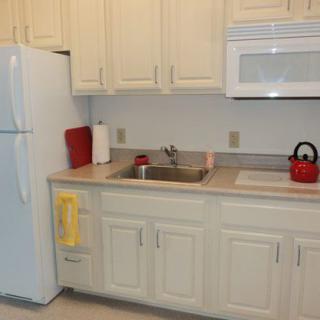
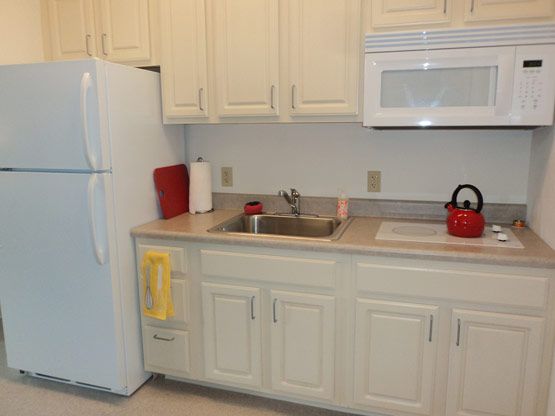
 Kitchenette
 Laundry
 Move-in coordination
 Outdoor space
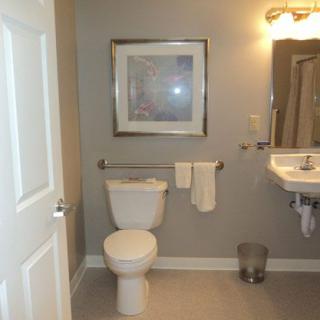
 Private bathrooms
 Restaurant-style dining
 Small library
 Telephone
 Wellness center
 Wi-Fi/high-speed internet available
 Worcester Regional (22 miles away)
 Community operated transportation
 12-16 hour nursing
 24-hour call system
 Ambulatory care
 Assistance with bathing
 Assistance with dressing
 Assistance with transfers
 Diabetes diet
 Diabetic care
 Medication management
 Mental wellness program
 Special dietary restrictions
 Arts and crafts
 Book club
 Concierge services
 Cooking club
 Educational speakers / life long learning
 Games
 Live musical performances
 Planned day trips
 Wii bowling
 English

 How and When Medicaid May Cover Assisted Living Costs
 A Detailed Exploration of Assisted Living Medicaid Waivers Across the United States
 Exploring the Contrasts Between Assisted Living and Skilled Nursing