
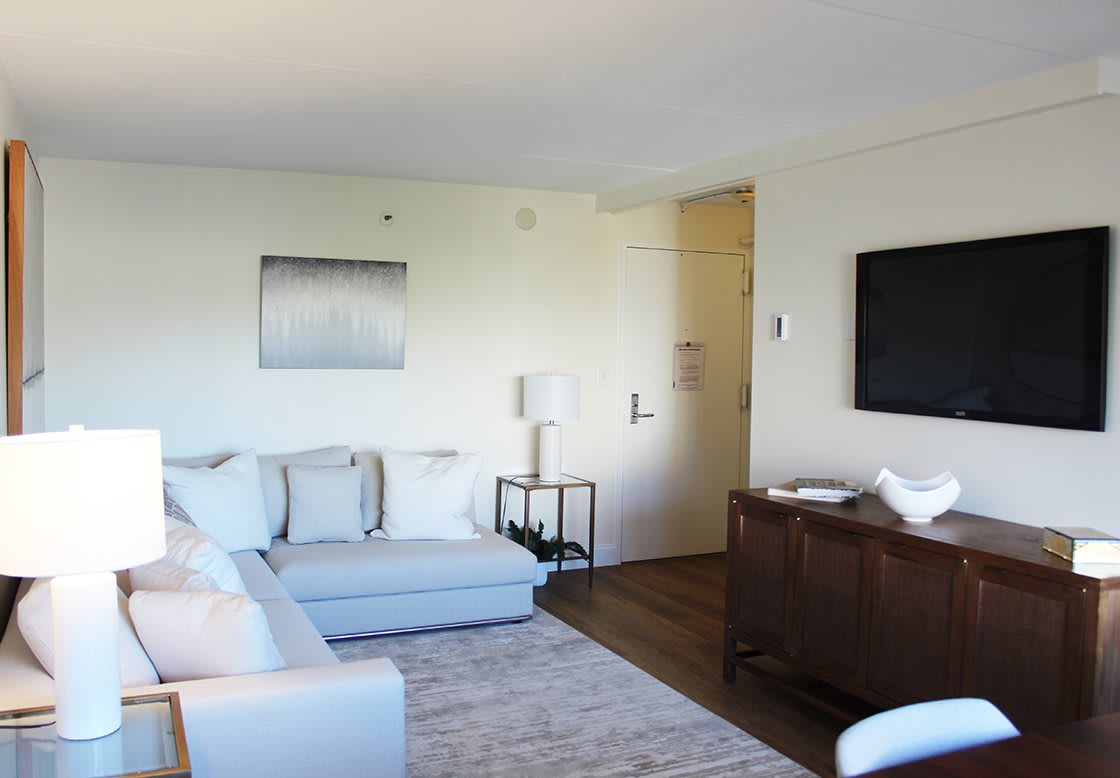
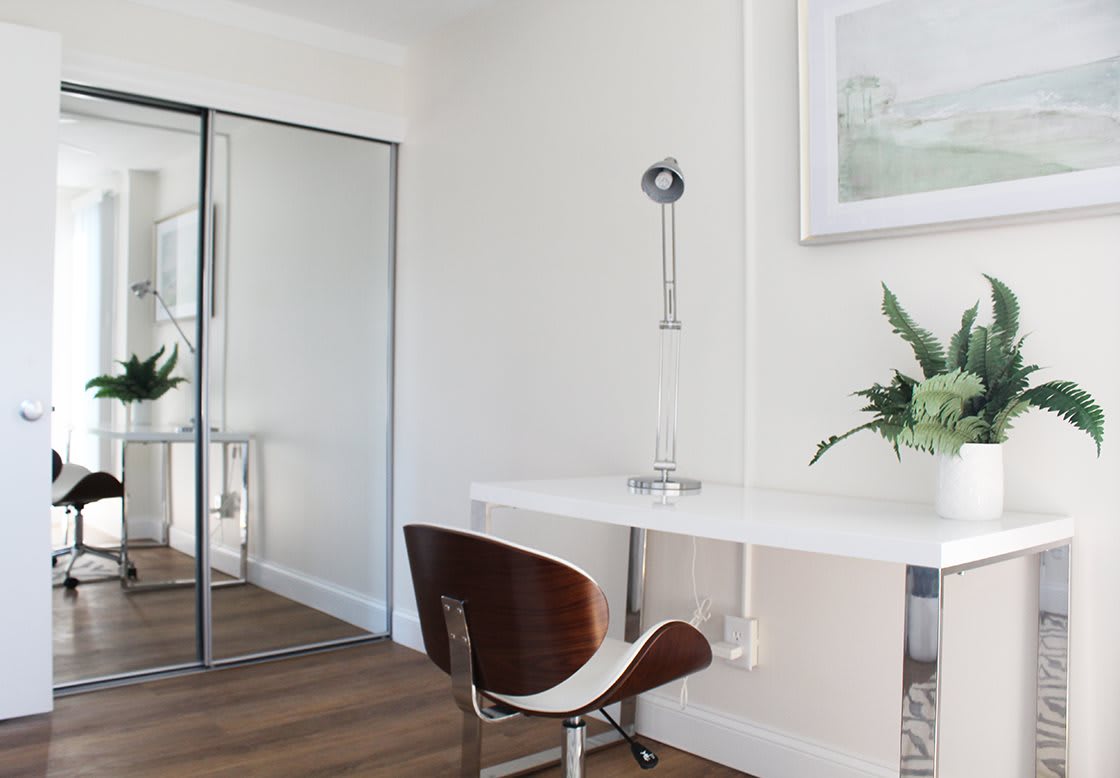
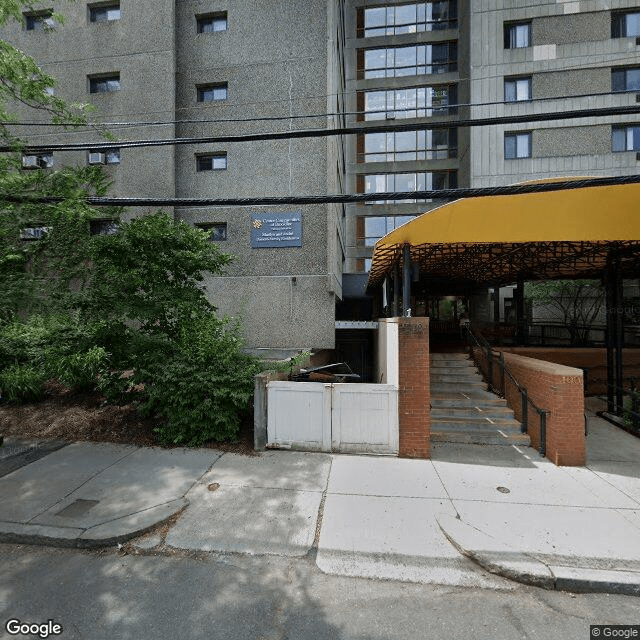
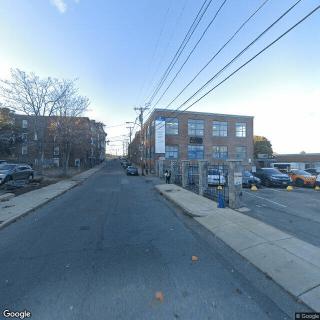
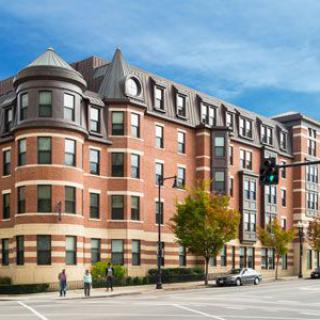
100 Centre St, Brookline, MA 02446
To contact a resident: (617) 363-8048
For more information about senior living options: (866) 208-4318
The Marilyn and Andre Danesh Family Residences Costs & Pricing
The Marilyn and Andre Danesh Family Residences offers a compelling range of housing options at prices that significantly undercut both Suffolk County and the broader Massachusetts state averages. For instance, the monthly cost for a studio apartment is $2,506, which is notably lower than the county rate of $5,278 and the state average of $5,312. Similarly, their one-bedroom units are available for $3,470, compared to $5,439 in Suffolk County and $5,349 across Massachusetts. The value continues with two-bedroom apartments at $4,983 - substantially less than the county's average of $7,110 and more competitive against the state figure of $6,151. This pricing structure highlights The Marilyn and Andre Danesh Family Residences as an attractive option for those seeking quality living arrangements without compromising on affordability.
| Floor plans | The Marilyn and Andre Danesh Family Residences | Suffolk County | Massachusetts |
|---|---|---|---|
| Studio | $2,506 | $5,278 | $5,312 |
| 1 Bedroom | $3,470 | $5,439 | $5,349 |
| 2 Bedrooms | $4,983 | $7,110 | $6,151 |
Independent Living communities with a similar price nearby
-
from -$81 / mo
New Horizons At Choate
$2,425 to $4,495 / month9.2 miles away -
from +$494 / mo

Vineyard Community Living - Nova Brighton
$3,000 to $5,000 / month0.8 miles away -
About the same
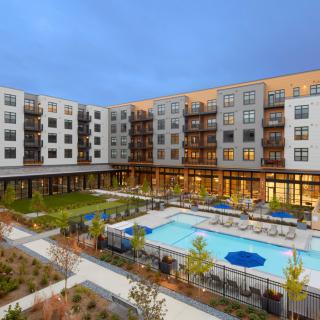
Avenu at Natick
$2,451 to $5,615 / month12.2 miles away -
from +$424 / mo
The Willows Retirement Community
$2,930 to $4,850 / month20.5 miles away -
from +$490 / mo
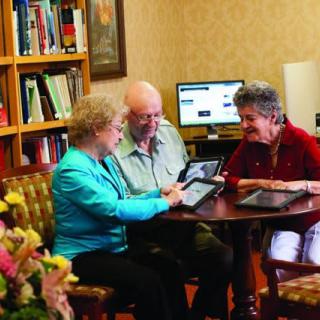
Willows at Westborough
$2,996 to $3,614 / month24.8 miles away
Overall Review of The Marilyn and Andre Danesh Family Residences
Pros
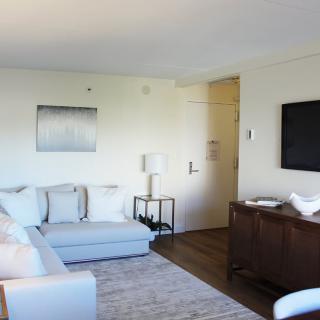
 100 Centre is a great place to live, with convenient walking distance to restaurants, bakeries, groceries, a movie theater, stores, and a senior center.
- The building hosts a vibrant community of residents.
- The living experience at 100 Ctr. St. feels like home.
Review
This community is best suited for active seniors in Brookline who want a highly connected, walkable living environment with a built-in social network. The reviews consistently point to proximity as a core asset: convenient access to restaurants, bakeries, groceries, a cinema, stores, and a senior center, all within easy reach. More than just location, the experience is described as vibrant and self-contained, with a resident community that thrives within the building itself. In practical terms, families targeting independence but desiring daily opportunities for casual interaction, spontaneous outings, and effortless errands will find the daily rhythm here to feel both efficient and engaging. The sense that it is “like home” is not a slogan here but an experiential reality conveyed by residents.
Those who should consider alternatives are primarily individuals seeking quieter living or more intensive care oversight. If a resident requires higher levels of medical support, memory care, or structured routines that demand a narrower, more controlled environment, this option may fall short. Likewise, households prioritizing maximum privacy or a smaller, more serene footprint might prefer a quieter setting with fewer built-in social obligations. Budget considerations, too, can nudge families toward other communities if costs, or the perceived trade-off between cost and personalized services, don’t align with expectations. In short, the strongest fit is for those who value sociability and convenience over a secluded or highly regulated care plan.
The primary strength of this community lies in the symbiotic mix of location and social momentum. The walkable surroundings reduce the friction of daily life, enabling residents to run errands, meet neighbors, and access cultural and civic amenities without friction. The presence of a robust resident community inside the building translates into readily available companionship, shared activities, and mutual familiarity. When a family weighs options, this social fabric is often the differentiator, transforming what could be a routine move into a lifestyle that feels actively lived-in and effortless, a critical offset to the potential feelings of loss that accompany relocation.
Equally important is the home-like atmosphere that the reviews consistently highlight. Residents describe living here as akin to being at home, not merely residing in a facility. That warmth matters: it lowers stress for both seniors and their families, supports smoother transitions, and encourages continued engagement with neighbors, staff, and local venues. For decision-makers, this sense of belonging can help sustain independence longer, as everyday routines, meals, social hours, local outings, become more predictable and enjoyable. While some communities trade intimacy for scale, this setting appears to strike a balance where convenience and connection reinforce a comfortable, familiar day-to-day life.
No explicit drawbacks stand out in the available feedback, which suggests that the positives are delivering on expectations. Still, prudent evaluators will consider potential trade-offs inherent to any highly social, amenity-rich environment. If privacy, quiet, or on-site medical services beyond basic support are priorities, those would be reasonable reasons to vet alternative options. The absence of stated downsides here does not erase the need for due diligence: visit in person, observe noise levels during peak times, tour dining spaces, and ask current residents about their daily routines, transportation options, and responsiveness of staff to everyday needs. The absence of red flags, coupled with strong positives, signals a compelling fit for the right resident.
In deciding, prioritize fit over form. For families prioritizing an active social life, walkable convenience, and a warm, home-like ambiance, this community stands out as a leading choice in Brookline. It is particularly well-suited for seniors who do not want to trade daily spontaneity for healthcare equity and who value a built-in peer network that makes independence more sustainable. Those seeking quieter seclusion or intensive, on-site medical care should explore alternatives with a sharper focus on privacy, smaller footprints, or higher levels of clinical support. A thoughtful visit, conversations with residents, a tour of common areas, and a frank discussion about daily routines and services, will confirm whether this environment aligns with the resident’s goals and family expectations.
 Independent Living
 Cats allowed
 Dogs allowed
 Activities off-site
 Air-conditioning
 Bath tubs
 Beautician on-site
 Full kitchen
 Handicap accessible
 Indoor common areas
 Private bathrooms
 Gen Edw L Logan International (6 miles away)
 Meals provided
 Day trips and outings
 Educational speakers / life long learning
 Intergenerational programs
 Live dance or theater performances
 Live musical performances
 Live well programs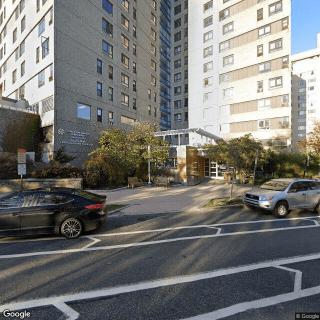
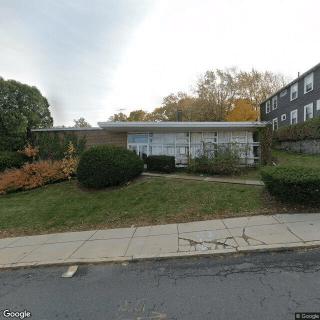




 Effective Strategies for Keeping Seniors' Minds Active: A Deep Dive into Brain Games and Apps
 In-Depth Look at the VA Aid and Attendance Program
 Nurturing Our Loved Ones: A Daughter's Journey in Caring for Her Mother