For more information about senior living options: (866) 208-4318
3.3 from 66 reviews
5 stars
33
4 stars
5
3 stars
2
2 stars
1
1 stars
25
Overall Review of Brighton House Rehabilitation & Nursing Center
common22 reviews mention this
Kind, attentive staff are a highlight
Residents and families frequently describe the staff as kind, patient, and attentive to needs.
Across many reviews, residents and families say staff members take time with patients and treat them with respect. Several people specifically mention nurses and aides being responsive to questions, explaining care, and following through when help is needed. A number of reviewers also describe communication as a strong point, with families feeling answered rather than dismissed. Residents also describe a comfortable day-to-day experience when staff are actively checking on them.
caveat16 reviews mention this
Staffing and call-light responsiveness draw complaints
Some reviews report missed call lights and inconsistent follow-through on basic care.
A recurring negative theme is staffing not matching patients’ needs, with several reviewers describing long delays to get assistance. Multiple accounts mention call bells going unanswered or issues with meals, toileting, or hygiene support not happening in a timely way. Some reviewers also describe concerns about medical follow-through, such as delayed medication or wound concerns. While a portion of families praise care, these critical reviews point to gaps that would matter most for daily support and safety.
differentiator14 reviews mention this
Rehab therapy and recovery help get praise
Rehabilitation therapy is repeatedly described as knowledgeable and helpful for recovery goals.
Several reviews highlight physical therapy and occupational therapy as areas where patients felt improvement or more confidence in daily tasks. Families describe therapists as attentive and knowledgeable, including helping patients after surgery or strengthening abilities during rehab. A few reviewers also mention coordinated efforts across therapy roles, describing multiple disciplines working toward getting them stronger and safer. While experiences vary, positive therapy comments appear often among the feedback.
common4 reviews mention this
Activities keep residents engaged
Families frequently mention activities as a positive part of life during rehab or recovery.
A number of reviewers say the community offers activities that help residents stay engaged. Some specifically mention enjoying organized activities and interaction with other residents, while others point to activity programming as something their loved one looks forward to. Even among mixed opinions, activities are one area that comes up positively for several families. The overall tone suggests activities can improve the day-to-day experience during a stay.
caveat7 reviews mention this
Dining is a mixed point
Dining is inconsistent in reviews, with both praise and complaints about meals.
Some reviews describe the food positively, including liking meals and saying it was good or delicious during their stay. Others express dissatisfaction, saying meals were poor, didn’t match dietary needs, or were inconsistent with diabetes-related restrictions. A few reviewers specifically connect food quality to whether they could rely on what was served. Overall, dining appears to be a clear area where experiences differ between residents and families.
common5 reviews mention this
On-site dining room and special diets
The community offers restaurant-style dining alongside diet options for special restrictions.
The listing includes restaurant-style dining and provides for diabetes diet and special dietary restrictions. Reviews align with that emphasis in both directions: some residents describe meals they enjoyed, while other reviewers question whether dietary needs were consistently followed. This combination suggests dining can be a meaningful part of the experience, but execution may vary by stay and specific needs. If a dietary requirement is important, the reviews indicate it’s worth discussing expectations early.
How we summarize
Counts show how many written reviews mention each theme; a review can touch several themes, and only frequently mentioned themes are displayed.
Features
Housing
78 resident community capacity
Types of Care
Skilled Nursing Facility
Amenities
Air-conditioning
Beauty salon
Cable or satellite TV
Computer center
Dining room
Fitness room
Fully furnished
Gaming room
Garden
Housekeeping services
Kitchenette
Move-in coordination
Outdoor space
Private bathrooms
Restaurant-style dining
Small library
Telephone
Wellness center
Wi-Fi/high-speed internet available
Transportation
Gen Edw L Logan International (7 miles away)
Community operated transportation
Transportation arrangement
Transportation arrangement (non-medical)
Transportation to doctors appointments
Care Services
12-16 hour nursing
24-hour call system
24-hour supervision
Activities of daily living assistance
Assistance with bathing
Assistance with dressing
Assistance with transfers
Diabetes diet
Meal preparation and service
Medication management
Mental wellness program
Special dietary restrictions
Dining
Diabetes diet
Special dietary restrictions
Activities
Community-sponsored activities
Concierge services
Fitness programs
Planned day trips
Resident-run activities
Scheduled daily activities
Nearby Places of Interest
Pharmacies
CVS Pharmacy (0.7 miles)
CVS Pharmacy (0.8 miles)
CVS Pharmacy (0.9 miles)
Walgreens (1.1 miles)
CVS Pharmacy (1.8 miles)
Walgreens (1.8 miles)
CVS Pharmacy (2.1 miles)
Transportation
MBTA Reservoir Station (0.7 miles)
MBTA Fenway Station (1.8 miles)
MBTA Kenmore Station (2.3 miles)
MBTA Ruggles Station (2.6 miles)
Porter Square MBTA Station (3.3 miles)
MBTA Union Square Station (3.3 miles)
MBTA Charles/MGH Station (3.8 miles)
Restaurants
Veggie Crust (1.1 miles)
Raising Cane's Chicken Fingers (1.2 miles)
McDonald's (1.3 miles)
Spring Shabu-Shabu (1.4 miles)
Kura Revolving Sushi Bar (1.6 miles)
Yard House (2 miles)
Tasty Burger (2.1 miles)
Cafes
Starbucks (1.3 miles)
Blue Bottle Coffee (2 miles)
Tatte Bakery & Cafe (2.1 miles)
Flour Bakery + Cafe (2.2 miles)
Tatte Bakery & Cafe (2.3 miles)
Jaho Coffee Roaster & Wine Bar (3.1 miles)
Forge Baking Company (3.2 miles)
Theaters
Cinema World Majestic 7 (1.6 miles)
Showcase SuperLux (2.1 miles)
Kendall Square Cinema (3.1 miles)
AMC Loews Boston Common 19 (4 miles)
Physicians
Bidmc Lowry Building (1.6 miles)
Mass. Eye and Ear (1.8 miles)
Harvard Medical School (1.9 miles)
Harvard Vanguard Medical Associates – Spinal Unit/Pain Management (2 miles)
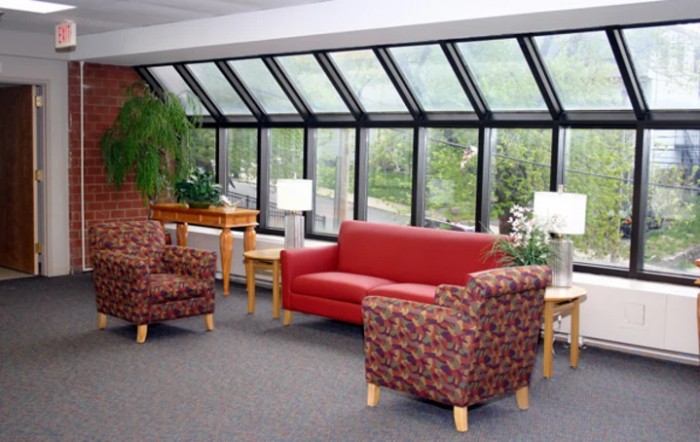
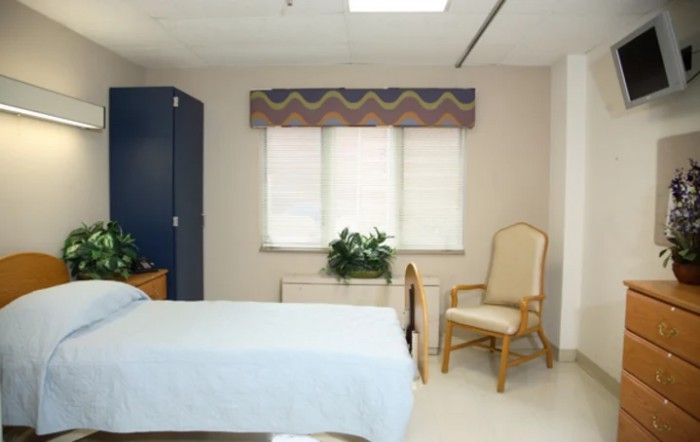
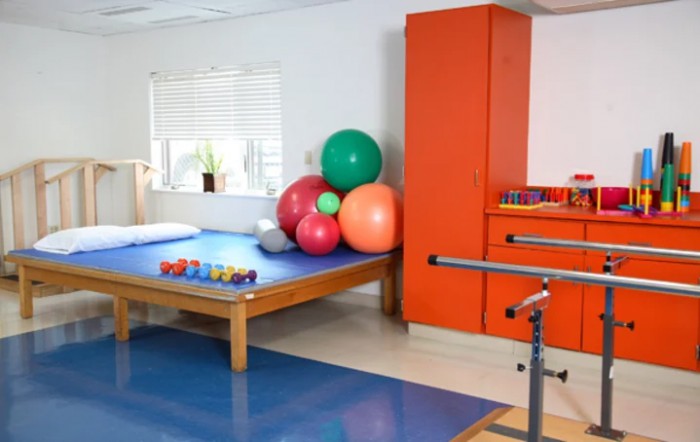
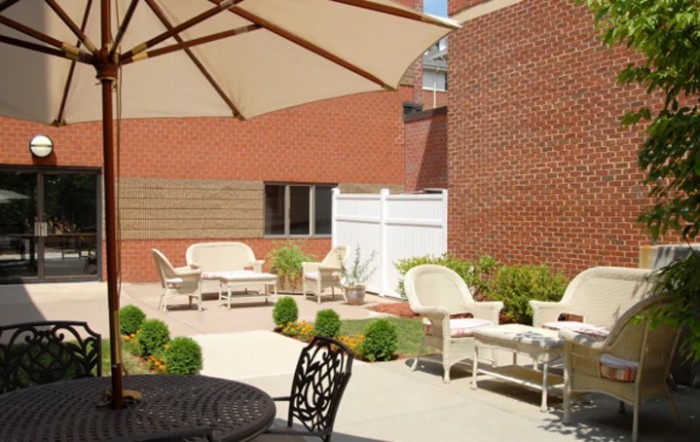
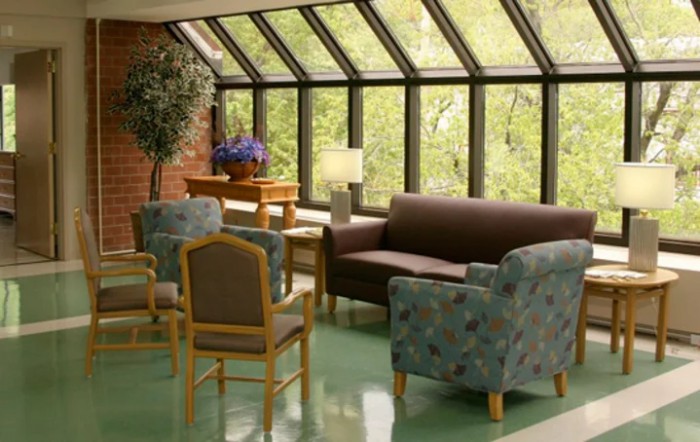
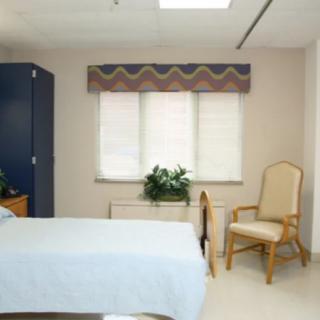
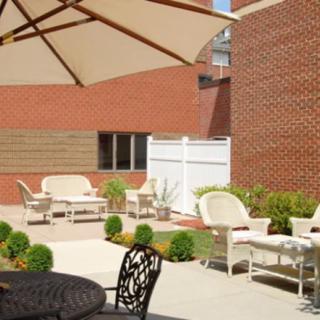
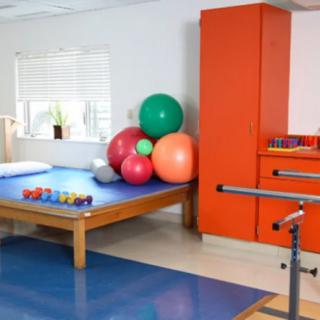
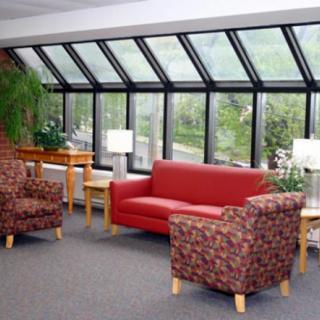
Brighton House Rehabilitation & Nursing Center on seniors.fyi includes 7 photos including images showing interior, windows, dining, decor, lounge, bedroom, plant, physical therapy, and more.
Nearby Communities
Providence House
Brighton, MA
3.7 from 43 reviews
$4,248 to $6,595 / month
Clean, home-like atmosphere with friendly staff and convenient location.
Corey Hill Nursing Home Inc
Brighton, MA
4.7 from 3 reviews
Excellent access to healthcare, pharmacies, parks, restaurants, and transportation nearby.
Vineyard Community Living - Nova Brighton
Boston, MA
4.8 from 101 reviews
$3,000 to $5,000 / month
More affordable pricing than Suffolk County and Massachusetts averages
Center Communities of Brookline
Brookline, MA
Convenient Brookline location with abundant nearby amenities.
Jewish Community Housing
Brighton, MA
4.5 from 59 reviews
Excellent access to nearby healthcare and amenities.
Chestnut Park At Cleveland Circle
Brighton, MA
4.5 from 65 reviews
$5,000 to $5,450 / month
Friendly, professional staff; clean, well-maintained facilities with engaging activities.
Goddard House
Brookline, MA
4.5 from 55 reviews
$4,400 to $8,150 / month
Compassionate caregivers, engaging activities, and a welcoming, well-maintained environment.
The Residence at Boylston Place
Chestnut Hill, MA
4.3 from 58 reviews
$5,610 to $9,950 / month
Updated, clean environment with attentive staff and a lively activities program.
Brigham House
Watertown, MA
4.7 from 26 reviews
$4,800 / month
Attentive staff, bright, active community; relatively affordable pricing.
Medicare provides limited coverage for skilled nursing home care, covering full benefits for the first 20 days and partial benefits up to 100 days under certain conditions, after which families must explore alternative funding options like Medicaid or long-term care insurance to manage potentially high costs. Proactive planning is essential to navigate the complexities of financing ongoing care once Medicare coverage ends.
Geriatric care managers create personalized care plans for older adults, addressing their medical, social, financial, and psychological needs while coordinating services and advocating for their well-being. They help families navigate caregiving challenges but may be hindered by high costs and a shortage of qualified professionals.
The article highlights the importance of empathy and open communication when comforting someone who is grieving, noting that grief is unique to each individual and emphasizing the need for sincere expressions of condolence, active listening, and ongoing support. It also addresses cultural differences in mourning practices and encourages tailored approaches to provide effective comfort.
Brighton House Rehabilitation & Nursing Center photos
×
Interior
Decor
Windows
Outdoor
Exercise Equipment
Lounge
Interior
Decor
Bedroom and Plant
Dining
Windows
Seating Area and Natural Light
Outdoor, Patio, and Brick Wall
Exercise Equipment, Rehabilitation, and Physical Therapy
Lounge
Get PricingAsk A QuestionSchedule A TourContact Senior Advisor
By clicking submit, you agree to our Partner's Terms of Use. You
also consent to receive calls and texts, which may be autodialed, from our Partner. Your consent is not a condition to
using our Partner's service. Please visit our Partner's Privacy Policy for information about their privacy practices.



 78 resident community capacity
 Skilled Nursing Facility
 Air-conditioning
 Beauty salon
 Cable or satellite TV
 Computer center
 Dining room
 Fitness room
 Fully furnished
 Gaming room
 Garden
 Housekeeping services
 Kitchenette
 Move-in coordination
 Outdoor space
 Private bathrooms
 Restaurant-style dining
 Small library
 Telephone
 Wellness center
 Wi-Fi/high-speed internet available
 Gen Edw L Logan International (7 miles away)
 Community operated transportation
 12-16 hour nursing
 24-hour call system
 Activities of daily living assistance
 Assistance with bathing
 Assistance with dressing
 Assistance with transfers
 Diabetes diet
 Medication management
 Mental wellness program
 Special dietary restrictions
 Concierge services
 Planned day trips
 Clean, home-like atmosphere with friendly staff and convenient location.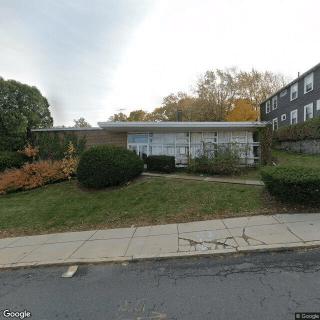





 Managing Nursing Home Expenses After Medicare Coverage Ends
 Is a Geriatric Care Manager the Right Choice for Your Family?
 Compassionate Conversations: How to Comfort Someone Who Is Grieving