

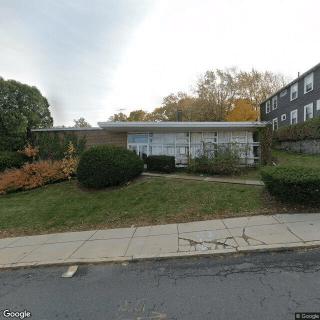
20 Linden Street, Brighton, MA 02134
To contact a resident: (617) 249-4127
For more information about senior living options: (866) 208-4318
Overall Review of Vineyard Community Living
Pros
 Leva and Valentina absolutely love Zabota.
- The food is great and the service is outstanding.
- Zabota provides transportation to physician appointments and to stores.
- Zabota staff supervise the elderly and provide balanced meals.
- The staff engage the elderly in recreational activities such as playing bingo.
- Galina expresses deepest appreciation for the wonderful job.
- The reviewer would recommend Zabota adult day health center to caregivers seeking day care for elderly parents.
Review
Vineyard Community Living in Brighton is best suited for seniors who thrive on a structured daytime routine, value reliable meals, and want social engagement alongside practical support such as transportation to medical appointments and errands. The program shines for families seeking a daytime option that lightens the caregiving load by providing supervision, balanced meals, and built-in activities. The reviews describe a setting where seniors are fed well, supervised attentively, and kept engaged with simple diversions like group games. For families who want a predictable daytime structure with on-site staff support, this community presents a compelling match.
Those who should consider alternatives are families needing 24/7 supervision, private residential housing, or specialized memory care. Because the model described is a day program rather than a full-time residence, it cannot substitute for overnight care or long-term housing. For loved ones with advanced dementia requiring constant monitoring, or for households seeking a campus with private rooms and 24/7 staffing, exploring traditional assisted living with dedicated memory care or in-home 24/7 care services would be wiser. The current review context underscores daytime supervision more than around-the-clock availability.
The strongest positives, the meals, the service quality, and the transportation, work in concert to reduce caregiver stress and promote ongoing participation. The food is highlighted as high quality, and staff are described as outstanding in service delivery, with transportation to physician visits and stores easing the logistical burden for families. Staff supervision ensures that seniors are monitored and supported throughout the day, which can translate to greater safety and daily consistency. In addition, the engagement component, recreational activities such as bingo, helps mitigate isolation and preserve social skills, a meaningful factor for mood and cognitive stimulation.
On the medical side, the program appears to coordinate care rather than house full-time clinicians. One reviewer notes nursing assessments are performed by visiting nurses who work with homecare agencies, while the center itself provides supervision and meals and leads activities. This arrangement can be a strong fit for seniors with stable or manageable health needs who require structured daytime care without complex on-site medical management. However, families with higher-acuity conditions or those seeking a single-point continuum of care should verify how medical oversight is delivered, how health changes trigger escalation, and what the handoff looks like to primary providers.
From a practical decision-making perspective, the value proposition is clear: if daytime engagement, dependable meals, and transport to appointments are top priorities, this option delivers with a high degree of reliability. Pros offset potential downsides by reducing the caregiver’s logistical burden and creating a safe, social environment for participants. The trade-offs, chiefly the lack of overnight housing and the reliance on external nursing staff for medical input, mean a mismatch for those needing residential care or intensive clinical supervision. Prospective families should confirm hours, transportation boundaries, activity scheduling, and the exact nature of medical coordination before committing.
In the end, Vineyard Community Living stands out as a practical, well-regarded daytime solution for seniors who benefit from structured days, good meals, attentive staff, and transportation assistance. It is not a one-size-fits-all option, and the decision hinges on care needs around the clock and the level of medical oversight required. For households seeking a reliable, engaging daytime program that reduces everyday caregiving burdens, this community merits serious consideration. For those whose requirements extend beyond daytime support or toward memory-care specialization, alternatives in traditional assisted living or dedicated memory-care communities should be explored with equal emphasis.
 Gen Edw L Logan International (6 miles away)






 6 Crucial Ways an Elder Law Attorney Assists Families
 Navigating the Tax Landscape of Caregiving: Credits, Deductions, and Beyond
 Highly Beneficial Low-Impact Exercises for Senior Living Residents