Vineyard Community Living - Boston Costs & Pricing
Vineyard Community Living in Boston presents a cost-effective alternative for residents compared to both Suffolk County and the broader Massachusetts region. For instance, their semi-private rooms are priced at $3,000 per month, significantly lower than the county average of $5,616 and the state average of $5,805. Similarly, the one-bedroom units at Vineyard Community Living cost $4,600, which is competitive when stacked against Suffolk County's rate of $5,439 and Massachusetts' average of $5,349. The two-bedroom options continue this trend with a price point of $5,600 versus county costs of $7,110 and a state average of $6,151. Overall, Vineyard Community Living offers attractive pricing that not only enhances accessibility but also provides valuable financial relief for individuals seeking quality housing in a vibrant urban setting.
| Floor plans | Vineyard Community Living - Boston | Suffolk County | Massachusetts |
|---|
| Semi-Private | $3,000 | $5,616 | $5,805 |
| 1 Bedroom | $4,600 | $5,439 | $5,349 |
| 2 Bedrooms | $5,600 | $7,110 | $6,151 |
Independent Living communities with a similar price nearby
-
from -$575 / mo
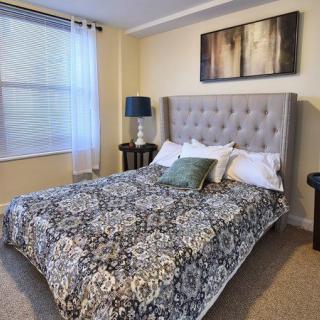
New Horizons At Choate
$2,425 to $4,495 / month
8.3 miles away
-
About the same

Vineyard Community Living - Nova Brighton
$3,000 to $5,000 / month
0.6 miles away
-
from -$549 / mo
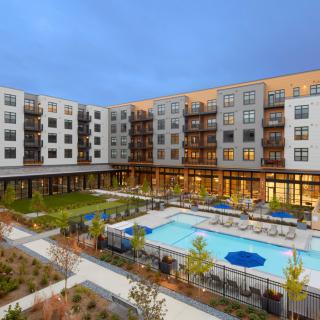
Avenu at Natick
$2,451 to $5,615 / month
11.7 miles away
-
About the same
The Willows Retirement Community
$2,930 to $4,850 / month
20.6 miles away
-
About the same

Willows at Westborough
$2,996 to $3,614 / month
24.2 miles away
Overall Review of Vineyard Community Living - Boston
common
30 reviews mention this
Responsive maintenance and helpful staff
Residents consistently describe staff who respond quickly and fix problems efficiently.
A large share of reviews highlight maintenance and front-desk staff as quick to help, including when residents get locked out or have equipment issues. Several residents name specific team members and describe them as professional, responsive, and able to resolve urgent problems. Even some guests who toured mention the staff was attentive and helpful during the leasing experience, reinforcing that communication is a recurring strength.
common
24 reviews mention this
Clean spaces and strong amenities
Residents frequently praise the building upkeep and the amenities available on-site.
Many reviews mention common areas and the property as clean and well kept, including regular cleanliness in lobbies and shared spaces. Residents also point to on-site amenities such as the pool and gym as standouts that make daily life more convenient. A few reviews also note areas where upkeep needs improvement, like stained hallway carpets, but that theme is smaller than the overall praise for cleanliness and facilities.
common
8 reviews mention this
Plenty of events and activities
Residents say the community offers regular events and off-site outings.
Several residents describe weekly or frequent events that help build a sense of community. Reviews also mention resident activities such as classes and organized gatherings, along with an emphasis on staying active. In addition to on-site events, the community also supports activities off-site and day trips, which aligns with the way residents talk about variety.
common
2 reviews mention this
Pet-friendly for dogs
Pet-friendly policies come up in residents’ feedback, especially for dogs.
At least a couple of reviews call out that dogs are welcome and describe positive experiences with staff being kind to pets. That matches the community’s pet policy listings that allow both cats and dogs. For residents thinking about bringing a dog, that’s one of the clearer signals in the reviews.
caveat
4 reviews mention this
Parking costs and garage cleanliness
Parking is a recurring pain point, with complaints about cost and garage upkeep.
Some residents say parking is expensive, citing a monthly cost in their feedback. Others raise concerns about the indoor parking garage being dirty and uncomfortable to use, including reports of bird-related mess in the garage. One review also mentions a recent improvement with annual garage cleaning, but the negative parking themes appear multiple times across reviews.
caveat
6 reviews mention this
Security deposit delays and disputes
Several reviews report frustrating problems getting security deposits returned.
Multiple residents describe long delays, repeated follow-ups, or unresolved deposit return issues after move-out. A few reviews also mention additional complications such as not receiving promised updates or needing to escalate to higher-level contacts to get resolution. Separately, one resident raises concerns about property issues tied to move-out and security handling, which compounds the deposit-related frustrations for that reviewer.
How we summarize
Counts show how many written reviews mention each theme; a review can touch several themes, and only frequently mentioned themes are displayed.

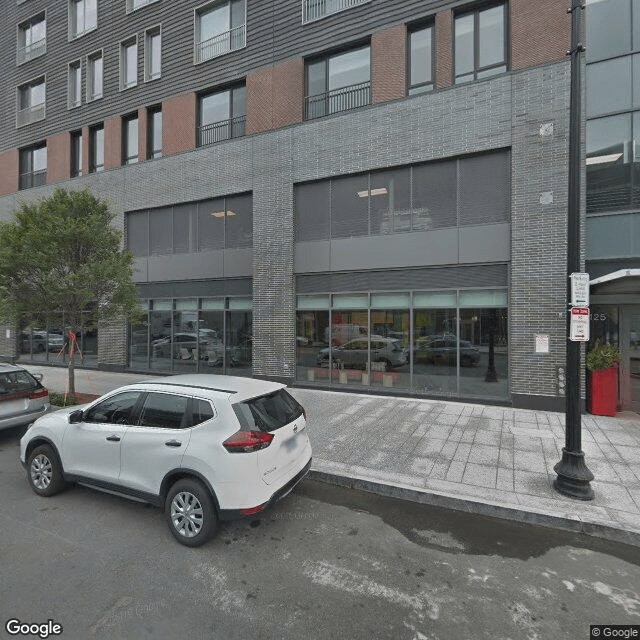
 Independent Living
 Cats allowed
 Dogs allowed
 Activities off-site
 Air-conditioning
 Bath tubs
 Devotional services off-site
 Full kitchen
 Ground floor units
 Handicap accessible
 Indoor common areas
 Outdoor common areas
 Swimming pool / hot tub
 Wheelchair accessible showers
 Gen Edw L Logan International (7 miles away)
 Ambulatory care
 Diabetic care
 Medication management
 Gluten-free
 Art classes
 BBQs or picnics
 Day trips and outings
 Educational speakers / life long learning
 Live musical performances
 Live well programs
 Comprehensive amenities and around-the-clock care services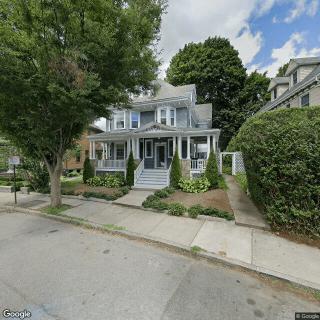




 Top Canine Companions for Older Adults
 Comprehensive Guide to Blood Pressure Charts for Older Adults: Understanding Normal and High Readings by Age
 Financing Long-Term Nursing Home Care Through Social Security: A Thorough Exploration