
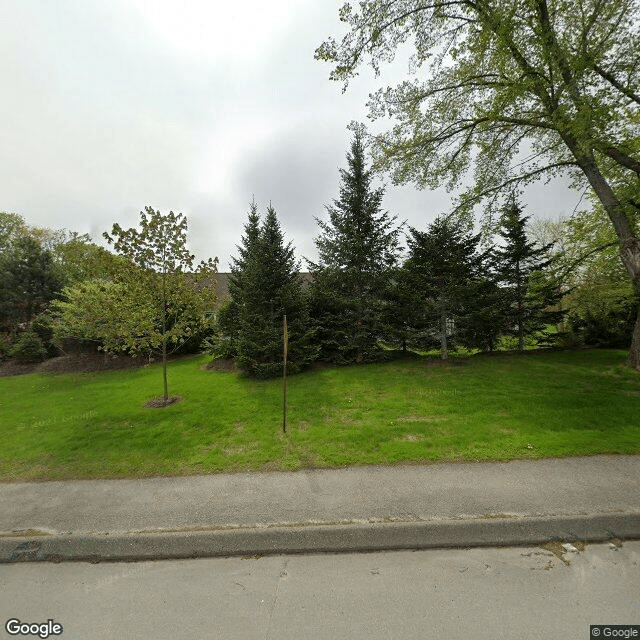
108 Elm St, Camden, ME 04843
To contact a resident: (207) 230-6115
For more information about senior living options: (866) 208-4318
Overall Review of Quarry Hill Retirement Comm
Pros
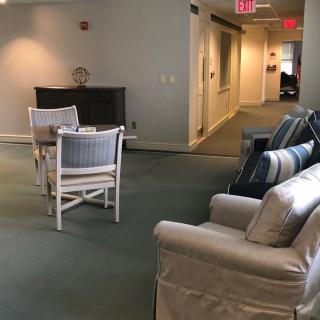
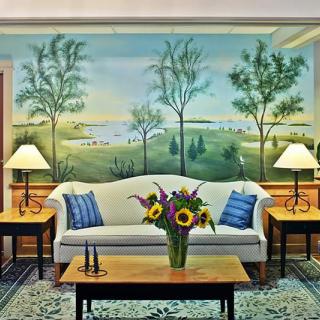
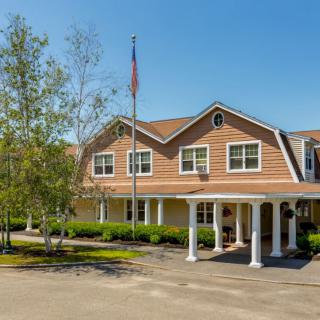
 The facility features superb architecture, design, and location.
- It provides exceptional care and is welcoming to visiting families.
- The facility is clean and well-presented, with friendly staff.
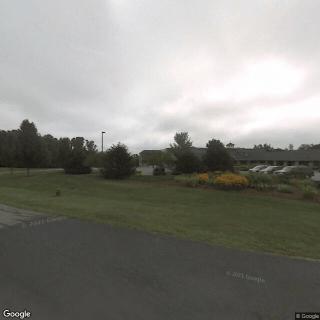
- The facility is caring and well-maintained in a great coastal community.
- The dining room is excellent.
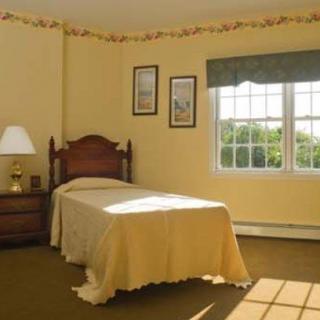
- It offers independent and assisted living as well as memory care and nursing.
Cons
 Some parts of the facility tend to be a little smelly.
Review
Quarry Hill Retirement Community in Camden, ME is best suited for families seeking a true continuum of care on a single campus, where independent living, assisted living, memory care, skilled nursing, and hospice can all be accommodated without requiring new transitions as needs evolve. The campus blends thoughtful architectural design with a coastal Maine setting, delivering a sense of permanence and accessibility that supports long-term planning. For families worried about changing facilities as a loved one’s care needs shift, Quarry Hill offers a predictable path forward. The environment is welcoming to visitors, and the overall vibe favors stability, continuity, and ongoing engagement with staff and care teams.
This community will appeal most to those who value scale and integration over small, single-service environments. Families weighing options should consider alternatives if independence is the sole requirement, if budget constraints push toward simpler living arrangements, or if a campus with a broader emphasis on day-to-day dining beyond dinner is essential. A smaller, more specialized setting might be preferable for someone who does not anticipate needing memory care or skilled nursing, or who desires a more intimate, less campus-like atmosphere. Individuals with a strong preference for constant all-day dining options or ultra-modern design may also want to compare alternatives.
The strongest positives are concrete and meaningful in daily life. The architecture and interior design stand out, combining aesthetic appeal with functional circulation that supports easy movement for residents and guests. The location in a coastal community adds quality of life factors, scenic surroundings, a walkable town, and access to services that families often rely on during transitions. Beyond looks, the care continuum itself is a major asset: skilled nursing and hospice on-site, together with independent and assisted living and memory care, creates a unified team approach rather than a string of handoffs. Staff are described as caring and the facility is maintained to a high standard, with a clear emphasis on a welcoming atmosphere for families who visit and participate in care planning.
The downsides are comparatively modest but real. A recurring observation notes that certain parts of the building can carry a noticeable odor at times, which can be off-putting and may signal ventilation or upkeep challenges in specific pockets of the campus. Another practical note is that the dining program is characterized as dinner-focused, with excellent quality for that meal, but it may not meet every family’s expectations for multiple daily dining options. These factors matter because they shape daily routines and comfort levels, yet they sit against a backdrop of strong clinical capabilities and a cohesive care team.
Despite these drawbacks, the pros largely offset the cons through the facility’s bundled strengths. The continuum of care reduces the emotional and logistical burden of moving a loved one between separate campuses or agencies; transitions are minimized, and care coordination is more seamless. The architectural quality and sense of place bolster overall satisfaction, helping residents feel secure and engaged. The dining experience, when combined with attentive service from a staff that understands family dynamics, can be a strong compensator for the limited dining schedule. Most critically, the caregiver culture, genuine, well-maintained environments, and visible investment in residents’ well-being, creates trust for families navigating long-term care decisions.
For families evaluating Quarry Hill today, the recommendation is clear: prioritize this community if the goal is to secure a dependable, on-site continuum of care in a coastal, livable setting with strong staff engagement and a standout design aesthetic. If, however, the priority is a purely independent-living arrangement with numerous daily dining options, or if odor sensitivity and a multi-meal dining program are non-negotiables, alternatives should be explored with diligence. In practice, prospective residents should schedule visits during various times of day, meals, shift changes, and quiet periods, to gauge how odors are managed, how dining aligns with expectations, and how the care team collaborates with families. In the end, Quarry Hill offers a compelling combination of continuum care, quality environment, and a coastal lifestyle that makes it a serious contender for families planning for evolving needs.
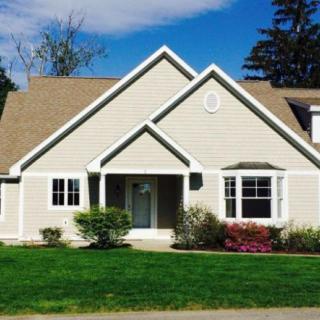
 Independent Living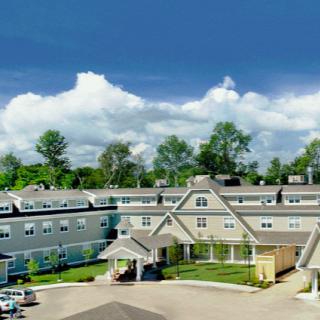

 A Detailed Examination of Nursing Home Costs Across the U.S.
 Exploring Nonmedical Home Care: Understanding Services, Costs, and Financial Approaches
 Engaging Brain Games and Innovative Apps to Keep Senior Minds Active