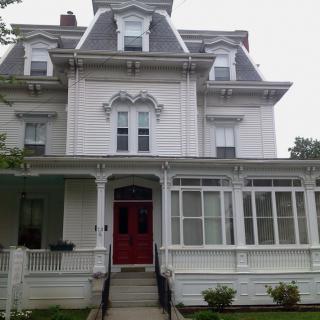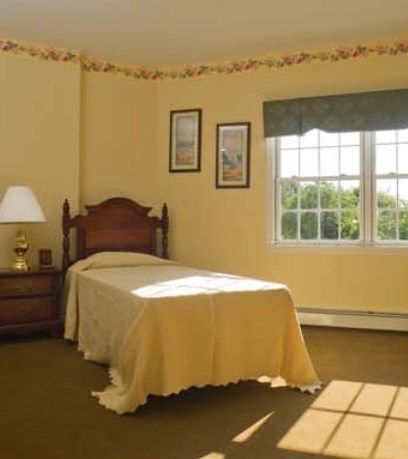
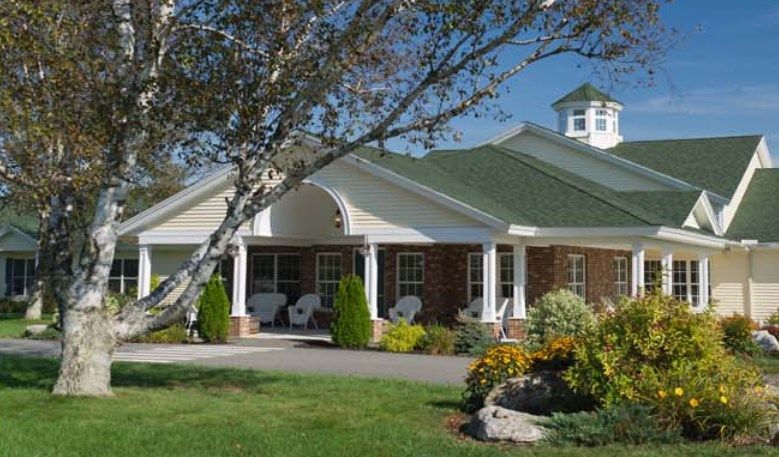
Woodlands Memory Care Of Rockland

Save
Woodlands Memory Care Of Rockland Woodlands Memory Care Of Rockland

Woodlands Memory Care Of Rockland

201 Camden Street, Rockland, ME 04841

For more information about senior living options: (844) 490-3973

3.8 from 6 reviews
5 stars
2
4 stars
3
3 stars
0
2 stars
0
1 stars
1

Assisted Living Memory Care

Overall Review of Woodlands Memory Care Of Rockland

Pros

  • pro The staff are mostly CNAs with expertise in treating every patient with love and respect.
  • pro The facility is very clean and the laundry is done in a timely fashion.
  • pro The atmosphere is a fun place with lots of laughter.
  • pro The activities and entertainment are great.
  • pro The director is extremely caring and communicative, and that attitude is shared by the staff.
  • pro The architectural space is beautiful, with lots of windows and plants to look at from every window.
  • pro The courtyard is huge with lots of seating areas.
  • pro The residents have run of the entire building, giving them a sense of freedom.

Cons

  • pro The CNAs are not treated properly, with abusive residents out of control.
  • pro The staff sometimes seem overwhelmed.
  • pro The facility is one of the more expensive options.

Review

Woodlands Memory Care of Rockland is best suited for families seeking an active, socially rich memory-care environment where residents have meaningful engagement, visible warmth from staff, and a bright, home-like atmosphere. The community shines for residents who value frequent programming, opportunities to socialize, and a setting that feels open and welcoming - the kind of place where laughter, activities, and accessible outdoor spaces are part of daily life. It works particularly well for residents with memory impairment who respond to cheerful, communicative staff and a campus that feels connected to nature through windows, plants, and a large courtyard. In short, this is a fit for families prioritizing social vitality and a pleasant, activity-forward day-to-day experience.

Not every family will find this community's strengths align with their needs. Acknowledging the mixed feedback is essential: one reviewer raised a troubling concern about CNA safety under challenging resident behavior, suggesting a potential risk if staff feel overwhelmed or if safeguards aren't consistently strong. The same thread of worry centers on workload pressures that can appear during busy shifts. Additionally, several observers flag the cost as a notable consideration, with tuition described as higher than comparable options. For families prioritizing tighter budgets or seeking a setting with more predictable, regimented staffing patterns, alternatives may offer a better balance of cost and control.

On the positive side, the core advantages largely revolve around people, program, and environment. The staff, described as affectionate and respectful, guide residents with genuine engagement and warmth, creating a culture that many families interpret as caring and reliable. Leadership comes across as attentive and communicative, with a director who demonstrates hands-on involvement and a consistency of tone that seems to permeate the entire team. The facility itself is kept immaculate, with timely laundry, abundant natural light, and a layout that encourages autonomy - residents reportedly have run of the building, which contributes to a sense of freedom within a structured setting. The activity slate is robust, and the social director helps ensure residents stay engaged through meaningful, varied programming.

Those advantages - chiefly staff warmth, leadership accessibility, cleanliness, and a lively activity calendar - tictactoe against the main caveat: cost and occasional staffing strain. A strong, benevolent culture can offset the perception of higher fees by delivering air-time for residents' moments of happiness and a sense of inclusion that less vibrant programs may not offer. When care staff are genuinely connected to residents and the environment supports independent movement with proper monitoring, families can feel confident that their loved one is in a setting that prioritizes dignity as well as safety. The architectural openness and courtyard access further bolster quality of life, serving as essential buffers against the isolation that sometimes accompanies memory care.

To maximize alignment with a loved one's needs, prospective families should approach tours with concrete questions. Inquire about current and night-time staffing ratios, not just daytime numbers, to gauge how consistent attention is during vulnerable hours. Watch interactions with residents - do staff members pause to engage, smile, and explain, or do conversations feel rushed? Meet the activity director and review the calendar to determine whether programs are truly tailored to memory-care strengths (calm routines, reminiscence activities, meaningful purpose) or primarily observation-based. Obtain a transparent understanding of the pricing structure, including any ancillary fees, to compare true cost against other communities in the region.

The bottom line is clear: Woodlands Memory Care of Rockland delivers a compelling blend of cheerful staff, engaging programming, and a lived-in, uplifting environment that can measurably improve day-to-day life for many residents. For families who can absorb the higher price point and who are comfortable with a dynamic staffing environment, this community offers genuine value in terms of social connectedness and personal dignity. Those prioritizing budget discipline or requiring an unwavering, low-stress staffing cadence may want to look at alternatives and compare not just sticker price but the consistency of care and the intangible benefits of a less hectic, more predictable atmosphere. In the right match, Woodlands stands out as a thoughtful, people-centered option within Rockland's memory-care landscape.

Features

Housing

  • 36 resident community capacity 36 resident community capacity

Types of Care

  • Assisted Living Assisted LivingAssisted living facilities provide crucial support and care for seniors who may need help with daily tasks such as medication management, bathing, and meal preparation. These communities offer a safe and comfortable environment where seniors can maintain their independence while receiving the assistance they need to thrive in their golden years.
  • Memory Care Memory CareMemory care is crucial for seniors as it provides specialized support and services for individuals with dementia or Alzheimer's disease. These programs offer a safe and secure environment where residents receive personalized care, cognitive stimulation, and help with daily activities. Memory care helps seniors maintain their independence, quality of life, and dignity while also providing peace of mind for their families.

Amenities

  • Beauty salon Beauty salonBeauty salons are important for seniors because they provide a space for them to feel pampered, socialize, and maintain their personal grooming and hygiene. Regular visits to a beauty salon can help boost seniors' self-esteem and overall well-being.
  • Cable or satellite TV Cable or satellite TVCable or satellite TV is important for seniors because it provides entertainment, news, and companionship, helping to combat loneliness and boredom. It also offers a wide range of programming options tailored to different interests and preferences.
  • Dining room Dining roomDining rooms are important for seniors as they provide a space for socialization, connection, and nutritious meals. They offer opportunities for residents to bond over shared meals, foster a sense of community, and promote healthy eating habits. Dining rooms also ensure that seniors have access to well-balanced meals tailored to their dietary needs and preferences.
  • Fully furnished Fully furnishedFully furnished senior living communities are important for seniors because they provide convenience, comfort, and a hassle-free moving experience. Seniors can easily settle into their new living space without the stress of having to buy and move furniture. This allows them to focus on enjoying their new home and community.
  • Garden GardenGardens are important for seniors as they provide a peaceful and therapeutic environment for relaxation, physical activity, and socialization. Being in nature has been shown to reduce stress, improve mood, and promote overall well-being. Gardens also offer opportunities for seniors to engage in gardening activities, which can improve mobility, flexibility, and cognitive function. Additionally, gardens create a sense of community and connection with others who share a passion for plants and outdoor spaces.
  • Housekeeping services Housekeeping servicesHousekeeping services are important for seniors because they help maintain a clean and safe living environment, promote independence, and reduce the risk of accidents or illnesses. Additionally, having assistance with household chores can alleviate physical strain and allow seniors to focus on other aspects of their well-being.
  • Kitchenette KitchenetteKitchenettes are important for seniors living in senior living communities because they provide the convenience and independence of being able to prepare simple meals and snacks in the comfort of their own living space. This can help promote a sense of autonomy and well-being for seniors, allowing them to maintain some level of control over their dietary choices and daily routines.
  • Move-in coordination Move-in coordinationMove-in coordination is important for seniors because it helps ease the transition into their new living environment. It ensures that all logistics, such as packing, organizing movers, and setting up utilities are taken care of, allowing seniors to focus on settling in and adjusting to their new home. Having a smooth move-in process can alleviate stress and anxiety, making the transition smoother and more enjoyable for seniors.
  • Outdoor space Outdoor spaceOutdoor spaces are important for seniors as they provide opportunities for physical activity, social interaction, exposure to natural light and fresh air, and a sense of connection to nature. Having access to outdoor spaces can improve overall well-being and quality of life for older adults living in senior communities.
  • Restaurant-style dining Restaurant-style diningRestaurant-style dining is important for seniors because it allows them to enjoy delicious, nutritious meals in a social and upscale setting. This enhances their dining experience, promotes healthy eating habits, and fosters socialization with fellow residents, ultimately contributing to their overall well-being and quality of life.
  • Small library Small librarySmall libraries are important for seniors as they provide access to a variety of reading materials, including books, newspapers, and magazines. This can help stimulate their minds, keep them engaged, and provide a sense of community through book clubs and other social activities. Additionally, reading has been shown to improve cognitive function and overall mental well-being in older adults.
  • Telephone TelephoneTelephones are important for seniors as they provide a lifeline for communication with loved ones, emergency services, and healthcare providers. They offer a sense of security and independence, enabling seniors to stay connected and access assistance when needed.
  • Wi-Fi/high-speed internet available Wi-Fi/high-speed internet availableWi-Fi/high-speed internet is important for seniors to stay connected with loved ones, access online resources, and participate in virtual activities to combat feelings of loneliness and isolation. It also allows them to easily manage healthcare needs, access entertainment, and engage in lifelong learning opportunities.

Care Services

  • 24-hour call system 24-hour call system24-hour call systems are important for seniors because they provide peace of mind and immediate assistance in case of emergencies. This technology ensures that help is always available, promoting safety and security for elderly individuals living alone or in assisted living facilities.
  • 24-hour supervision 24-hour supervision24-hour supervision is important for seniors to ensure their safety, well-being, and access to immediate assistance in case of emergencies or health issues. This constant support provides peace of mind for both seniors and their loved ones, allowing them to age in place with dignity and security.
  • Activities of daily living assistance Activities of daily living assistanceActivities of daily living assistance are important for seniors because they provide essential support with tasks such as eating, bathing, dressing, and mobility. This assistance helps seniors maintain their independence, dignity, and overall quality of life as they age.
  • Assistance with bathing Assistance with bathingAssistance with bathing is crucial for seniors as it helps maintain personal hygiene, prevents infections, and ensures their overall well-being and comfort. It also provides a sense of dignity and independence for seniors who may struggle with this task on their own.
  • Assistance with dressing Assistance with dressingAssistance with dressing is important for seniors because it helps maintain their independence, promotes personal hygiene, prevents accidents and injuries, and improves overall quality of life. This service ensures that seniors can continue to dress comfortably and confidently, despite any physical limitations they may have.
  • Assistance with transfers Assistance with transfersAssistance with transfers is crucial for seniors as it helps prevent falls and injuries, maintains their independence, and ensures they can safely navigate their living environment. It also provides peace of mind for both seniors and their loved ones.
  • Diabetes diet Diabetes dietA diabetes diet is crucial for seniors as it helps manage blood sugar levels, reduce risks of complications, and improve overall health and well-being. By following a balanced and nutritious diet tailored to their specific needs, seniors can better control their diabetes and enhance their quality of life.
  • Meal preparation and service Meal preparation and serviceMeal preparation and service are crucial for seniors as they may have limited mobility or energy to cook nutritious meals. Having access to healthy and convenient food options can ensure they are getting the proper nutrition needed to maintain their overall health and well-being.
  • Medication management Medication managementMedication management is crucial for seniors to ensure they are taking the right medications at the correct dosages and times. This helps prevent adverse drug interactions, reduces the risk of medication errors, and promotes overall health and well-being. Proactive management also allows for adjustments as needed based on changing health conditions or new prescriptions.
  • Mental wellness program Mental wellness programMental wellness programs are essential for seniors as they promote cognitive stimulation, emotional support, and social engagement. These programs help prevent isolation, depression, and cognitive decline, ultimately enhancing the overall quality of life for older adults.
  • Mild cognitive impairment Mild cognitive impairment"Mild cognitive impairment" is important for seniors because it is an early stage of cognitive decline that can potentially progress to more severe conditions such as dementia. Recognizing and addressing mild cognitive impairment can help seniors receive appropriate care and support to maintain their quality of life and independence for as long as possible.
  • Special dietary restrictions Special dietary restrictionsSpecial dietary restrictions are important for seniors because age-related changes in metabolism and health conditions can make it difficult for their bodies to process certain foods. By following a diet tailored to their specific needs, seniors can maintain their overall health and well-being, manage chronic conditions, and reduce the risk of complications such as malnutrition or food interactions with medications.

  • Specialized memory care programming Specialized memory care programmingSpecialized memory care programming is crucial for seniors with cognitive impairments such as dementia or Alzheimer's disease. These programs provide a safe and supportive environment tailored to the unique needs of individuals with memory loss, helping them maintain their independence, dignity, and quality of life.

Dining

  • Diabetes diet Diabetes dietA diabetes diet is crucial for seniors as it helps manage blood sugar levels, reduce risks of complications, and improve overall health and well-being. By following a balanced and nutritious diet tailored to their specific needs, seniors can better control their diabetes and enhance their quality of life.
  • Special dietary restrictions Special dietary restrictionsSpecial dietary restrictions are important for seniors because age-related changes in metabolism and health conditions can make it difficult for their bodies to process certain foods. By following a diet tailored to their specific needs, seniors can maintain their overall health and well-being, manage chronic conditions, and reduce the risk of complications such as malnutrition or food interactions with medications.

Activities

  • Community-sponsored activities Community-sponsored activitiesCommunity-sponsored activities are important for seniors as they provide opportunities for social interaction, mental stimulation, and physical activity. These activities can help improve overall well-being, combat loneliness and isolation, and promote a sense of belonging and purpose among older adults.
  • Resident-run activities Resident-run activitiesResident-run activities are important for seniors as they encourage social interaction, creativity, and a sense of autonomy. These activities empower seniors to stay engaged and active in their community while fostering meaningful connections with their peers.
  • Scheduled daily activities Scheduled daily activitiesScheduled daily activities are important for seniors because they provide structure, socialization, mental stimulation, and physical activity. Engaging in regular activities can improve overall well-being and quality of life for seniors living in a community setting.

Description

Woodlands Memory Care Of Rockland in Rockland, ME is a specialized assisted living community that provides memory care for seniors. The community offers a range of amenities to ensure the comfort and convenience of its residents. Each apartment is fully furnished and equipped with cable or satellite TV, a kitchenette, and Wi-Fi/high-speed internet.

Residents can enjoy delicious meals in the restaurant-style dining room, which accommodates special dietary restrictions. Housekeeping services are provided to keep the living spaces clean and tidy. Outdoor spaces and a garden are available for residents to relax and enjoy the outdoors.

Woodlands Memory Care Of Rockland provides 24-hour supervision to ensure the safety and well-being of its residents. The dedicated staff offers assistance with activities of daily living such as bathing, dressing, and transfers. Medication management is also provided to ensure proper medication administration.

The community has a mental wellness program specifically designed for individuals with memory impairments. This program aims to engage residents mentally and emotionally while promoting their overall well-being. Additionally, specialized memory care programming is provided to cater to the unique needs of individuals with cognitive impairments.

Woodlands Memory Care Of Rockland is conveniently located near various amenities such as cafes, parks, pharmacies, physicians' offices, restaurants, transportation options, places of worship, theaters, and hospitals. Residents can easily access these services for their convenience.

With its comprehensive care services and range of amenities, Woodlands Memory Care Of Rockland provides a supportive environment where seniors with memory impairments can thrive while receiving personalized care tailored to their specific needs.

Nearby Places of Interest

Restaurants

  • Pizza Hut (0.1 miles)
  • Subway (0.5 miles)
  • McDonald's (0.5 miles)
  • Claws (0.8 miles)
  • Hazel's Take Out (0.9 miles)
  • Wasses (1.1 miles)
  • Close to Home (1.1 miles)

Places of Worship

  • Maine Ministry Outreach Center (0.2 miles)
  • Church Of The Nazarene (0.6 miles)
  • Rockland Shambhala (1.4 miles)
  • Rockland Congregational Church (1.6 miles)
  • St Bernard's Cath Church (1.7 miles)
  • The Pursuit Church (2.6 miles)
  • Saint John the Baptist Episcopal Church (5.2 miles)

Pharmacies

  • Jensen's Pharmacy (0.4 miles)
  • Hannaford Pharmacy (0.5 miles)
  • Walgreens (1.5 miles)
  • Walmart Pharmacy (2.8 miles)
  • Waltz Pharmacy (6 miles)
  • Walgreens (6.2 miles)

Physicians

  • Hoyt Eye Care Center (0.4 miles)
  • Mid Coast Vision Care (0.6 miles)
  • Dr Hebert's Office (1.4 miles)
  • Pen Bay Physicians Building (1.6 miles)
  • Penobscot Bay OB Gyn Assoc (1.6 miles)
  • Find A Doctor (1.7 miles)
  • Holick Emily Pen Bay Orthopaedics Rockport (1.7 miles)

Cafes

  • Home Kitchen Cafe (1 miles)
  • Rock City Cafe (1.4 miles)
  • Rock City Coffee Roasters (1.6 miles)
  • 3 Dogs Cafe (4.1 miles)
  • Seafolk Coffee (4.7 miles)
  • Peet's Coffee and Tea (5.5 miles)
  • Zoot Coffee (6.2 miles)

Transportation

  • Hit The Road (1.1 miles)
  • Bus Stop (1.1 miles)
  • Maine Eastern Railroad (1.6 miles)
  • Schooner Bay Limo & Taxi (2.5 miles)
  • Budget Truck Rental (2.9 miles)
  • U-Haul Neighborhood Dealer (3.6 miles)
  • Budget Car Rental (4.1 miles)

Hospitals

  • Pen Bay Medical Center (1.4 miles)
  • Pen Bay Medical Center (1.7 miles)
  • Penobscot Bay Medical Center (1.7 miles)

Theaters

  • Flagship Premium Cinemas Thomaston (2.6 miles)

Parks

  • Owls Head State Park (3.4 miles)
  • Rockport Marine Park (4.5 miles)
  • Thomaston Park (4.6 miles)
  • Rockport Historic District (4.7 miles)
  • Birch Point Beach State Park (5.4 miles)
  • Camden Harbor Park (6.4 miles)

Frequently Asked Questions

Where is Woodlands Memory Care Of Rockland?
Does Woodlands Memory Care Of Rockland provide care for residents with dementia or Alzheimer's disease?

Nearby Communities

  • Cedar Street Group Home

    Cedar Street Group Home

    Rockland, ME

    5 from 1 review
     

    pro Comprehensive in-house care and fully furnished setting.

  • Warren Street

    Warren Street

    Rockland, ME


    pro Fully furnished assisted living with meals, housekeeping, ADL support, transportation, and social activities.

  • The Talbot Home

    The Talbot Home

    Rockland, ME

    4.3 from 24 reviews
    $2,900 / month

    pro Home-like, safe assisted living with welcoming visits and sunlit private rooms.

  • Jenkins Home 2

    Jenkins Home 2

    Rockland, ME


    pro Small, intimate setting with comprehensive care and amenities (24-hour supervision, ADL assistance, meals, activities, outdoor space).

  • Jenkins Home 1

    Jenkins Home 1

    Rockland, ME

     
    $4,513 / month

    pro Competitive rate with comprehensive services: furnished private rooms, meals, housekeeping, medication management, and medical transport.

  • George Robishaw Home

    George Robishaw Home

    Rockland, ME


    pro Intimate, small-capacity community enabling personalized care.

  • Quarry Hill-Anderson Inn

    Quarry Hill-Anderson Inn

    Camden, ME

    4 from 12 reviews
     

    pro Clean, well-maintained facility with friendly staff and engaging activities.

  • Windward Gardens

    Windward Gardens

    Camden, ME

    4.4 from 86 reviews
    $4,950 / month

    pro Caring staff with strong family communication and effective rehab support.

  • Penobscot Shores Retirement

    Penobscot Shores Retirement

    Belfast, ME

     
    $2,620 to $4,773 / month

    pro Affordable pricing with a convenient Belfast location and nearby amenities.

Assisted Living in Nearby Cities

Related Resources

  • do dementia patients sleep a lotWhy Do Dementia Patients Sleep So Much? Understanding Oversleeping, Stages, and Care Approaches

    Dementia often results in disrupted sleep patterns, leading to excessive daytime sleeping due to factors like brain damage affecting circadian rhythms, medication side effects, and lack of structure in daily activities. Caregivers must monitor these changes closely, as oversleeping can increase risks such as malnutrition or dehydration, and provide necessary support and routines to enhance patient engagement and well-being.

  • when to move from assisted living to nursing home8 Key Indicators That Suggest It May Be Time to Transition from Assisted Living to Skilled Nursing Care

    The transition from assisted living to skilled nursing care is often prompted by complex medical needs that assisted living cannot meet, with key indicators including frequent health declines, increased falls, severe memory issues, and caregiver burnout. Families should recognize these signs early to discuss options with healthcare providers and prepare for the emotional and logistical aspects of moving to a facility that offers comprehensive medical support.

  • best foods for dementia patients to eatNourishing the Mind: Essential Dietary Approaches for Dementia

    Dementia is characterized by cognitive decline, with nutrition playing a vital role in brain health; while no specific diet can prevent or reverse it, a nutrient-dense diet rich in antioxidants and healthy fats may support cognitive function. The MIND diet, which emphasizes beneficial foods and limits processed items, along with proper hydration and individualized meal strategies, can enhance the well-being of dementia patients.