51 Schooner St. Miles Health Care Campus, Damariscotta, ME 04543
To contact a resident: (207) 563-4200
For more information about senior living options: (866) 208-4318
Chase Point Assisted Living Costs & Pricing
Chase Point Assisted Living offers competitive pricing for its residents, particularly when compared to averages in Lincoln County and the broader state of Maine. For a studio apartment, residents can expect to pay $4,200 per month, which is notably lower than the county average of $5,415 and slightly more favorable than the state average of $4,889. Similarly, for a one-bedroom unit, Chase Point's rate of $5,190 is higher than Lincoln County's average of $4,001 but remains within a reasonable range compared to Maine's average of $4,572. This pricing structure reflects Chase Point's commitment to providing quality care and comfortable living environments while still being mindful of the financial considerations that many families face in today's market.
| Floor plans | Chase Point Assisted Living | Lincoln County | Maine |
|---|---|---|---|
| Studio | $4,200 | $5,415 | $4,889 |
| 1 Bedroom | $5,190 | $4,001 | $4,572 |
Overall Review of Chase Point Assisted Living
Pros
 Chase Point and its staff are amazing.
- It is a wonderful place for anyone with a parent who needs support and wants to stay independent.
- The Riverside memory care unit does a very nice job with engaging activities and is well kept and clean.
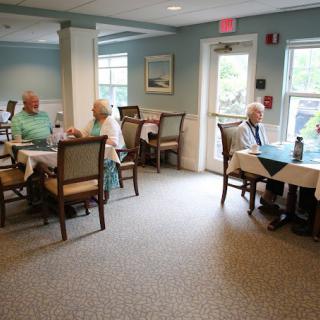
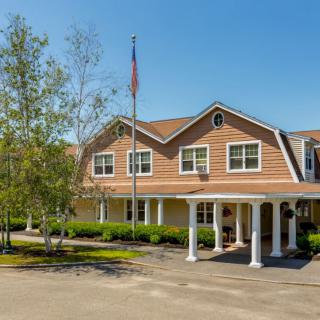
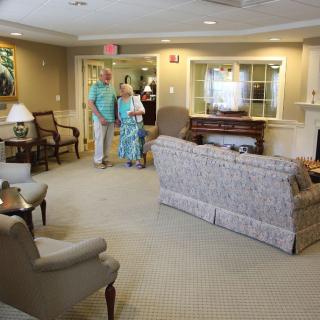
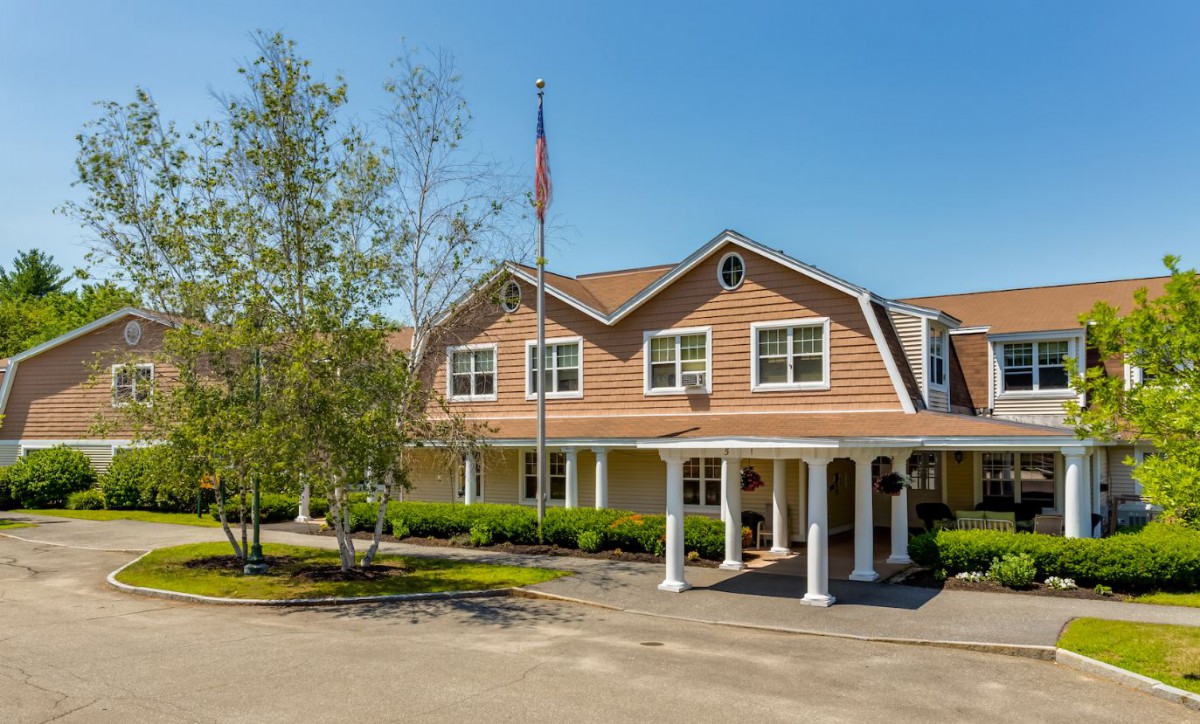
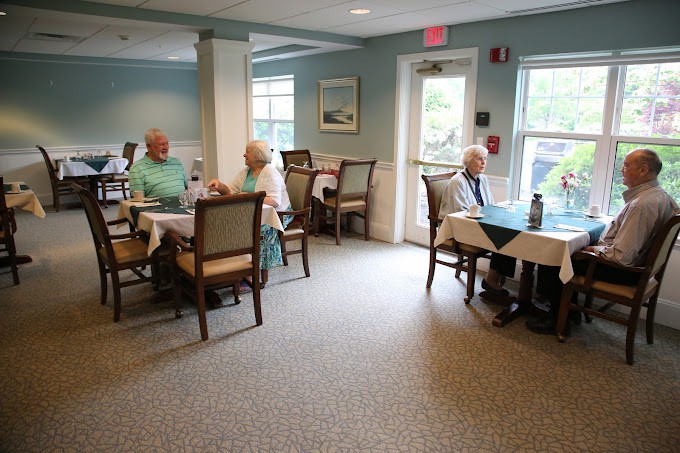
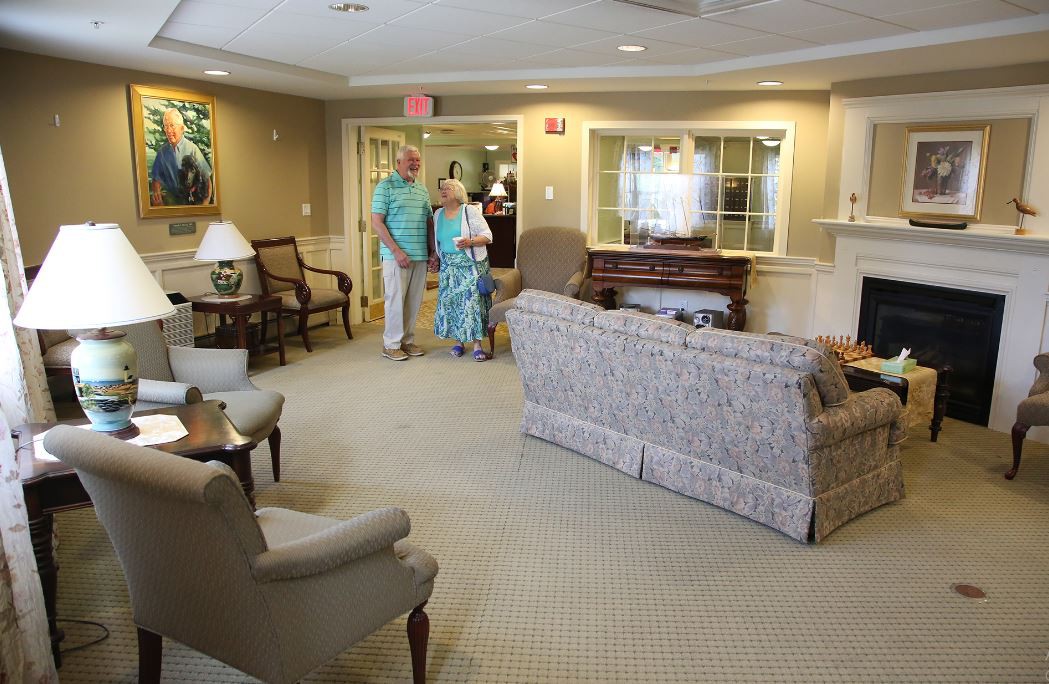
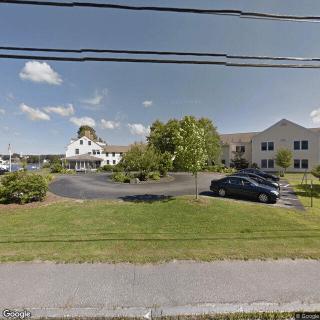
- The building is pretty and well-maintained, and residents feel at home.
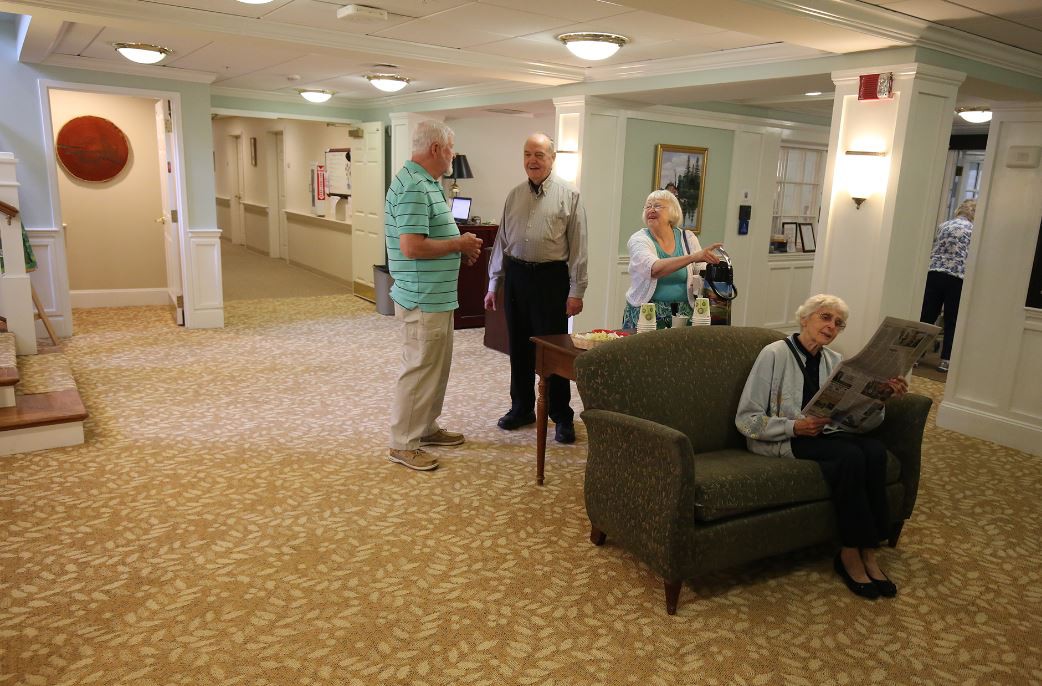
- The staff are lovely, low-key, and welcoming, with plenty of attention for each resident.
- The care at Chase Point is phenomenal, with above-standard living and a home-like feel.
- There are numerous social opportunities and daily events to keep residents busy and connected.
- The location offers stunning coastal Maine views that enhance the overall experience.
- Chase Point has an onsite library and a hospital with a state-of-the-art orthopedic facility.
Cons
 Cove's Edge was not very clean or pleasant, and there was a strong urine odor.
- They would never place a loved one there on a long-term basis.
- They found the facility initially depressing and upsetting.
- It appeared that some families were using such facilities to get elderly relatives out of the way.
- They were horrified by the care received at a temporary facility prior to moving to Chase Point.
Review
Chase Point Assisted Living in Damariscotta, Maine is best suited for seniors who want to sustain a high degree of independence while accessing reliable daily support and a built-in memory-care option on campus. The community’s coastal, bright, and well-kept setting appeals to families seeking a home-like atmosphere where care feels personal rather than clinical. The Riverside memory-care unit provides structured programming in a calm environment, giving families a clear path for residents who are beginning to require guiding support with dementia. Overall, Chase Point serves as a practical bridge between independent living and assisted care for those who prize accessibility, organization, and a welcoming residential vibe.
If the primary need is long-term, hospital-level skilled nursing in a consistently pristine environment, alternatives deserve serious consideration. While Riverside’s memory-care offerings are well-regarded, the Cove’s Edge skilled-nursing unit in the same campus has drawn notably mixed reports. Several reviewers described it as less clean and less pleasant, with a strong odor cited in at least one account. For families prioritizing a consistently high-standard nursing milieu or seeking a facility with uniform performance across all units, it is wise to compare other local SNFs that emphasize cleanliness, infection control, and atmosphere throughout the entire campus.
The strongest positives at Chase Point are tangible and well-aligned with what families value when balancing independence with support. A generous staff presence translates into residents receiving ample individual attention without feeling rushed, which is particularly meaningful for those who want assistance without surrendering autonomy. The building itself is attractive, well maintained, and designed to feel homelike rather than institutional, with apartment spaces described as beautiful and private. Activity programming is highlighted as engaging, offering daily opportunities for social interaction and purposeful engagement, which can slow functional decline and improve mood for many residents.
Memory care at Riverside stands out as a real strength. Reviewers consistently note that residents in this unit can participate in meaningful activities, with staff who appear knowledgeable and supportive in guiding those with cognitive impairment. The unit’s tone, organized, clean, and activity-rich, contributes to a sense of safety and belonging for residents and peace of mind for families. The overall impression is that Riverside operates with a thoughtful approach to person-centered care, helping residents maintain a degree of independence within a supervised frame and creating a community where social connections remain active.
Yet the campus presents a differential experience across its tiers. The contrast between Riverside and Cove’s Edge is the clearest reminder that not all parts of the campus perform at the same level. For families where long-term SNF care is non-negotiable, the reported deficiencies in Cove’s Edge should be weighed heavily. The same family might find Riverside an excellent fit for dementia care or short to moderate-length stays, but may question whether the long-term nursing environment lives up to the same standard. In practical terms, this means planning two conversations with the care team: one about memory care expectations and another about nursing services, with a tough-eyed assessment of how each unit would serve the resident over the coming years.
For a decisive choice, Chase Point delivers compelling value for those seeking a semi-independent lifestyle with robust support and a formal memory-care option on site. The favorable staffing ratios, residents’ sense of being cared for rather than processed, and the home-like ambiance all offset potential concerns for many families, particularly when a loved one’s dementia risk is a factor or when daily social engagement is critical. The notable caveat is that if a stable, high-caliber long-term nursing environment is non-negotiable, the Cove’s Edge experience cannot be assumed to meet those needs, and exploring other options in the region may be prudent. Tours should target Riverside for the memory care lens and Cove’s Edge for a candid live assessment of cleanliness and atmosphere.
In practical decision-making terms, Chase Point is a strong candidate for families prioritizing independence with dependable support, coastal charm, and an on-campus memory-care option that appears well-run. Pros offset cons most of the time when the focus is on maintaining activity, autonomy, and a hopeful pace of daily life. For residents whose care needs lie predominantly in complex nursing, a family should proceed with caution: verify current conditions, request transparent performance metrics for Cove’s Edge, and compare with alternatives that offer more uniformly pristine nursing environments. With careful screening and purposeful touring, Chase Point can be a thoughtful home where independence remains intact while help is readily available.
 1-bedroom apartments
 Assisted Living
 Memory Care
 Skilled Nursing Facility
 Activities on-site
 Beautician on-site
 Devotional services off-site
 Dining room
 Full kitchen
 Garden
 Golf
Golf Hiking trails
 Housekeeping services
 Indoor common areas
 Laundry
 Party space
 Resident parking
 TV room
 Wi-Fi/high-speed internet available
 Transportation & parking
 Ambulatory care
 Assistance with bathing
 Assistance with dressing
 Diabetic care
 Meal preparation and service
 Medication management
 Physical therapy
 Arts and crafts
 Book club
 Cooking club
 Educational speakers / life long learning
 Fitness programs
 Games
Games Live musical performances
 English



 An In-Depth Look at Reminiscence Therapy in Dementia Care
 Dementia-Related Hallucinations: Causes, Experiences, and Practical Approaches
 Illuminating Insights About Alzheimer's Disease: Ten Crucial Realities