
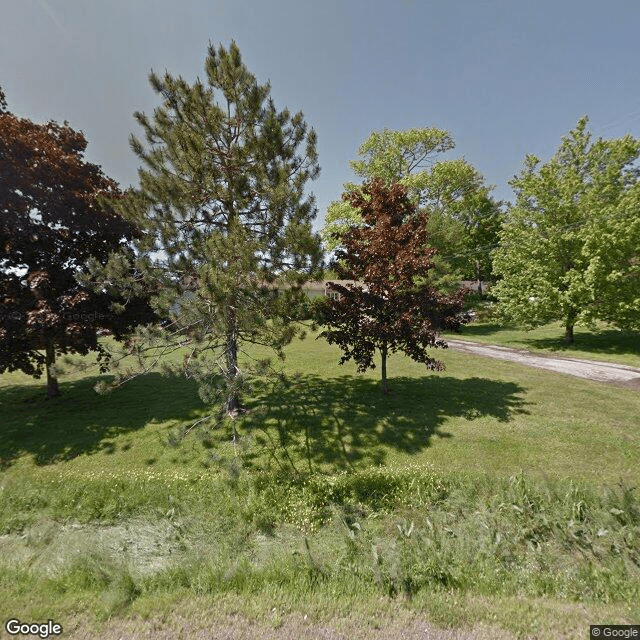
166 Whiskeag Road, Bath, ME 04530
For more information about senior living options: (866) 208-4318
Hillhouse Costs & Pricing
Hillhouse presents a range of monthly costs that reflect its position within the broader pricing landscape of Sagadahoc County and the state of Maine. For semi-private rooms, residents can expect to pay $5,610, which is notably higher than the county's average of $5,107 and significantly above the state's average of $4,685. Studio accommodations at Hillhouse are priced at $7,350, again surpassing both local and state averages - $5,124 and $4,889 respectively. The one-bedroom options are the most substantial investment at $7,800, in stark contrast to Sagadahoc County's average cost of just $3,941 and Maine's average of $4,572. These figures suggest that while Hillhouse offers premium services or amenities associated with its higher price point, prospective residents should weigh these costs against what is available within the broader market.
| Floor plans | Hillhouse | Sagadahoc County | Maine |
|---|---|---|---|
| Semi-Private | $5,610 | $5,107 | $4,685 |
| Studio | $7,350 | $5,124 | $4,889 |
| 1 Bedroom | $7,800 | $3,941 | $4,572 |
Skilled Nursing Facilities with a similar price nearby
-
from +$375 / mo
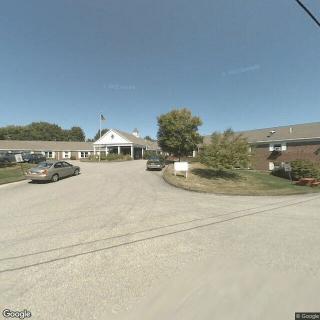
Winship Green Nursing Center
$5,985 / month0.9 miles away
Overall Review of Hillhouse
Pros
 Hillhouse feels like home.
- The staff welcome residents into their family and take care of them.
- Hillhouse offers aging-in-place, a rare feature in senior living.
- The staff are friendly, knowledgeable, and genuinely care about the residents.
- The facility is highly recommended.
- The staff are amazing, very attentive, and consistently have smiles on their faces.
- The on-site nurses provide excellent, compassionate care.
- HillHouse offers creative, stimulating, engaging, and fun activities that foster interaction.
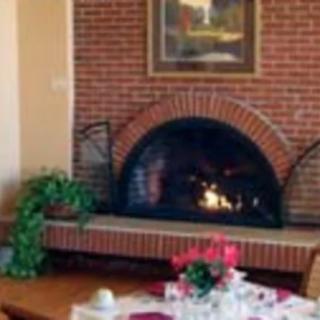
- The environment is warm, inviting, and has a family-like, homey atmosphere.
- Family members are welcome to dine with residents at no charge.
Cons
 The reviewer would not recommend placing a loved one there.
- Hill House was not appropriate for the reviewer’s mother, who felt it resembled a nursing home rather than independent or assisted living.
- Management did not seem to have much involvement with the residents.
- Residents were seen trying to get managers’ attention, but the managers walked by.
- The facility was described as expensive.
- There were occasional medication issues, including confusion about dosing and missing on-hand items.
Review
Hillhouse is best suited for seniors who want a warm, home-like community where caregiving feels personal and ongoing, not episodic. It works particularly well for residents who may need increasing assistance but prefer to stay in the same place as their needs evolve, what one reviewer captured as a genuine aging-in-place environment. The ambiance leans toward a family atmosphere: staff are described as friendly, engaged, and professional, with an emphasis on daily living that feels accessible rather than clinical. For families prioritizing meaningful social interaction, creative activities, and a sense of belonging, Hillhouse delivers in spades.
Not every family will find Hillhouse ideal. Alternatives are worth considering for those seeking a sharper separation between independent living and assisted living, or for those who want a facility that feels more like a modern, clinical setting. A few reviewers perceived the environment as leaning toward a nursing-home vibe, which can be a deal-breaker for residents who prize independence and a more upscale, contemporary feel. Leadership visibility has also been a recurring concern; when management appears distant during tours, some worry about consistency in the resident experience. Cost is another headwind, with at least one reviewer noting the price tag as a material consideration.
The core strengths of Hillhouse, exceptional day-to-day caregiving, a robust activity calendar, and a genuine, homey mood, tend to offset the principal drawbacks for many families. Nursing and personal care are repeatedly praised as outstanding, with staff who remember residents’ routines and preferences. The activity program stands out, offering outings, carnival days, beach trips, and regular exercise, with residents often seen socially engaged and mentally stimulated. Families also appreciate the flexibility to dine with loved ones and the sense that residents are treated with respect and dignity, which helps justify the overall atmosphere even if the decor isn’t flashy.
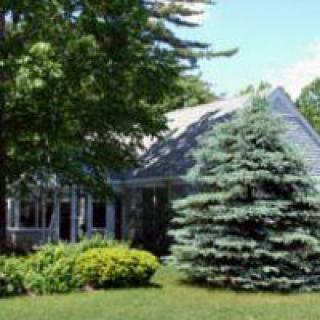
A strong continuity of care also matters. Several accounts highlight mobility improvements and sustained engagement for residents who have experienced injuries or illnesses, underscoring the facility’s capacity to support rehabilitation and ongoing daily living. The setting, woodsy, with water views and a “homey” feel, complements the care, making the experience emotionally supportive for both residents and families. However, it’s important to acknowledge the occasional medication-communication gaps noted by some families. While these did not produce life-threatening issues, they signal a need for careful on-site verification of med passes, especially for residents requiring specialized dietary or medical regimens.
Practical considerations should shape the decision. The rooms tend to be on the smaller side, with tubs in place of showers, which suits some preferences but may feel limiting to others seeking modern, spacious accommodations. The facility is not described as upscale, and some families may crave renovations or a more contemporary aesthetic to align with personal tastes. Food is frequently singled out as a pleasant surprise, above average for the sector, and the social ecosystem (pets, kids, and a lively calendar) enhances everyday life. For families weighing fit, it’s wise to probe the specifics of medication management, on-hand supplies, and the frequency of administrative rounds to gauge whether the current operations align with expectations.
In the end, Hillhouse stands out as a practical, compassionate choice for seniors who value a familial environment, strong daily caregiving, and a lively, resident-centered calendar. It rewards those who enter with realistic expectations about space, decor, and cost, while offering meaningful continuity of care that can reduce disruptions as needs shift. For families prioritizing independence first, or requiring a highly polished, hospital-like setting, alternatives may serve better. The next step is a focused, proactive visit: meet with the nurse manager, review med-pass procedures, tour common spaces at different times, and assess whether the administrative presence matches the level of care and responsiveness that matters most.
 56 resident community capacity
 Studio apartments
 Assisted Living
 Memory Care
 Skilled Nursing Facility
 Activities off-site
 Air-conditioning
 Beautician on-site
 Cable or satellite TV
 Computer center
 Devotional services off-site
 Dining room
 Fitness room
 Fully furnished
 Gaming room
 Garden
 Housekeeping services
 Indoor common areas
 Kitchenette
 Laundry
 Move-in coordination
 Outdoor common areas
 Party space
 Private bathrooms
 Respite or short term stays offered
 Restaurant-style dining
 Small library
 Telephone
 Wellness center
 Wi-Fi/high-speed internet available
 Community operated transportation
 12-16 hour nursing
 24-hour call system
 Ambulatory care
 Assistance with bathing
 Assistance with dressing
 Assistance with transfers
 Diabetes diet
 Diabetic care
 Medication management
 Mental wellness program
 Special dietary restrictions
 Concierge services
 Planned day trips
 English


 A Thorough Discussion of Medications Potentially Linked to Dementia Risk
 Why Do Dementia Patients Sleep So Much? Understanding Oversleeping, Stages, and Care Approaches
 8 Key Indicators That Suggest It May Be Time to Transition from Assisted Living to Skilled Nursing Care