

242 Carroll St, St. Paul, KS 66771
To contact a resident: (316) 449-2400
For more information about senior living options: (866) 208-4318
Overall Review of Prairie Mission Retirement Vlg
Pros
 Her family notes she has received the best care they have ever seen.
- Prairie Mission Retirement Village is described as a hospitable facility with friendly staff and a homier atmosphere.
- The staff are caring and loving, and they make residents feel at home.
- There is ample one-on-one time with each resident.
- There are many activities available, so residents can stay active and socialize.
- The therapists are top-notch and work with residents daily.
- The reviewers would definitely recommend Prairie Mission Retirement Village to anyone seeking a caring, loving atmosphere.
Review
Prairie Mission Retirement Village in St. Paul, Kansas is best suited for families seeking a warm, home-like assisted living where care feels personal and mobility support comes with steady, hands-on attention. The setting emphasizes relationships, daily routines, and a rehabilitation-minded approach that helps residents maintain independence longer. This community is especially well-matched to seniors who thrive on one-on-one time, consistent staff familiarity, and an atmosphere that treats aging as a manageable journey rather than a clinical ordeal. For families prioritizing warmth, steady communication, and a lived-in sense of community, Prairie Mission delivers with tangible, everyday strength.
Those weighing alternatives should note who may want to consider other options. If the priority is hospital-style medical oversight, a larger campus, or a dedicated memory-care environment, a different community may better meet those needs. Prospective residents seeking around-the-clock skilled nursing coverage, a broad rotation of highly medicalized services, or a bustling, expansive activity calendar may find a larger or more clinically focused setting a more suitable fit. In short, Prairie Mission shines for personal connection and rehab-oriented care, but families with stricter demands for clinical depth should compare options carefully.
The core strengths lie in the staff’s warmth, the hospitable, homier atmosphere, and the meaningful, frequent interactions that keep residents engaged. Visitors repeatedly note friendly greetings and a sense of belonging from the moment of arrival, reinforcing a culture that feels less like a facility and more like a community of care. The breadth of activities supports ongoing social connection, while the therapy team stands out as a standout asset. Daily, often twice daily, therapy without long gaps translates into real, observable progress for mobility and functional independence, a feature that many families will value deeply.
Where care is intimate, a natural question arises about potential limitations inherent to a smaller operation. The most plausible trade-off is the possibility of fewer on-site medical specialists, less scale in programming, or a quieter environment than what some families expect from larger campuses. It is prudent to verify the exact nurse-to-resident ratio, confirm the availability of around-the-clock nursing coverage, and inquire about the breadth of medical and specialty services on site. The reviews do not reveal deficits, but clarity on these points ensures alignment with a resident’s medical needs and family expectations.
Yet these potential trade-offs are effectively offset by what Prairie Mission does exceptionally well. The personalized attention means care plans are highly responsive, and residents do not feel lost in the crowd. The observed mobility gains, moving from wheelchair to cane through consistent therapy, underscore that the rehab program is not a perfunctory feature but a core value. The emotional climate, staff who genuinely care, residents who feel at home, and families who sense real affection, can compensate for any desire for a larger, more hospital-like setting. In practice, quality of life, not just clinical metrics, drives outcomes here.
Taken as a whole, Prairie Mission Retirement Village is a compelling choice for families prioritizing affection-filled care, close-knit staffing relationships, and a robust, rehabilitation-forward activity plan. It is less suitable for those seeking a hospital-grade atmosphere, a very large campus, or specialized memory-care programming that operates at a different scale. The right decision comes from aligning personal priorities with what the community consistently delivers: a loving, engaging home base where staff invest in residents’ daily lives and measurable mobility improvements. Prospective families should schedule a thorough visit, meet direct caregivers and the therapy team, review a sample care plan, and confirm costs and inclusions to ensure a precise fit.
 Independent Living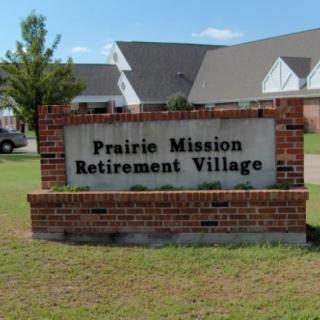




 Caring for Those Who Care: Recognizing, Understanding, and Overcoming Caregiver Burnout
 Caregiver Exhaustion: Recognizing the Signs and Restoring Your Well-Being
 Understanding Hospice Care at Home: Comprehensive Services, Key Benefits, and Eligibility