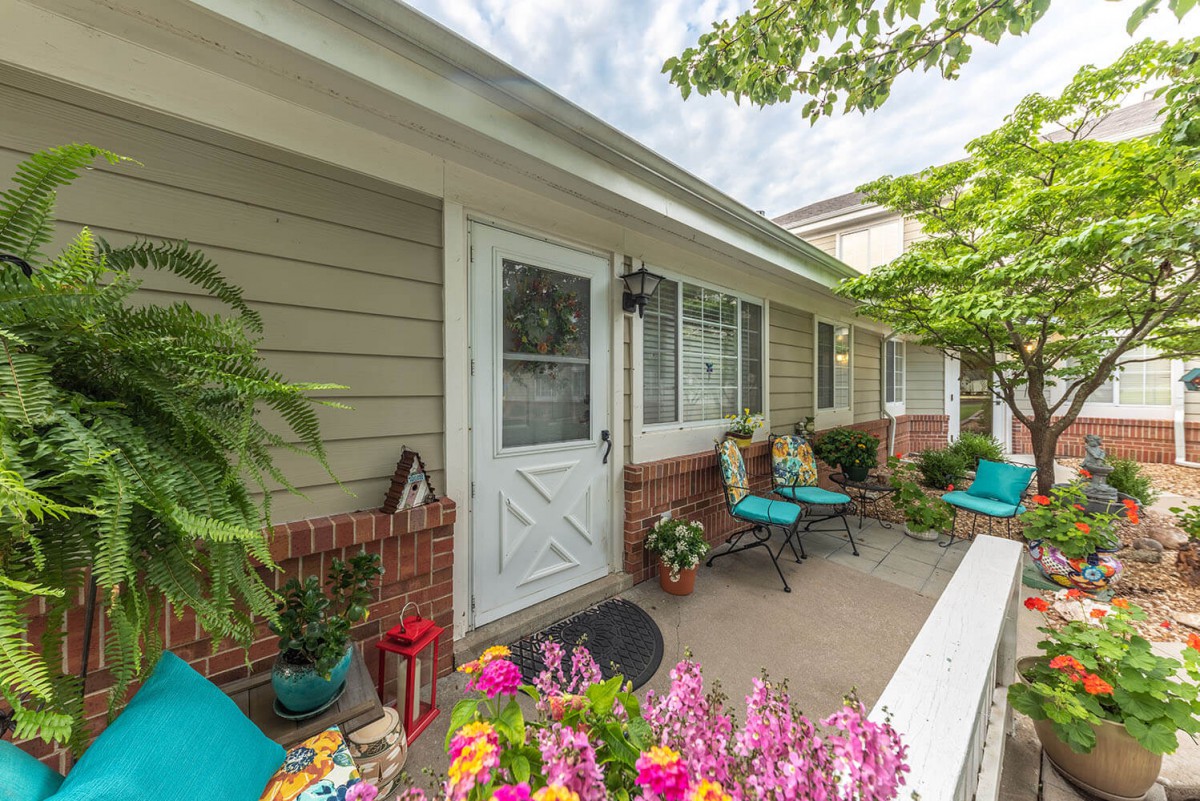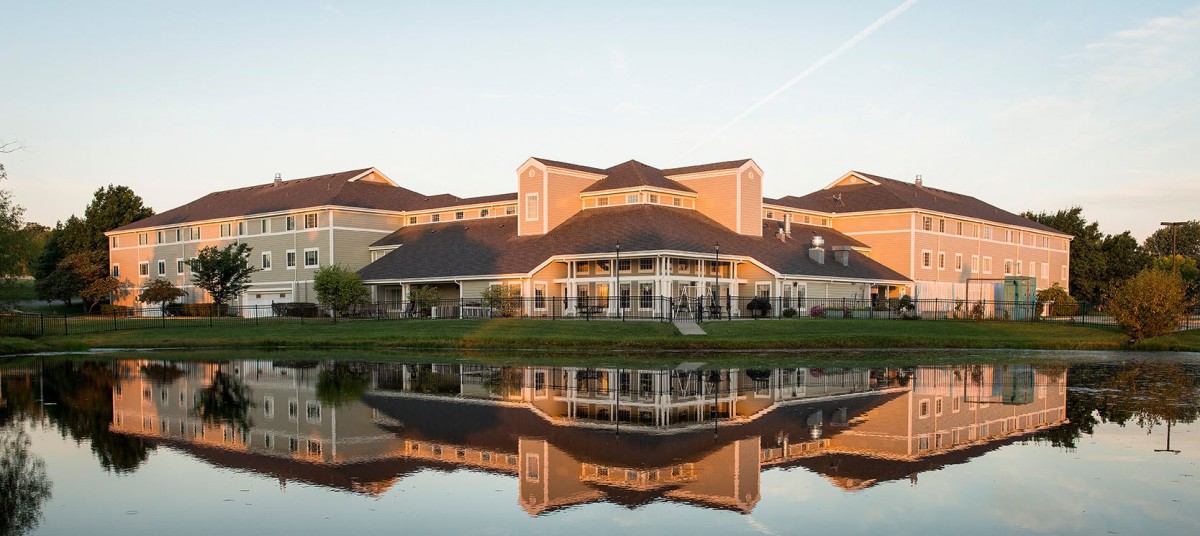











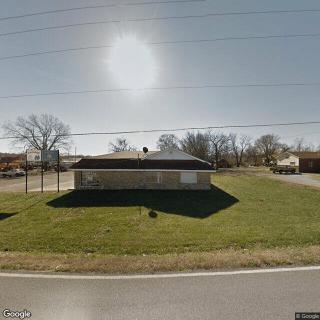
2401 Horton St, Fort Scott, KS 66701
To contact a resident: (620) 223-5550
For more information about senior living options: (866) 208-4318
Fort Scott Presbyterian Village Costs & Pricing
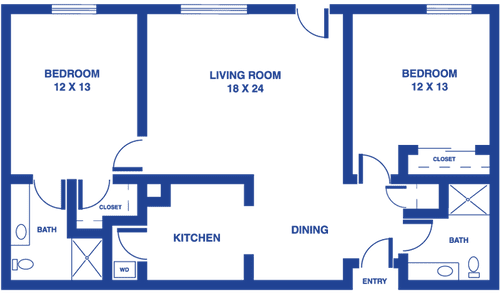
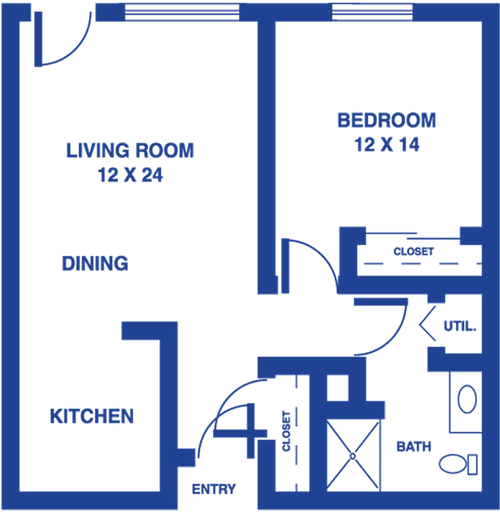
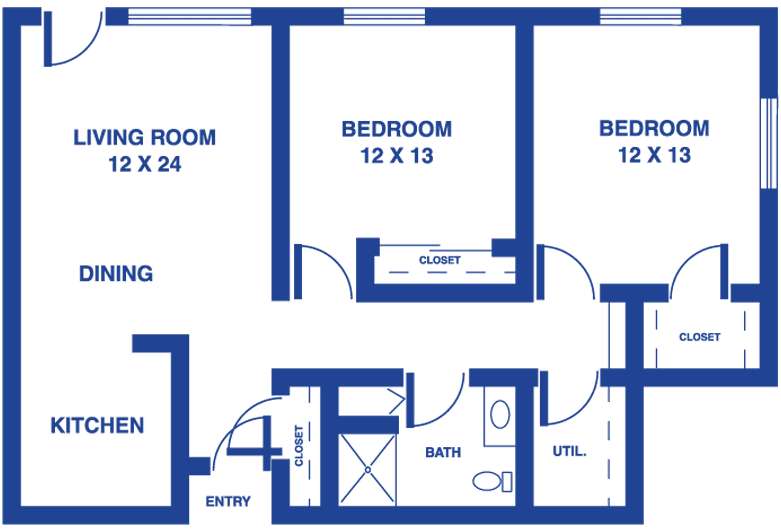
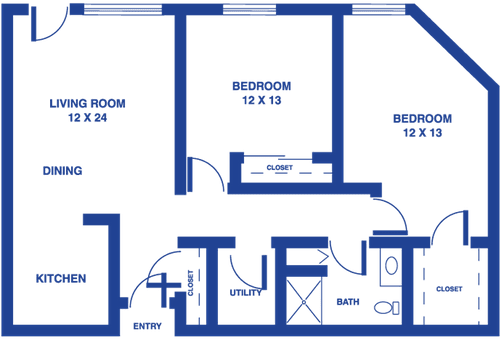
Fort Scott Presbyterian Village offers competitive pricing for various room types, making it an appealing choice for residents considering senior living options in the region. For a studio apartment, the cost is $2,827 per month, significantly lower than both the county average of $4,153 and the state average of $4,094. In contrast, the pricing for a one-bedroom unit at Fort Scott Presbyterian Village stands at $3,259 per month, which is higher than Crawford County's average of $2,435 but still lower than Kansas's state average of $3,859. The two-bedroom apartments cost $3,686 monthly, closely aligning with Crawford County's rate of $3,693 while being slightly above the state average of $3,562. Overall, Fort Scott Presbyterian Village provides residents with attractive options that balance comfort and affordability within the context of local and state benchmarks.
| Floor plans | Fort Scott Presbyterian Village | Crawford County | Kansas |
|---|---|---|---|
| Studio | $2,827 | $4,153 | $4,094 |
| 1 Bedroom | $3,259 | $2,435 | $3,859 |
| 2 Bedrooms | $3,686 | $3,693 | $3,562 |
Assisted Living communities with a similar price nearby
-
from -$277 / mo
The Bungalows at Nevada
$2,550 to $3,700 / month20.1 miles away
Overall Review of Fort Scott Presbyterian Village
Pros
 The staff are absolutely wonderful and provide activities for everyone.
- The Presbyterian Village is a clean, inviting, long-standing facility in Fort Scott with an experienced executive director who advocates for residents.
- The Village is a clean, friendly community with kind, loving residents and a dedicated administrator focused on improving residents’ lives.
- The leadership leads by example with a warm heart and fierce dedication, advocating for families and treating loved ones as family.
- Fort Scott Presbyterian Village is a place where loved ones are treated well, loved, and cherished.
- There is a unique spirit of teamwork and genuine care and respect for residents.
- The staff consistently take good care of residents, including the reviewer’s mother-in-law.
- The care and love given there are outstanding.
Cons
 Hardly a minute of peace as they consistently come at meal times to check BP and other vitals.
- They treat grown adults like children, taking their meds away and even threatening to throw them out because they required too much assistance.
- Many have moved out, perhaps a part of the why.
- Some staff members, including the administrator, are really nasty toward residents.
- They would not recommend anyone move here.
Review
Fort Scott Presbyterian Village is best suited for families seeking a traditional, faith-forward senior community with deep roots in Fort Scott. The campus presents as clean, inviting, and well-maintained, and it operates with a strong sense of continuity: residents tend to stay long-term, and the staff and leadership are seen as genuinely invested in daily well-being. Families that value an established network of care, where administrators are visible advocates for residents, will find a reassuring alignment here. The prevailing sentiment is that the village delivers consistent, affectionate attention, with activities designed to engage a broad range of interests.
That said, this community may not be the right fit for every situation. Alternatives deserve consideration for families whose loved ones prioritize maximal independence and minimal intrusion into daily routines. Several reviews highlight concerns about how care is administered at times, particularly around medications and the cadence of health checks during meals. For residents who bristle at being treated “like children” or who dislike a perceived heaviness of oversight, the atmosphere can feel confining. Families with loved ones who require a lighter touch, more autonomy, or less frequent medical interventions should screen other options to ensure a better fit in pace, privacy, and personal decision-making.
The strongest compensation for the downsides lies in the community’s robust pros: exceptionally caring staff, a wide slate of activities, and a sense that residents are cherished as family. Multiple voices praise the staff as loving, patient, and consistently attentive, with some calling the care “outstanding.” The facility’s cleanliness and welcoming ambiance reinforce a sense of safety and comfort. Leadership is frequently cited as a driving force for positive change, an administrator described as experienced, compassionate, and fiercely devoted to residents’ lives and dignity. The social fabric, kind, welcoming residents and a teamwork ethos, creates an environment where loneliness is mitigated and daily routines feel purposeful.
That leadership and culture matter when weighing the negatives. While one or two reviews express real frustration with the level of medical oversight or with perceived tensions between staff and residents, the prevailing experience centers on advocacy and dependable routines rather than neglect. Families inclined to engage early with the administrator, care coordinators, and activity staff will often find governance responsive and transparent. The bottom line is that the positives, strong care, meaningful engagement, and a trusted, family-like environment, can offset a subset of the concerns, particularly for residents who value community, predictable schedules, and active social opportunities over complete autonomy.
For residents who crave global community integration and a sense of belonging, the environment here is compelling. The village has been described as a vital part of Fort Scott, a place where residents are treated with warmth and respect, and where staff demonstrate a genuine commitment to improving lives. The “something for everyone” approach to programming ensures that social, cognitive, and physical activities are accessible to a broad age and ability range. Those prioritizing stability, tradition, and faith-informed care will likely feel particularly at home, and families will appreciate the clear leadership presence and the tradition of advocacy that underpins daily routines.
The practical takeaway is clear: Fort Scott Presbyterian Village excels for families seeking a warm, engaged, and trusted community with a strong track record of compassionate care and comprehensive programming. It is especially well-suited for residents who value a home-like atmosphere, consistent staff attention, and an administration that actively champions residents’ needs. Pros offset most cons when the priority is ongoing engagement, respectful treatment, and a sense of belonging within a long-standing local institution. For anyone placing a loved one who values independence above all, or who desires a lighter touch of oversight, alternatives should be evaluated with that preference in mind, with careful questions about autonomy, care planning, and day-to-day decision-making during visits.
 Assisted Living
 Independent Living
 Cats allowed
 Dogs allowed
 Activities on-site
 Devotional services off-site
 Indoor common areas
 Outdoor common areas
 Wheelchair accessible showers
 Ambulatory care
 Diabetic care
 Meals provided
 Educational speakers / life long learning



 Funding and Affording Assisted Living: A Thorough Overview
 Assisted Living Expenses and Long-Term Care Insurance: A Comprehensive Exploration
 Securing Financial Support for Assisted Living: A Comprehensive Overview