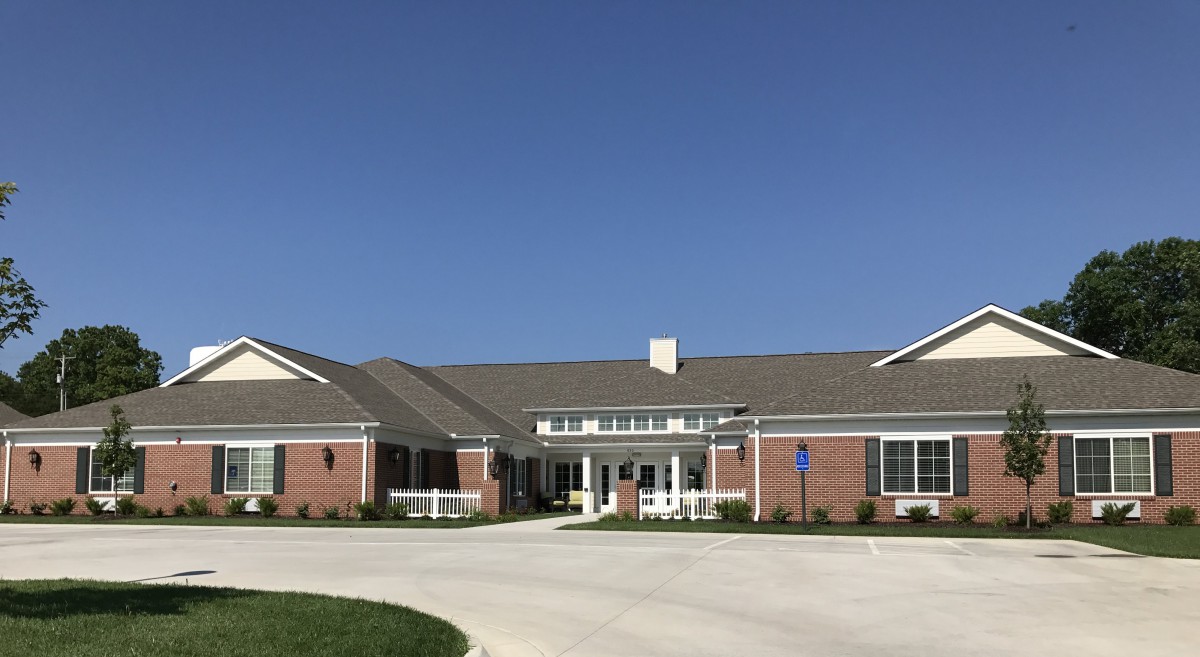









820 S Horton St, Fort Scott, KS 66701
To contact a resident: (620) 223-1822
For more information about senior living options: (866) 208-4318
Country Place Senior Living Costs & Pricing
Country Place Senior Living offers competitive pricing for its studio units at $4,200 per month. This rate positions it slightly above the average costs in Crawford County, where the typical monthly expense for similar accommodations is around $4,153. When compared to the broader context of Kansas, which averages a bit lower at $4,094 for studio living arrangements, Country Place provides residents with a distinctive and potentially enhanced living experience that may justify the higher cost. While it may be slightly pricier than both county and state averages, many families find value in the services and amenities offered by Country Place Senior Living that cater specifically to the needs of seniors.
| Floor plans | Country Place Senior Living | Crawford County | Kansas |
|---|---|---|---|
| Studio | $4,200 | $4,153 | $4,094 |
Overall Review of Country Place Senior Living
Cons
 The ED was fired or resigned.
- The ownership/management situation is unclear, implying uncertainty.
- The interim director is only adequate, and little is known about her.
Review
Country Place Senior Living in Fort Scott, Kansas, now operating as Credo Senior Living, is best suited for seniors who want a small-town, intimate setting and can tolerate leadership turnover as the community works to stabilize under new ownership. The core dynamic here is governance flux: the executive director was fired or resigned, an interim director has stepped in, and ownership appears to have changed hands. For residents who value daily familiarity, friendly staff interactions, and a homelike environment over a flawless track record of leadership, Credo may feel like a workable local option in the short term. Yet stability is clearly not guaranteed, and families should plan for potential shifts in policy and staffing as the new structure takes shape.
Those who should seriously consider alternatives are families for whom transparent, long-term governance is non-negotiable. If a proven, predictable leadership team, clear ownership, and consistent care protocols are essential, it’s prudent to look at other options in the region. The history of leadership turnover raises questions about long-range planning, staffing stability, and the ability to implement sustained improvements. In short, this is a place where governance clarity and communication should be verified upfront, rather than assumed.
The limited positives in the available feedback center on operational continuity in the near term. An interim director described as adequate implies there is at least a functional level of day-to-day management, and the facility remains open and active under new branding. The rebranding to Credo Senior Living signals a possible reset or fresh direction, which could translate into clearer policies and better alignment of services over time. Additionally, the presence of a top-level review indicating five stars and another four stars suggests that some residents experience satisfactory care and environment, at least in certain moments. Those signals matter, but they do not fully offset the overarching governance concerns.
The major drawbacks, however, are substantial and not easily overcome by tentative positives. Leadership instability is the dominant risk: an ED departure under unclear circumstances, a care facility under new ownership, and an interim manager with limited publicly documented track record all contribute to an environment where policies, staffing norms, and response times may be in flux. The reviews hint at mixed experiences, including two low-rated outcomes, which often reflect concerns about consistency, reliability, and responsiveness. Without transparent communications about future plans, staffing levels, and quality controls, these concerns can translate into real daily impact for residents and families.
In weighing the pros and cons, the short-term operability and the potential for a governance reset under Credo provide some offset to the leadership risk, but only if a clear stabilization plan emerges quickly. Families should press for concrete details: how long the interim director will remain in place, what the recruitment timeline looks like for a permanent leader, and what metrics will define quality care going forward. Request a copy of the current care plan, inquire about staffing ratios, and ask for regular, predictable updates on governance changes. A direct line of communication with the interim director, and visibility into any upcoming inspections or corrective actions, will be crucial.
Ultimately, Credo Senior Living may suit families seeking a local, approachable option who are willing to accept leadership changes as part of the deal, provided there is a credible, transparent stabilization plan in motion. For those prioritizing governance solidity, long-term stability, and unwavering consistency in care delivery, this community warrants cautious comparison with other Fort Scott options or nearby facilities. Visits, candid conversations with staff, and a thorough review of state inspection records will reveal whether the upcoming months can deliver the stability that anxious families need, or if alternative communities offer a more dependable trajectory.
 Assisted Living
 Memory Care
 Cats allowed
 Dogs allowed
 Activities off-site
 Air-conditioning
 Cable or satellite TV
 Devotional services off-site
 Ground floor units
 Handicap accessible
 Indoor common areas
 Kitchenette
 Outdoor common areas
 Respite or short term stays offered
 Wheelchair accessible showers
 Wi-Fi/high-speed internet available
 Ambulatory care
 Diabetic care
 Incontinence care
 Medication management
 Anytime dining
 Art classes
 Day trips and outings
 Light therapy programs
 Live musical performances
 Stretching classes
 Trivia games
 Visiting chaplain or priest
 Attentive staff with a highly regarded Activities Director and a welcoming memory-care environment.


 Guiding Your Journey: Understanding Power of Attorney for Elderly Parents
 22 Remarkable Caregiver Support Groups Available Online and In-Person
 Understanding Medicaid Coverage for Assisted Living: A Comprehensive Guide