

210 East Front St., Harvard, IL 60033
To contact a resident: (224) 333-6247
For more information about senior living options: (866) 208-4318
Shepherd Premier Living of Harvard Costs & Pricing
Shepherd Premier Living of Harvard offers a range of monthly living costs that reflect its commitment to providing exceptional care and amenities. For instance, the price for a one-bedroom suite is significantly higher at $6,800 compared to McHenry County's average of $3,830 and Illinois's average of $3,527. Similarly, semi-private accommodations also stand at $6,800, which surpasses the county and state averages of $4,970 and $5,146 respectively. Studio apartments are priced at $7,200 versus local averages around $5,004 and state averages of $4,028. Private rooms command a fee of $8,160 compared to the county's average of $5,551 and Illinois's average of $5,049. Lastly, the two-bedroom options at Shepherd Premier Living cost $8,800 while both county and state averages hover around the mid-$4,000 mark. These figures suggest that while Shepherd Premier Living of Harvard exceeds local and state norms in pricing, it likely reflects an enhanced level of service and quality that sets it apart in the market.
| Floor plans | Shepherd Premier Living of Harvard | McHenry County | Illinois |
|---|---|---|---|
| Semi-Private | $6,800 | $4,970 | $5,146 |
| 1 Bedroom | $6,800 | $3,830 | $3,527 |
| Studio | $7,200 | $5,004 | $4,028 |
| Private | $8,160 | $5,551 | $5,049 |
| 2 Bedrooms | $8,800 | $4,187 | $4,208 |
Overall Review of Shepherd Premier Living of Harvard
Pros
 Families say their loved ones are happy and well cared for by amazing caregivers.
- The home provides companionship in a safe, lovely, family-style environment.
- The staff are kind, attentive, and genuinely interested in residents.
- The atmosphere feels warm, friendly, and like a large, comfortable family, not an institution.
- Residents can have their own furniture in their bedrooms, helping them feel at home.
- Caregivers offer emotional and spiritual comfort, creating a supportive atmosphere.
- The community is welcoming, joyful, and offers good value for the cost.
Cons
 They had issues with medications, and the orders from the facility’s own doctor were problematic.
- The food was hit or miss, with some days being really great and other days they served sandwiches for main courses.
- They felt the facility needed more management staff to help.
Review
Shepherd Premier Living of Harvard is best suited for seniors who want a genuinely home-like, intimate environment where companionship and attentive caregiving sit at the center of daily life. This community favors residents who thrive on personal interaction, a warm family atmosphere, and the flexibility to settle in with familiar routines, furniture, and a sense of belonging. Families seeking a spiritually comforting ambiance, where staff frequently express kindness in practical, meaningful ways, will find this setting especially reassuring. It is a solid fit for those who value quick staff responsiveness, individualized attention, and the feeling of living in a small, close-knit household rather than an impersonal campus.
For residents whose needs are more medically intensive or who require highly structured clinical oversight, alternatives deserve serious consideration. Communities with on-site physicians, dedicated full-time nursing leadership, and formal clinical programming can outperform where complex medication management or escalation protocols are critical. If meals must be perfectly consistent day to day, or if a more regimented activities calendar and robust governance structure are priorities, other options may deliver greater predictability. In short, when clinical acuity, formal oversight, and uniform service standards matter most, Shepherd Premier Living should be weighed against larger, more protocol-driven environments.
The strongest pros are hard to miss: caregivers who are genuinely kind, attentive, and invested in residents’ comfort, paired with a homey setting that feels more like a family house than an institution. Residents frequently speak of companionship, joyful interactions, and the sense that each day includes meaningful connection, whether through shared meals, games, or casual conversations. The ability to personalize living space by bringing own furniture helps residents maintain a sense of identity and independence. The presence of a chef and the overall warm, welcoming atmosphere contribute to meals and daily routines that feel personalized rather than commodified. Taken together, these factors create emotional security and a smoother adjustment for new residents.
At the same time, a few real-world tensions temper the otherwise glowing picture. A minority of reviews flag occasional medication ordering issues tied to the on-site medical provider, suggesting the need for stronger clinical governance and clearer communication with families. A call for more management staffing surfaces as a practical concern, hinting at potential gaps in administrative continuity during busy periods. Food quality, described as variable by some, also raises a reasonable expectation that the kitchen program could benefit from more consistency. Yet these operational gaps sit against a backdrop of commendable staff engagement and a culture that prioritizes resident happiness and dignity, which often mitigates their impact.
From a decision-maker’s perspective, the value proposition is compelling for the right client. The combination of attentive, personable caregiving, a homey, low‑key environment, and the ability to tailor the space to individual preferences yields a strong return in everyday quality of life. The price point, cited as favorable relative to the care offered, strengthens the case for families prioritizing a warm, familial setting over more clinical environments. For those who prize emotional nourishment, spiritual comfort, and a sense of living in a respectful, inclusive household, Shepherd Premier Living delivers tangible benefits that are hard to replicate in larger facilities.
In summary, Shepherd Premier Living of Harvard stands out as a practical, emotionally grounded choice for seniors who want intimate, neighborly care and a space that feels like home. It is less well suited for residents demanding high-intensity medical supervision, ironclad dietary control, or a highly structured management framework. The strongest reasons to lean in are the staff’s genuine warmth, the family-style culture, and the personal autonomy residents can maintain. The main caveats center on occasional gaps in medication governance, staffing depth, and menu consistency. When those concerns align with a family’s tolerance for minor operational bumps in exchange for a heartfelt, home-centered living experience, this community becomes a clear, well-justified option.
 Independent Living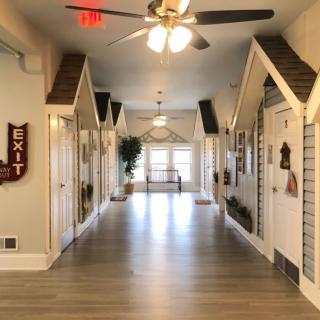




 Comprehensive Insights and Practical Strategies to Help Older Adults Avoid Falls
 6 Crucial Ways an Elder Law Attorney Assists Families
 Navigating the Tax Landscape of Caregiving: Credits, Deductions, and Beyond