
210 E Front St, Harvard, IL 60033
To contact a resident: (815) 943-3350
For more information about senior living options: (866) 208-4318
Shepherd of Harvard Costs & Pricing
Shepherd of Harvard offers competitive pricing for its residents, with costs that reflect a thoughtful consideration of both local and state averages. For a semi-private room, the monthly fee is $4,500, which is notably more affordable than the average cost in McHenry County at $4,970 and significantly less than the Illinois state average of $5,146. In terms of studio accommodations, Shepherd of Harvard charges $5,000 per month; this places it slightly below the county's rate of $5,004 while still being higher than the state average of $4,028. Overall, Shepherd of Harvard provides a compelling option for individuals seeking quality care in a supportive environment without straining their financial resources.
| Floor plans | Shepherd of Harvard | McHenry County | Illinois |
|---|---|---|---|
| Semi-Private | $4,500 | $4,970 | $5,146 |
| Studio | $5,000 | $5,004 | $4,028 |
Memory care communities with a similar price nearby
-
from -$700 / mo
Geneva Crossing
$3,800 / month15.0 miles away -
from +$750 / mo
The Heathers - Ringwood
$5,250 to $5,750 / month14.5 miles away -
About the same
Clarendale of Algonquin
$4,400 to $7,211 / month22.4 miles away -
About the same
Melody Living Lake in the Hills
$4,440 to $7,700 / month21.9 miles away -
About the same
The Cottages of Fox Lake
$4,495 to $5,175 / month22.4 miles away
Overall Review of Shepherd of Harvard
Pros
 The caregivers are amazing and provide excellent care.
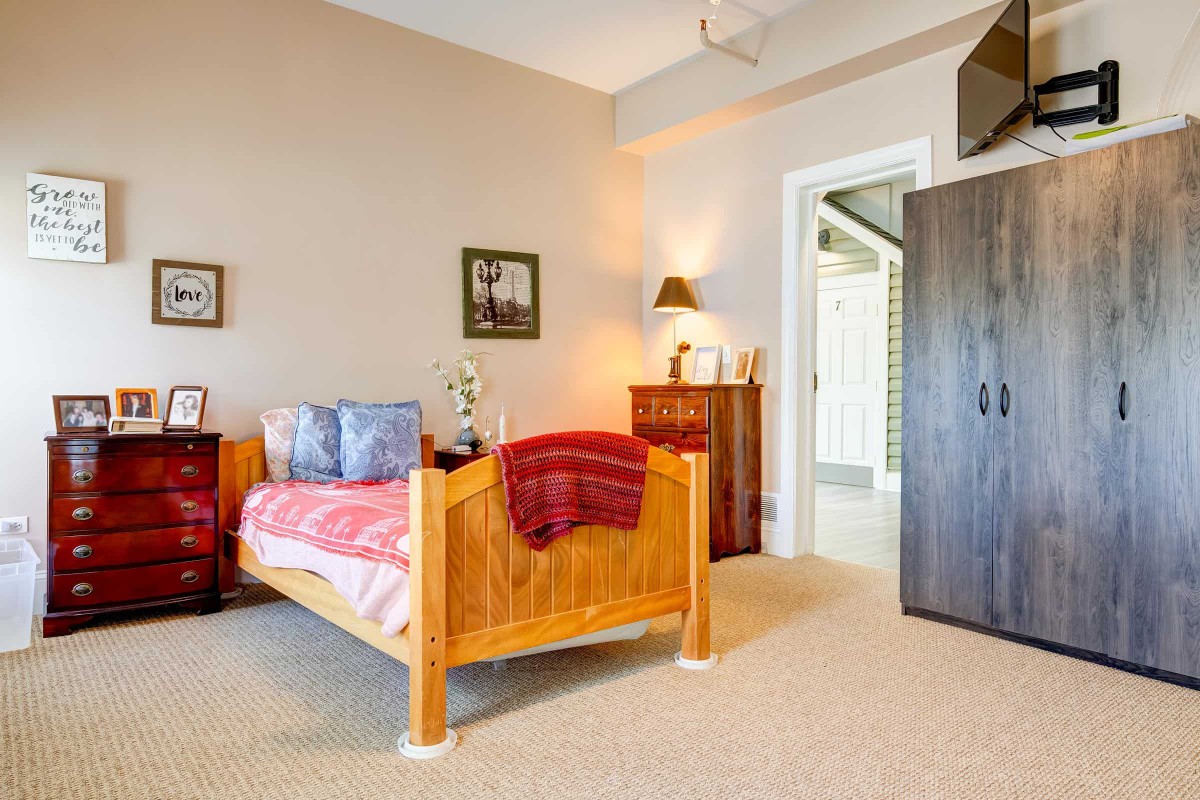
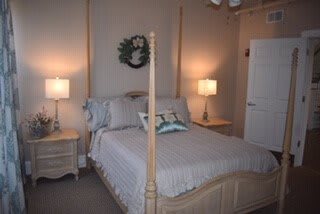
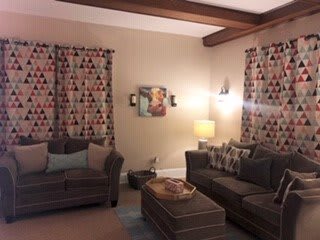
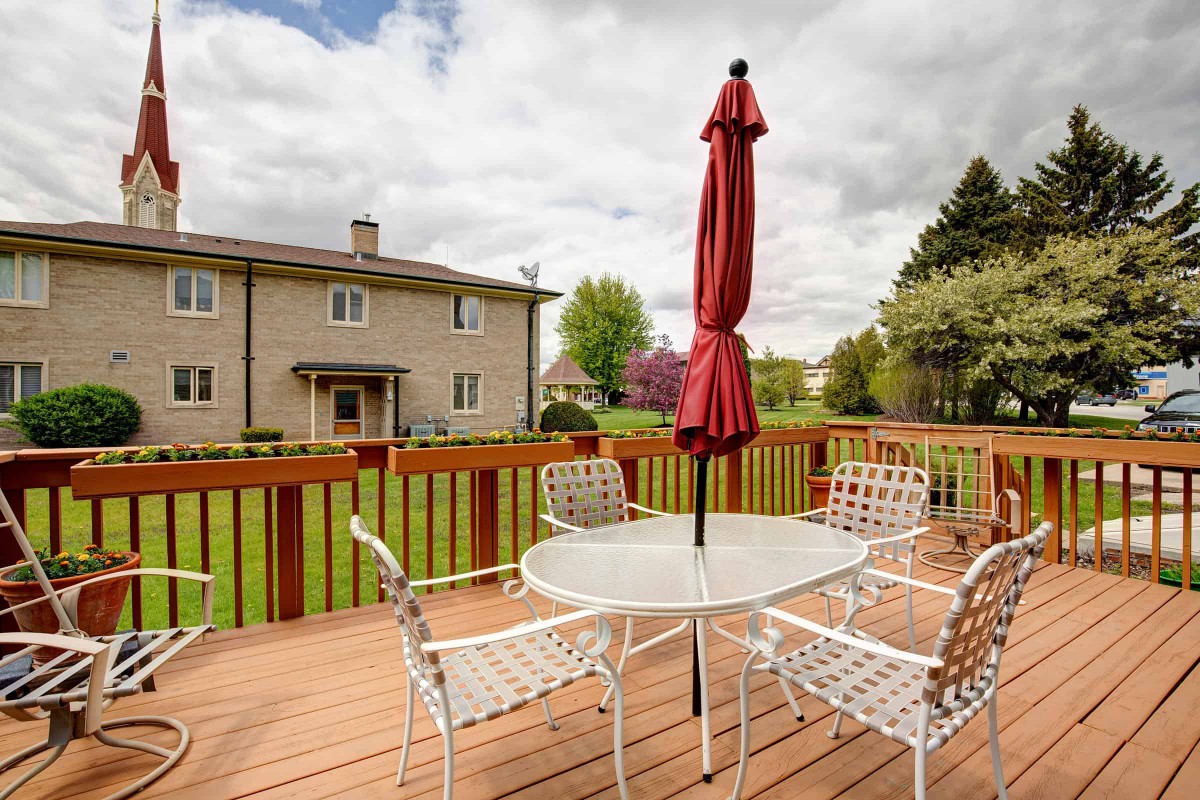
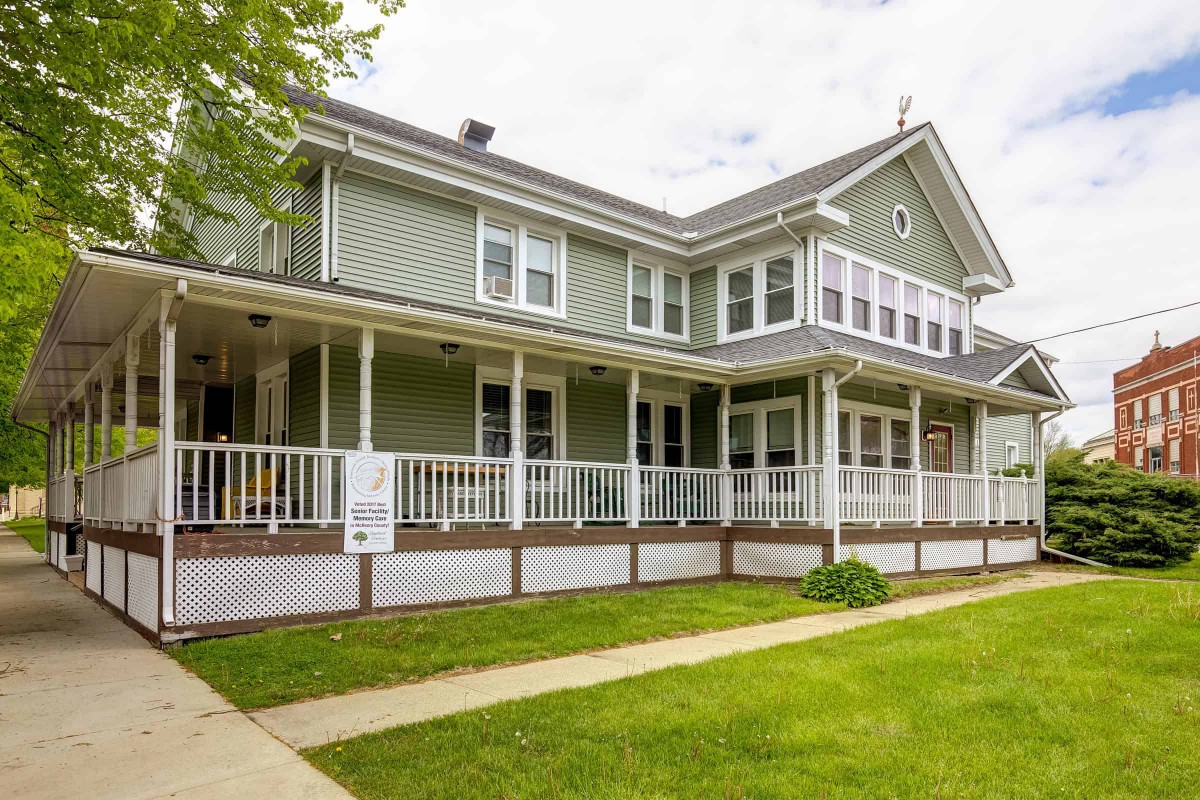
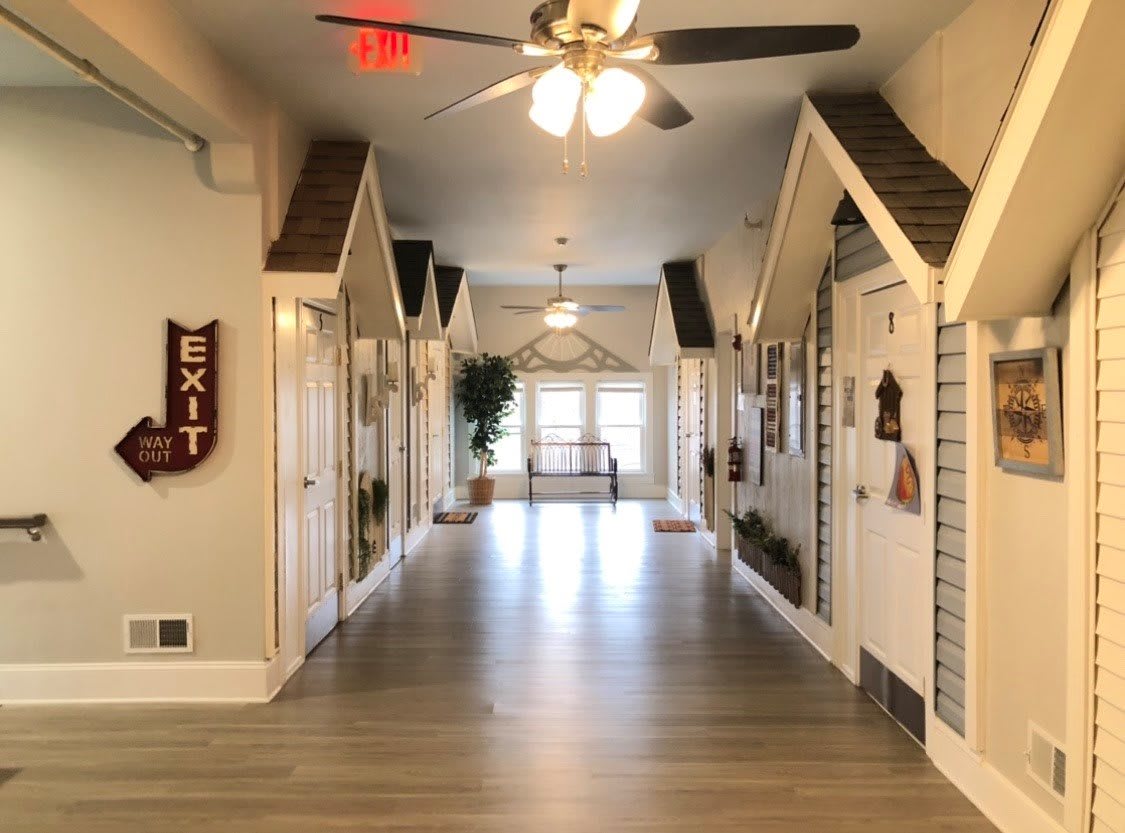
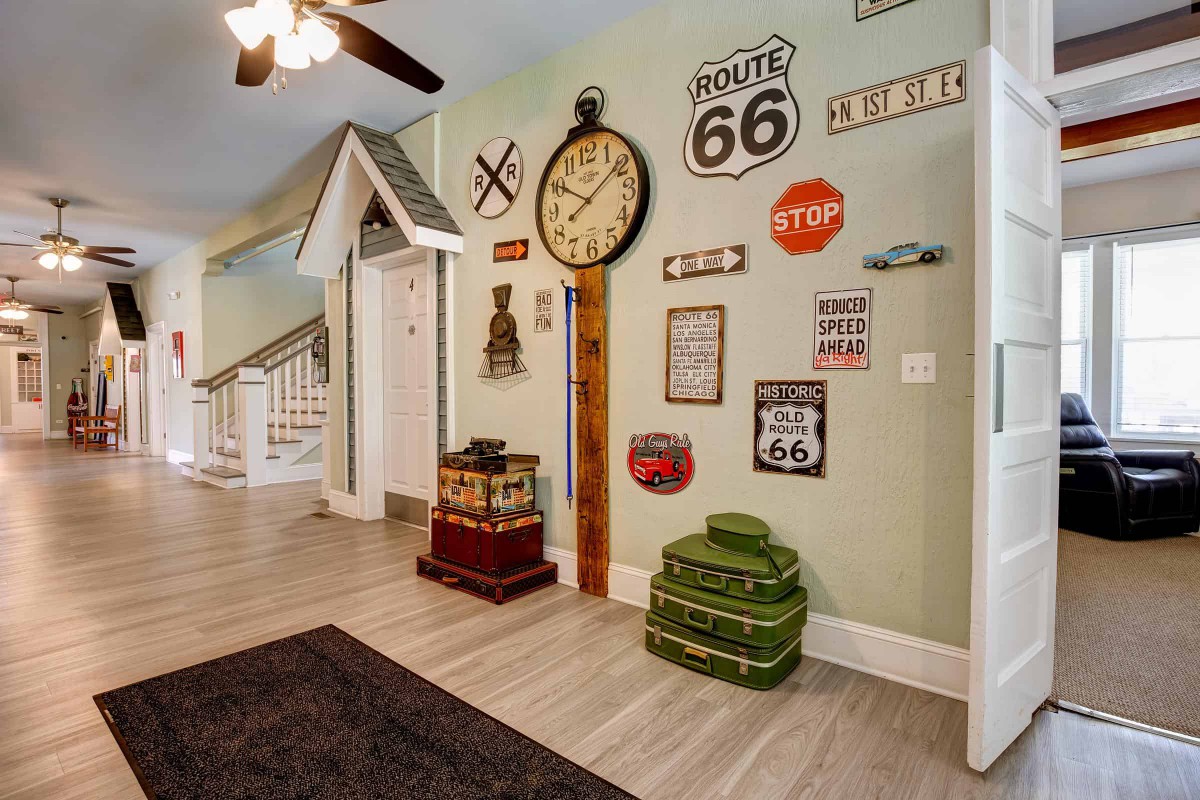
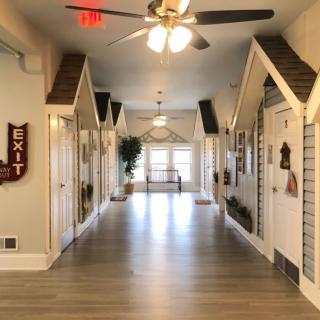
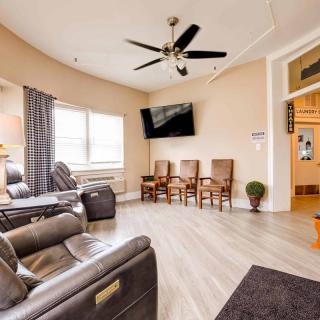
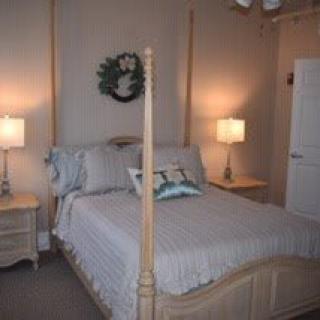
 - The facility feels warm, home-like, and free of an institutional vibe.
- Residents receive companionship and safe, high-quality care in a lovely home.
- The staff are kind, attentive, and go out of their way to ensure comfort.
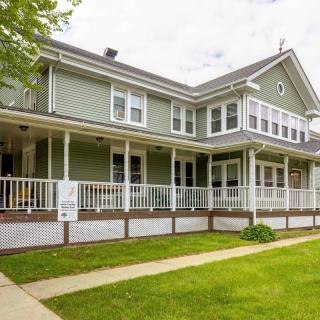
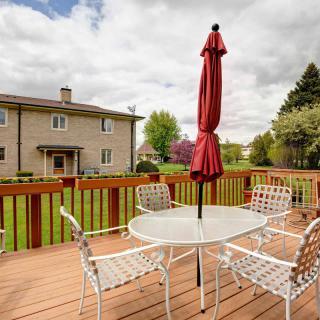
- The building is beautiful, clean, and well maintained.
- Families value the loving atmosphere and personal touches that support residents.
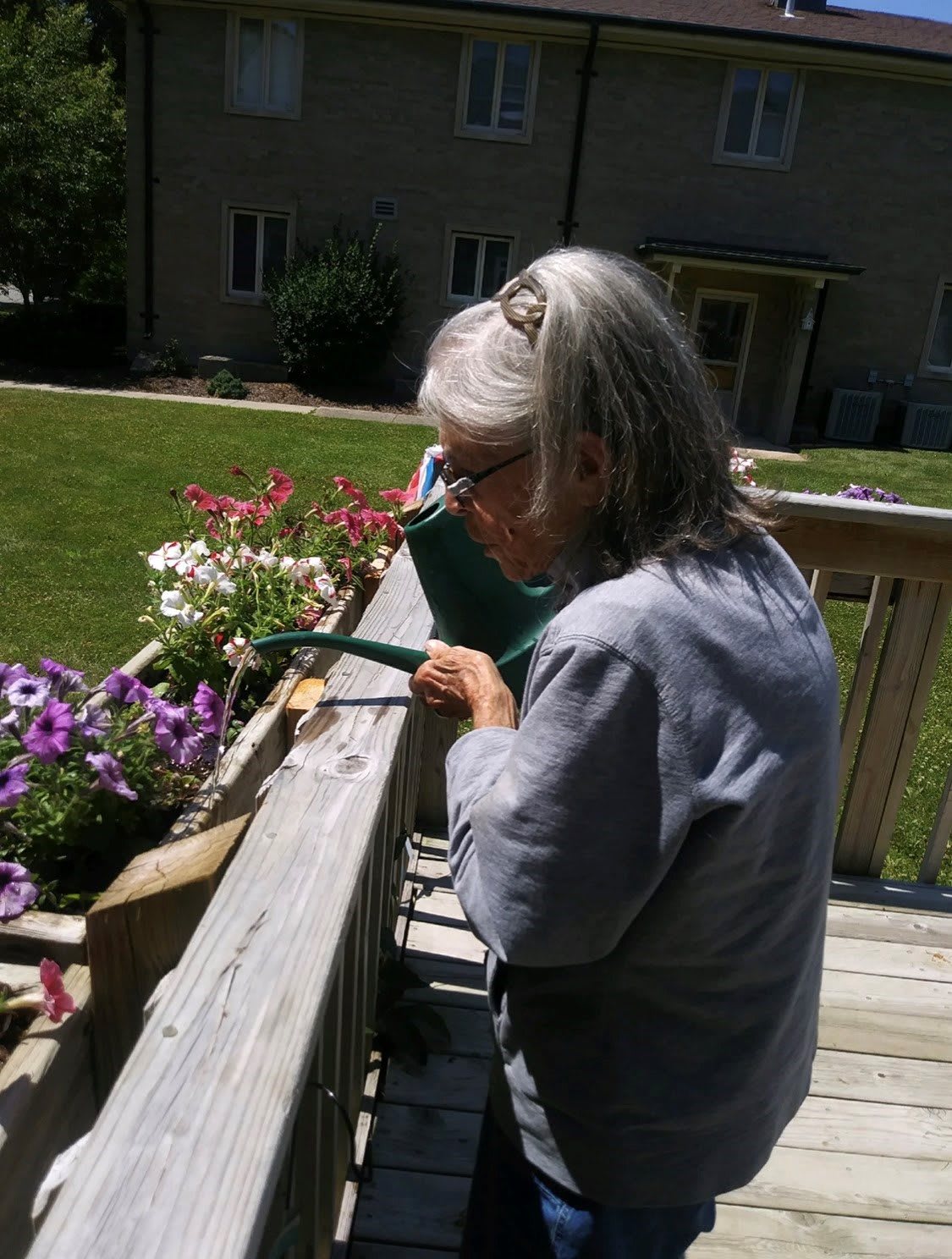
- The atmosphere is friendly and joyful, with residents enjoying meaningful activities and good company.
Cons
 One reviewer questions whether the care ratio of one aide for every five residents is adequate, implying potential understaffing.
- They note that, when counting activity personnel, nurses, trainers, and administrative staff, the ratio is often significantly lower.
- The remarks suggest that this understaffing could compromise the level of care residents receive.
Review
Shepherd of Harvard is best suited for seniors who want a warm, home-like setting rather than a clinical campus. This community shines for families seeking companionship, attentive daily care, and dementia-aware support delivered in a small, well-kept house with a strong sense of family. Residents benefit from a personal touch, where staff know names, preferences, and room setups, and where meals, activities, and routines feel intimate rather than industrial. The emphasis on a comfortable home atmosphere makes it ideal for older adults who value emotional connection, routine, and faith-inspired warmth. Those drawn to a structured, highly medical environment with formal amenities may find the scale and style insufficient, and should consider alternatives with broader medical programming and larger campuses.
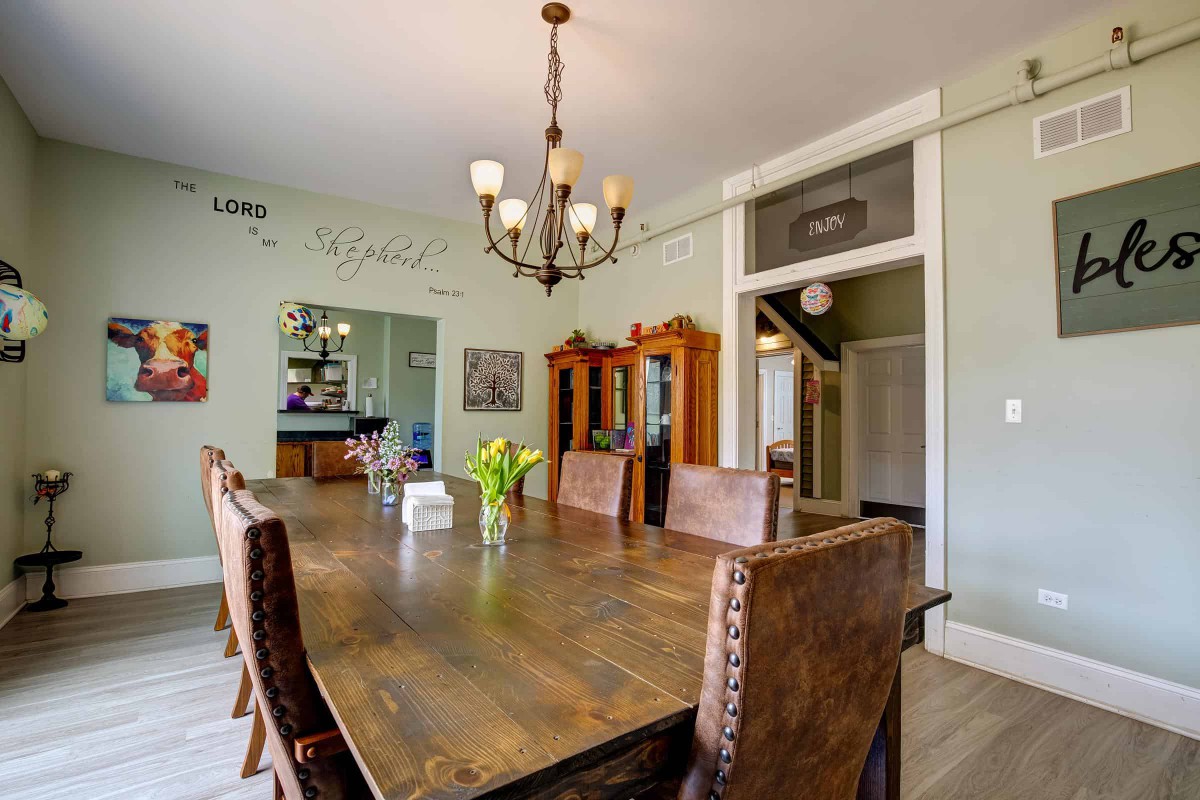
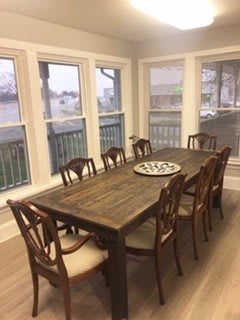
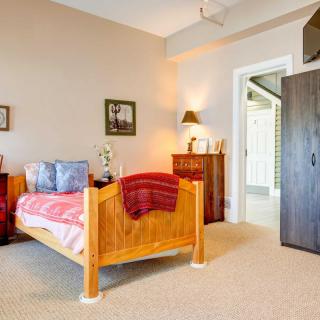
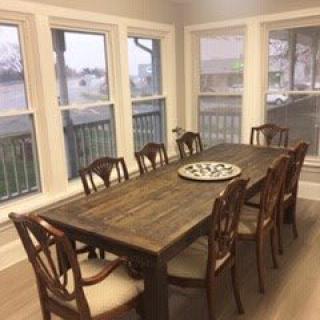
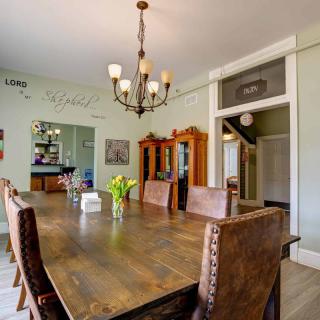
Key strengths include the home environment, with personal touches like residents keeping their own furniture, a chef, and home-cooked meals. The dining room is lively, with staff engaging residents in games and conversations, reinforcing a sense of belonging rather than routine surveillance. The facility’s cleanliness and cozy feel reinforce safety and comfort, while staff warmth translates into reliable, compassionate care. Families repeatedly report relief and gratitude as their loved ones settle in and begin to thrive, underscoring a culture that treats residents as cherished members of a close-knit family.
Staffing and care quality stand out as standout differentiators. A noted one-aide-per-five-residents ratio supports attentive supervision, supplemented by activity coordinators, nurses who frequently visit, and occasional trainers and administrative staff. This combination allows for personalized attention that larger complexes often struggle to sustain. Family members describe consistent, responsive communication, with updates on changes and clear demonstrations of genuine care. For residents with memory challenges, the steady routines, familiar environment, and opportunities to keep personal belongings in their rooms contribute to mood stability and engagement, creating tangible day-to-day value.
Engagement and spiritual warmth are prominent features. The culture leans into faith-based comfort, with staff providing emotional and spiritual support that resonates with many families. Visitors observe lively interactions, meaningful activities, and a sense of companionship that extends beyond basic supervision. The home-like atmosphere encourages frequent visits and ongoing participation in purposeful programming, helping residents feel useful, connected, and valued. Overall tone is one of joy, safety, and ongoing encouragement, where everyday moments are celebrated and residents retain a sense of dignity and belonging.
On the downside, the main trade-off centers on scale and breadth of services. The small, intimate setting naturally offers fewer formal services than larger campuses, with less on-site medical programming and fewer dedicated memory-care wings. For seniors whose needs escalate to higher-acuity care or for families seeking a broader continuum of care, larger assisted-living communities or skilled-nursing facilities may be more appropriate. Those requiring aggressive medical oversight or round-the-clock RN coverage should verify capacity for rapid escalation and the availability of on-site physicians. Still, for residents fitting the described profile, these limits are largely offset by the restaurant-quality meals, personalized routines, and the warm, family-like atmosphere.
Bottom line: Shepherd Premier in Harvard delivers a rare blend of home-like warmth, attentive caregiving, and meaningful engagement, making it a top pick for families prioritizing comfort, companionship, and dignity in daily living. The standout strength lies in the tight caregiver-to-resident attention and the welcoming, faith-infused culture that helps residents settle quickly and stay emotionally secure. The caveat is scale, not quality, this is not a setting designed for high-acuity medical care or a large, hospital-like environment. For families who value a true home setting with strong personal connections and consistent, compassionate staff, a serious visit is warranted. When assessing fit, focus on whether the home atmosphere aligns with the senior’s health needs and the family’s expectations for engagement and spiritual support, and probe how personal routines and belongings will be accommodated over time.
 1-bedroom apartments
 Assisted Living
 Memory Care
 Activities off-site
 Beautician on-site
 Cable or satellite TV
 Devotional services on-site
 Ground floor units
 Handicap accessible
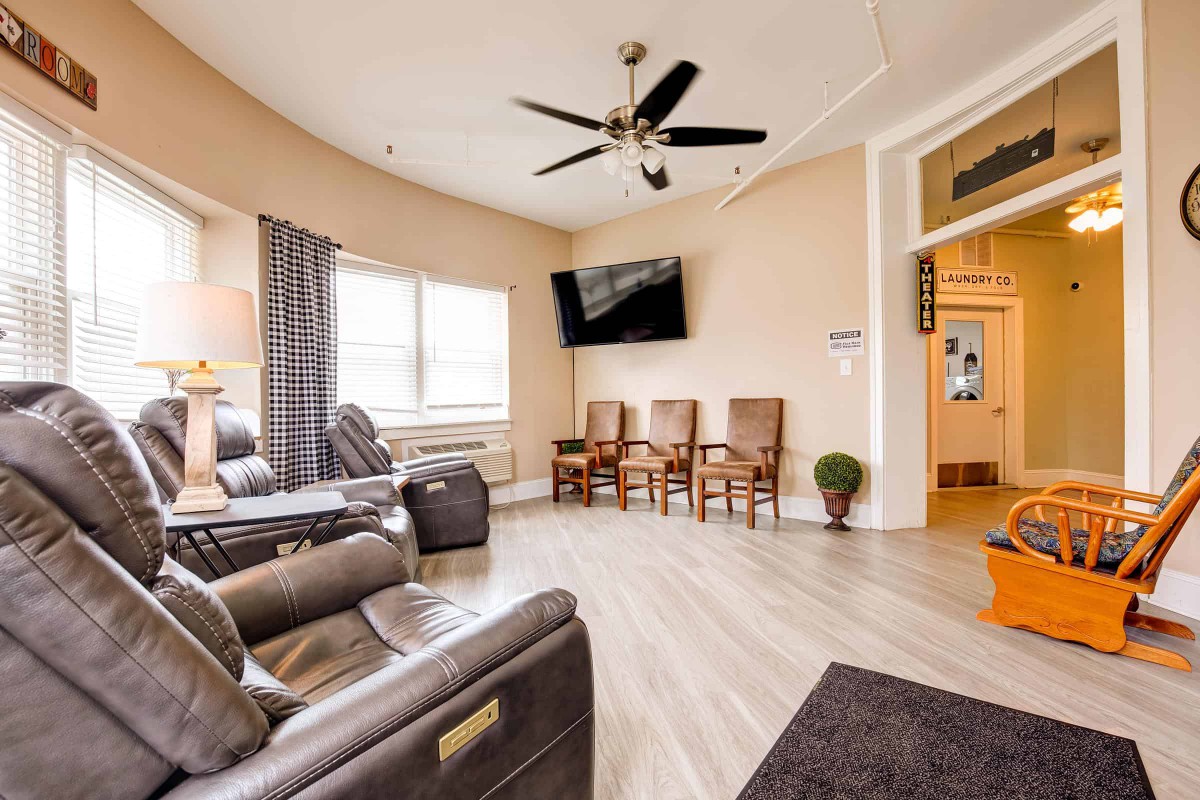
 Indoor common areas
 Outdoor common areas
 Respite or short term stays offered
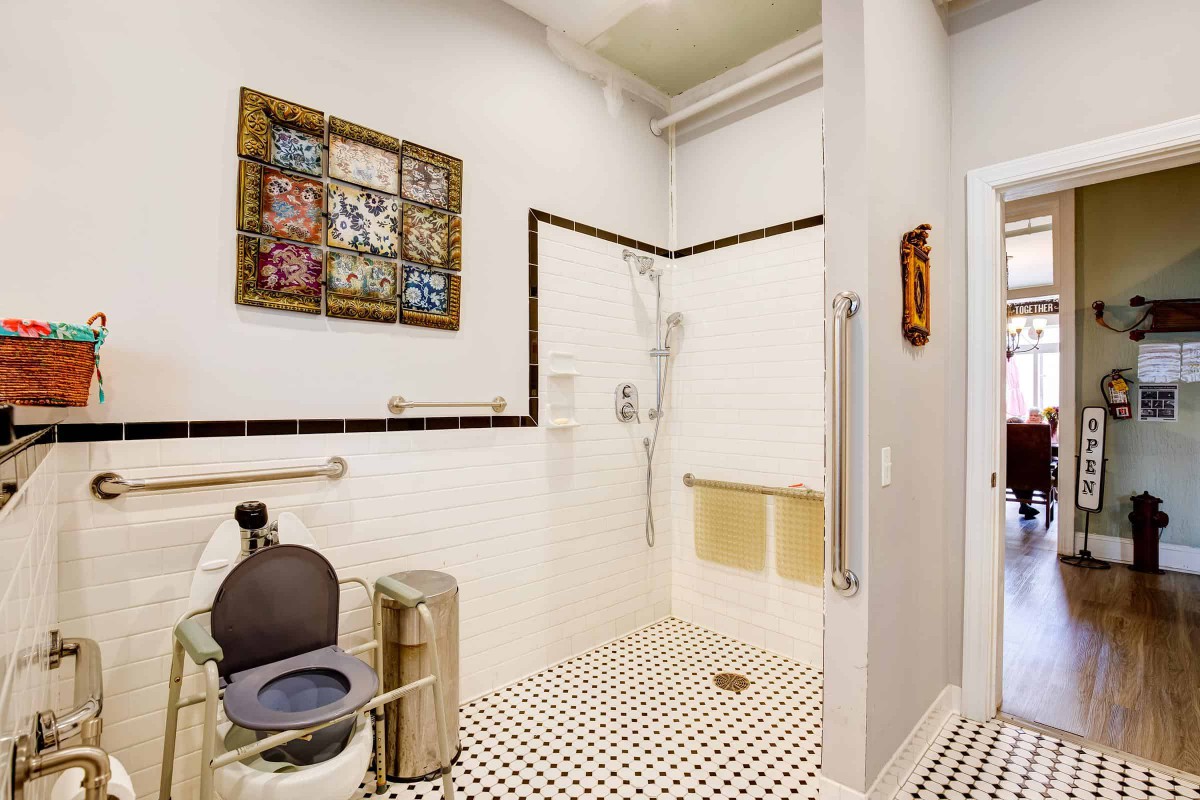
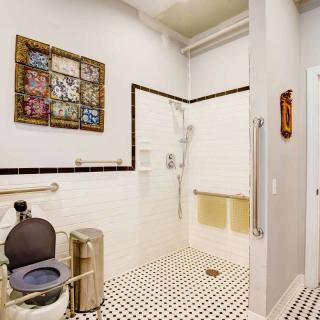
 Wheelchair accessible showers
 Wi-Fi/high-speed internet available
 Ambulatory care
 Diabetic care
 High acuity care
 Incontinence care
 Medication management
 Guest meals
 Art classes
 Day trips and outings
 Educational speakers / life long learning
 Happy hour
 Karaoke
 Live dance or theater performances
 Live musical performances
 Live well programs
 Visiting chaplain or priest


 A Thorough Discussion of Medications Potentially Linked to Dementia Risk
 Why Do Dementia Patients Sleep So Much? Understanding Oversleeping, Stages, and Care Approaches
 8 Key Indicators That Suggest It May Be Time to Transition from Assisted Living to Skilled Nursing Care