
820 W Metzen, Harvard, IL 60033
To contact a resident: (815) 943-3350
For more information about senior living options: (866) 208-4318
Harvard Ranch for Seniors Costs & Pricing
At Harvard Ranch for Seniors, the monthly costs for accommodations are notably competitive compared to both McHenry County and the broader Illinois region. The pricing for a one-bedroom unit is set at $524, significantly lower than the county average of $3,830 and the state average of $3,527. For those seeking more space, a two-bedroom unit is available for $645, again presenting a favorable alternative to the higher averages of $4,187 in McHenry County and $4,208 statewide. This affordability positions Harvard Ranch as an attractive option for seniors looking for quality living arrangements without the financial strain often associated with such facilities.
| Floor plans | Harvard Ranch for Seniors | McHenry County | Illinois |
|---|---|---|---|
| 1 Bedroom | $524 | $3,830 | $3,527 |
| 2 Bedrooms | $645 | $4,187 | $4,208 |
Senior living communities with a similar price nearby
-
from +$36 / mo
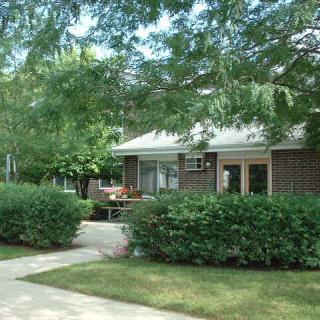
Sunset Senior
$560 to $610 / month0.1 miles away -
from +$82 / mo
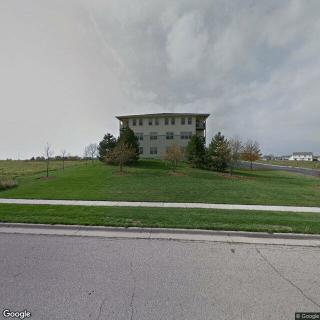
Sedgemeadow
$606 / month17.8 miles away -
from +$26 / mo

Rock Bay Harbor
$550 to $670 / month21.6 miles away -
from +$46 / mo

The Highlands of Geneva Crossing
$570 to $4,982 / month15.5 miles away -
About the same
Jackson Creek
$525 to $3,500 / month16.1 miles away
Overall Review of Harvard Ranch for Seniors
Pros
 They recommend the Harvard Food Pantry for those who need help with food.
- They say the staff are very nice.
- They describe the place as great and very welcoming.
- They found it to be a good possibility after visiting.
- The apartments offer affordable, one-floor living for seniors with heat, a gas stove, and free parking.
Review
Harvard Ranch for Seniors in Harvard, Illinois, is best suited for budget-conscious seniors who want safe, low-maintenance, single-floor housing with straightforward affordability and a neighborly feel. The property operates as a small, 23-unit community designed for residents 60 and older whose income sits under about $32,000, with heat and gas stove included and free parking. The emphasis is on independence within a simple, accessible living environment rather than on-site clinical care. For households seeking predictable housing costs and a tight-knit, approachable atmosphere, this community fits well, especially for those who prioritize ease of movement and practical conveniences over extensive services.
Those needing comprehensive assisted living services, regular on-site caregiving, meals, transportation, or upbeat, structured social programming should consider other options. The reviews point to a limited scale, small number of apartments, occasional “good possibilities” for visits or events, and a general warmth, rather than a full-service environment. Prospective residents with higher care needs or who crave a wide array of activities may find this setting too sparse. Multidisciplinary care, daily assistance, or robust dining programs are not evident here, making alternatives with true on-site services a more reliable fit.
The strongest offsets to the limitations lie in the practical, mobility-friendly design and the predictable cost structure. A single-floor layout reduces stairs and elevation risks, while including heat and a gas stove eliminates a chunk of monthly utility expenses and simplifies meal prep. Free parking removes a recurring hardship for residents and visitors alike. The friendly staff and welcoming vibe, reinforced by anecdotes of social planning and neighborly generosity, support a sense of belonging that can counterbalance the modest size. In short, the core value is stability and ease, not extravagance.
Reviews hint at a tightly knit community where residents know each other and staff are approachable. The ability to plan parties and gather informally suggests meaningful social opportunities, even within a small cohort. Yet the intimate setting can constrain the breadth of activities and limit exposure to a wider peer network. For someone who thrives on frequent events, dynamic programs, and close proximity to a range of services, Harvard Ranch may feel insufficient. On the other hand, for those who want privacy, lower noise, and minimal upkeep, this environment can be a refreshing alternative to larger complexes.
Cost is a central consideration. The income cap ensures affordability but also narrows the pool of eligible residents, potentially limiting future competition for units and questions about long-term rent stability. With no explicit on-site care or meal service highlighted, households must plan for groceries, medication management, and any needed assistance separately. Location matters too: a small-town setting can offer quiet and convenience, yet it may require driving to access medical specialists, theaters, or larger grocery stores. Prospective buyers should map out their care plan and transportation needs before committing.
Bottom line: Harvard Ranch for Seniors offers a practical, affordable option for older adults who prize independence, straightforward budgeting, and a warm, intimate community. It excels at reducing everyday frictions, cost predictability, one-floor access, and parking, while delivering a friendly, low-key social atmosphere. Those whose priorities include on-site meals, broad programming, or full-time care should pursue alternatives, independent living with more amenities, or true assisted living communities in nearby towns. Weigh the trade-offs carefully, visit to assess vibe, check the waitlist, and align the choice with overall care needs and budget reality.
 Active Adult Communities (55+)
 Cats allowed
 Dogs allowed
 Activities off-site
 Indoor common areas
 Wheelchair accessible showers
 Compassionate Conversations: How to Comfort Someone Who Is Grieving
 Home Health Care Aides: Understanding Their Role and Supporting Your Family
 Urinary Tract Infections in Older Adults: Comprehensive Insights on Symptoms, Treatment, and Prevention