
210 East Front Street, Harvard, IL 60033
For more information about senior living options: (866) 208-4318
Overall Review of Shepherd Premier of Harvard
Pros
 The caregivers are amazing and provide attentive, excellent care.
- The staff are kind, loving, and consistently go the extra mile for residents.
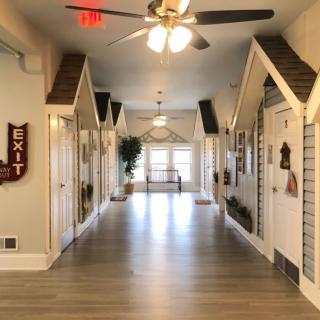
- The homes feel warm, cozy, and like a large, comfortable family rather than an institution.
- Residents experience companionship, safety, and meaningful personal attention.
- The atmosphere is joyful, friendly, and conducive to improving well-being.
- The facility feels like a home away from home, with personal touches that make residents feel at ease.
Review
Shepherd Premier of Harvard is best suited for seniors who prize a warm, home‑like setting where companionship, personal attention, and faith traditions shape daily life. Families seeking a nonclinical, welcoming environment will find a natural fit, as residents can keep personal furniture, enjoy home‑style meals, and engage in social activities that feel more like a family gathering than a care facility. The emphasis on emotional well‑being and spiritual comfort is evident in staff interactions and daily routines, making this community feel like a true residence rather than an institution. It serves best those who want consistent, affectionate caregiving from a team that treats each resident as a member of a close‑knit household.
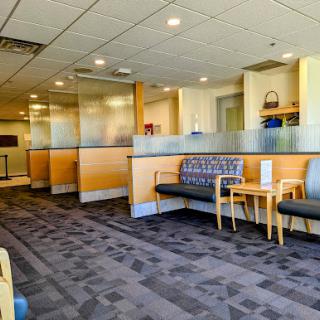
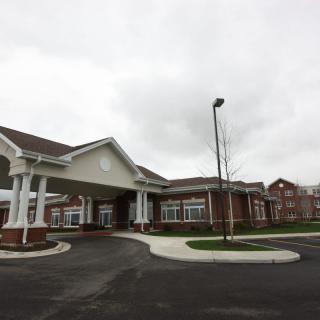
Those needing robust medical management or extensive rehabilitation may want to consider alternatives. The Harvard location leans toward a residential, intimate model rather than a large, hospital‑like campus, so residents with complex wounds, frequent clinical procedures, or rapidly fluctuating health status may require more on‑site medical resources than this setting offers. Families prioritizing highly structured therapy schedules, 24/7 skilled nursing oversight, or advanced care planning in a clinical framework might prefer a dedicated skilled‑nursing facility or a dementia‑focused campus with larger staffing and more formal protocols. In short, the strengths here are emotional and relational care; for intensive medical needs, look elsewhere.
The strongest offset to potential limitations is the caliber of everyday care. Caregivers are consistently described as kind, patient, and attentive, converting routine tasks into meaningful interactions and leaving residents feeling seen and valued. A home‑like environment, personal bedrooms, the option to have familiar furniture, and a chef preparing meals, delivers tangible comfort that supports mood and overall satisfaction. Social energy is high: games in the dining room, friendly conversation, and regular opportunities for companionship help residents stay engaged and reduce isolation. For residents with dementia, steady routines and familiar faces appear to stabilize behavior and improve mood, reducing the need for disruptive interventions.
Spiritual and emotional support also stands out. Several accounts highlight faith‑based encouragement that resonates with residents and families alike, creating a sense of purpose that complements practical care. The setting itself, a warm, not institutional house rather than a clinical wing, further reinforces a feeling of belonging. This environment fosters trust, lowers anxiety about daily care, and motivates residents to participate in social activities, which in turn supports overall safety and well‑being. The combination of personalized attention, companionship, and a home atmosphere tends to translate into genuinely positive living experiences for most residents.
Prospective families should structure their evaluation around concrete aspects beyond atmosphere. Schedule a tour and observe caregiver‑resident interactions, request to meet the care coordinator, and see how mobility, eating, and activity needs are addressed throughout the day. Confirm whether residents can personalize rooms, how meals accommodate dietary preferences, and what happens when a health issue arises after hours. Inquire about transportation for appointments, how holidays are celebrated, and whether outside services may be integrated. Finally, discuss the facility’s capacity to scale care as needs change, so the choice remains viable if independence wanes or medical needs evolve.
Bottom line: Shepherd Premier of Harvard excels for families seeking a loving, community‑centered home where residents feel like part of a caring family. Its strengths, compassionate staff, social engagement, and a comforting, home‑like setting, often outweigh the drawbacks for those prioritizing emotional well‑being and daily companionship. However, for seniors whose care requirements center on intensive medical oversight, rehab intensity, or clinical programming, alternative options such as skilled‑nursing or dementia‑focused campuses with stronger medical infrastructure should be considered. The decision should align care environment with health needs, values, and desired pace of daily life, and in that alignment Shepherd Premier of Harvard represents a compelling, credible choice.
 14 resident community capacity
 Assisted Living
 Cable or satellite TV
 Dining room
 Fully furnished
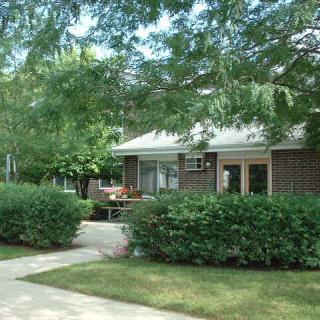
 Garden
 Housekeeping services
 Move-in coordination
 Outdoor space
 Telephone
 Wi-Fi/high-speed internet available
 24-hour supervision
 Activities of daily living assistance
 Assistance with bathing
 Assistance with dressing
 Assistance with transfers
 Diabetes diet
 Meal preparation and service
 Medication management
 Special dietary restrictions
 Transportation arrangement (medical)
 Transportation to doctors appointments



 An Extensive Exploration of the VA Aid and Attendance Benefit
 Senior Transition Services: Understanding Their Role, Cost, and Importance
 Exploring the Path to Senior Living: A Comprehensive Look at Independent Living and Assisted Living