
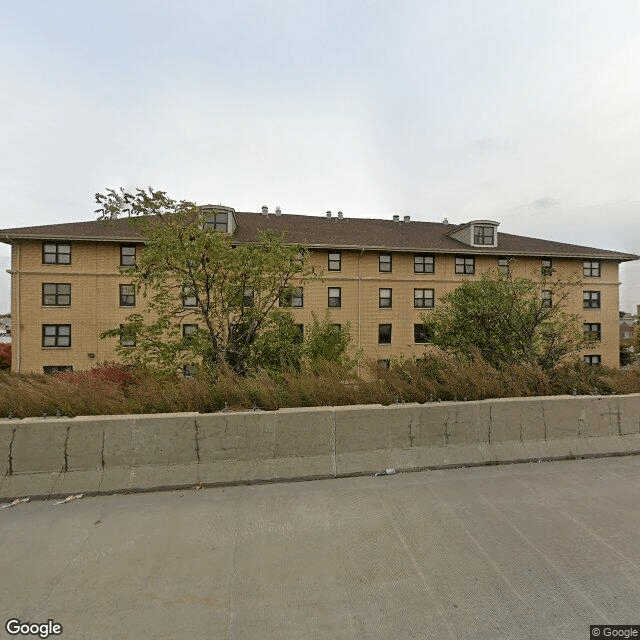
2928 South Archer Avenue, Chicago, IL 60608
To contact a resident: (773) 376-2360
For more information about senior living options: (866) 208-4318
Overall Review of Archer Avenue Senior Residences
Pros
 They love the food and the peaceful atmosphere.
- The building is clean and quiet.
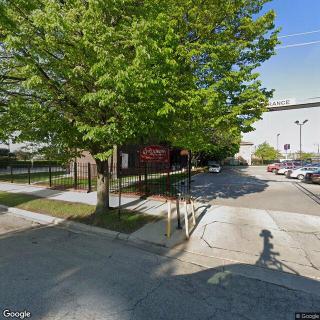
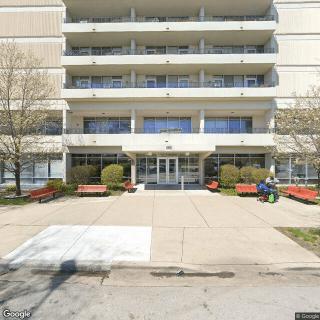
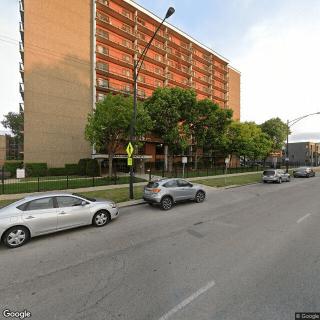
- The senior building is beautiful.
- The facility is very nice and clean, and the people are friendly.
- The staff and residents are pleasant and welcoming.
- The food is good.
Cons
 They warn readers not to move in here.
- They say the building is not maintained by management.
- They report that their windows leak and it rains inside the apartment.
- They note the windows sweat and freeze in winter, with up to three inches of ice inside.
- They claim major problems are not fixed and are instead just covered up.
- They would move elsewhere if possible, feeling management doesn’t care.
- They say there is too much smoking.
- They state the place sucks.
Review
Archer Avenue Senior Residences is most clearly suited for independent seniors who prize a clean, quiet, and socially welcoming environment with solid on-site dining. The community seems to attract residents who have lived there for years and value a stable, low-disruption setting where daily life feels predictable and pleasant. Those who want a straightforward, homey atmosphere, with friendly staff and neighbors, will find this a comfortable option. However, this is not the place for someone who cannot tolerate recurring maintenance concerns or a building that shows visible signs of aging. Prospective residents who require near-perfect infrastructure, a smoke-free environment, or consistently prompt repairs should actively consider alternatives before committing.
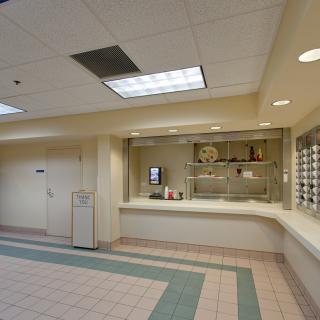
The strongest positives center on everyday livability. Food quality and the dining experience emerge repeatedly as a highlight, suggesting meals are satisfying and a reliable daily amenity. Descriptions of the building as clean, quiet, and well-kept by residents and staff reinforce a sense of order and comfort. Reviews repeatedly note approachable, pleasant staff and a welcoming resident community, with several accounts of long-tenured residents who seem to contribute to a stable, familiar social fabric. For families prioritizing a peaceful, respectful living environment with dependable daily routines, these factors carry meaningful weight.
Yet, the most consequential strains on value come from maintenance and infrastructure. A single, severe critique describes chronic neglect of major problems, with water intrusion: windows leaking, interior condensation turning to ice, and ice accumulating inside the unit. The complaint describes a pattern of not addressing underlying issues and resorting to temporary fixes or concealment, resulting in a dangerous and unsanitary living condition over years. Coupled with a separate note about “too much smoking,” these items signal risk: ongoing moisture and drafts, potential mold, energy inefficiency, and air quality concerns that undermine the otherwise positive environment. Even a willing resident must weigh these hazards against the comfort and social benefits.
The favorable elements do not fully neutralize the drawbacks. The clean, quiet atmosphere and the good dining can make daily life pleasant, but they become significantly less compelling when safety and reliability are in doubt. The absence of proactive, transparent maintenance history makes it hard to trust that problems will be resolved promptly, a critical consideration for seniors who cannot easily relocate or endure repeated disruptions. For families with residents who rely on timely repairs for safety, such as addressing leaks, drafts, or heating issues, the negative indicators are enough to justify a cautious, comparative shopping approach. In short, the pros create a solid baseline, but the cons can erode overall quality quickly if the maintenance culture remains unresponsive.
For those weighing alternatives, the takeaway is clear: assess the maintenance philosophy and the building’s current condition just as closely as you evaluate meals and social life. Seek confirmation on repair response times, who handles emergencies, and whether recent capital improvements have addressed long-standing issues. If smoking is a concern, ask about designated smoking areas and the prevalence of smoke-free zones within common spaces. Consider also the possibility of an updated facility with modern infrastructure or a community known for aggressive, reliable upkeep. The goal is to align the resident’s tolerance for risk with the facility’s ability to deliver dependable, safe living.
Bottom line: Archer Avenue Senior Residences offers a workable home for independent seniors who value cleanliness, a peaceful setting, good food, and a welcoming social scene, provided maintenance issues are either minimal or reliably managed. For residents with high sensitivity to building condition, or for families needing assured, timely repairs and a non-smoking environment, alternatives are worth pursuing. Tour with a practical checklist: inspect current leaks or drafts, verify maintenance responsiveness, speak with several residents about repair experiences, and probe the lease for clauses on capital improvements. A well-structured visit will reveal whether the balance tips toward confident, comfortable living or toward the cautionary path that points elsewhere.
 Active Adult Communities (55+)
 Independent Living
 Chicago Midway (6 miles away)
 Ashland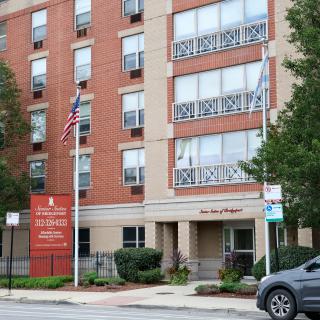


 Encouraging Participation in Adult Day Care: A Guide to Supporting a Hesitant Parent
 Comprehensive Exploration of Living Wills and Other Advance Directives
 A Detailed Exploration of Living Wills and Advance Directives